Cream of Wheat with Maple and Banana
By Jude Horak, UC patient. Flare-friendly. Breakfast.
- Prep
- 3 min
- Cook
- 8 min
- Total
- 11 min
- Serves
- 2
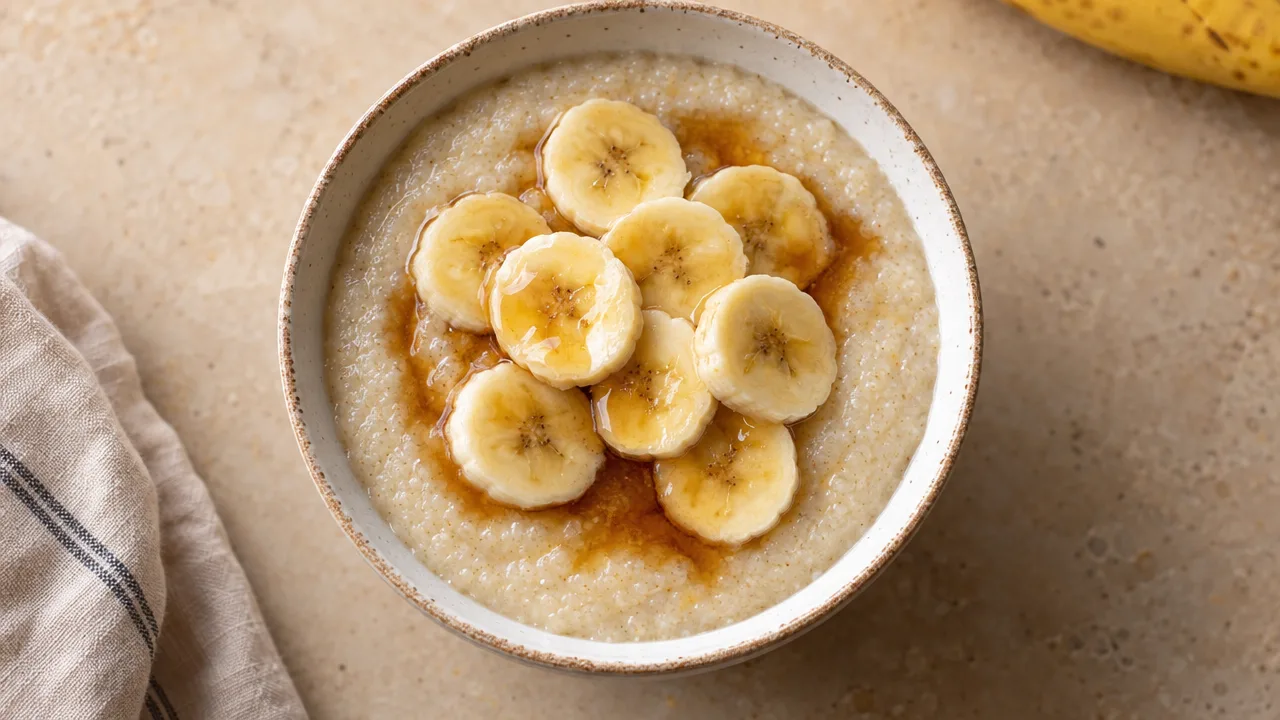
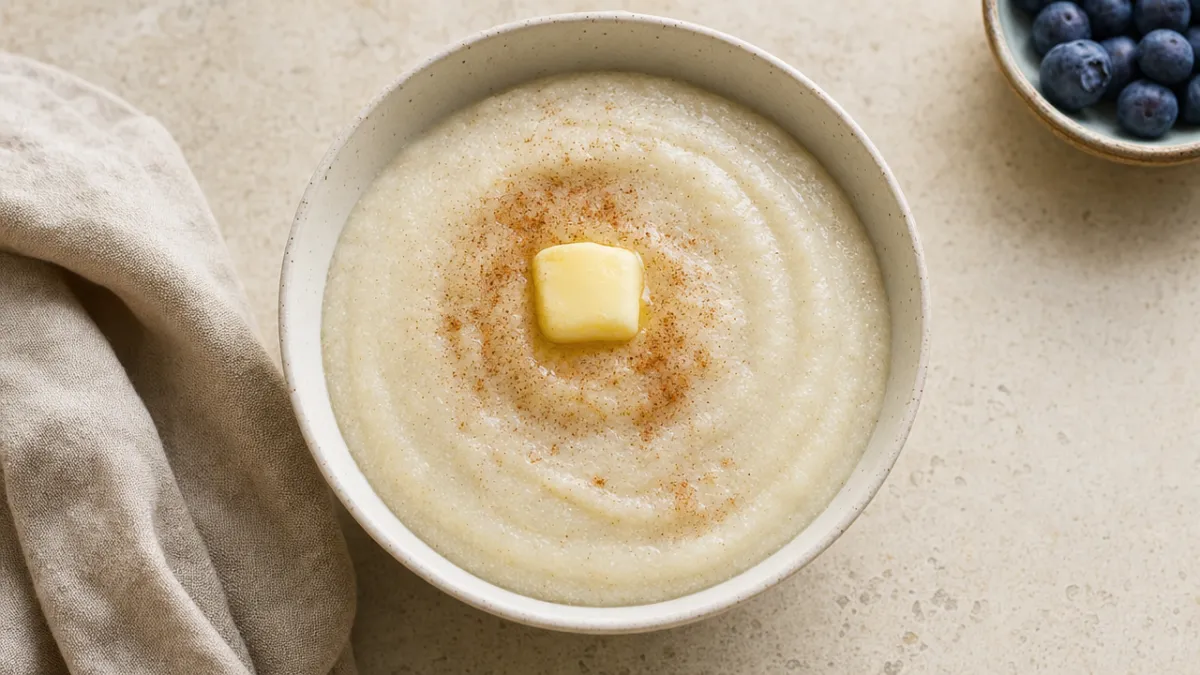
On the mornings when even oatmeal feels like too much texture, I make cream of wheat. It is farina, finely milled refined wheat, and it cooks into a porridge with almost no grain left in it, which is exactly the point during a flare. Some people cook it thick enough to hold a spoon upright; I go the other way and cook it thin, closer to a warm pudding, because that is what my gut has handled best. The technique that matters is whisking the dry farina into cold liquid before it goes on the heat. If you sprinkle it into a hot pot it lumps instantly and you will spend the rest of breakfast chasing clumps. Maple syrup and a very ripe banana do the sweetening. I keep butter to a tiny amount or skip it, and I skip the walnuts and raisins I would have used before. It is bland in a way I have come to find comforting, and it is on the table in ten minutes flat.
Why it works for UC
Cream of wheat is milled from the refined endosperm of the wheat kernel, so the bran that carries most of the insoluble fiber is already gone before you cook it. Simmering it thin and smooth leaves a porridge with almost no residue, which is why farina appears on so many low-fiber diet lists. Banana adds soft, low-fiber sweetness and potassium, and lactose-free milk brings protein and calcium without lactose. Maple syrup is a simple sugar with nothing to digest structurally, so it flavors the bowl without adding bulk.
Ingredient pages: Cream of Wheat, Banana, Lactose-Free Milk
Ingredients
- 1/2 cup cream of wheat (farina), regular not instant
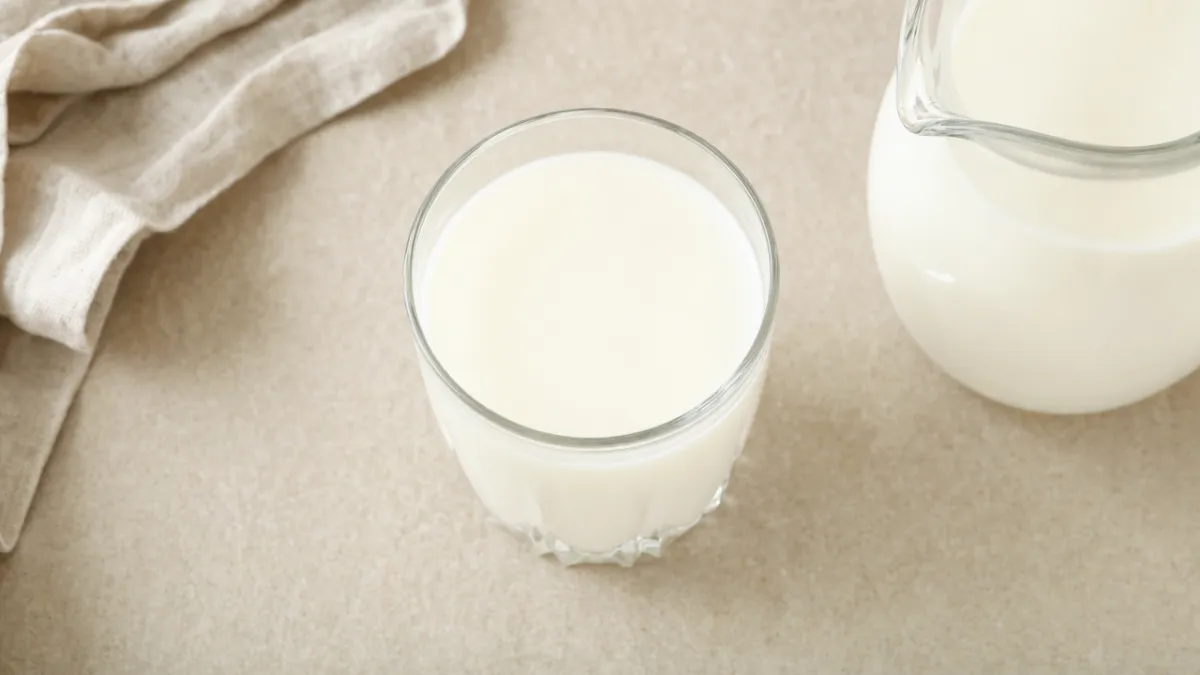
- 1 1/2 cups lactose-free milk
- 1 1/2 cups water
- 1/4 teaspoon fine salt
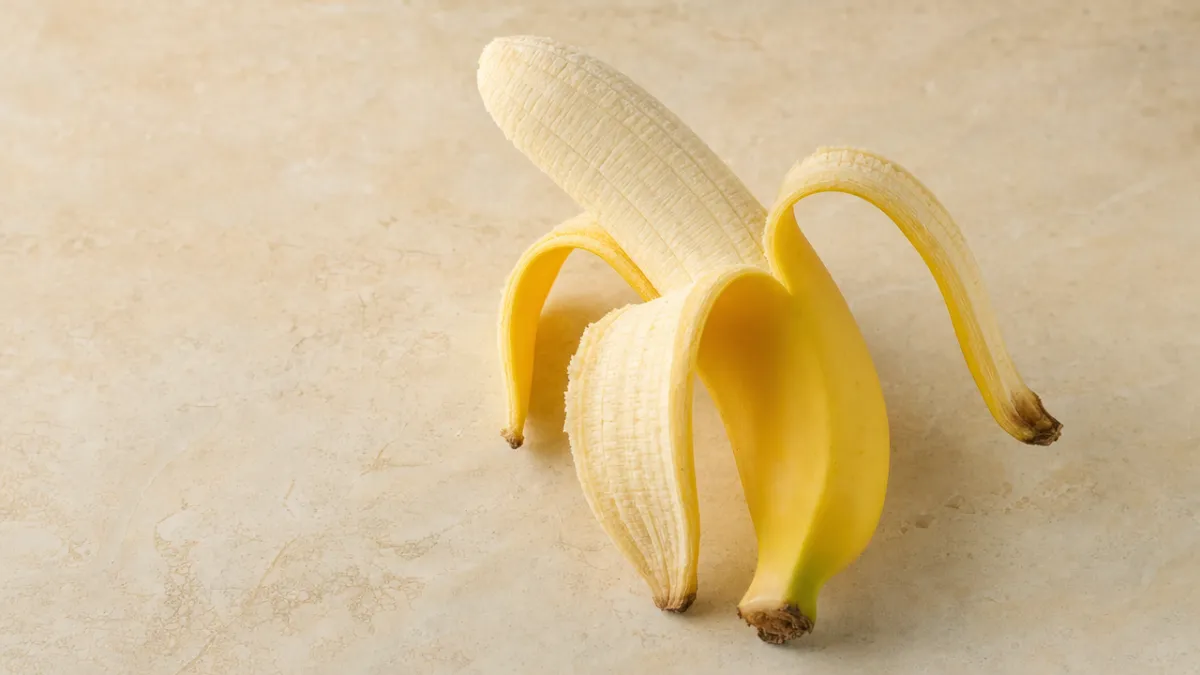
- 1 ripe banana, peeled and thinly sliced
- 2 tablespoons pure maple syrup
- 1/4 teaspoon ground cinnamon, optional
Method
- 1Pour the cold lactose-free milk and water into a medium saucepan, add the salt, and whisk in the farina while everything is still cold. Whisking into cold liquid is what prevents lumps.
- 2Set the pan over medium heat and bring it to a simmer, whisking often. As soon as it starts to bubble, drop the heat to low.
- 3Cook on low for five to seven minutes, whisking every thirty seconds or so, until the farina is thick, glossy, and smooth. It should coat the whisk but still pour slowly.
- 4Turn off the heat and stir in one tablespoon of the maple syrup. The porridge thickens as it cools, so if it seems too stiff, whisk in another splash of milk.
- 5Divide between two bowls, lay the banana slices on top, and drizzle with the remaining maple syrup and a pinch of cinnamon. Eat while warm; it sets up quickly once it sits.
Tips and swaps
- Instant farina works in a pinch but goes from smooth to paste in seconds. The regular kind gives you more control over the final consistency.
- For an even silkier bowl, mash the banana into the hot porridge instead of slicing it on top.
- Cooked farina reheats well. Store it covered, then loosen with milk in a saucepan over low heat while whisking.
- Farina is wheat, so this is not a gluten-free option. If you avoid gluten, well-cooked white rice congee fills the same role for me.
What a serving gives you
Farina is fortified in most brands, so a serving contributes iron along with easy carbohydrate, and the lactose-free milk adds roughly 6 grams of protein and some calcium. Iron matters because ongoing bleeding and inflammation can nudge levels down in UC, though a food is a small piece of that picture. The banana adds potassium and the whole bowl is low in fat, which keeps it light.
Questions about this recipe
Can I make this with water only?
You can, and it is even lighter on the stomach that way. Use three cups of water total and add a pinch more salt so it does not taste flat. You lose the protein and calcium from the milk, so I only go all-water on the roughest days and switch back to lactose-free milk as soon as I can.
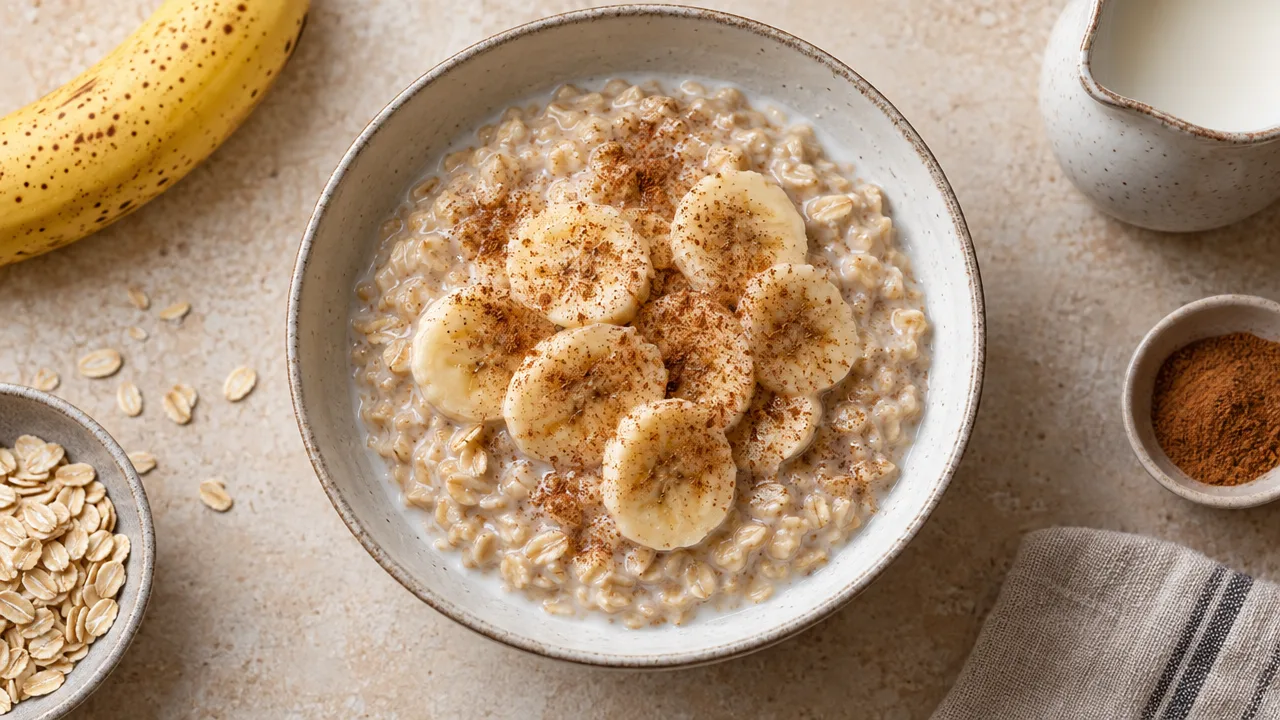
How is cream of wheat different from oatmeal for a flare?
Both are cooked-soft cereals, but they behave differently. Oatmeal keeps some soluble fiber and body even when cooked long, while farina is refined wheat with the bran removed, so it cooks into something nearly fiber-free and completely smooth. When my symptoms are at their worst, farina tends to sit easier. When I am stabilizing, I go back to oats for the fiber.