Can I eat banana with ulcerative colitis?
By Jude Horak, UC patient. Sources checked 2026-08-12.
Have Crohn's instead? Jump to the Crohn's notes
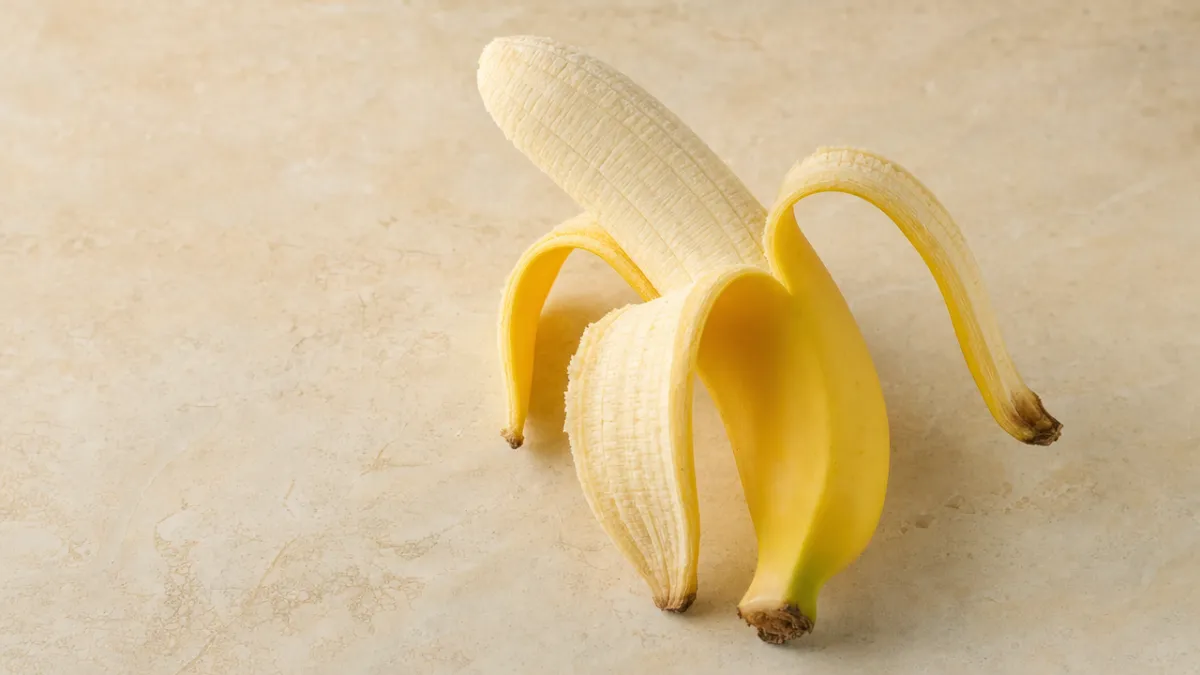
Bananas have a soft texture and low insoluble-fiber content, so they move through an inflamed gut without much residue. They're also naturally sodium- and potassium-rich, which helps replace electrolytes lost to diarrhea.
During a flare
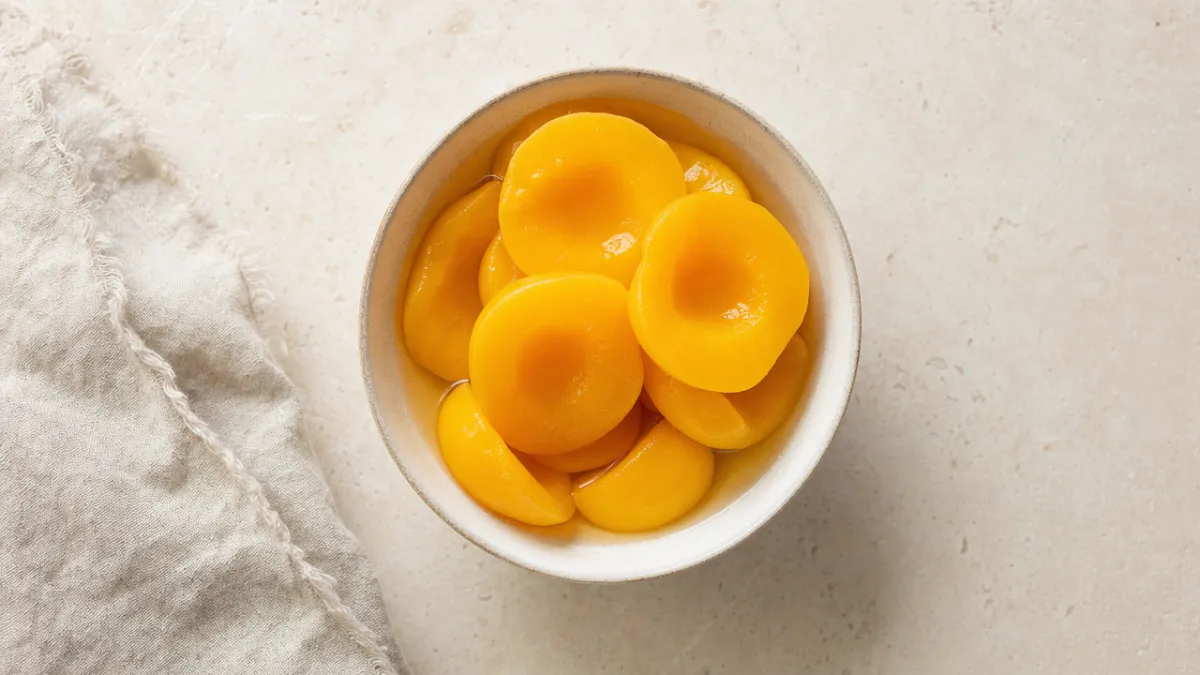
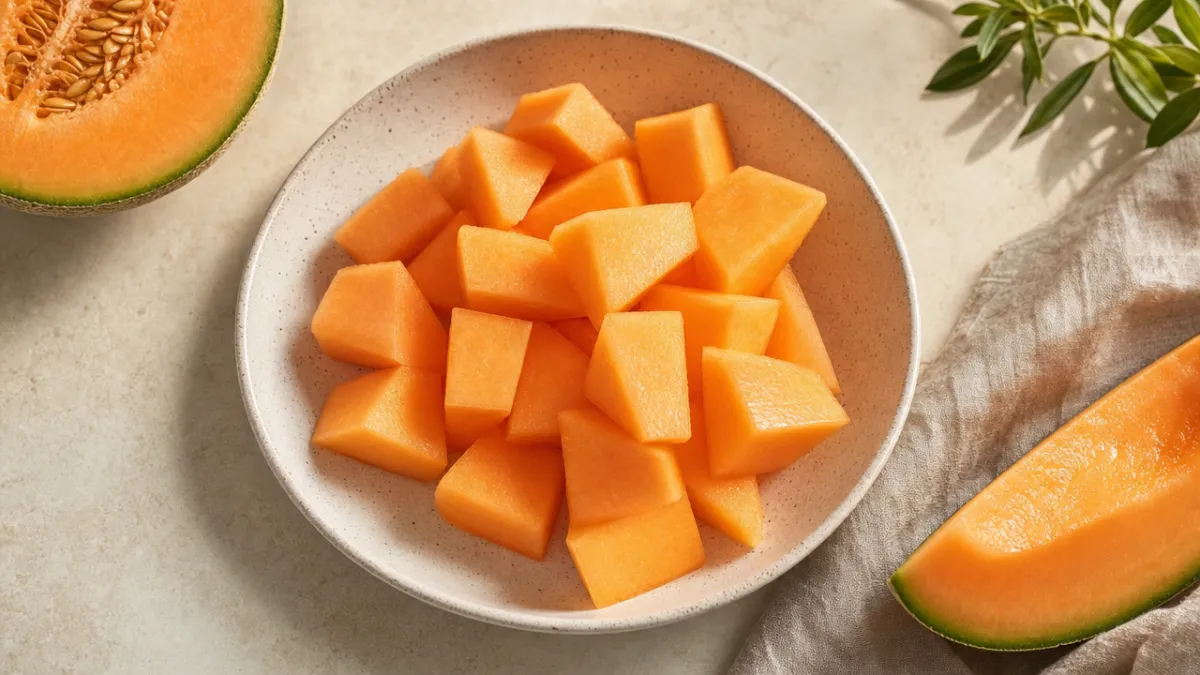
Commonly recommended as an easy-to-digest, fiber-gentle fruit during a flare-up, alongside melons and well-cooked, peeled vegetables.
In remission
Generally well tolerated at any ripeness in remission; no special preparation needed.
What the research says about banana and UC
Bananas show up in nearly every flare-friendly food list, and the two sources behind this page agree. Cleveland Clinic's nutrition guidance for Crohn's disease and ulcerative colitis puts bananas among the low-fiber, easy-to-digest fruits it suggests reaching for when the bowel is inflamed, grouping them with melon and cooked, peeled produce. Crohn's & Colitis UK's Food guide takes a similar line: when a flare calls for a lower-fiber approach, soft fruit without tough skins or seeds tends to be easier on the gut, and bananas are the standard example. Neither source presents a banana-specific trial in UC patients. The recommendation rests on texture and fiber type rather than on a study that fed bananas to people with colitis and measured what happened.
Ripeness is worth a note the guidance mostly skips. A green banana is heavier in resistant starch, which ferments in the colon and can add gas for some people, while a spotted, fully ripe one has converted most of that starch to simple sugars and is softer to chew. That distinction comes from general food science rather than from either cited organization. Potassium is the other reason bananas get recommended: both sources emphasize replacing fluid and minerals during diarrhea, and a banana is a convenient, palatable way to do part of that job.
If you have Crohn's instead of UC
I have UC, not Crohn's, so this part is research rather than experience.
With Crohn's, bananas usually stay on the menu, and a stricture tends to make them more useful rather than less. Crohn's & Colitis UK names bananas, along with melons and fruit juice, as easier-to-digest fiber sources for people with a narrowed bowel. Cleveland Clinic's low-fiber list includes them among soft fruits without skin or seeds. A ripe banana leaves no peel or seeds to swallow, and it mashes smooth, so little is left to snag at a tight spot.
There is one Crohn's-specific wrinkle. A 2023 systematic review of stricturing Crohn's in Frontiers in Nutrition reports that experts suggest limiting insoluble fiber while favoring soluble fiber and resistant starch, an idea it says still needs study. Firmer, greener bananas hold more resistant starch, which is interesting in that context, though the gas they can bring during a flare still applies.
Based on: Crohn's & Colitis UK; Cleveland Clinic; National Institutes of Health (PMC), from Frontiers in Nutrition 2023. More on how Crohn's and UC diets differ.
Ways to make it gentler
- Riper bananas are softer and easier to digest than firm, under-ripe ones
How I handle banana
Bananas are my default fruit on a rough day because they need zero preparation and nothing about them fights back. I keep a bunch on the counter and let them ripen past the point most people would eat them, since the soft, spotted ones go down easiest when my gut is touchy. On a flare day I will eat half a banana with breakfast rather than a whole one at once, simply because smaller amounts of anything feel kinder while things are inflamed. In remission I do not think about them at all. One thing I watch: if I am leaning on bananas because nothing else appeals, that is usually a sign I need to get real food in, not a sign that bananas are the problem.
How much, and how to test it
Half a medium banana, well ripened, is a sensible first portion during or right after a flare. Eat it on its own or with something already known to be fine, such as white toast or plain rice, so any reaction is easy to attribute. If the next day or two brings no extra urgency, cramping, or gas, move to a whole banana, then try a firmer, less ripe one if you prefer that texture. If bloating shows up, drop back to ripe halves for a few days before trying again.
What you get from banana
A medium banana brings roughly 100 calories, around 400 mg of potassium, some vitamin B6, and a decent amount of water. Potassium matters because repeated diarrhea drains it, and low potassium can leave you weak and crampy on top of everything else. The calories are easy, quick energy when appetite is poor and weight is slipping. Bananas contribute very little protein or iron, so they cannot cover those gaps alone.
Questions people ask about banana and UC
Are bananas good for colitis?
For most people with ulcerative colitis they are one of the easier fruits, especially when ripe. They are soft, low in the rough insoluble fiber that irritates an inflamed colon, and they replace some potassium lost to diarrhea. Good is a relative word, though: a banana is not a treatment, and a small number of people find the fermentable carbohydrate in very large or underripe bananas gassy.
Are bananas good for Crohn's disease too?
The reasoning carries over. Crohn's and UC guidance from the same organizations tends to treat bananas as a gentle flare fruit for both conditions, since the mechanism is about soft texture and low residue rather than anything specific to the colon. People with Crohn's who have strictures are usually told to be more careful with fiber generally, so it is worth checking with your own team about how much fruit fits.
Can I eat bananas during a flare-up?
Commonly, yes. Bananas are among the few fresh fruits that stay on most flare lists rather than coming off them. Choose ripe ones, start with small amounts, and pair them with other bland foods. If you notice extra bloating, the fermentable carbohydrate in bananas may be a factor for you, and a short break followed by a smaller portion is a reasonable next step.
Does ripeness change how a banana affects UC?
Many people find it does. Green or firm bananas contain more resistant starch, which reaches the colon undigested and ferments there, which can mean gas and looser stools during a flare. Fully ripe, spotted bananas have converted that starch into sugars and are softer to break down. If bananas seem to bother you, switching to riper fruit is an easy first change before giving them up.
Is banana a good fruit for a low-fiber Crohn's diet?
It is one of the fruits that most often survives the cut. When a gastroenterologist or dietitian suggests less fiber because of a narrowing, bananas usually remain, and Crohn's & Colitis UK adds that drinking plenty of fluid at mealtimes helps on a stricture diet. Cleveland Clinic describes low-fiber eating as usually temporary, with fiber added back slowly once it is no longer needed. Bananas often act as a bridge back toward a wider range of fruit rather than the only fruit for good.
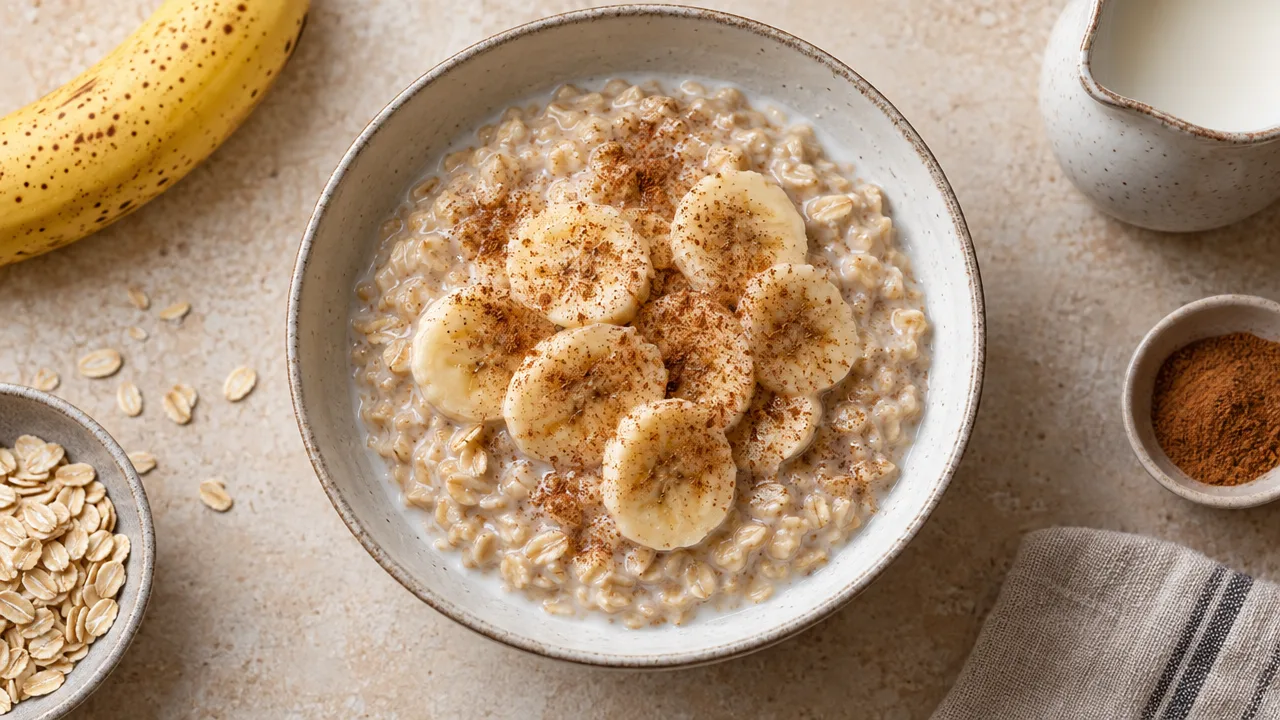
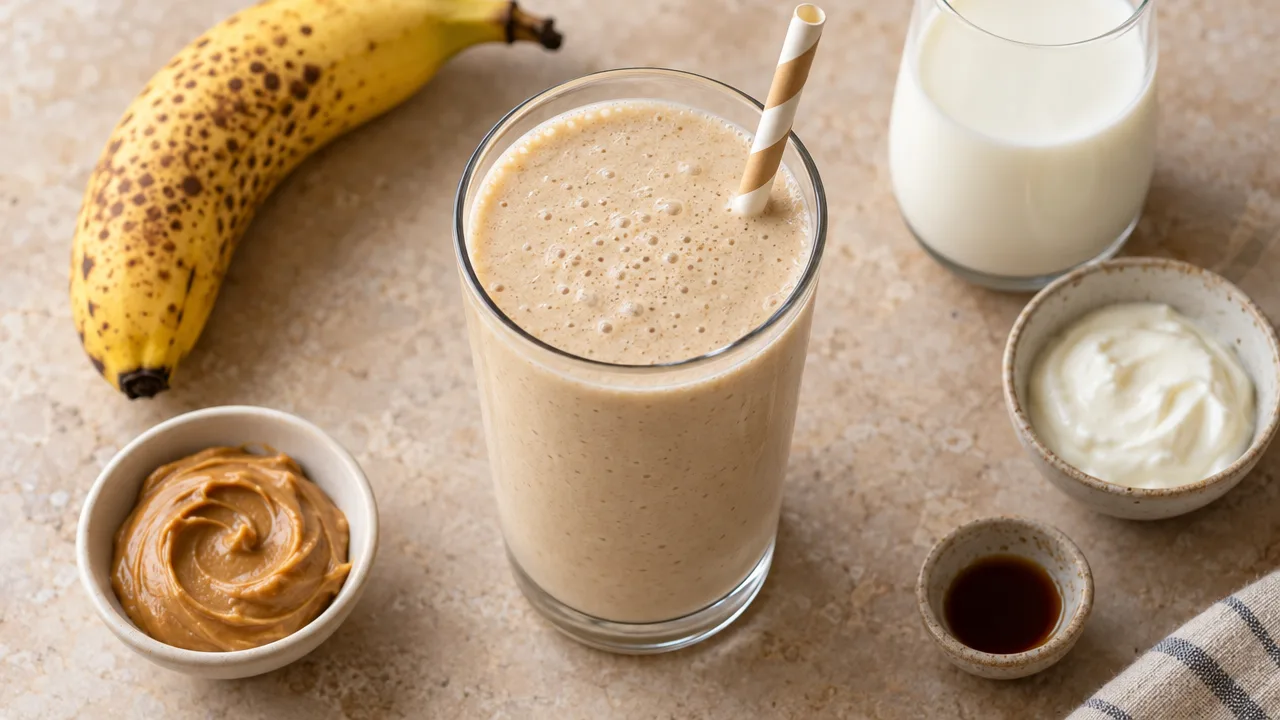
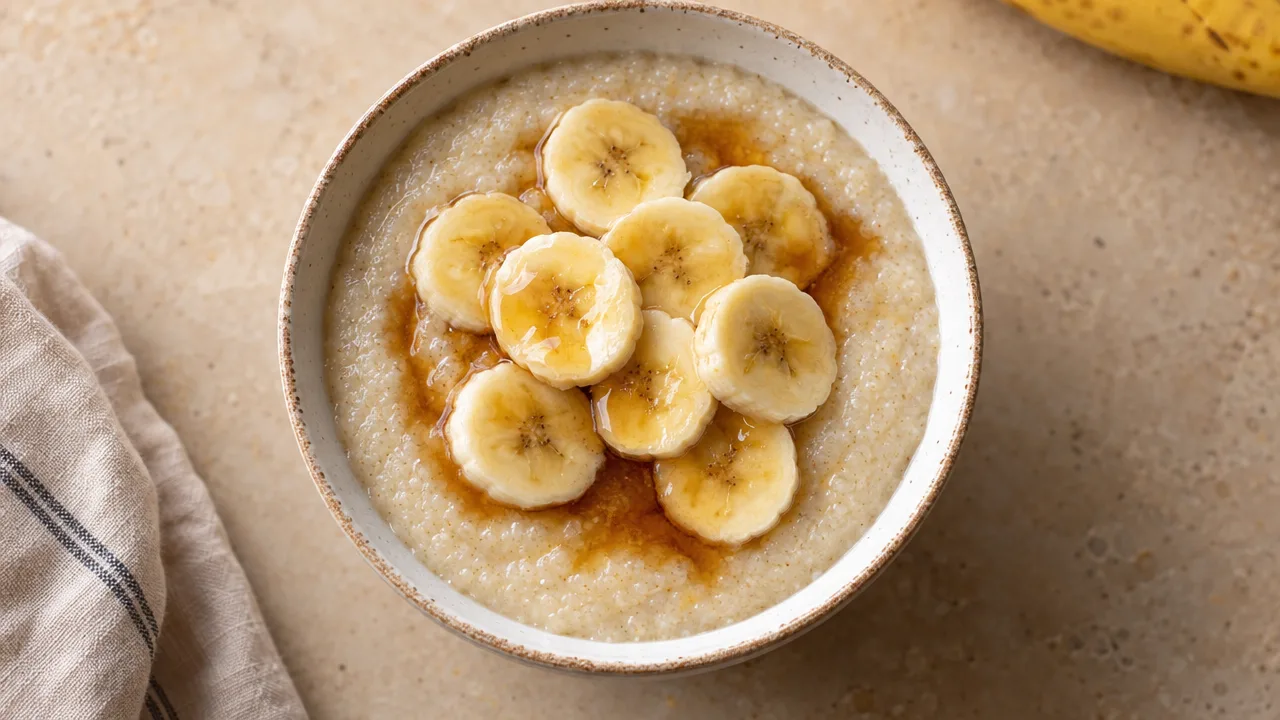
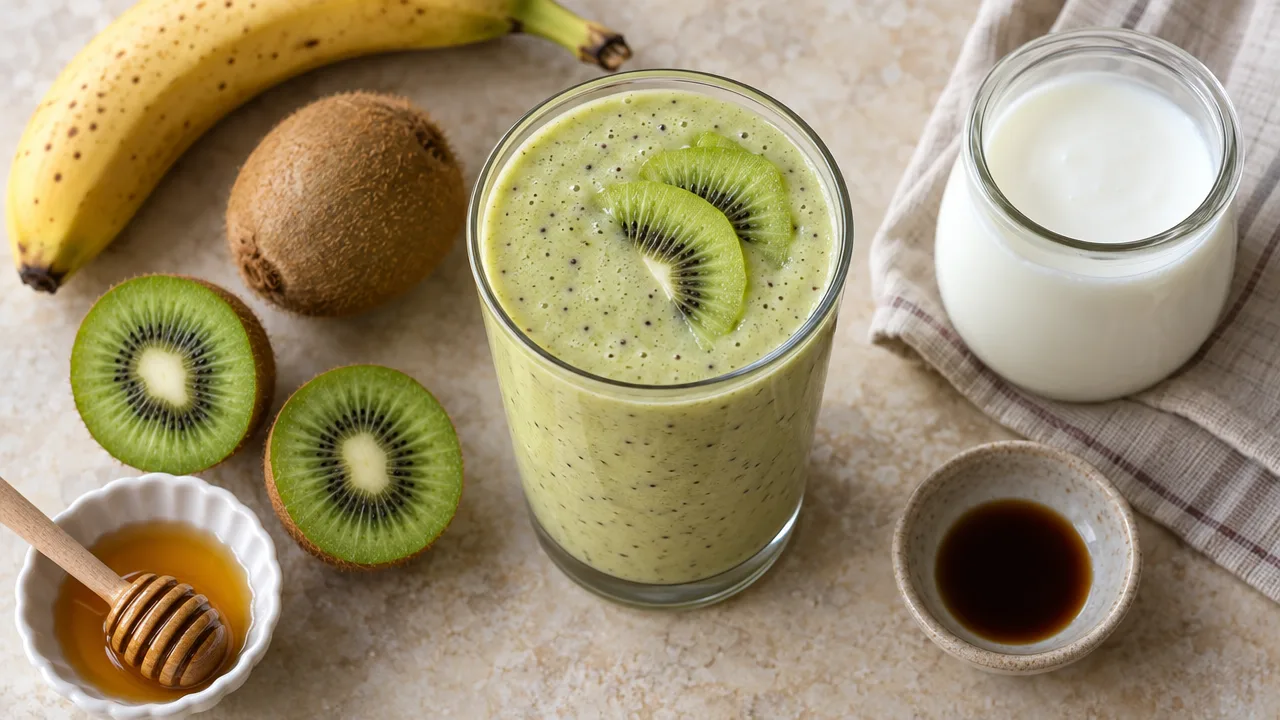
Recipes that use banana
Sources
- A Nutritional Plan for Anyone Living With Crohn's Disease or Ulcerative Colitis (Cleveland Clinic)
- Food: Your Guide (booklet, ed. 9) (Crohn's & Colitis UK)
- Food and Crohn's or Colitis (Crohn's & Colitis UK)
- How To Follow a Low-Fiber Diet (Cleveland Clinic)
- Nutritional interventions in adult fibrostenotic Crohn's disease: A systematic review (National Institutes of Health (PMC), from Frontiers in Nutrition 2023)
Written by Jude Horak, a UC patient. Sources last checked 2026-08-12. Spotted an error? Tell me.