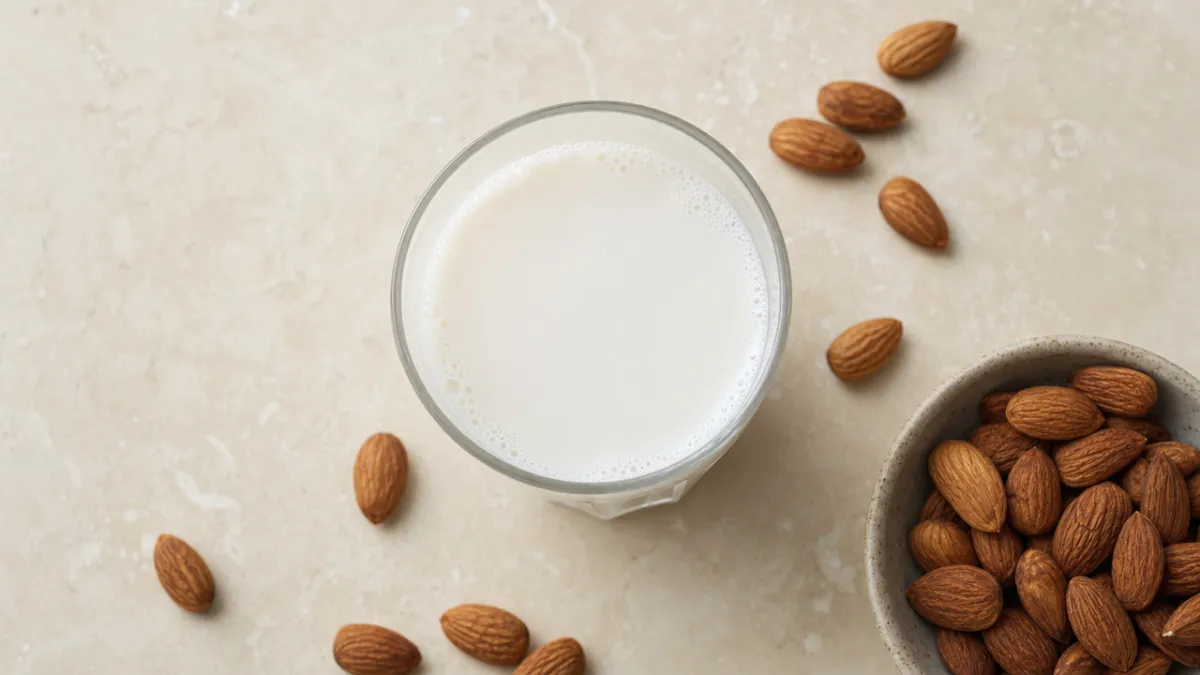
Can I drink lactose-free milk with ulcerative colitis?
By Jude Horak, UC patient. Sources checked 2026-08-12.
Also searched as: lactaid milk, low-lactose milk.
Have Crohn's instead? Jump to the Crohn's notes

Lactose-free milk has had the lactose pre-broken down by added lactase, so it delivers the same protein, calcium, and vitamin D as regular milk without the sugar that causes gas, bloating, and diarrhea in people with lactose intolerance. Because inflammatory bowel disease can itself damage the small intestine and reduce lactase production, lactose-free milk is a practical way to keep calcium and vitamin D intake up without triggering intolerance symptoms.
During a flare
Generally well tolerated during flares if regular milk causes symptoms, since the lactose trigger has been removed; fat content is unchanged, so very rich versions may still not sit well for everyone.
In remission
A straightforward substitute in remission for anyone who has confirmed lactose is their issue rather than dairy itself.
What the research says about lactose-free milk and UC
Cleveland Clinic's self-care guide for lactose intolerance describes lactose-free milk as ordinary cow's milk treated with the lactase enzyme, which splits lactose into glucose and galactose before you drink it, leaving protein, calcium, and vitamin D unchanged. The slightly sweeter taste people notice comes from those simple sugars registering as sweeter than lactose. The NHS page on lactose intolerance adds the piece most relevant here: it lists inflammatory bowel conditions among the causes of secondary lactose intolerance, where damage to the small intestine lining temporarily lowers lactase output, and it notes that this form can improve once the underlying condition is under control.
Monash FODMAP's write-up on lactose and dairy confirms that lactose-free milk counts as low FODMAP at a standard serving, because lactose is the only FODMAP in milk and it has been removed. None of these three sources ran a trial of lactose-free milk in people with ulcerative colitis specifically. The rating on this page rests on the logic that lactose is the most common dairy trigger in IBD and that removing it removes the trigger, plus the general point that the fat and protein in milk are unaffected. Anyone who reacts to milk proteins rather than lactose would not expect relief from switching.
If you have Crohn's instead of UC
I have UC, not Crohn's, so this part is research rather than experience.
Lactose-free milk tends to earn a bigger place in a Crohn's diet than in a UC one, specifically when the small bowel is involved. That is the group where a 2016 meta-analysis in Nutrition Journal found lactose maldigestion more likely, so a carton with the milk sugar already split addresses a problem they are more prone to. It keeps the protein and calcium that often disappear when someone gives up dairy altogether, and the same review warned that dairy restriction may take a toll on bone health.
It also fits around a stricture. Cleveland Clinic's low-fiber guide, which covers people with narrowed bowel, counts dairy among its lower-fiber choices. A glass of milk carries none of the peels, seeds or whole grains that the same guide lists as foods to avoid, so texture is not the concern it is with rougher foods.
Based on: National Institutes of Health (PMC), from Nutrition Journal 2016; Cleveland Clinic; Cleveland Clinic. More on how Crohn's and UC diets differ.
Ways to make it gentler
- Choose fortified versions for calcium and vitamin D
How I handle lactose-free milk
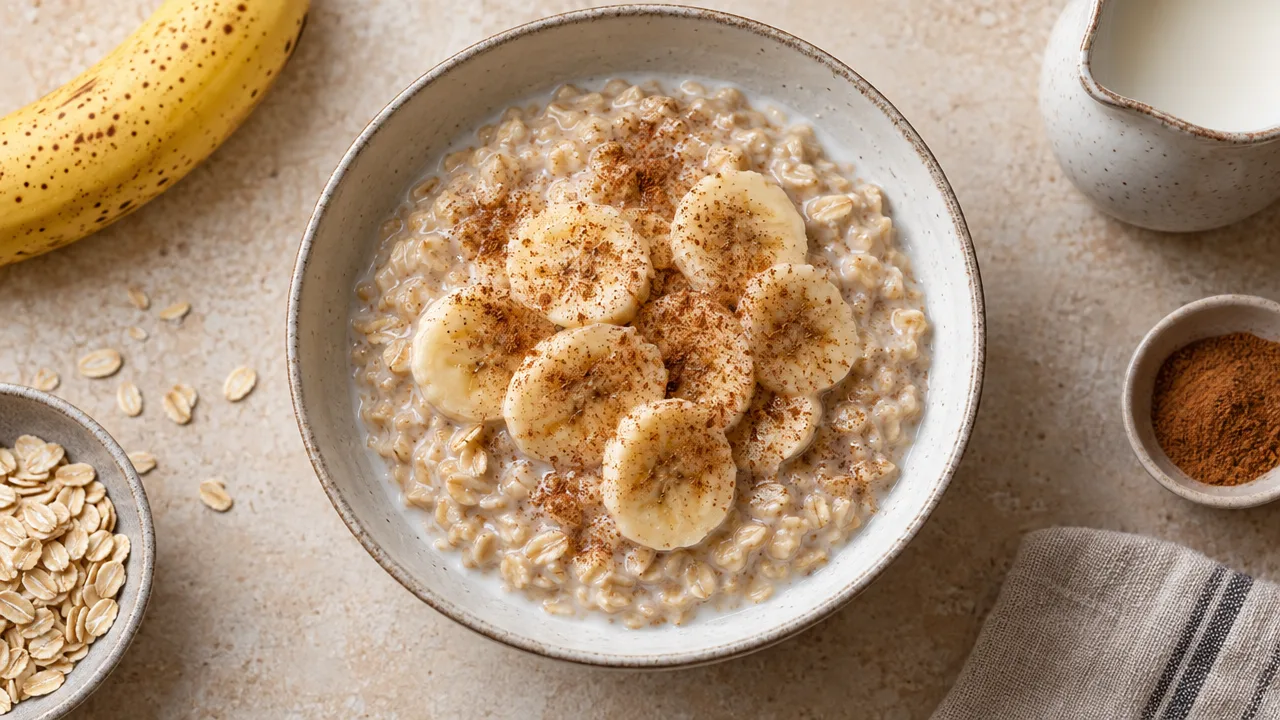
The carton in my fridge is lactose-free, and that is a deliberate choice. My reasoning is simple: I would rather not spend a rough week wondering whether milk or the disease is behind it, so I remove the variable and keep the nutrition. I use it in coffee, on oats, and in anything that calls for milk in cooking, and I have not found a recipe where it behaves differently. During a flare I stay with 2 percent or lower fat because rich, creamy anything tends to sit heavier for me, and lactose-free whole milk is still whole milk. The one thing I check on the label is whether calcium and vitamin D are listed, since store brands vary. I treat it as a bridge back to regular milk rather than a permanent verdict, and retest plain milk now and then when I am well.
How much, and how to test it
Begin with a cup at a meal, which is a larger starting point than for regular milk because the main trigger has already been removed. If that goes well for a couple of days, use it freely. Should bloating or gas still show up, the culprit is more likely fat, portion size, or something else eaten alongside, so try a lower-fat version before blaming the milk. Note stool frequency and any cramping across the next day. If symptoms follow every lactose-free serving too, raise the possibility of a milk-protein issue with your dietitian.
What you get from lactose-free milk
Think of it as milk with the sugar pre-split: about 8 grams of protein, roughly 300 milligrams of calcium, and vitamin D in fortified brands per cup. Keeping those in the diet matters when steroid courses raise the risk of bone loss, and when appetite and food variety shrink during a flare. The glucose and galactose left behind are absorbed easily, so lactose-free milk still provides fluid and quick energy on days when solid food feels like too much.
Why this one shows up on trigger lists
Lactose-Free Milk is flagged for one of the properties that most commonly cause UC symptoms. Each page explains the mechanism and lists every other food that carries it.
Questions people ask about lactose-free milk and UC
Can lactose-free milk still cause bloating or gas?
It can, though usually not because of lactose. Common reasons are the fat content in whole-milk versions, drinking a large glass quickly, or reacting to milk proteins rather than milk sugar. Some brands add stabilizers such as carrageenan or gellan gum, which a few people report noticing. If you still bloat on lactose-free milk, try a lower-fat brand with a short ingredient list before giving up on dairy entirely.
Can I drink lactose-free milk with colitis?
For most people with ulcerative colitis, yes, and it is often the easiest dairy to keep during a flare because the sugar that ferments in the colon has been removed. It works in coffee, cereal, smoothies, and cooking without changing the recipe. If dairy fat is also a problem for you during active symptoms, choose the 1 percent or skim version.
Does lactose-free milk cause inflammation?
The cited sources do not show lactose-free milk causing inflammation, and the broader dairy evidence in IBD does not support the idea that milk itself worsens disease activity. The symptoms people attribute to milk are usually lactose fermentation, which does not apply here. Someone with a true cow's milk protein allergy is a different case and would react to lactose-free milk just as much as regular milk.
Can you drink lactose-free milk if you are not lactose intolerant?
Yes. It is ordinary milk with one enzyme added, so there is no downside to drinking it if you digest lactose fine, apart from a slightly sweeter taste and a higher price. Many people with ulcerative colitis use it as a default during flares to avoid guesswork, then move back to regular milk when they are well and want to confirm they still tolerate it.
Does dairy calcium matter for kidney stones in Crohn's disease?
It can for people with enteric hyperoxaluria, where a gut condition such as Crohn's leads the body to absorb excess oxalate, according to Cleveland Clinic. Kidney stones are usually the first sign. Calcium binds oxalate, and eating calcium-rich foods with meals is part of its diet advice. This mostly concerns people with fat malabsorption or an ileal resection rather than typical UC. For someone who dropped regular milk because of lactose, lactose-free milk at mealtimes keeps that calcium in the picture. Your gastroenterologist can say whether oxalate is a concern for you.
Recipes that use lactose-free milk


Sources
- Self-Care Guide for Living With Lactose Intolerance (Cleveland Clinic)
- Lactose intolerance (NHS)
- Lactose and dairy products on a low FODMAP diet (Monash FODMAP)
- Systematic review and meta-analysis of lactose digestion, its impact on intolerance and nutritional effects of dairy food restriction in inflammatory bowel diseases (National Institutes of Health (PMC), from Nutrition Journal 2016)
- How To Follow a Low-Fiber Diet (Cleveland Clinic)
- Hyperoxaluria (Cleveland Clinic)
Written by Jude Horak, a UC patient. Sources last checked 2026-08-12. Spotted an error? Tell me.