Can I eat cream of wheat with ulcerative colitis?
By Jude Horak, UC patient. Sources checked 2026-08-12.
Also searched as: farina, wheat cereal porridge.

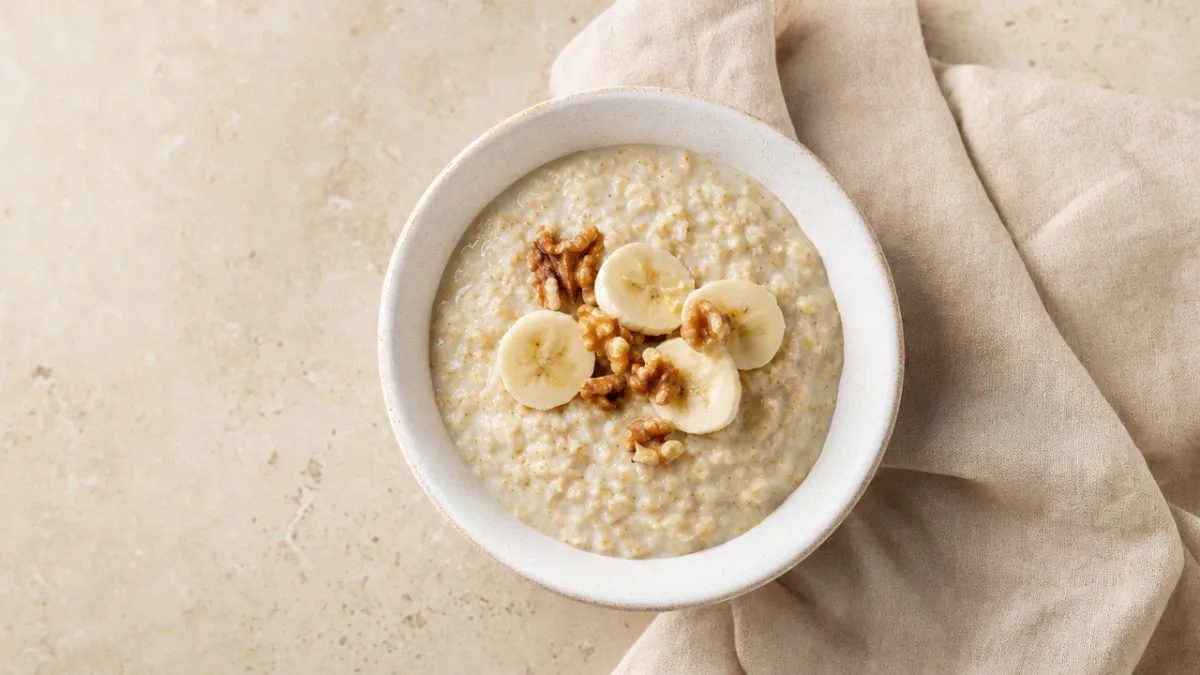
Cream of wheat (farina) is made from finely milled refined wheat, cooked into a smooth, soft porridge with very little fiber or texture. That combination of low fiber and easy-to-swallow consistency makes it a frequently recommended low-residue breakfast option.
During a flare
Often recommended as a gentle, low-fiber hot cereal during flares.
In remission
Well tolerated in remission; some people mix in oatmeal or whole-grain cereal for more fiber as symptoms allow.
What the research says about cream of wheat and UC
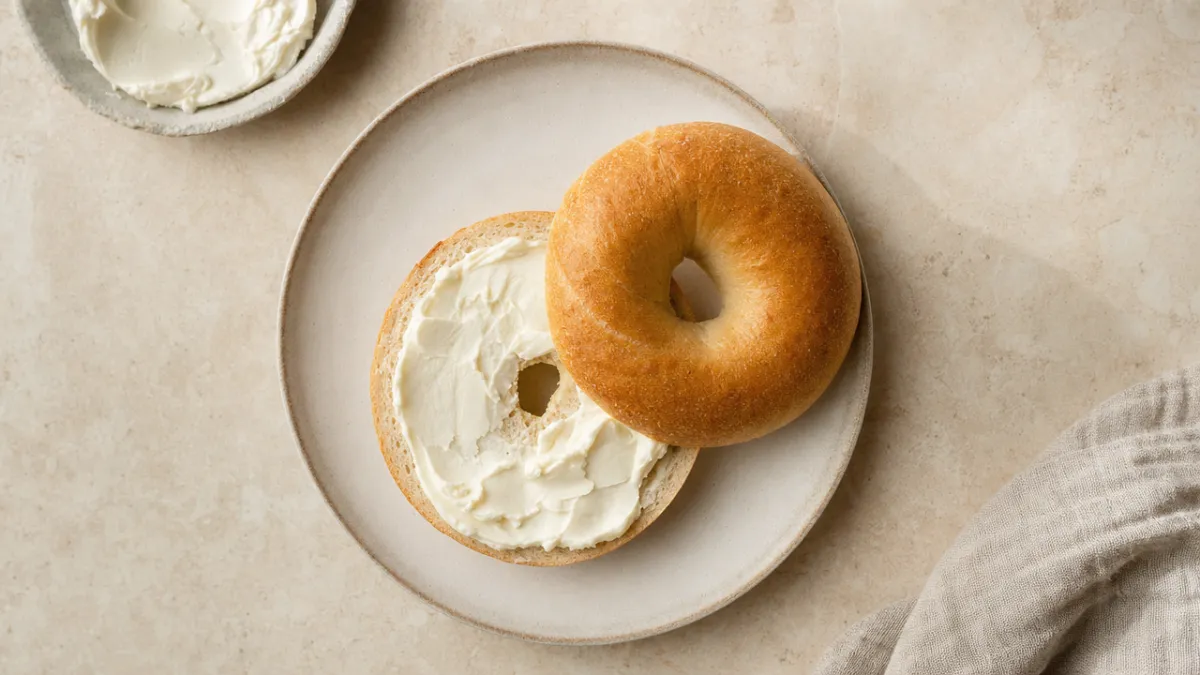
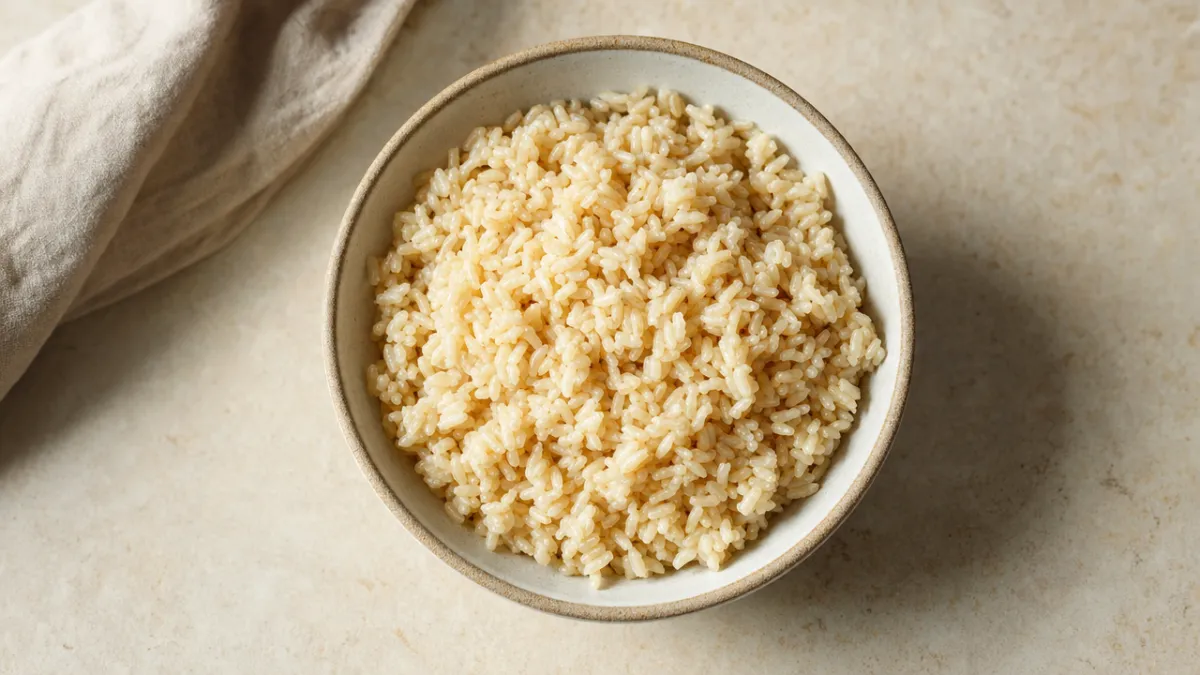
Farina, the milled wheat endosperm that cream of wheat is made from, is about as refined as a grain gets, yet neither cited source names it. The American Gastroenterological Association's patient page on fiber in IBD lists instant oatmeal, white rice, polenta, and white bread as grains that are usually well tolerated, and farina porridge is softer and lower in fiber than any of them. The AGA's emphasis on texture, especially when symptoms are active, is the strongest argument for a smooth cooked cereal with no chew at all.
Cleveland Clinic's ulcerative colitis diet guide names white rice and oats as easily digestible grains during a flare and suggests limiting insoluble fiber, which cream of wheat barely contains. It also flags dairy as a common trigger, which matters because farina is often cooked with milk. This page applies that refined-grain logic rather than citing product-specific evidence; no colitis trial of farina exists in either source. Searchers ask whether cream of wheat is inflammatory, and neither source suggests that. It contains gluten, relevant only when celiac disease is also present, and it is notably iron fortified, a point neither source raises but one that matters for anemia in UC.
Ways to make it gentler
- Cook it thin and smooth
- Skip nut or dried-fruit toppings during a flare
How I handle cream of wheat
Cream of wheat is my worst-day breakfast, the one I make when even oatmeal feels like too much texture. I cook it with water and a pinch of salt, thin enough to pour, and eat it warm with a little butter or a drizzle of honey. It goes down easily and stays down, which on some mornings is the whole goal. The iron fortification is a bonus I did not appreciate until I started reading labels; the original version carries a large share of a day's iron in one bowl, which is worth something when blood loss is part of the picture. I skip the flavored instant packets because the sugar load is high and the flavorings add variables I do not need. In remission I use it less, mostly because I prefer oatmeal's fiber, but I keep a box in the pantry as insurance and swirl a spoonful into oatmeal now and then for a smoother bowl.
How much, and how to test it
Three tablespoons of dry farina cooked in a cup of water, served plain with salt, is a sensible first bowl during a flare and is gentle enough that most people can start there. Note over the next day whether it sat comfortably, then vary one thing: cook it with milk if dairy is tolerated, add a teaspoon of honey or butter, or thicken it. Flavored instant packets are a later step because of their sugar. If it does cause trouble, which is uncommon, the milk or a topping is the more likely explanation than the farina.
What you get from cream of wheat
A serving of cooked cream of wheat runs about 120 to 130 calories with three to four grams of protein and a gram of fiber. Its standout feature is fortification: the original product supplies a large share of daily iron plus calcium and B vitamins, which speaks directly to the iron deficiency anemia that colitis bleeding often produces. Cooked with milk it adds calcium and protein, useful on steroids for bone health, though that depends on lactose tolerance. Potassium is low.
Questions people ask about cream of wheat and UC
Is cream of wheat inflammatory?
No, not in any sense the cited guidance recognizes. It is a refined wheat porridge, which is low in fiber and fat and is grouped with the gentlest flare foods. The inflammatory label sometimes attached to refined grains online refers to blood sugar effects over years, not to colon inflammation. It is not anti-inflammatory either. For UC it is a neutral, soft starch, and the fortified iron is a practical benefit.
Is cream of wheat good during a colitis flare?
It is one of the easiest breakfasts available during a flare. The particles are finer than oats, there is no chew, and it cooks into a smooth porridge that most people can eat even with low appetite or nausea. Cooked with water and a pinch of salt it is about as plain as food gets. Toppings and milk are the variables to add one at a time once the base bowl is clearly fine.
Cream of wheat or oatmeal, which is better for UC?
Both are commonly tolerated, so it comes down to phase and preference. Cream of wheat is smoother, lower in fiber, and more heavily iron fortified, which makes it the gentler pick on the worst days and a good choice when anemia is a concern. Oatmeal brings soluble fiber that can firm stool and support the gut in remission. Many people alternate, or stir some farina into oatmeal for a softer bowl.
Is cream of wheat good for gastritis too?
Gastritis is a stomach condition and this site is about colitis, so take this as context. A plain, warm, low-fat porridge is the kind of food that is typically easy on an irritated stomach, and cream of wheat made with water fits that profile. It is not acidic or spicy. Flavored packets with a lot of sugar, or bowls loaded with butter, are the versions more likely to bother a sensitive stomach.
Recipes that use cream of wheat
Sources
- The Ulcerative Colitis Diet: What To Eat and Avoid (Cleveland Clinic)
- Inflammatory bowel disease (IBD): Role of fiber (American Gastroenterological Association)
Written by Jude Horak, a UC patient. Sources last checked 2026-08-12. Spotted an error? Tell me.