Cottage Cheese with Broiled Pineapple
By Jude Horak, UC patient. Remission. Snack.
- Prep
- 5 min
- Cook
- 5 min
- Total
- 10 min
- Serves
- 1

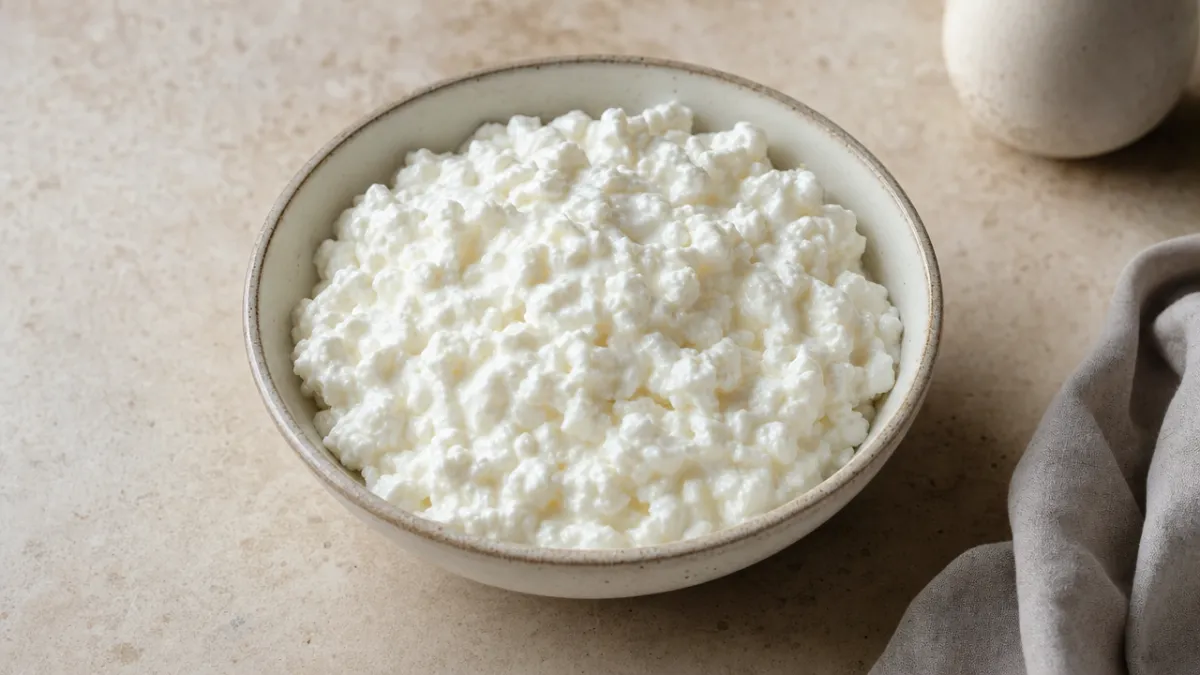
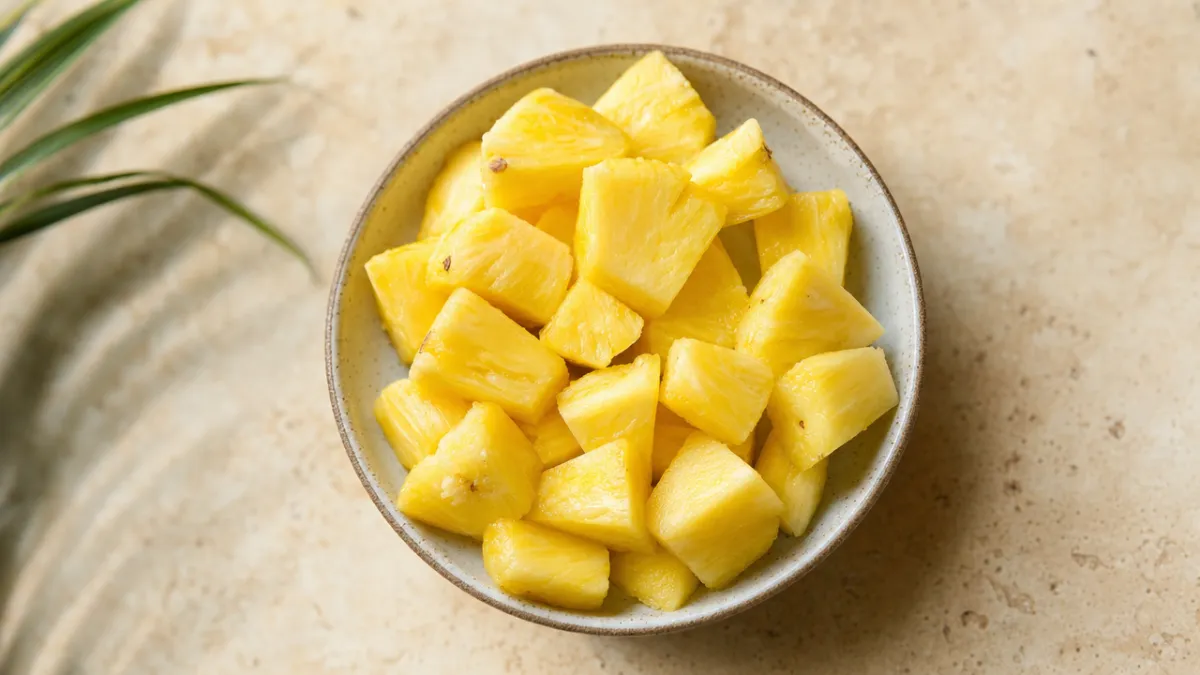
Cottage cheese and pineapple is a diner classic and it has become my go-to afternoon snack now that dairy is back in play. Cottage cheese has more lactose than the aged cheeses I tested first, so it came later, in a half-cup serving, and I still check the label for the lactose-free version when I am not sure how things are sitting. Pineapple was a fresh fruit I was cautious about because of its fibrous core and the acidity, but the flesh cut away from the core is soft, and a few minutes under the broiler concentrates the sweetness and softens it further. That step is optional, and on a lazy afternoon I use canned pineapple in juice straight from the can, but the broiled version tastes like dessert. A teaspoon of honey and a few torn mint leaves finish it. It comes together in under ten minutes, most of which is the broiler, and it delivers more protein than most snacks I can think of.
Why it works for UC
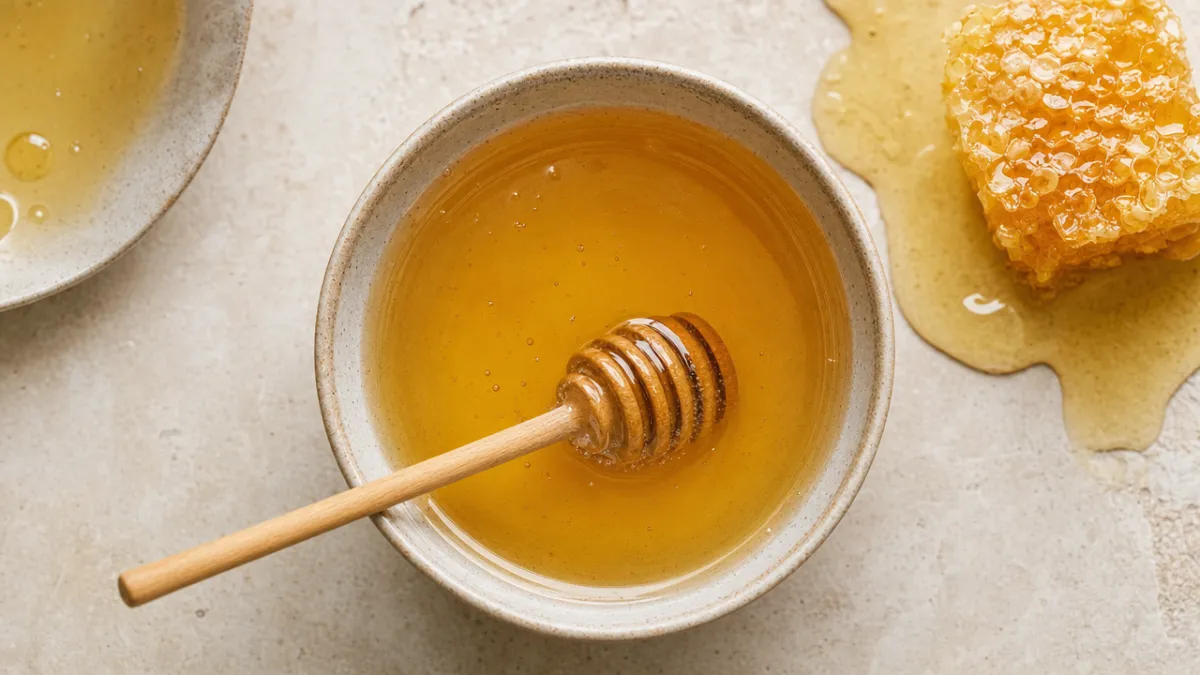
Cottage cheese is a high-protein dairy food with more lactose than hard cheese, which is why it is a remission food rather than a flare staple; keeping the serving to about 3/4 cup and choosing a lactose-free version if needed keeps it comfortable. Pineapple is a low-FODMAP fruit whose issue is the tough fibrous core rather than the flesh, and cutting the core out, plus a few minutes of heat, softens what remains. Honey is used at a teaspoon so the fructose stays small and it is eaten with protein rather than alone, which is how I have found sweet things sit best.
Ingredient pages: Cottage Cheese, Pineapple, Honey
Ingredients
- 3/4 cup cottage cheese, 2% or 4%, lactose-free if needed
- 1 cup fresh pineapple, cut into 1/2-inch chunks with the core removed (or 1/2 cup canned in juice, drained)
- 1 teaspoon honey
- Pinch of ground cinnamon
- 4 fresh mint leaves, torn
- Small pinch of flaky salt
Method
- 1Set an oven rack about 4 inches below the broiler and heat the broiler to high. Line a small sheet pan with foil. If using fresh pineapple, cut away the skin, quarter it lengthwise, and slice off the tough core from each quarter before cutting into chunks.
- 2Spread the pineapple on the pan in a single layer and broil for 4 to 6 minutes, turning once, until the edges are browned and the juices are bubbling. Canned pineapple works the same way; pat it dry first so it browns instead of steaming.
- 3While the pineapple broils, spoon the cottage cheese into a bowl. If it seems watery, let it sit in a fine mesh strainer for 2 minutes first so the fruit does not turn it soupy.
- 4Pile the warm pineapple over the cottage cheese, drizzle with the honey, and finish with the cinnamon, mint and salt. Eat while the pineapple is still warm against the cold cheese; the contrast is the whole point.
Tips and swaps
- Flare version: swap the pineapple for drained canned peaches, use lactose-free cottage cheese or a smaller portion of plain Greek yogurt instead, and skip the honey. That is a snack I could manage most days.
- Skip the broiler entirely when you want this fast. Room temperature fresh pineapple or drained canned pineapple is fine; the broiling just makes it richer.
- Cottage cheese curd size is a texture preference, not a tolerance issue. Small curd blends more with the fruit; large curd stays distinct.
- Sodium in cottage cheese runs high, around 400 mg per half cup. The salt at the end is a few flakes for contrast, not a real seasoning, and you can leave it out.
What a serving gives you
Three-quarters of a cup of cottage cheese delivers around 18 grams of protein and a good amount of calcium, which makes this one of the highest-protein snacks I eat, useful on days when meals are small. Pineapple adds vitamin C and a little fiber, about 2 grams for a cup of chunks. Fat depends on the cottage cheese you pick; 2% keeps it near 4 grams. The honey adds about 20 calories of sugar, which is why it stays at a teaspoon.
Questions about this recipe
Is cottage cheese OK if I am lactose intolerant?
Regular cottage cheese has more lactose than hard cheeses like cheddar, though less than a glass of milk, so it depends on how sensitive you are. Lactose-free cottage cheese is widely available now and tastes identical, so that is the simple answer. Plain Greek yogurt is a lower-lactose alternative with a similar protein count. I use the lactose-free version whenever I am uncertain, and regular cottage cheese only when things have been quiet for a while.
Does the acidity of pineapple cause problems?
Pineapple is acidic and contains bromelain, an enzyme that can leave your tongue tingly, and both of those can be noticeable when the gut is irritated, which is why fresh pineapple sits in the caution column during a flare. In remission a cup of the flesh is usually fine, especially eaten with cottage cheese rather than on its own. Broiling mellows the acidity somewhat, and canned pineapple in juice is milder still. Start with half a cup if you are unsure.