Avocado and Jammy Egg on Whole Wheat Toast
By Jude Horak, UC patient. Remission. Breakfast.
- Prep
- 5 min
- Cook
- 10 min
- Total
- 15 min
- Serves
- 1
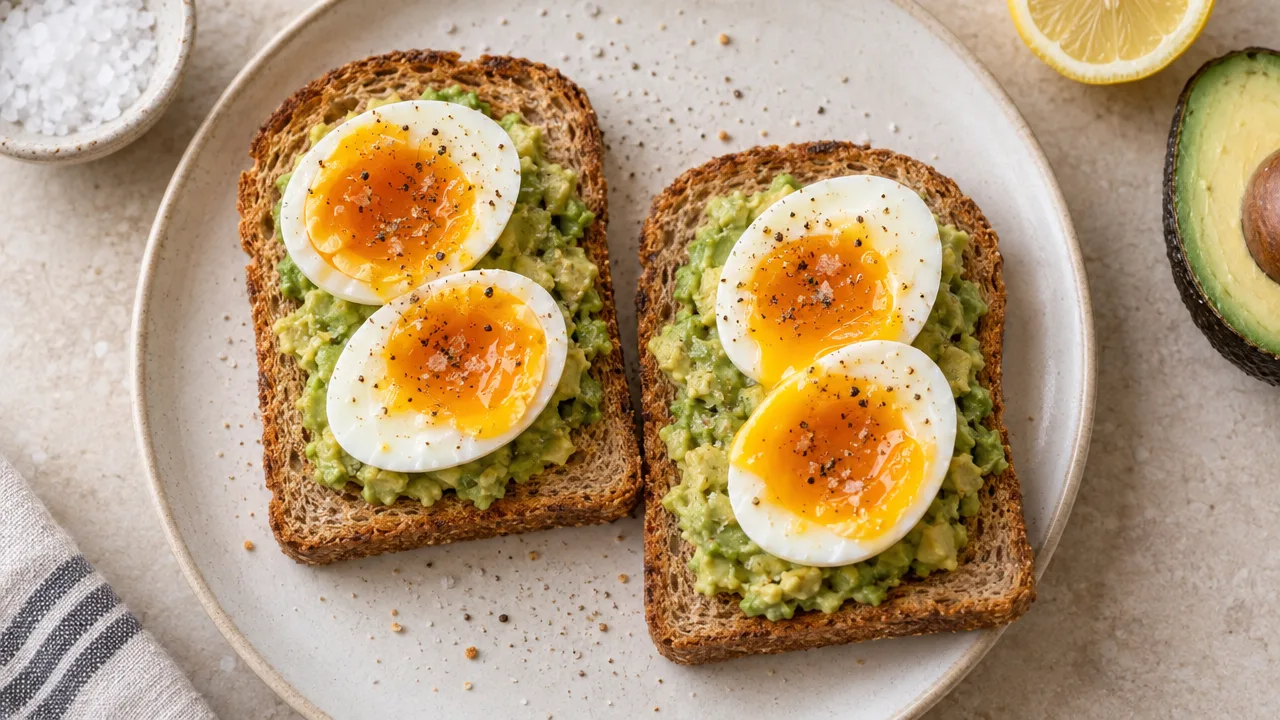
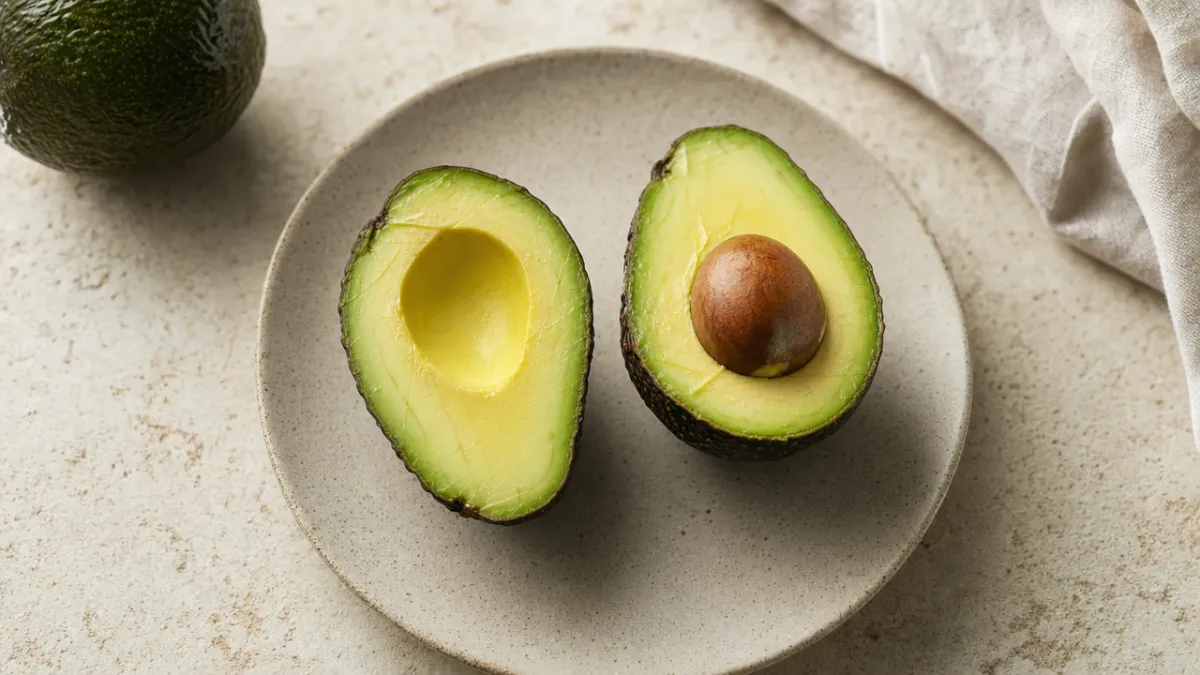
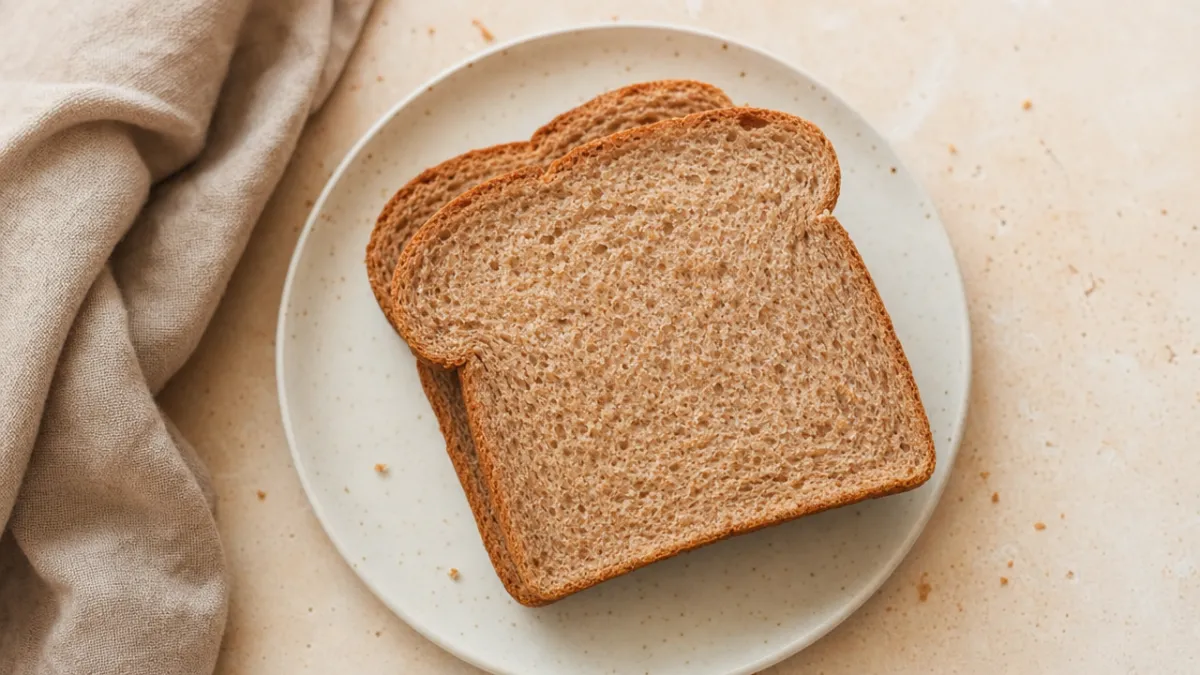
Whole wheat bread was one of the last everyday foods I brought back after switching to white toast and sourdough during my flare. The first few times I made this, I used one slice of whole wheat and one of white, which sounds fussy but let me test the extra fiber without committing to a full serving. Avocado was already a friend by then because it is soft, filling and easy to digest even when little else is, and a jammy egg with a barely set yolk turns the whole thing into a proper meal. The timing is the only technique that matters: six and a half minutes in boiling water gives a yolk that is thick and spoonable rather than runny or chalky. I mash the avocado with lemon and salt rather than slicing it, partly because mashed avocado is easier on digestion and partly because it stays put on the toast. This is about a ten-minute breakfast and it is the one I make most often on weekdays when I am eating well.
Why it works for UC
Avocado is high in unsaturated fat and very low in insoluble fiber, which is why it is one of the few fruits that shows up on flare lists as well as remission ones; mashing it makes it even easier to break down. Eggs cooked soft are gentle protein with no added fat needed. Whole wheat bread is the piece that makes this a remission recipe: its bran and germ add insoluble fiber that many of us set aside during a flare in favor of white bread or sourdough. Toasting it dries the crumb slightly and, for a lot of people, makes it a little easier to handle than fresh bread.
Ingredient pages: Avocado, Eggs, Whole Wheat Bread
Ingredients
- 2 large eggs, cold from the fridge
- 2 slices whole wheat bread
- 1/2 ripe avocado
- 1 teaspoon fresh lemon juice
- 1/4 teaspoon salt, plus a pinch for the eggs
- 1 tablespoon finely chopped chives
- Freshly ground black pepper, to taste
- 1 teaspoon extra-virgin olive oil (optional, for finishing)
Method
- 1Bring a small saucepan of water to a rolling boil. Lower the cold eggs in with a spoon, set a timer for 6 1/2 minutes, and keep the water at a steady simmer rather than a hard boil so the shells do not crack.
- 2While the eggs cook, fill a bowl with ice water. When the timer goes off, move the eggs straight into the ice bath for 2 minutes. This stops the cooking at the jammy stage and makes them far easier to peel.
- 3Toast the whole wheat bread until it is firm and golden, about 3 to 4 minutes in a toaster. A well-toasted slice holds up under the avocado without going soggy.
- 4Scoop the avocado into a small bowl, add the lemon juice and the 1/4 teaspoon salt, and mash with a fork until mostly smooth with a few small pieces. Spread it edge to edge over both slices while the toast is still warm.
- 5Peel the eggs under a trickle of running water, starting from the wider end where the air pocket is. Halve each one and set the halves cut side up on the avocado. Finish with a pinch of salt on the yolks, chives, black pepper and the olive oil if using.
Tips and swaps
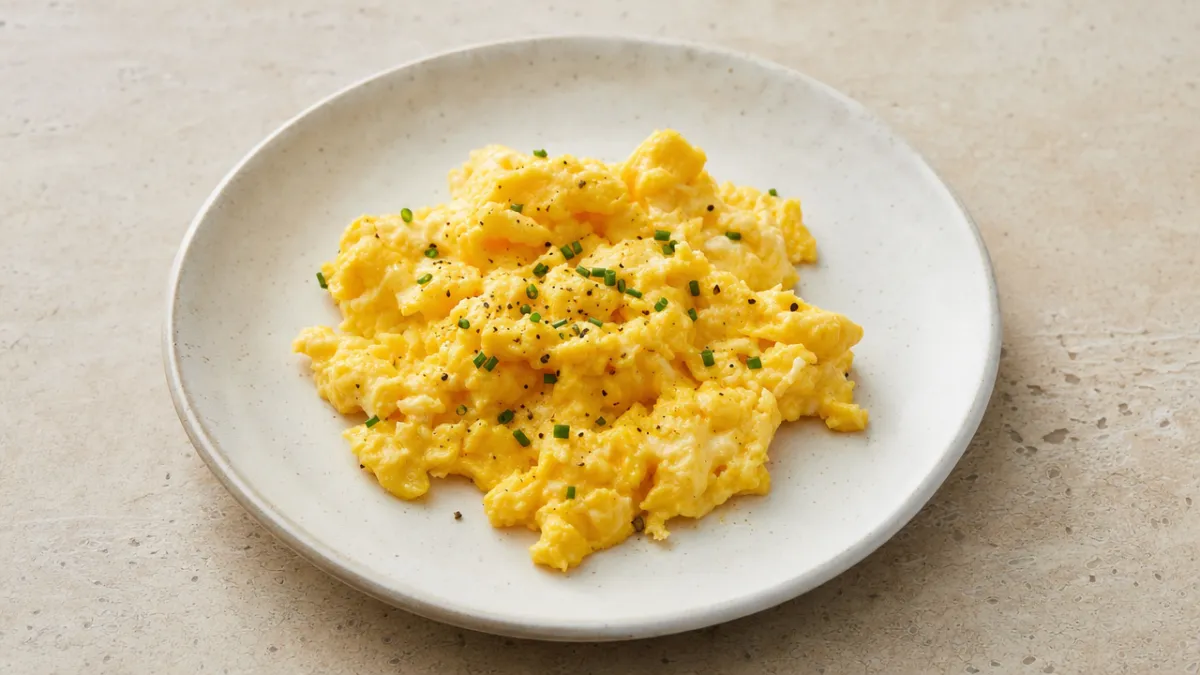
- Flare version: use white or sourdough bread, scramble the eggs soft instead of boiling, and keep the avocado to two tablespoons. I found that fat, even the avocado kind, is easier in smaller amounts when things are unsettled.
- A ripe avocado gives slightly under gentle thumb pressure at the stem end. Rock-hard ones mash into lumps and overripe ones taste flat, so plan a day or two ahead if the store only has firm fruit.
- For a runnier yolk, pull the eggs at 6 minutes; for fully set, go to 9. I stay at 6 1/2 because a set yolk is easier to eat neatly and, in my experience, a little easier to digest than a raw one.
- Whole wheat bread varies a lot in fiber. A softer sandwich loaf around 2 to 3 grams of fiber per slice is where I started before moving to denser seeded loaves, which I still treat with caution.
What a serving gives you
This plate comes in around 20 grams of protein from the two eggs and roughly 6 grams of fiber, split between the whole wheat bread and the avocado. Most of the fat is the unsaturated kind from the avocado. For me the useful part is the combination: fiber from a whole grain paired with protein and fat that slow digestion, so the toast does not hit an empty stomach on its own. That pairing is a big part of how I reintroduce fiber without surprises.
Questions about this recipe
Can I use sourdough or white bread instead of whole wheat?
Absolutely, and that is what I recommend if whole grains are still new for you or if you are anywhere near a flare. Sourdough is long-fermented, which breaks down some of the wheat components that bother people, and white bread has the bran removed so it is lower in fiber. The recipe works the same way on either. Whole wheat is a remission upgrade, not a requirement, and the avocado and egg are doing most of the nutritional work anyway.
Does the avocado brown if I prepare this ahead?
Mashed avocado starts to darken within about half an hour once it meets air, and the lemon juice slows that but does not stop it. I do not prepare this in advance. What I do instead is boil a few extra eggs on Sunday and keep them peeled in a covered container with a little water in the fridge for up to three days, so on a weekday the only work left is toasting and mashing, about four minutes total.