Soft Scrambled Eggs on White Toast
By Jude Horak, UC patient. Flare-friendly. Breakfast.
- Prep
- 5 min
- Cook
- 8 min
- Total
- 13 min
- Serves
- 1
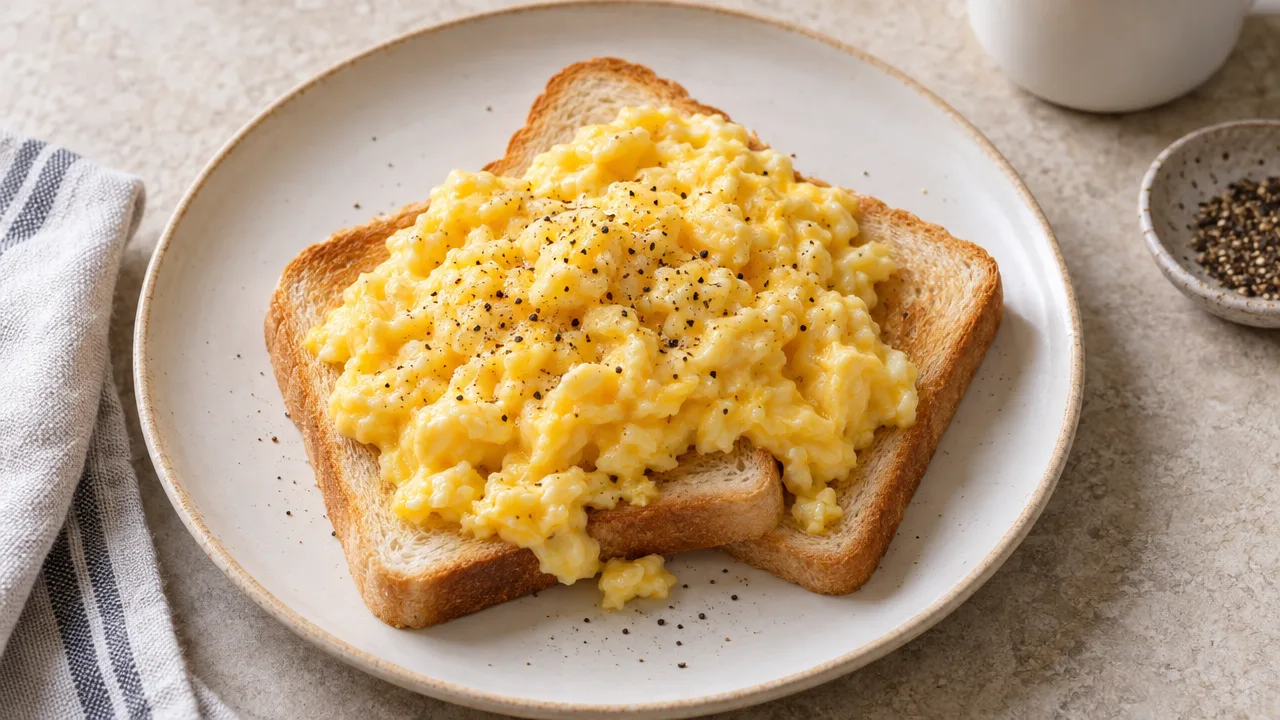
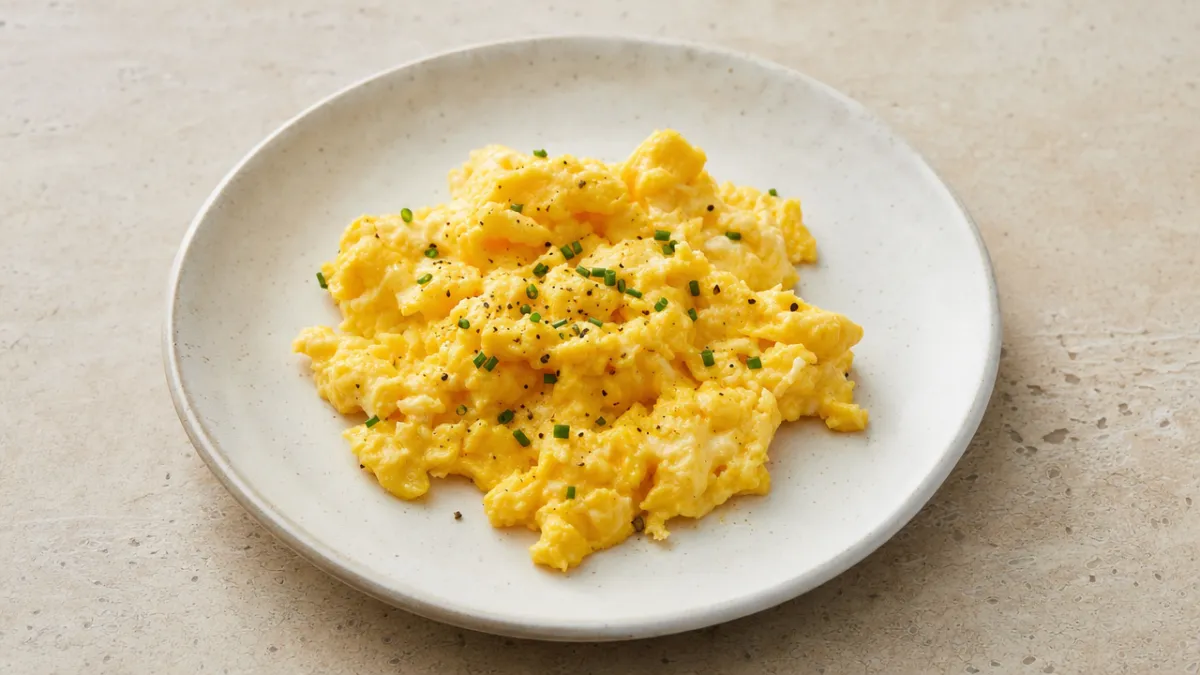
When a flare has my appetite flattened, eggs are usually the first real food I can talk myself into. This is not a fancy scramble. It is the slowest, softest version I know how to make, and it exists because a hard, rubbery scramble on a bad morning felt like work to chew and heavier to sit with afterward. The trick is a cold pan, a little butter, and constant gentle stirring so the curds stay small and custardy instead of browning. A splash of lactose-free milk loosens them further without the lactose that regular milk brings. I put it on plain white toast because the refined flour has had most of the bran removed, which for me tends to be easier going than anything whole grain during active symptoms. The whole thing takes under ten minutes, which matters when standing at the stove is the most energy I have. Everyone's flare is different, so treat this as a starting point rather than a rule.
Why it works for UC
Eggs are a complete, soft protein with no fiber or connective tissue to break down, which is why they show up on nearly every list of easier flare proteins. Cooking them low and slow keeps the texture custardy rather than tough, so there is less chewing and less bulk. White bread, toasted, is a refined grain with the bran stripped out, so it adds calories without much insoluble fiber. Using lactose-free milk instead of regular milk keeps the scramble loose while sidestepping the lactose that many of us tolerate poorly when the gut is inflamed.
Ingredient pages: Eggs, White Bread, Lactose-Free Milk
Ingredients
- 3 large eggs
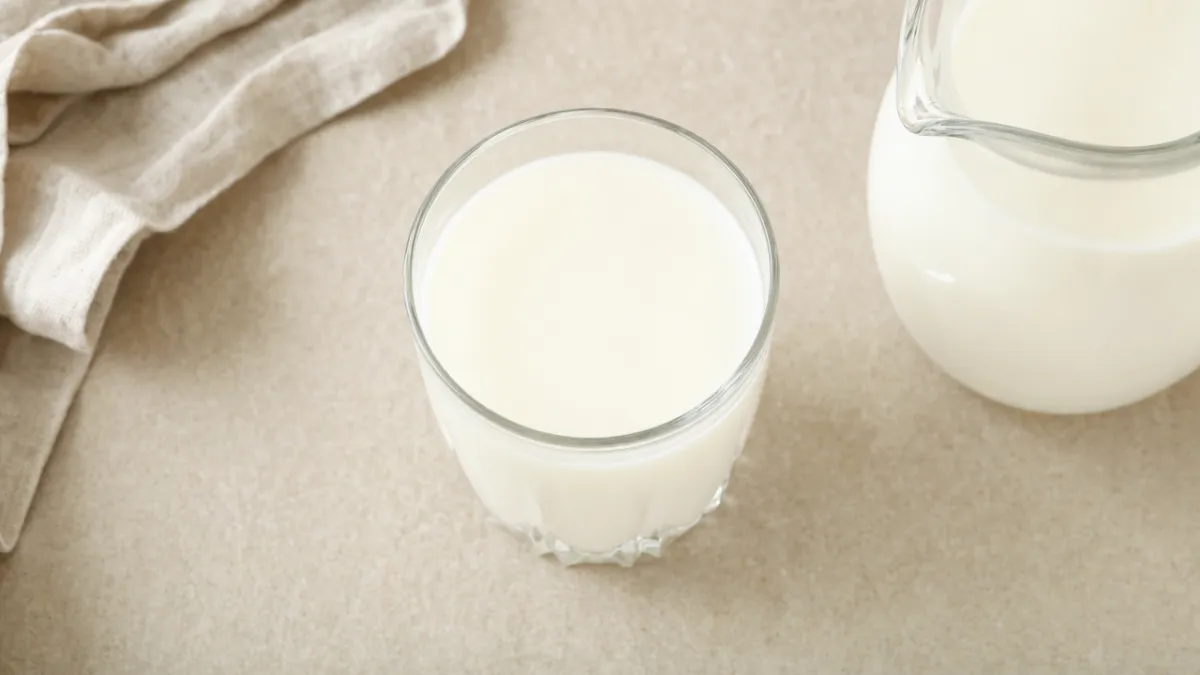
- 2 tablespoons lactose-free milk
- 1 teaspoon unsalted butter
- 1/8 teaspoon fine salt
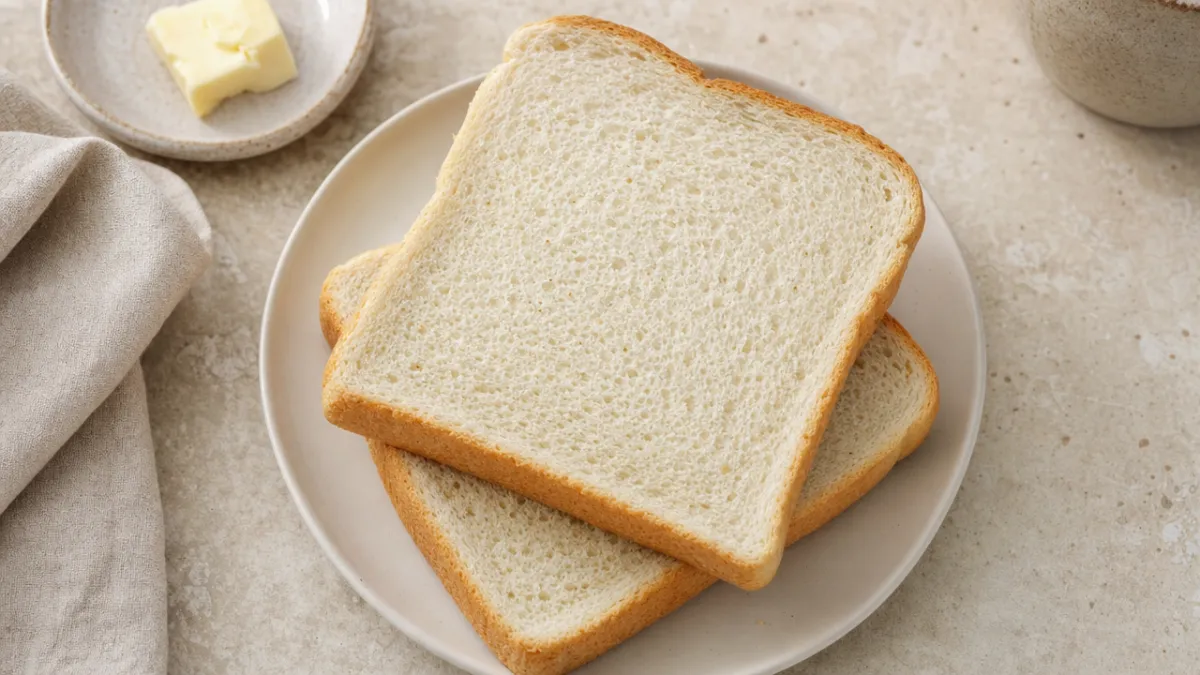
- 2 slices plain white bread
- 1 teaspoon additional butter for the toast, optional
Method
- 1Crack the eggs into a bowl, add the lactose-free milk and salt, and whisk with a fork until no streaks of white remain. Fully blended eggs cook into a more even, tender curd.
- 2Put the butter in a small nonstick skillet and set it over low heat. Let the butter melt slowly without sizzling; if it foams hard, the pan is too hot and the eggs will seize.
- 3Pour in the eggs and wait about twenty seconds, then start stirring slowly with a silicone spatula, sweeping the bottom and sides. Keep the heat low the whole time.
- 4Continue stirring for four to six minutes until the eggs form small, glossy curds that still look slightly wet. Pull the pan off the heat while they are a shade underdone, since they keep cooking.
- 5While the eggs finish, toast the white bread until pale gold rather than dark. Spread with a little butter if you like, then pile the eggs on top and eat right away.
Tips and swaps
- If the eggs ever start to stick or brown at the edges, lift the pan off the burner for ten seconds and keep stirring. Residual heat does plenty of the work.
- A splash more lactose-free milk at the end makes them even softer, which is handy on days when chewing feels like effort.
- Skip cheese, salsa, and pepper during a flare. Plain sounds boring, but plain is the whole point of this breakfast for me.
- Cold eggs straight from the fridge take a little longer, which is fine at this heat. Do not raise the temperature to rush them.
What a serving gives you
Three eggs give roughly 18 grams of complete protein along with some fat, B vitamins, and choline. Protein needs tend to run higher when UC is active because inflammation and frequent bathroom trips increase losses, and eggs deliver it without the fiber load that bothers many of us. The toast adds easy carbohydrate for energy on mornings when a bigger meal is off the table.
Questions about this recipe
Can I make this without any dairy at all?
Yes. Swap the lactose-free milk for the same amount of unsweetened almond milk or plain water, and cook the eggs in a teaspoon of olive oil instead of butter. Water gives a slightly leaner curd, but with low heat and steady stirring the texture stays soft. I have made it both ways and honestly cannot tell much difference once it is on toast.
Is white toast really better than whole wheat during a flare?
For me it has been. White bread has the bran and germ milled out, so it is lower in insoluble fiber, the rough kind that tends to add bulk and irritation when the colon is inflamed. Whole wheat is a great choice in remission, and I go back to it then. During active symptoms, most low-residue guidance points toward refined grains, and my own experience lines up with that.