Can I eat white bread with ulcerative colitis?
By Jude Horak, UC patient. Sources checked 2026-08-12.
Also searched as: refined wheat bread, sandwich bread.
Have Crohn's instead? Jump to the Crohn's notes
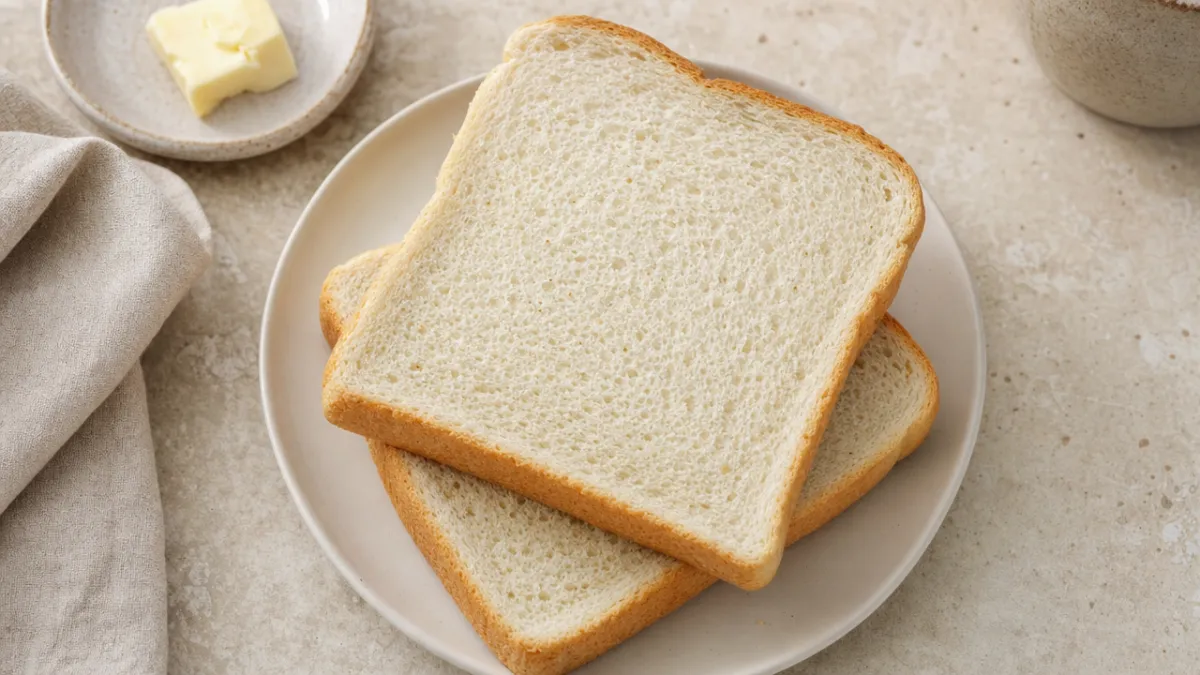
White bread is made from refined wheat flour with the bran and germ stripped out, leaving a soft, low-fiber product that's generally easy to digest. It's one of the grain choices most often recommended over whole-grain bread when the gut needs a break.
During a flare
Plain white bread or toast is a commonly recommended low-fiber option during flares.
In remission
Usually well tolerated in remission; some people mix in whole-grain or sourdough options as tolerance allows.
What the research says about white bread and UC
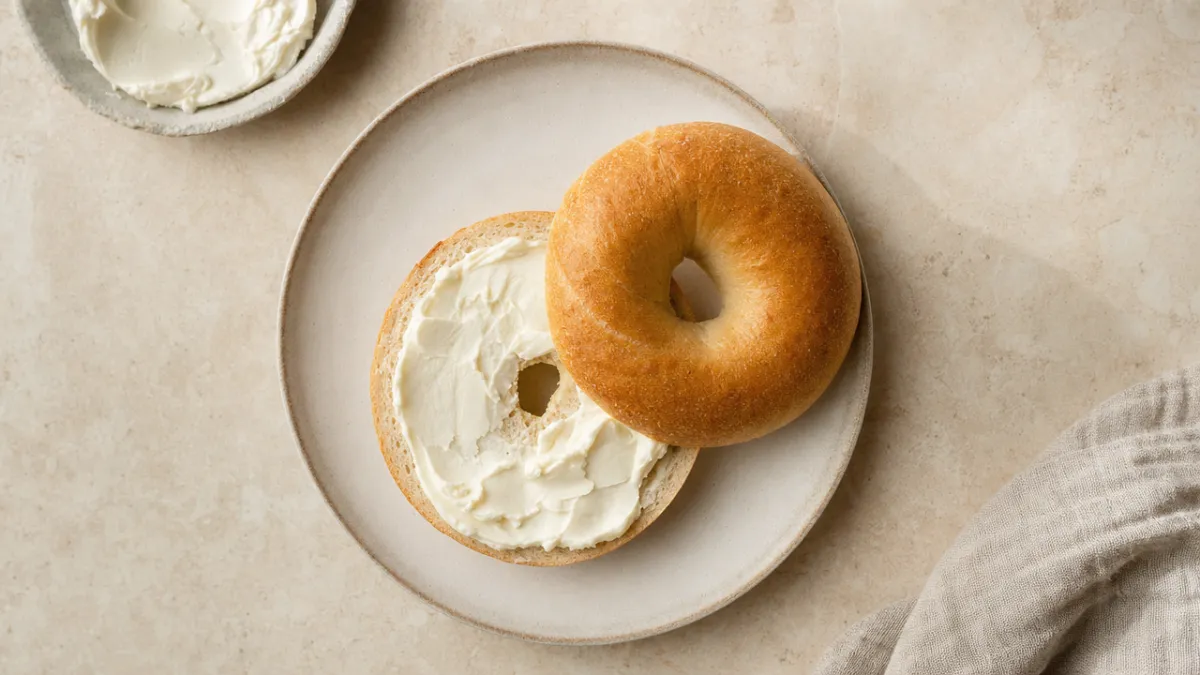
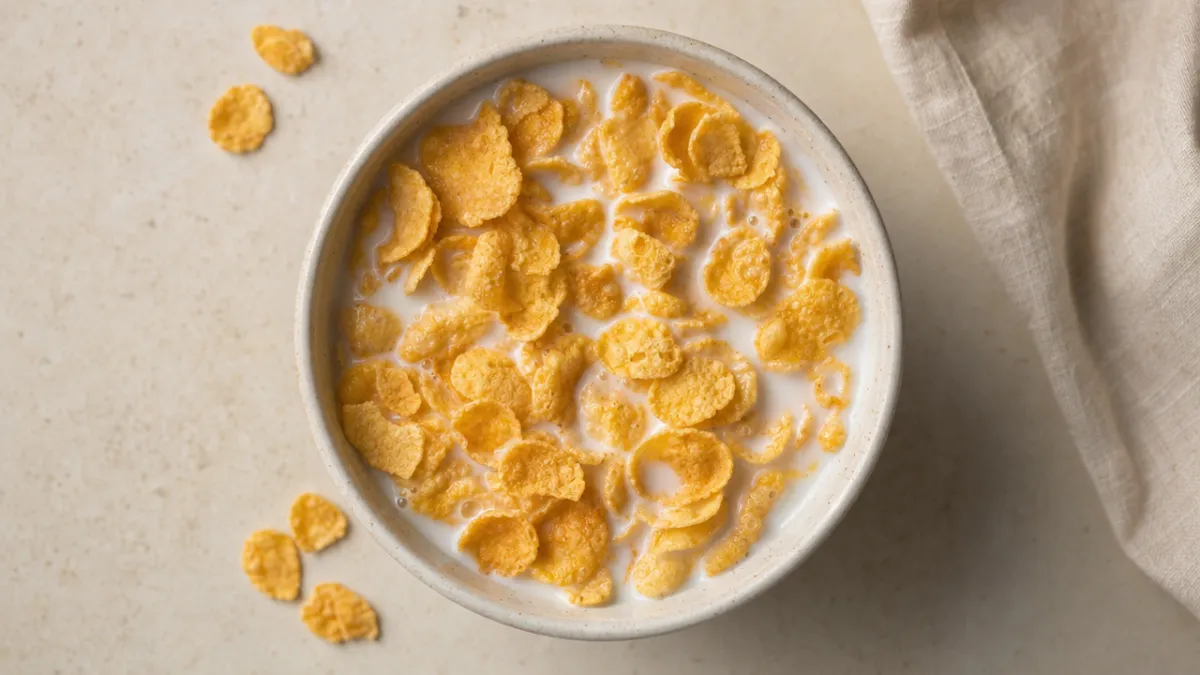
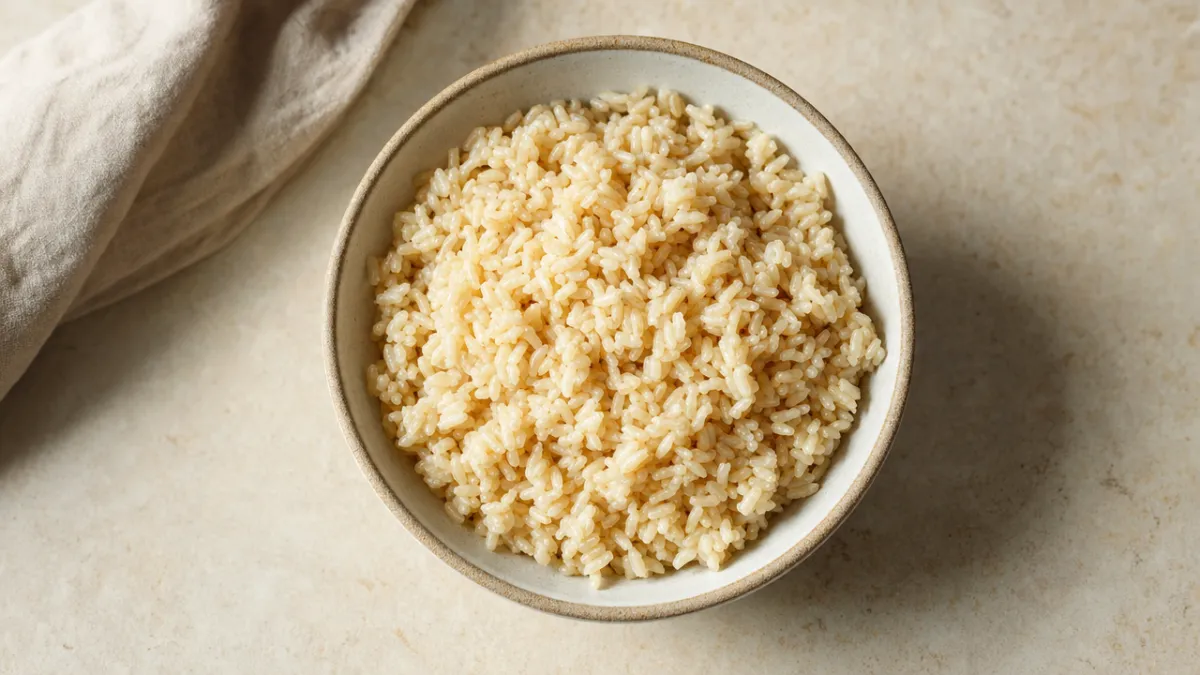
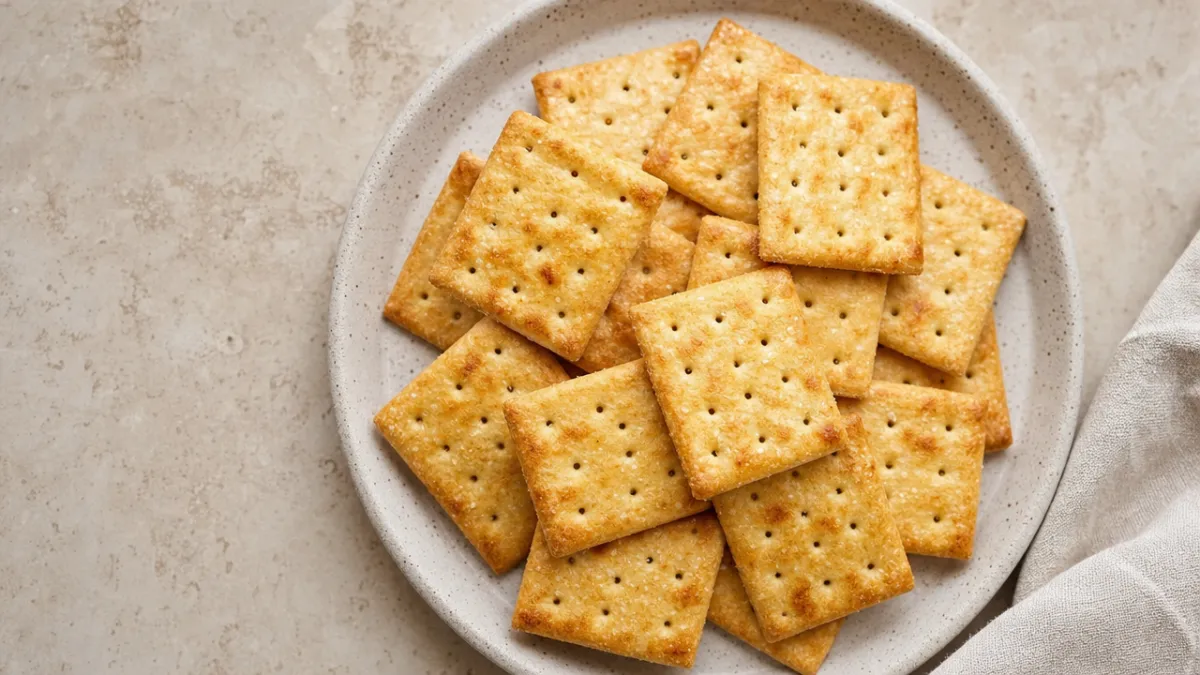
The American Gastroenterological Association's patient page on fiber in IBD names white bread directly, placing it with sourdough bread, white rice, instant oatmeal, polenta, and pasta in the group of grains that people with IBD usually tolerate. It contrasts those with whole wheat bread, steel cut oats, quinoa, and popcorn, which it lists as fiber that is harder to digest and worth adding only once the easier foods are going well. The AGA's message is not that white bread is better; it is that texture and fiber type govern tolerance, and refined flour has had the rough insoluble fraction milled away.
Cleveland Clinic's ulcerative colitis diet guide does not mention bread at all. Its flare-phase advice is to limit insoluble fiber, which it locates in fruit skins, whole grains like popcorn, and root and leafy vegetables, and its remission advice is a Mediterranean-style pattern built on whole grains, fruits, vegetables, nuts, and seeds. It also warns against processed foods and additives in both phases, which is a fair reason to read the label on a commercial loaf. Neither source has tested white bread in colitis patients, and neither addresses the fiber-added white breads made with inulin or chicory root, a gap worth knowing about.
If you have Crohn's instead of UC
I have UC, not Crohn's, so this part is research rather than experience.
Plain white bread usually stays one of the easier breads with Crohn's, and with a stricture it often becomes the everyday loaf rather than a flare-only swap. Crohn's & Colitis UK lists wholegrain foods, seeds, and fruit and vegetable skins among the things people with a narrowing may be advised to avoid, and a soft refined crumb contains none of them.
The catch is that not every pale loaf is plain. Breads sold as white with grains, seeded white, or oat-topped farmhouse fold whole kernels and seeds back into refined dough, so they deserve the same scrutiny as a multigrain loaf. A quick look at the ingredient list for seeds, cracked grains, or added bran settles it. If you are not sure whether you have a narrowing, ask your gastroenterologist before deciding how strict to be with bread.
Based on: Crohn's & Colitis UK; American Gastroenterological Association (GI & Hepatology News); National Institutes of Health (PMC), from Alimentary Pharmacology & Therapeutics 2025. More on how Crohn's and UC diets differ.
Ways to make it gentler
- Toasting can make it easier for some people to digest
How I handle white bread
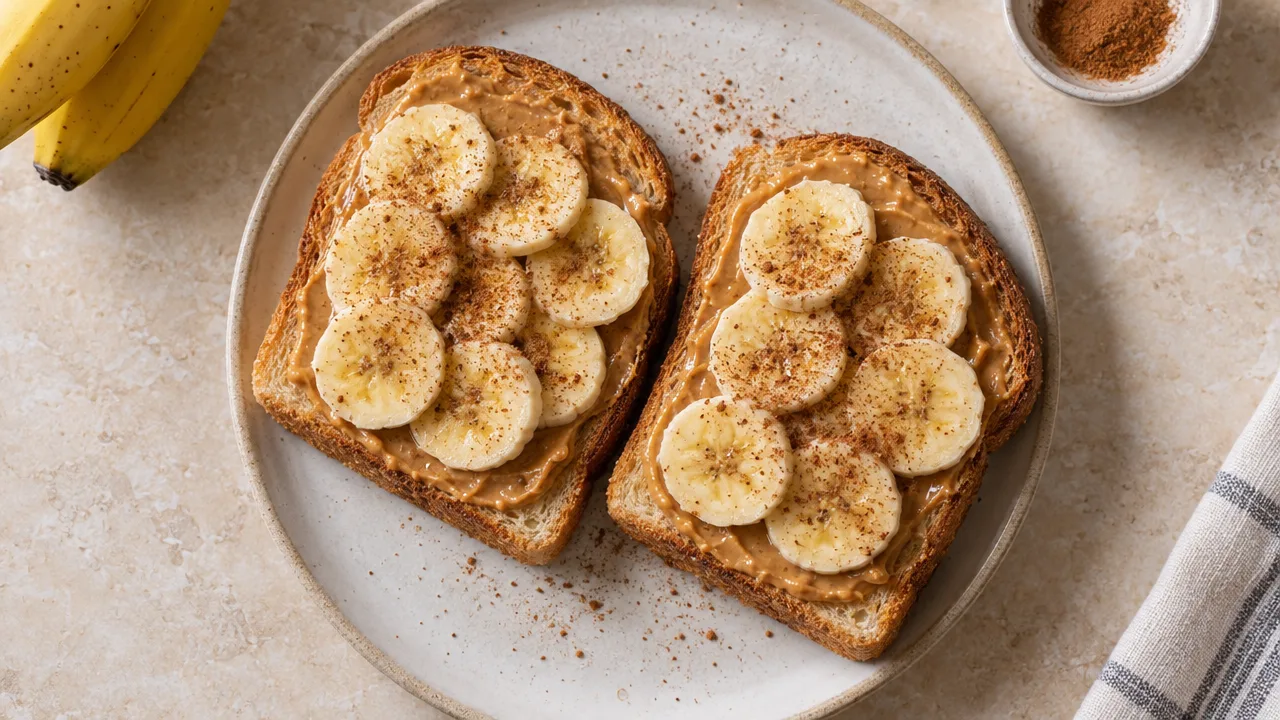
White toast is my default breakfast when I am not sure how the day will go. I keep it boring on purpose: a light scrape of butter or a smear of smooth peanut butter, nothing with seeds or big chunks. The thing I learned to check is the ingredient list rather than the front of the bag, because some soft white loaves now add inulin or chicory root fiber to hit a marketing number, and that added fiber ferments in a way that plain flour does not. I want enriched wheat flour near the top and nothing that sounds like a fiber supplement. Toasting it well seems to help me, maybe because it dries the crumb and makes it easier to chew thoroughly. In remission I still eat it, but I no longer let it crowd out sourdough or whole wheat, which I want back for the long run.
How much, and how to test it
One or two slices, toasted and plain, is a sensible first serving, even during a flare. Keep the topping minimal on day one so the bread is the only variable. Over the following 24 to 48 hours note whether stool frequency or urgency changed, then add one spread at a time: a little butter, then smooth nut butter, then a seedless jam. If a slice of plain toast causes trouble, look at the ingredient list for added fibers or sweeteners before assuming bread itself is the issue.
What you get from white bread
A slice of enriched white bread runs about 70 to 80 calories with two or three grams of protein and under a gram of fiber. Because the flour is enriched, it carries added iron, folic acid, thiamin, riboflavin, and niacin, nutrients that are easy to fall short on when bleeding and reduced intake are both happening. That fortification is a small but real advantage over unfortified alternatives. It contributes little potassium or magnesium, so it is a calorie and B-vitamin base rather than a mineral source.
Questions people ask about white bread and UC
Is white bread ok for ulcerative colitis?
For most people it is one of the easier breads, especially during a flare, because refined flour has very little insoluble fiber. In remission it remains fine to eat, though most guidance encourages bringing whole grains back for their long-term benefits once the gut is calm. The exceptions worth knowing are loaves with added fibers like inulin, which can cause gas, and anyone with celiac disease alongside UC, for whom the wheat itself is the problem.
Is white bread better than whole wheat during a flare?
Usually, yes. A slice of whole wheat bread has roughly two to three times the fiber of a slice of white, almost all of it insoluble bran, and that is the material a low-residue approach is trying to limit. Many people notice less bulk and urgency when they switch to white or a refined sourdough for the duration of a flare. Once stool has been normal for a while, whole wheat can be reintroduced a slice at a time.
Does toasting white bread make it easier to digest?
Toasting does not change the fiber content, but it does change the texture. Dry, crisp toast breaks down more thoroughly with chewing than a soft, doughy slice, and some people find it sits better for that reason. Toast is also a traditional food for queasy days because it is bland and dry. Whether it helps is individual, but it is an easy variable to test on a low-appetite morning.
Is white bread ok for acid reflux and UC together?
Reflux and colitis are separate conditions, so the answer is two-part. White bread is low in fat and acid, which are the usual reflux triggers, and it is low in fiber, which is the usual colitis concern, so it tends to sit well for both. The toppings matter more: butter and cheese add fat that can worsen reflux, and seeded spreads add roughage. Plain toast covers both bases when you need something simple.
What is the best bread for Crohn's disease?
Texture usually decides it first, which is why plain white or white sourdough tends to top the list. A second filter is getting research attention: emulsifiers, which packaged sandwich loaves often list on the label. In the ADDapt trial presented at the 2025 ECCO Congress, 154 people with mild to moderate Crohn's on a low-emulsifier diet were more likely to improve in symptoms and fecal calprotectin over eight weeks. A smaller Australian feeding trial of 24 adults found no difference between diets. With early and conflicting data, this is a question to raise with a dietitian rather than a rule.
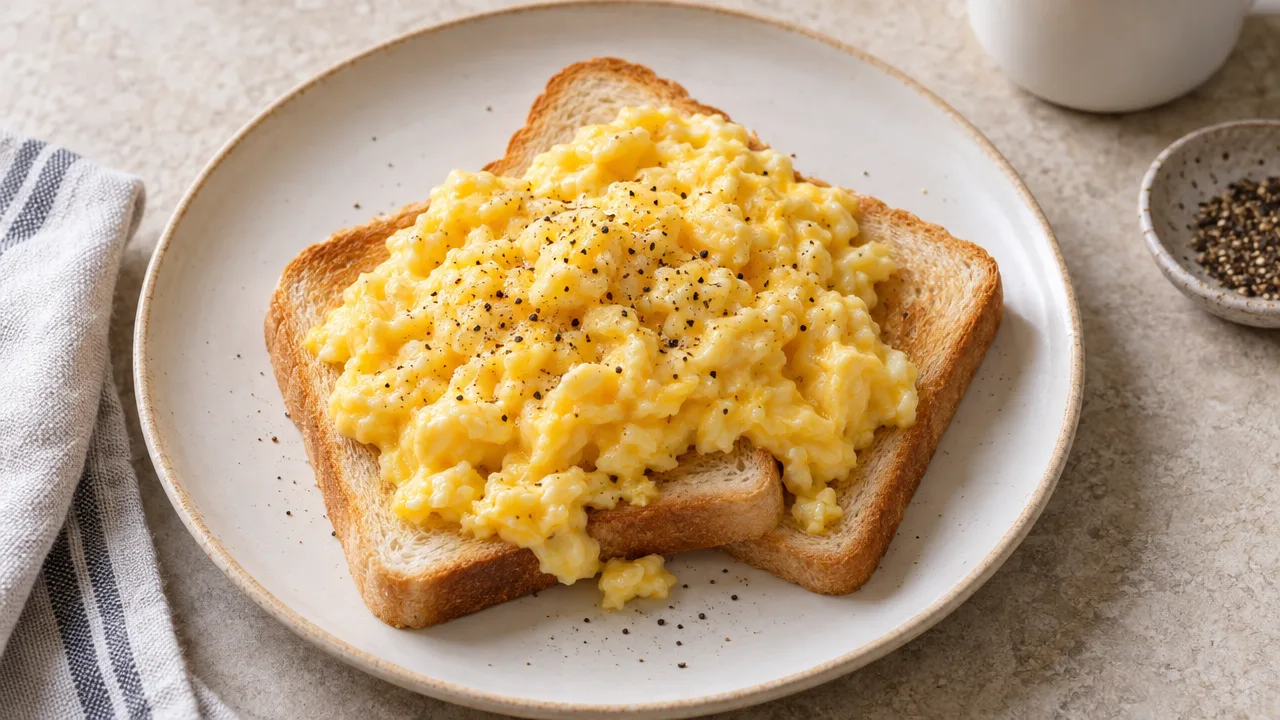
Recipes that use white bread
Sources
- The Ulcerative Colitis Diet: What To Eat and Avoid (Cleveland Clinic)
- Inflammatory bowel disease (IBD): Role of fiber (American Gastroenterological Association)
- Food and Crohn's or Colitis (Crohn's & Colitis UK)
- New Crohn's data spotlight promising therapies (American Gastroenterological Association (GI & Hepatology News))
- Clinical Trial: The Effects of Emulsifiers in the Food Supply on Disease Activity in Crohn's Disease: An Exploratory Double-Blinded Randomised Feeding Trial (National Institutes of Health (PMC), from Alimentary Pharmacology & Therapeutics 2025)
Written by Jude Horak, a UC patient. Sources last checked 2026-08-12. Spotted an error? Tell me.