Can I eat eggs with ulcerative colitis?
By Jude Horak, UC patient. Sources checked 2026-08-12.
Also searched as: scrambled eggs, boiled eggs.
Have Crohn's instead? Jump to the Crohn's notes
Eggs are a soft, low-fiber, complete-protein food with no insoluble fiber or fibrous connective tissue to digest, which is why dietitians consistently list them among the easiest proteins to tolerate during active ulcerative colitis. Protein needs rise during a flare because inflammation and diarrhea increase losses, and eggs are an efficient way to meet that need without added bulk.
During a flare
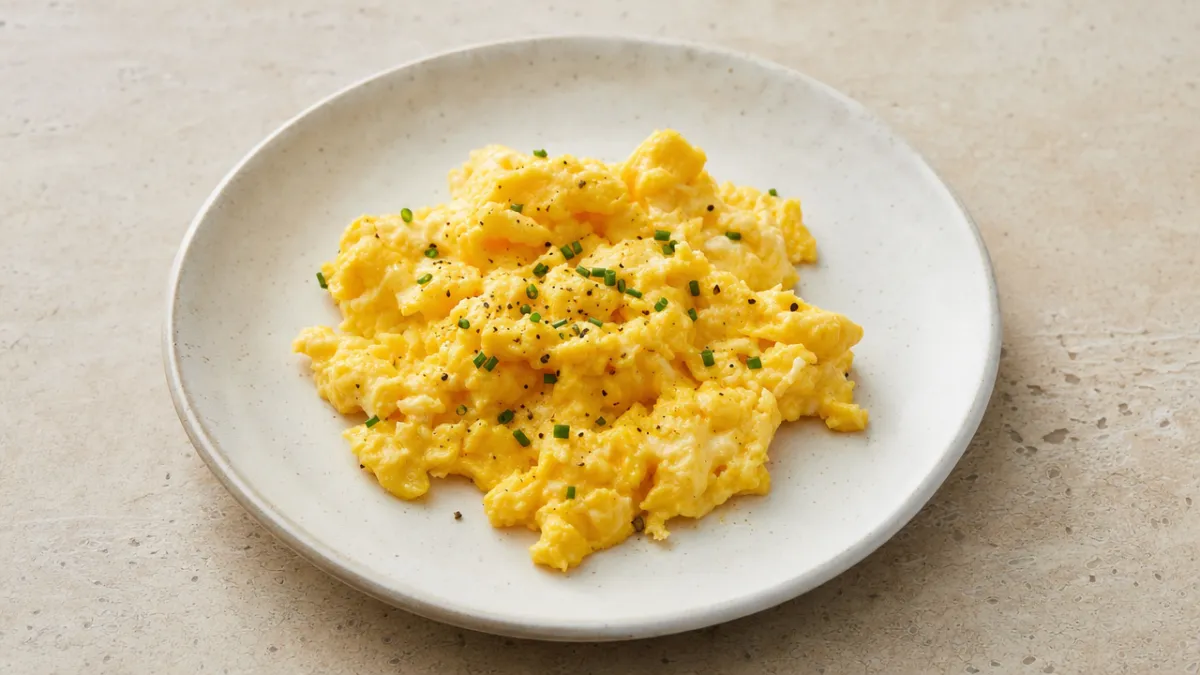
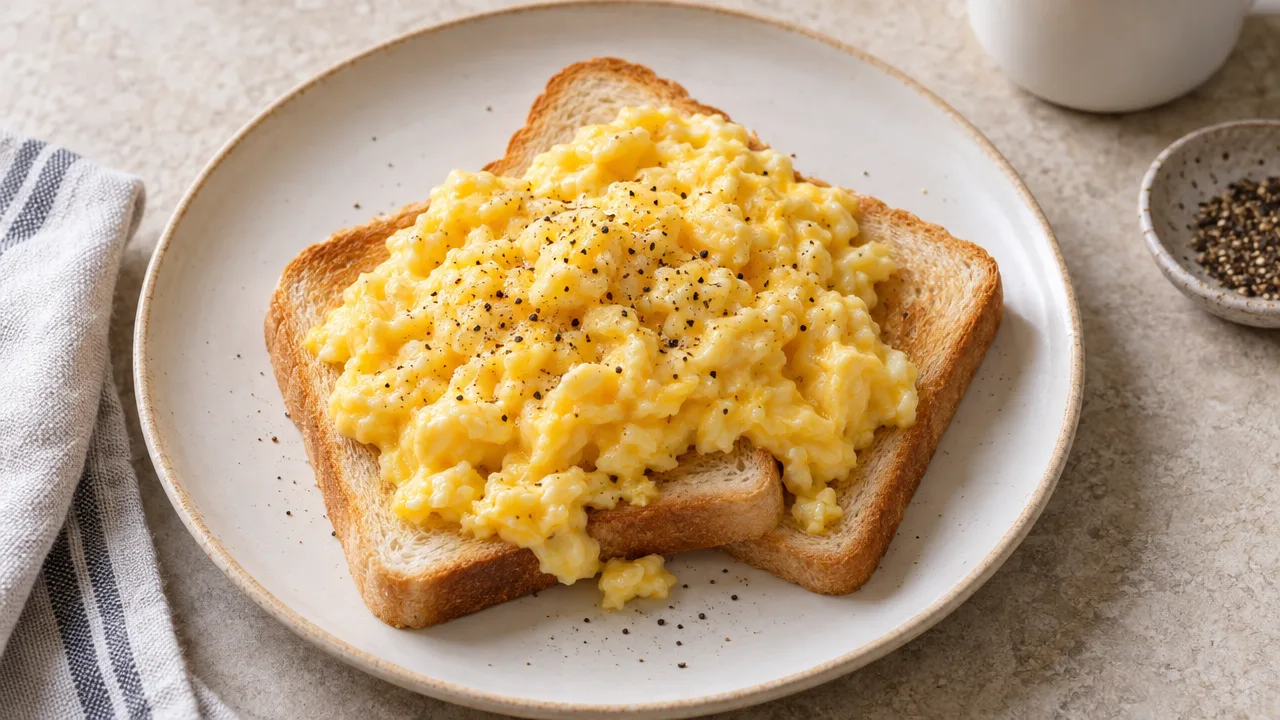
Scrambled or soft-cooked eggs are commonly suggested as an easy, energy-dense flare food (e.g., scrambled eggs on toast). Frying in a lot of fat or pairing with greasy sides can undercut tolerance for some people.
In remission
Eggs are typically fine to eat regularly in remission as part of a balanced diet; there's no evidence they need to be restricted once symptoms settle.
What the research says about eggs and UC
The Crohn's & Colitis Foundation lists eggs among the protein sources to lean on when IBD is active, grouped with lean poultry, fish, and tofu, and its flare-food examples include scrambled eggs on toast as an easy, energy-dense meal. The Gastrointestinal Society (badgut.org) makes a similar point from the nutrition side: protein requirements tend to rise during active inflammation, and eggs are one of the simpler ways to meet that need without adding fiber or bulk. Crohn's & Colitis UK does not single eggs out for restriction and instead frames them as part of a normal varied diet once symptoms are under control.
It is worth being honest about what that evidence is. None of the three organizations point to a trial in which eggs were tested against a comparison food in people with ulcerative colitis. The recommendation rests on the properties of the food: no insoluble fiber, no connective tissue, complete protein, soft texture when cooked gently. That logic is sound but general. Individual reports of eggs feeling heavy or sulfurous during a flare exist, and the guidance does not rule that out, so the honest summary is that eggs are commonly well tolerated rather than proven harmless for everyone.
If you have Crohn's instead of UC
I have UC, not Crohn's, so this part is research rather than experience.
Eggs usually stay an easy protein with Crohn's, but small-bowel disease adds a vitamin B12 question that does not usually apply to UC. Eggs are one of the everyday foods that supply B12, and the body absorbs that vitamin in the last part of the small bowel, the ileum, which is also one of the most common places for Crohn's to occur. Crohn's & Colitis UK explains that inflammation in the small bowel, or surgery that removed part of it, can leave someone short of B12. In that situation, eating more eggs may not close the gap, because the problem is uptake rather than intake.
The American Gastroenterological Association (AGA) advises monitoring B12 in people with extensive ileal disease or prior ileal surgery. If that describes you, the useful step is asking your gastroenterologist whether your levels are being checked, while eggs keep their place as a soft, gentle protein.
Based on: Crohn's & Colitis UK; American Gastroenterological Association (AGA); Cleveland Clinic. More on how Crohn's and UC diets differ.
Ways to make it gentler
- Scramble, poach, or soft-boil rather than fry
- Pair with easy-to-digest sides during a flare
How I handle eggs
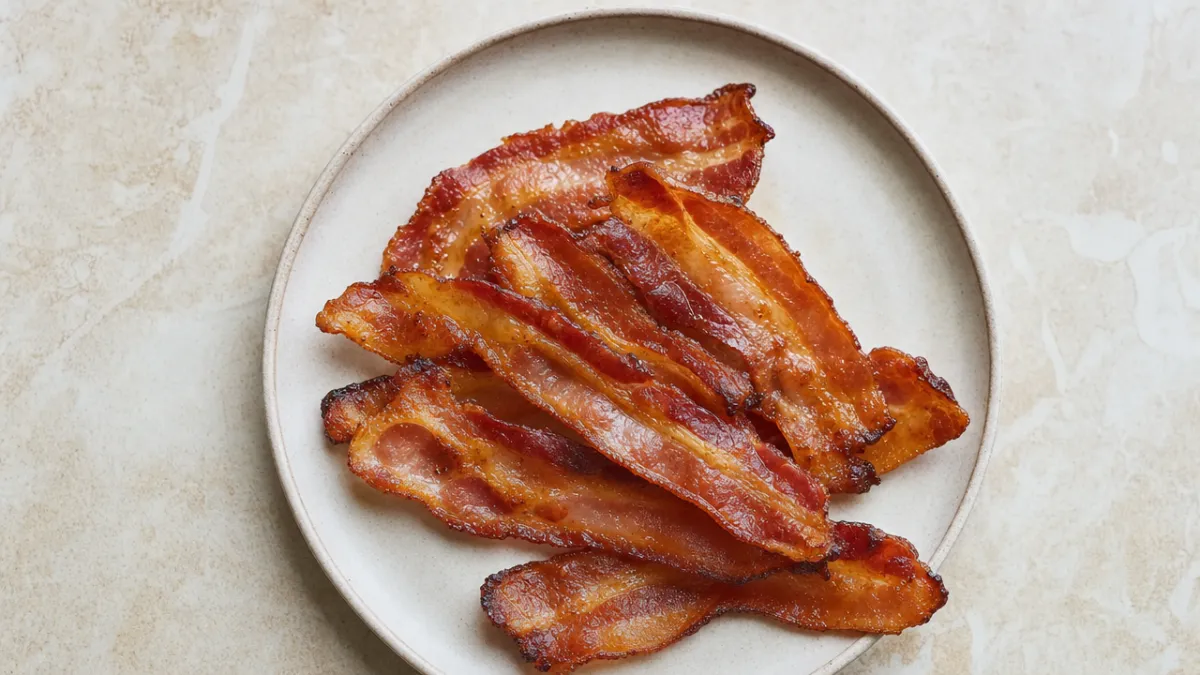
Eggs are the protein I reach for first when a flare is building, mostly because they need almost no thought. Two eggs scrambled slowly in a nonstick pan with a splash of water, no butter puddle, on a slice of white toast. That plate costs me nothing in bathroom trips on most days and gives me protein I know I am losing. What I watch is the fat around the eggs rather than the eggs themselves: a big fry-up with hash browns and bacon is a different meal even though eggs are on the plate. Hard-boiled eggs travel well and keep in the fridge for the days when cooking feels like too much. In remission I eat them however I like, including fried in olive oil, and I have not found a reason to ration them.
How much, and how to test it
A sensible first test is one or two eggs, scrambled soft or poached, eaten alone or with white toast so nothing else muddies the result. Keep the rest of the day's foods familiar. Over the following one to three days note stool frequency, urgency, gas, and any unusual smell, since some people describe eggs as sulfurous. If nothing shifts, add a third egg or try them fried in a little oil. Persistent bloating or a clear rise in urgency after repeated tries is a reason to pause and revisit later.
What you get from eggs
One large egg supplies around six grams of complete protein along with vitamin B12, vitamin D, choline, and a small amount of iron. That protein density matters when diarrhea and inflammation are raising losses and appetite is poor. Vitamin D and calcium intake become a bigger concern for anyone who has spent time on steroid courses, and eggs contribute to the vitamin D side without adding lactose or fiber.
Questions people ask about eggs and UC
Are eggs bad for ulcerative colitis?
For most people, no. Eggs contain no fiber and no gristle, so there is little for an inflamed colon to work on. The exceptions tend to be preparation related: eggs fried in a lot of butter, or served inside a greasy breakfast, are more often blamed than the eggs themselves. A small number of people report that eggs feel heavy or gassy during a flare, and that is worth respecting as an individual reaction rather than a general rule.
Can I eat scrambled eggs during a flare?
Scrambled eggs are one of the specific flare meals patient organizations mention, usually alongside plain toast. Cook them soft and slow, use a small amount of oil or a nonstick pan, and skip cheese and sausage on the side while symptoms are active. If dairy is a trigger for you, scramble with water instead of milk. Two eggs is a reasonable serving to start with.
Are eggs good for Crohn's disease as well as colitis?
The guidance from patient organizations covers both conditions together as inflammatory bowel disease, and eggs appear on the easier-protein list for each. The reasoning is the same: soft texture, complete protein, no fiber. Someone with Crohn's involving a stricture may be told to keep textures soft, and gently cooked eggs fit that instruction well. Your own gastroenterologist or dietitian can tailor this to your case.
Do eggs cause inflammation with IBD?
There is no good evidence from the cited organizations that eggs raise inflammation in ulcerative colitis. They are not a processed meat, not high in saturated fat in normal portions, and are consistently listed as a food to include rather than limit. Claims online that eggs are inflammatory usually come from general wellness content, not from IBD-specific research, so treat them with caution and go by how you tolerate them.
Are eggs good for Crohn's disease after bowel surgery?
After part of the ileum is removed, the bigger change is usually the fat cooked around the eggs, not the eggs themselves. Cleveland Clinic explains that when the ileum cannot reclaim bile acids, they spill into the colon and cause watery diarrhea, and that providers recommend a low-fat diet because more dietary fat triggers more bile release. A poached or soft-boiled egg brings far less fat than eggs fried in butter beside bacon and hash browns. Watery diarrhea that persists after an ileal resection is worth raising with your IBD team rather than cutting out eggs.
Recipes that use eggs
Sources
- What Should I Eat with Crohn's or Colitis? IBD Diet Guide (Crohn's & Colitis Foundation)
- Inflammatory Bowel Disease Nutrition Tips (Crohn's Disease and Ulcerative Colitis) (Gastrointestinal Society (badgut.org))
- Food and Crohn's or Colitis (Crohn's & Colitis UK)
- Crohn's Disease (Crohn's & Colitis UK)
- Diet and nutritional therapies in patients with IBD (American Gastroenterological Association (AGA))
- Bile Acid Malabsorption (Cleveland Clinic)
Written by Jude Horak, a UC patient. Sources last checked 2026-08-12. Spotted an error? Tell me.