Tuna on Sourdough Toast
By Jude Horak, UC patient. Flare-friendly. Lunch.
- Prep
- 5 min
- Cook
- 3 min
- Total
- 8 min
- Serves
- 1
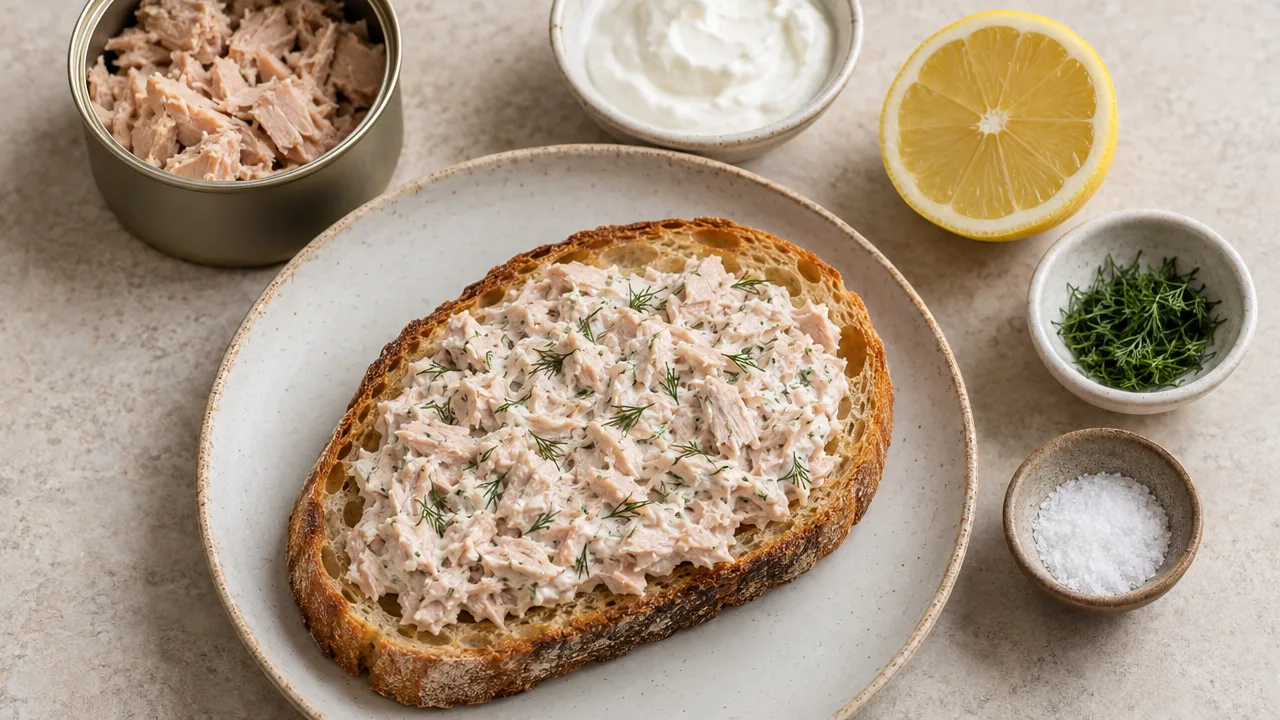
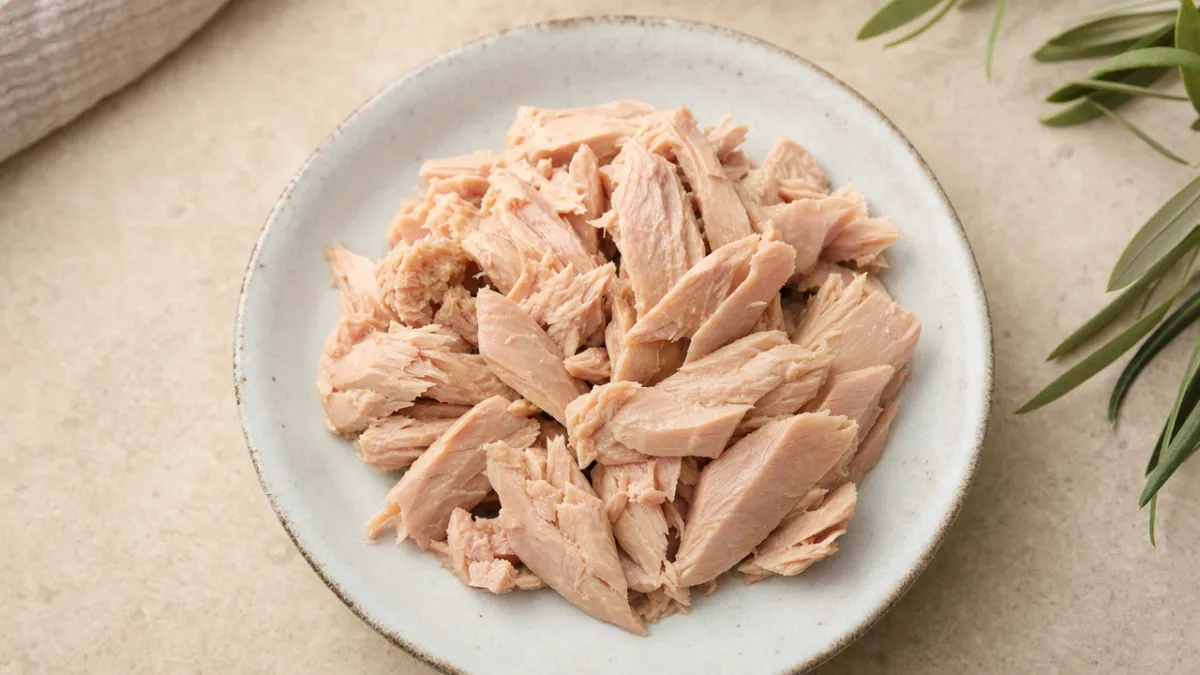
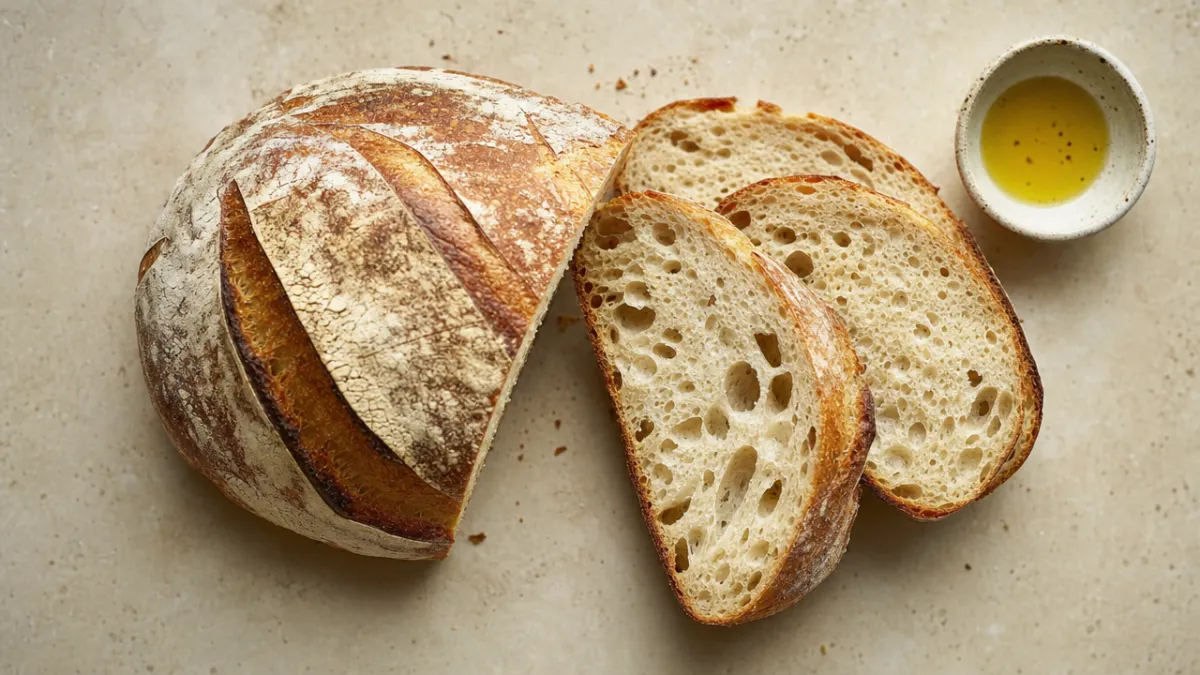
Tuna salad used to mean a lot of mayonnaise, chopped celery, red onion, and pickle relish on whole grain bread. Almost every one of those has been a problem for me during a flare, so this is what it turned into. Canned tuna packed in water gets mixed with plain Greek yogurt, a squeeze of lemon, salt, and a little dill if I have it, then spread on toasted sourdough. The Greek yogurt gives it creaminess with far less fat than mayo, and no raw vegetables means no crunch to deal with. Sourdough matters here: a real long-fermented loaf has had a good share of its fructans broken down by the fermentation, which is likely why it has treated me better than ordinary sandwich bread on a bad week. This is my desk lunch, my too-tired-to-cook lunch, and the lunch I pack when I am going to be out for a few hours and do not trust restaurant food.
Why it works for UC
Tuna is lean, complete protein with omega-3 fats, and canned in water it carries almost no added fat, which is why it is often listed with chicken, eggs, and tofu as an easier flare protein. Greek yogurt stands in for mayonnaise, cutting fat while adding protein and calcium with much less lactose than milk. Sourdough bread that has been fermented for many hours has fewer fructans than regular wheat bread, and toasting it makes the crust easier to chew. Leaving out celery, onion, and relish removes the raw crunch that bothers an inflamed gut.
Ingredient pages: Tuna, Sourdough Bread, Greek Yogurt
Ingredients
- 1 can (5 oz) tuna packed in water, drained well
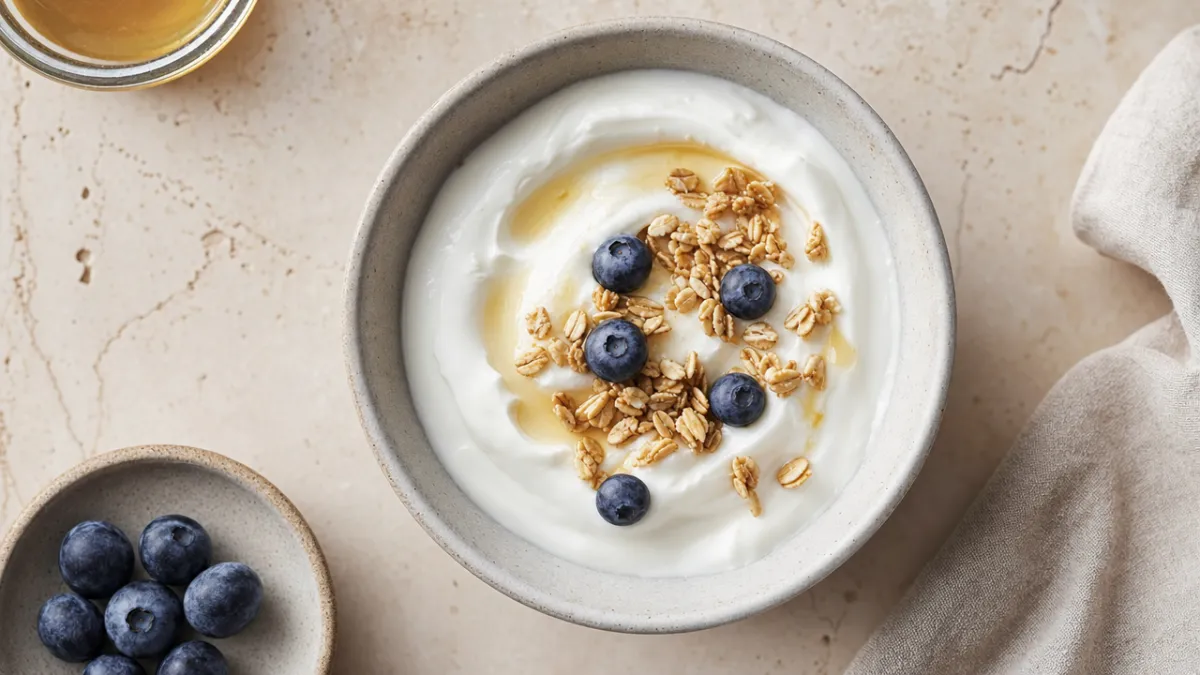
- 2 tablespoons plain Greek yogurt
- 1 teaspoon fresh lemon juice
- 1/8 teaspoon fine salt
- 1/2 teaspoon chopped fresh dill or a pinch of dried dill, optional
- 2 slices long-fermented sourdough bread
- 1 teaspoon unsalted butter or olive oil, optional
Method
- 1Open the tuna and press the lid down hard over the sink to squeeze out as much water as you can. Wet tuna makes a soggy, watery spread.
- 2Flake the tuna into a bowl with a fork, breaking up any large chunks, then add the Greek yogurt, lemon juice, salt, and dill.
- 3Mix until the tuna is evenly coated and creamy. If it seems dry, add another teaspoon of yogurt; it should spread easily but not run.
- 4Toast the sourdough until the surface is golden and the crust is crisp but not hard. Spread a thin layer of butter or oil if you want it, then pile the tuna on top.
- 5Eat right away while the toast is warm, or pack the tuna separately and toast the bread when you are ready so nothing goes soft.
Tips and swaps
- Look for a loaf labeled with a long fermentation or from a bakery that proofs overnight. Grocery bread labeled sourdough is often just flavored white bread.
- Half mayo, half Greek yogurt is a fair compromise if you miss the classic taste and fat is not one of your triggers.
- Tuna in olive oil tastes richer but adds a lot of fat. I stick with water-packed during a flare and drain it hard.
- Mashed avocado spread under the tuna is a great addition when you want more calories and can handle the fat.
What a serving gives you
One can of tuna delivers close to 25 grams of protein plus omega-3 fatty acids and selenium, and the Greek yogurt adds a few more grams along with calcium. The sourdough contributes carbohydrate and some B vitamins. Total fat stays low without mayo, which keeps the lunch from feeling heavy. Canned tuna does contain some mercury, so I rotate it with chicken and eggs rather than eating it daily.
Questions about this recipe
Can I use regular white bread instead of sourdough?
Yes. Plain white bread is low in fiber and is well tolerated by most of us during a flare, so it is a fine base. Sourdough gets the nod from me because the long fermentation reduces fructans, which seems to matter for some people. If a true sourdough is hard to find where you live, white toast is the next best thing.
What about lactose in the Greek yogurt?
Greek yogurt has meaningfully less lactose than milk because straining removes most of the whey, and the two tablespoons here is a small amount. If even that bothers you, lactose-free Greek yogurt is a straight swap, and mashed avocado or a teaspoon of olive oil with extra lemon also works as the binder. I have used all three depending on what is in the fridge.