Can I eat sourdough bread with ulcerative colitis?
By Jude Horak, UC patient. Sources checked 2026-08-12.
Have Crohn's instead? Jump to the Crohn's notes
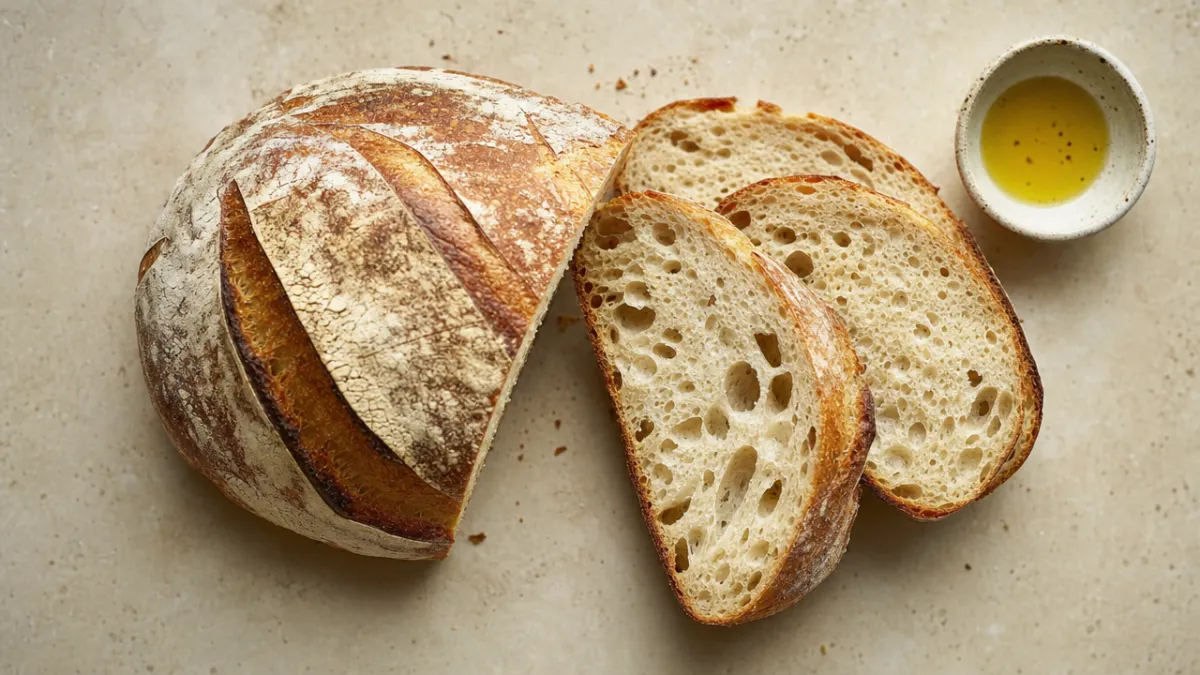
Traditional sourdough is fermented for many hours by wild yeast and lactic acid bacteria, which break down a large share of the fructans (a FODMAP) found in wheat flour. That fermentation, combined with its typically refined flour base, is why sourdough is often listed alongside white bread as a gentler grain option.
During a flare
Refined sourdough bread is commonly recommended as a lower-fiber bread choice during flares.
In remission
Generally well tolerated in remission; whole-grain sourdough is an option as fiber tolerance improves.
What the research says about sourdough bread and UC
Monash University's FODMAP team, in a blog post by one of its research dietitians, explains why traditionally made sourdough tests lower in FODMAPs than ordinary bread. The dough is left to prove for a prolonged period, typically more than twelve hours, and during that time the yeast and bacteria in the starter feed on carbohydrates in the flour, including the fructans, and break a share of them down. Monash ties the effect to that traditional process, which is worth remembering because not every loaf sold as sourdough is proved that long. The research is about IBS symptoms such as gas and bloating rather than colitis inflammation, so its relevance to UC is comfort rather than disease activity.
The American Gastroenterological Association's patient page on fiber in IBD lists sourdough bread by name, next to white bread and white rice, as a grain that is usually well tolerated. Cleveland Clinic's ulcerative colitis diet guide does not mention sourdough or bread of any kind; its flare advice names white rice and oats as easily digestible grains and suggests limiting insoluble fiber. None of the three sources has tested sourdough in people with colitis, and none suggests it lowers inflammation. Sourdough still contains gluten, so it is not a substitute for gluten-free bread where celiac disease is also present.
If you have Crohn's instead of UC
I have UC, not Crohn's, so this part is research rather than experience.
White-flour sourdough is usually a comfortable bread with Crohn's, and it tends to stay that way even with a stricture, since its crumb is refined and free of seeds. What changes is the remission step this page suggests. Moving on to whole wheat, rye, or seeded sourdough brings back the whole grains and whole seeds that Cleveland Clinic's low-fiber guide lists among foods to avoid, and that guide notes that people with strictures want food broken into small particles so it does not get stuck.
Long fermentation is easy to overcredit here. The starter breaks down fructans, which is why sourdough can mean less gas, but the bran, the sunflower seeds, and any whole rye berries are all still there when the loaf comes out of the oven. If you have a narrowing, a sourdough label on a grainy loaf does not remove those particles, so the white loaf is usually the better fit.
Based on: Cleveland Clinic; Crohn's & Colitis UK; National Institutes of Health (PMC), from Frontiers in Nutrition 2023. More on how Crohn's and UC diets differ.
Ways to make it gentler
- Look for long-fermented (12+ hour proof) sourdough rather than quick 'sourdough-flavored' bread
How I handle sourdough bread
Sourdough is the bread I reach for most, in both flares and remission, and the reason is partly practical: it is the one refined bread that does not feel like a step backward. I buy from a bakery that proofs overnight, or I check that the ingredient list is just flour, water, salt, and starter with no added yeast. The chewy crust can be a lot on a bad day, so I sometimes trim it or toast a thinner slice. In a flare I stick to the white-flour loaf. Once I am steady, I move toward whole wheat or rye sourdough, treating that as its own reintroduction because the bran comes back with it. I have stopped expecting sourdough to fix anything. What it does is give me a bread I like that seems to sit quietly, and that is enough.
How much, and how to test it
One slice of white-flour sourdough, plain or lightly buttered, is a reasonable first test even during a flare. Choose a long-fermented loaf so the fructan reduction is real. Note gas, bloating, and stool changes over the next day or two. If that goes well, build to two slices, then try whole wheat sourdough as a separate step once symptoms have been stable for a few weeks, since the bran is a different variable from the fermentation. Persistent bloating after a slice often points to a short-rise loaf rather than true sourdough.
What you get from sourdough bread
A slice of white sourdough delivers roughly 80 to 100 calories and three or four grams of protein with about a gram of fiber. Fermentation lowers the phytate content of the flour, which may modestly improve absorption of minerals like iron and zinc, a small plus when anemia is a concern. Many artisan loaves use unenriched flour, so they can carry less added iron and folate than standard white bread. Sodium is often higher than in sandwich bread.
Questions people ask about sourdough bread and UC
Is sourdough bread good for ulcerative colitis?
It is often one of the better-tolerated breads, but good needs qualifying. The long ferment lowers fructans, which can mean less gas and bloating, and a white-flour sourdough is low in insoluble fiber like other refined breads. Neither of those properties treats inflammation. Think of it as a comfortable bread choice that many people with UC keep through flares and remission alike, rather than a food that does anything to the disease itself.
Is sourdough easier to digest than regular bread?
For many people, yes, and there are two reasons. The bacteria and yeast pre-digest part of the flour's fermentable carbohydrates, so less is left to ferment in your gut. The acidity also slows starch breakdown slightly. The catch is that both depend on a genuine slow ferment. A supermarket loaf made with added yeast and a sourdough flavor behaves like ordinary white bread, which is still fine in a flare but without the extra benefit.
Is sourdough bread gluten free?
No. Fermentation reduces gluten somewhat but nowhere near enough to make wheat sourdough safe for someone with celiac disease. For ulcerative colitis on its own that is not a concern, because gluten is not a recognized UC trigger. If you have both conditions, a certified gluten-free bread is the route, and some bakeries now make gluten-free sourdough from rice or buckwheat flour that keeps the fermentation benefit.
Does whole wheat sourdough work the same way?
The fermentation benefit is the same, but the bran is back, so whole wheat sourdough sits in the same caution group as any whole grain bread during a flare. In remission it can be a good bridge food: the fructans are lower than in a standard whole wheat loaf while the fiber and minerals are intact. Reintroduce it as its own step after white sourdough has been fine for a while.
Is sourdough bread good for Crohn's disease?
It is often one of the better-tolerated breads, and how much the stricture caveats matter depends partly on where your Crohn's is. Crohn's & Colitis UK notes that disease in the small bowel makes strictures and nutrient shortfalls more likely, and a 2023 systematic review found strictures occur most commonly in the small intestine. If your Crohn's is limited to the colon with no known narrowing, the ulcerative colitis guidance on this page, whole grain sourdough in remission included, tends to be a closer fit. Your gastroenterologist can tell you which picture applies.
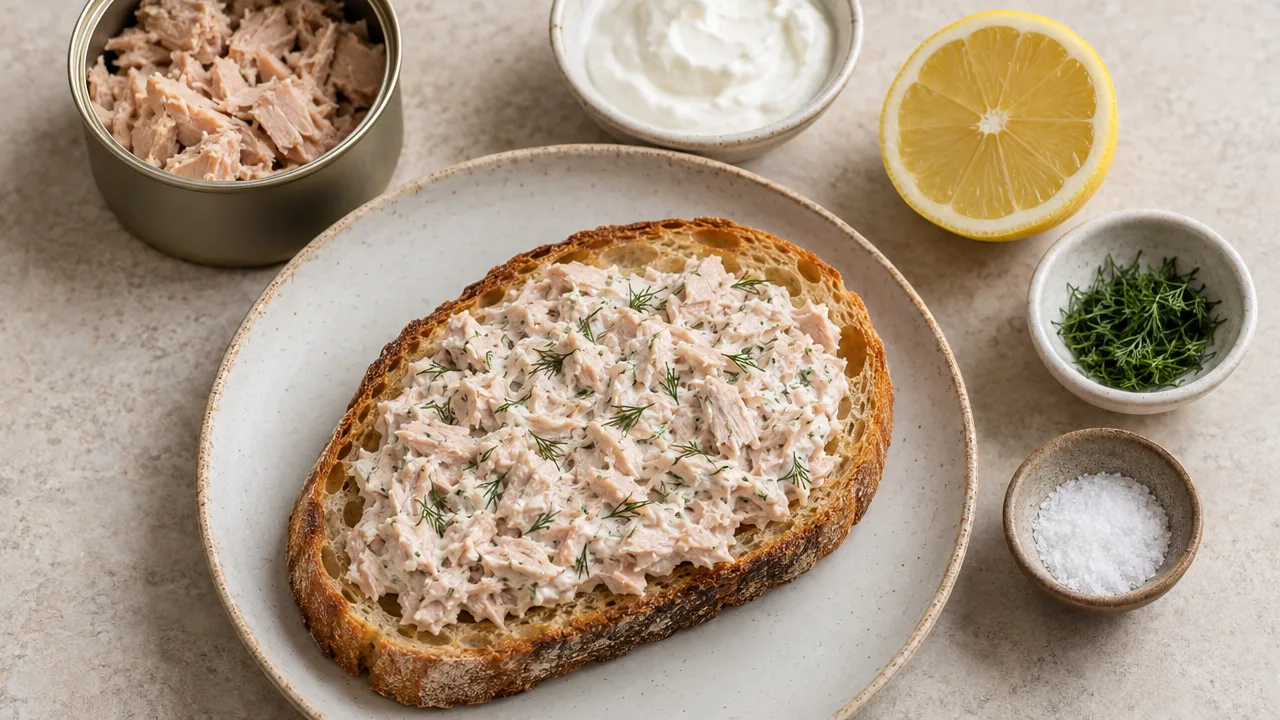
Recipes that use sourdough bread
Sources
- The Ulcerative Colitis Diet: What To Eat and Avoid (Cleveland Clinic)
- Sourdough processing & FODMAPs (Monash University FODMAP)
- Inflammatory bowel disease (IBD): Role of fiber (American Gastroenterological Association)
- How To Follow a Low-Fiber Diet (Cleveland Clinic)
- Crohn's Disease (Crohn's & Colitis UK)
- Nutritional interventions in adult fibrostenotic Crohn's disease: A systematic review (National Institutes of Health (PMC), from Frontiers in Nutrition 2023)
Written by Jude Horak, a UC patient. Sources last checked 2026-08-12. Spotted an error? Tell me.