Can I eat tuna with ulcerative colitis?
By Jude Horak, UC patient. Sources checked 2026-08-12.
Also searched as: canned tuna, tuna fish.
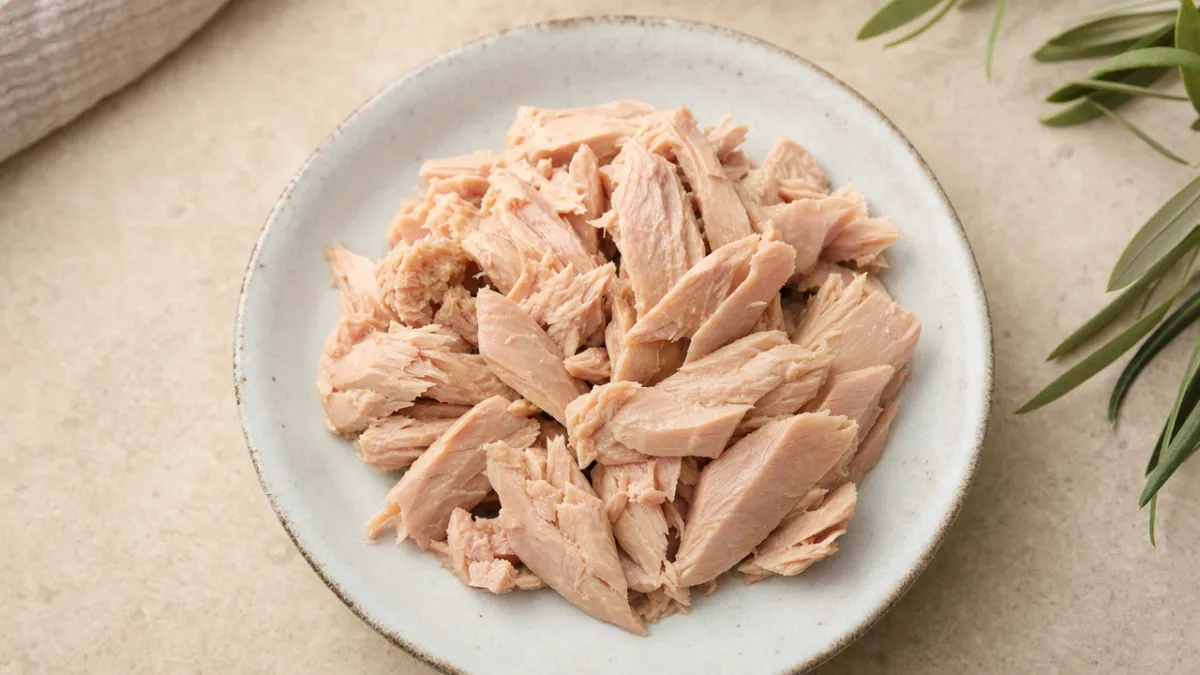
Tuna is a lean, easy-to-digest source of complete protein and omega-3 fatty acids, and it is specifically called out as an easier-to-digest protein choice during a flare, alongside eggs, chicken, and tofu.
During a flare
Plain canned or cooked tuna (not fried, not heavy mayo-based salads with raw crunchy add-ins) is a commonly suggested flare-friendly protein.
In remission
Tuna is generally well tolerated in remission and is one of the recommended oily-fish options for regular omega-3 intake.
What the research says about tuna and UC
The Gastrointestinal Society (badgut.org) names tuna directly in its list of easier-to-digest proteins for a flare, alongside eggs, chicken, and tofu, and points to canned fish as a practical way to get protein without much cooking. The Crohn's & Colitis Foundation groups tuna with other fish in the lean-protein set it recommends during active disease, and separately encourages omega-3-rich fish as part of an overall pattern associated with lower inflammation.
The detail worth knowing is that tuna sits in the middle of the fish spectrum. Canned light tuna in water is very lean, closer to cod than to salmon, while fresh tuna steak and canned albacore carry more fat and more omega-3. Neither organization separates these, and neither reports research on tuna specifically in ulcerative colitis, so the flare recommendation is an inference from tuna's low fat and soft texture rather than a tested finding. Mercury is the other topic the sources do not address: it is a general dietary concern rather than an IBD one, and it favors light tuna over albacore for anyone eating it several times a week. The tuna itself is rarely the issue in practice; the mayonnaise, raw celery, and onion in a typical tuna salad are the more likely culprits.
Ways to make it gentler
- Choose canned in water over heavily fried preparations
- Go light on mayo, raw onion, or celery mix-ins during a flare
How I handle tuna
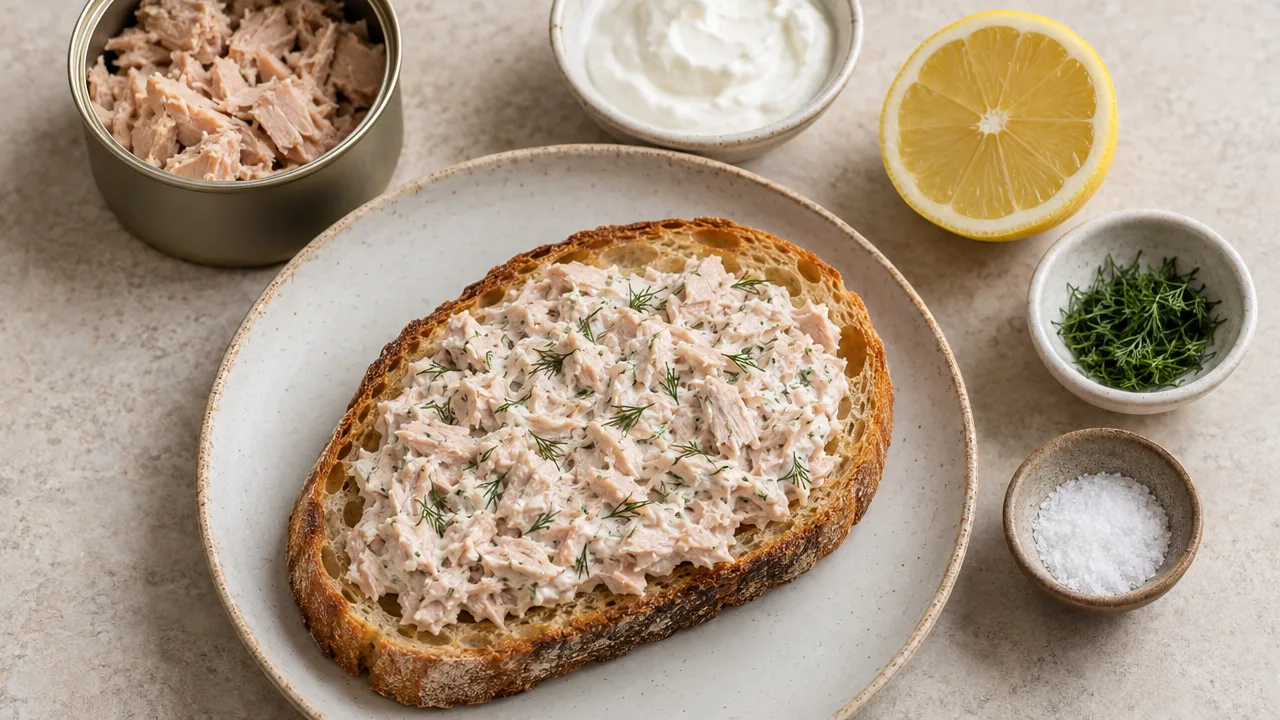
A can of tuna in water is my emergency protein. It lives in the cupboard, needs no cooking, and I can eat it in under two minutes on a day when standing at the stove is not happening. During a flare I drain it well and mix it with a small amount of mayonnaise, a pinch of salt, and nothing crunchy, then eat it with rice crackers or on soft white bread. Celery and red onion, which I like in tuna salad when I am well, stay out until remission because raw vegetables are a separate test. Tuna melts I approach with more care: the cheese and butter push the fat up, so I keep those for good weeks. Seared tuna steak is a remission treat rather than a flare food, mostly because it is expensive and I want to enjoy it properly.
How much, and how to test it
A half can of light tuna in water, drained, is a modest first portion, mixed with a teaspoon of mayonnaise at most and served on plain crackers or rice. Skip raw add-ins entirely on the first try. Watch for nausea, cramping, and stool changes over the following day or two. If it goes well, use a full can next time, then add a little more mayonnaise, then reintroduce soft-cooked or finely chopped vegetables one at a time. Tuna in oil and fresh tuna steak are reasonable later steps once the plain version is clearly tolerated.
What you get from tuna
A drained can of light tuna in water gives roughly 20 grams of protein for very few calories, plus selenium, vitamin B12, niacin, and a modest amount of omega-3 fat. Its low calorie count is a mixed blessing: good for protein without fat during a flare, less good if the goal is regaining lost weight, when adding olive oil or mayonnaise once tolerated makes sense. Sodium runs high in most cans, which matters if salt intake is being watched.
Questions people ask about tuna and UC
Can I eat tuna if I have colitis?
Yes for most people, and it is one of the flare proteins patient organizations name specifically. Canned tuna in water is lean, soft, and cooked, so there is little in it to irritate an inflamed colon. The usual advice is to keep the accompaniments simple: little mayonnaise, no raw crunchy vegetables, and no frying while symptoms are active. In remission tuna in any form is generally fine.
Is canned tuna okay during an ulcerative colitis flare?
Canned tuna is often easier to manage during a flare than many freshly cooked proteins, simply because it requires nothing but a can opener. Choose tuna packed in water over oil to keep fat low, drain it well, and mash it to a fine texture. Pouches work the same way. If the salt bothers you, a quick rinse under the tap removes some of it.
Does tuna have omega-3 for inflammation like salmon?
Some, but less. Light tuna packed in water contains a fraction of the omega-3 found in salmon or sardines, while albacore and fresh tuna steak have more. The Crohn's & Colitis Foundation encourages omega-3-rich fish in general, so tuna contributes to that goal without being the strongest option. Its bigger advantage in IBD is convenience and low fat rather than omega-3 content.
Is tuna salad bad for colitis?
The tuna is rarely the issue. A typical deli tuna salad is heavy on mayonnaise and full of raw celery and onion, and each of those can be a problem on its own during a flare: the fat from the mayo and the insoluble fiber and FODMAPs from the vegetables. Making it at home with a light hand on the mayo and no raw crunch turns it back into a gentle meal.
Recipes that use tuna
Sources
- Inflammatory Bowel Disease Nutrition Tips (Crohn's Disease and Ulcerative Colitis) (Gastrointestinal Society (badgut.org))
- What Should I Eat with Crohn's or Colitis? IBD Diet Guide (Crohn's & Colitis Foundation)
Written by Jude Horak, a UC patient. Sources last checked 2026-08-12. Spotted an error? Tell me.