Can I drink beer with ulcerative colitis?
By Jude Horak, UC patient. Sources checked 2026-08-12.
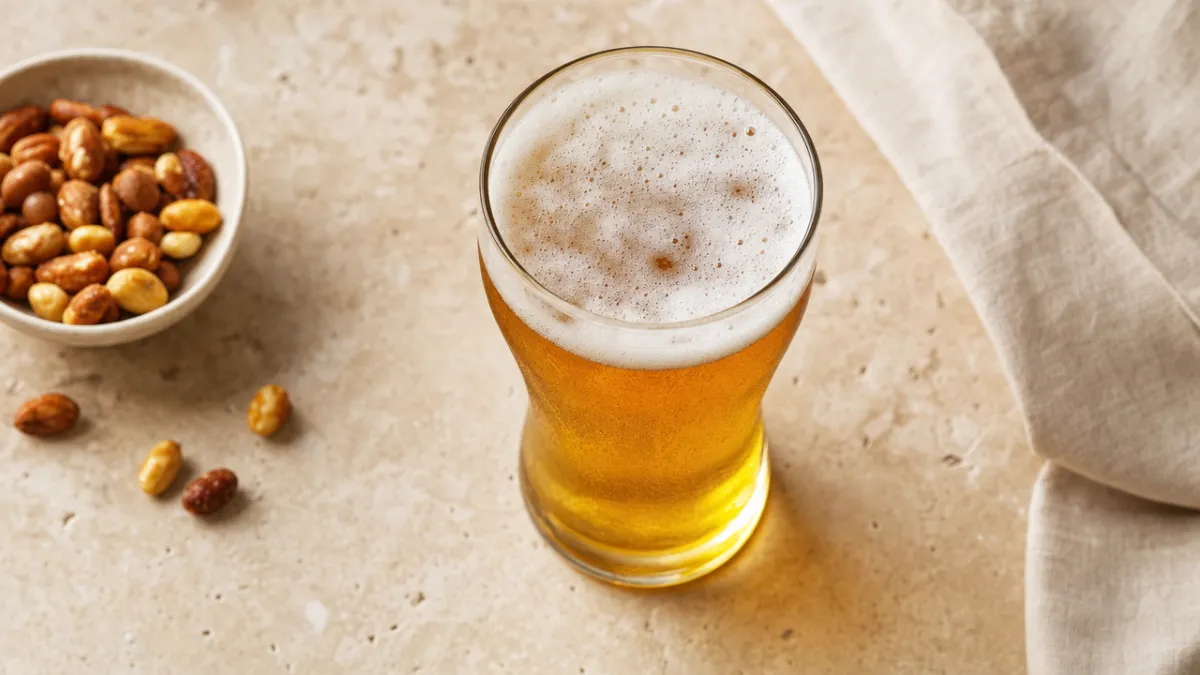
Beer combines alcohol with carbonation, so it carries both alcohol's gut-stimulating, irritant effects and the gas-producing effect of carbonated drinks. A large cohort study found that moderate beer/cider intake wasn't clearly associated with higher IBD risk, but heavy drinking (roughly 28+ units a week) was linked to meaningfully higher risk.
During a flare
Beer is commonly avoided during flares because the combination of alcohol and carbonation can add to diarrhea, bloating, and gas.
In remission
Light to moderate beer intake is tolerated by many people in remission, but heavier drinking has been linked to higher IBD risk in research, so moderation matters more than with some other drinks.
What the research says about beer and UC
Beer appears by name in the UK Biobank cohort study published in PMC (National Institutes of Health), which compared drinking patterns across 7,095 people with IBD and about 495,000 without. Moderate beer and cider intake was not clearly associated with higher IBD risk, but high intake was: heavy beer and cider drinkers had roughly 26 percent higher odds of IBD, and the dose-response curve rose with the amount consumed. This is risk of developing IBD in the general population, not a measure of how a pint affects an existing case of UC, and the study did not separate beer from cider or look at carbonation, gluten, or hops.
Beer is also named directly in Cleveland Clinic's nutritional plan for Crohn's and UC as a poor choice when you are having symptoms, alongside wine and liquor, on the basis that alcohol irritates the GI tract of anyone who is already symptomatic. The carbonation concern that most people associate with beer is not addressed in either source; it comes from general experience with fizzy drinks and bloating rather than from beer-specific UC research. Nothing here quantifies a safe amount or describes what happens to flare frequency in beer drinkers, so treat this page as general alcohol guidance applied to a carbonated drink.
Ways to make it gentler
- Let beer go a bit flat to reduce carbonation
- Pace drinks and stay hydrated
Safer swaps
- non-alcoholic beer, flat
- wine in moderation
How I handle beer
Beer is the alcoholic drink I am most careful with, because it fails on two fronts at once: the alcohol and the fizz. When I do have one in remission it is a single, lower-alcohol lager, poured into a glass and left to sit for a few minutes so some of the carbonation escapes, and always with a meal. Heavy, high-alcohol styles and anything hazy or unfiltered feel worse for me, so I stay with simple, clear beers. I do not drink beer during a flare at all; the bloating from carbonation on top of an inflamed colon is not worth it. Cold, fast, on an empty stomach at a bar is the version I avoid entirely, since that is the combination that seems to send people to the bathroom fastest. Non-alcoholic beer is a decent stand-in for the social part, though I let that go flat too.
How much, and how to test it
Try half a standard bottle or can, around 6 ounces, of a light, clear lager with dinner. Pour it out and let it stand so it loses some fizz before you drink it. Make that the only new thing that day. Bloating or gas that evening, looser stools the next morning, and any rise in urgency over the following three days are the things to write down. If it passes, move to a full serving on another night before ever considering two. Back off if bloating is prominent, if the next-morning stool is clearly looser, or if you are anywhere near a flare.
What you get from beer
A regular beer runs about 150 calories, most from alcohol and carbohydrate, with small amounts of B vitamins, potassium, and magnesium from the malt. Those calories can be relevant if weight is falling in active disease, but beer is a poor way to get them because it also dehydrates, and fluid loss is the bigger UC problem. Most beers contain gluten from barley or wheat, which matters only if you also react to gluten. Carbonation adds gas, not nutrition.
Why this one shows up on trigger lists
Beer is flagged for 2 of the properties that most commonly cause UC symptoms. Each page explains the mechanism and lists every other food that carries it.
Questions people ask about beer and UC
Can you drink beer with ulcerative colitis?
Many people in remission drink a beer occasionally without obvious trouble, while others find beer specifically is the drink that gets them. The two variables are the alcohol and the carbonation, and either can be the issue. A single, light, slightly flat beer with food is the version most likely to pass. During a flare beer is one of the more commonly avoided drinks for good reason.
Is beer worse than wine for colitis?
Often, though not universally. Beer adds carbonation and a larger volume of liquid per drink, and the cohort research cited here linked heavy beer intake to higher IBD risk while red wine showed the opposite pattern. That is population data, not individual prediction. Some people tolerate a light lager better than an acidic white wine. Testing each in isolation is more useful than assuming one ranking.
Does letting beer go flat actually help?
It removes one of the two irritants. Less dissolved gas means less bloating and fewer gas pains, which people with an inflamed colon often notice. The alcohol is unchanged, so flat beer still stimulates and dehydrates. Pouring into a glass, stirring gently, and waiting a few minutes takes out a surprising amount of fizz without tasting much different.
Is non-alcoholic beer okay with UC?
It removes the alcohol, which is the bigger irritant, and keeps the carbonation, which is the smaller one. For many people in remission that makes it a reasonable social swap. It is still a fizzy, sometimes sugary drink, so it is not a flare-day beverage. Some non-alcoholic beers carry more residual sugar than the regular version, so glance at the label.
Sources
- Risk of inflammatory bowel disease appears to vary across different frequency, amount, and subtype of alcoholic beverages (National Institutes of Health (PMC))
- A Nutritional Plan for Anyone Living With Crohn's Disease or Ulcerative Colitis (Cleveland Clinic)
Written by Jude Horak, a UC patient. Sources last checked 2026-08-12. Spotted an error? Tell me.