Can I drink decaf coffee with ulcerative colitis?
By Jude Horak, UC patient. Sources checked 2026-08-12.
Also searched as: decaffeinated coffee.

Removing caffeine lowers the stimulant load, but research comparing caffeinated and decaf coffee found decaf still produced a measurable increase in colonic motor activity, just a weaker one. That means non-caffeine compounds in coffee, not caffeine alone, drive some of its gut-stimulating and acid-producing effects.
During a flare
Decaf is often gentler than regular coffee during a flare, but it can still speed up bowel activity or add acidity for some people, so it's a caution rather than a clear green light.
In remission
Most people in remission tolerate decaf coffee without issue; if regular coffee is a known trigger for you, decaf is a reasonable first swap to test.
What the research says about decaf coffee and UC
Decaf gets its own entry because the research does not treat it as neutral. In the 2022 pediatric colonic manometry study available through PMC (National Institutes of Health), decaffeinated coffee still produced measurable colonic contractions, just a smaller and slower response than caffeinated coffee. The paper also notes that earlier adult studies found decaf stimulated the colon more than water. The authors' interpretation was that compounds in coffee other than caffeine likely trigger part of the response, which fits the everyday experience of people who switch to decaf and still feel their morning cup move things along. Sample size was small (16 children) and the setting was a motility lab, so the size of the effect in adults with an inflamed colon is unknown.
The second source, Cleveland Clinic's ulcerative colitis diet article, does not mention decaf, or coffee, at all. Its flare advice is general: stay hydrated with water, broth, and soups, keep a food diary, and work with an IBD dietitian on personal triggers. That silence is worth stating plainly. The caution rating on this page rests on the manometry finding plus reasonable extrapolation from the general caffeine advice, not on any study of decaf in people with UC. Roast acidity, another common complaint, has no UC-specific evidence in either source.
Ways to make it gentler
- Choose a low-acid decaf roast if acidity bothers you
- Pair with food
Safer swaps
- herbal tea
- water
- diluted decaf
How I handle decaf coffee
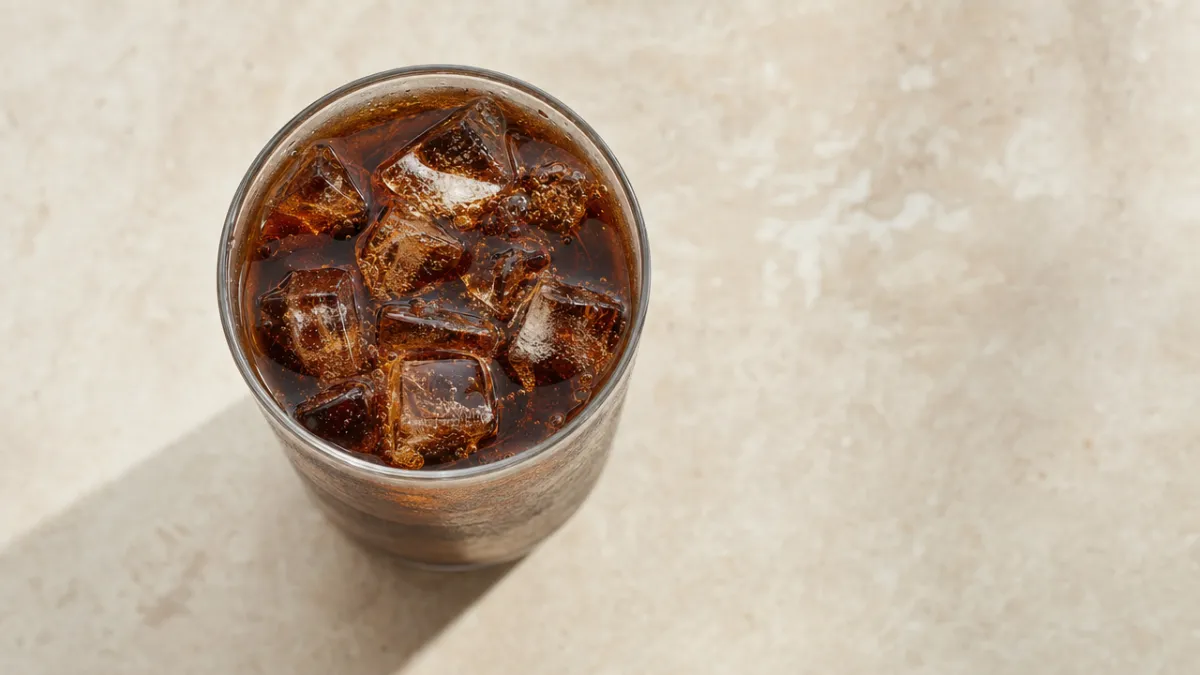
Decaf is my compromise drink, and I treat it as a step down rather than a free pass. When regular coffee is clearly too much but I still want the ritual, decaf with a splash of milk gets me most of the way there with a gentler push on the gut. I stick with a smoother, darker roast because the sharper light roasts sit worse in my stomach, and I never drink it on an empty stomach in the morning; toast or oatmeal goes first. Iced decaf feels easier on rough days than hot, which may be a temperature thing rather than the coffee itself. The trap I try to avoid is assuming decaf is harmless and drinking three of them. One cup, with food, and I still watch for the same signals I watch with regular coffee: urgency in the hour after, or an extra loose movement later in the morning.
How much, and how to test it
Begin with a small cup, about 6 ounces, of a low-acid decaf, taken after breakfast rather than before it. Keep everything else in the meal familiar so the decaf is the only variable. Watch the next two to three days for extra stools, cramping shortly after drinking, or heartburn, which points to acidity rather than motility. If nothing shifts, move to a standard cup and then, if you want, a second cup later in the day. Back off if stools loosen or if the morning urge becomes noticeably sharper than on decaf-free days.
What you get from decaf coffee
Nutritionally decaf is nearly identical to regular coffee: negligible calories, a small amount of potassium, and water. The decaffeination process removes most of the caffeine but leaves the acids and oils behind, which is why it can still bother a sensitive stomach. Because it lacks the stimulant, decaf counts more reliably toward daily fluid intake, a real consideration when diarrhea is draining you. Milk or a fortified plant milk added to it contributes calcium and some protein, both easy to fall short on during a flare.
Why this one shows up on trigger lists
Decaf Coffee is flagged for one of the properties that most commonly cause UC symptoms. Each page explains the mechanism and lists every other food that carries it.
Questions people ask about decaf coffee and UC
Can I drink decaf coffee with colitis?
Often yes, particularly in remission, and it is a reasonable swap to try if regular coffee is a known trigger. The catch is that decaf is weaker, not inert: it still contains compounds that nudge the colon, and its acidity is unchanged. During an active flare many people find even decaf adds a little urgency, so a small cup with food is the usual approach, and skipping it on the worst days costs nothing.
Is decaf coffee less acidic than regular coffee?
Not meaningfully. Acidity comes from the roast and the bean more than from the caffeine, so decaf and regular versions of the same roast tend to be similar. If acidity is your problem, a dark roast, a cold brew, or a decaf labeled low-acid tends to help more than the decaf switch alone. Adding milk also buffers it, if dairy suits you.
Does decaf still make you go to the bathroom?
For many people, yes, though usually with less force than regular coffee. The manometry research cited on this page found decaf still stimulated colonic contractions, only more slowly. Warm liquid first thing in the morning also stimulates the gut on its own. If you notice the effect, drinking it after food and later in the morning rather than on waking tends to soften it.
How much decaf is reasonable during a flare?
There is no studied threshold. A workable rule many people settle on is one small cup, taken with a meal, on days when urgency is manageable, and none on days when it is not. Because the trigger is motility rather than inflammation, the risk is discomfort rather than damage, so the decision can be made day by day without much downside either way.
Sources
- Effect of Caffeine on Colonic Manometry in Children (National Institutes of Health (PMC))
- The Ulcerative Colitis Diet: What To Eat and Avoid (Cleveland Clinic)
Written by Jude Horak, a UC patient. Sources last checked 2026-08-12. Spotted an error? Tell me.