Can I drink alcohol with ulcerative colitis?
By Jude Horak, UC patient. Sources checked 2026-08-12.
Also searched as: alcoholic drinks, drinking alcohol.
Have Crohn's instead? Jump to the Crohn's notes
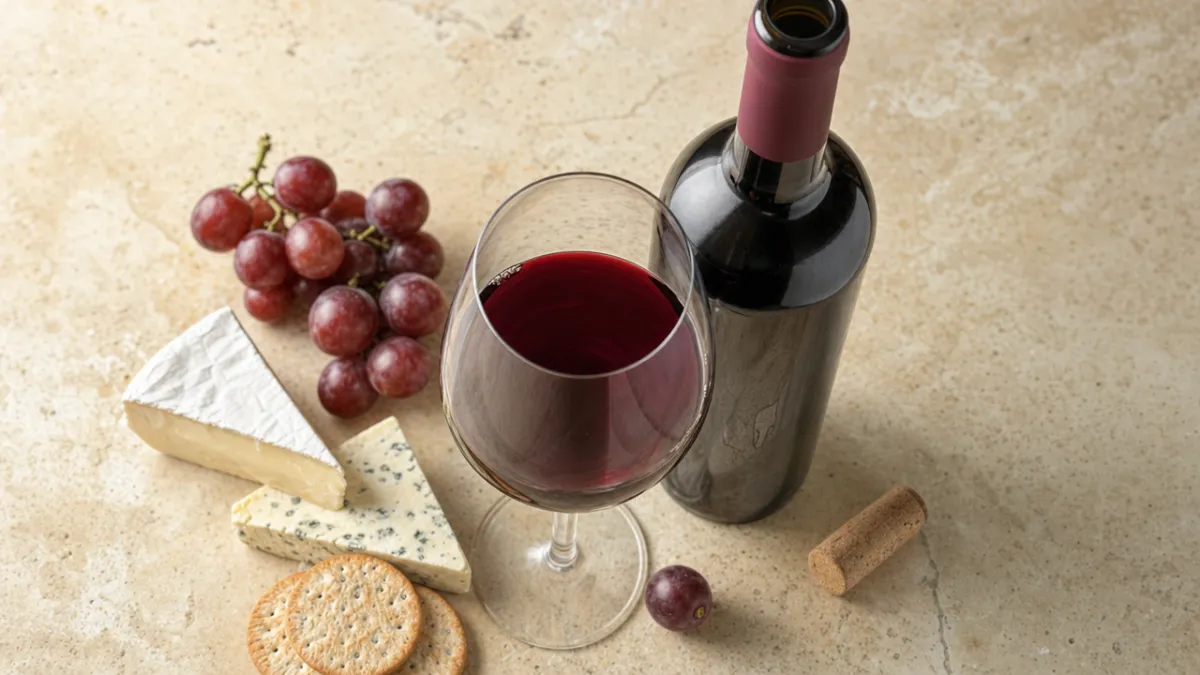
Alcohol can stimulate the intestine and irritate the GI lining, which commonly worsens diarrhea during active disease. A large UK Biobank cohort study looked at the risk of developing IBD and found it varied by beverage type, amount, and frequency rather than alcohol acting as one uniform exposure; it did not measure symptom effects in people who already have UC, so day-to-day tolerance is mostly patient-reported. Alcohol can also interact with some IBD medications, which is worth discussing with your care team rather than figuring out alone.
During a flare
Alcohol is one of the most commonly avoided items during a flare because it can stimulate the gut and worsen diarrhea and cramping.
In remission
Response to alcohol in remission is highly individual and depends on the type and amount consumed; if you drink, going slowly and noting how specific drinks affect you is more useful than a blanket rule.
What the research says about alcohol and UC
The strongest data here come from a UK Biobank cohort analysis published in PMC (National Institutes of Health), covering 7,095 people with IBD and roughly 495,000 without. It reported that IBD risk varied by drink type: red wine drinkers had a 12 to 16 percent lower risk than non-drinkers, white wine and champagne drinkers had a higher risk even at one to two glasses a week, spirits drinkers had higher risk, and heavy beer and cider intake was also linked to higher risk. Two caveats are essential. The study measured who develops IBD, not how alcohol affects someone who already has it, and the authors still concluded that alcohol intake is not recommended overall. They also noted that alcohol is the single most-avoided dietary item reported by IBD patients.
The position taken by Cleveland Clinic in its nutritional plan for Crohn's and UC is simpler: alcohol can irritate anyone's GI tract, especially people already experiencing symptoms, and that applies to every type of alcoholic drink. Its dietitian singles out beer, wine, and liquor as poor choices while symptomatic. Neither source offers a safe amount, a mechanism specific to UC, or any data on flare frequency in drinkers versus abstainers. Interactions between alcohol and IBD medications are real and vary by drug, and that is a question for your care team, not this page.
If you have Crohn's instead of UC
I have UC, not Crohn's, so this part is research rather than experience.
For Crohn's, the evidence on alcohol is thinner than for UC, not stronger. A 2021 review in Gastroenterology & Hepatology notes that the prospective research linking drinking to relapse was done in ulcerative colitis. The Crohn's data are self-reported surveys: in one, 40% of Crohn's patients said alcohol worsened their symptoms. Crohn's & Colitis UK likewise says there is not enough high-quality evidence to know whether alcohol raises flare risk, though many people report it makes symptoms worse. On whether drinking causes Crohn's in the first place, a meta-analysis cited in the review found no link to new-onset disease.
Without trials, your own pattern is the most useful evidence. NIDDK notes that a doctor may suggest a food diary, and logging which drinks, how many, and what followed can show whether alcohol lines up with bad days. The review's authors judged that the evidence trends toward harm, so a clear pattern deserves weight even without a study behind it.
Based on: National Institutes of Health (PMC), from Gastroenterology & Hepatology (N Y) 2021; Crohn's & Colitis UK; NIDDK (National Institutes of Health). More on how Crohn's and UC diets differ.
How alcohol affects the gut
Ethanol irritates the gut lining directly, and heavy drinking increases intestinal permeability in lab and human studies, the leaky gut idea with actual evidence behind it. Alcohol also speeds transit through the small intestine and colon, interferes with water and nutrient absorption, shifts the microbiome, and the dehydration the next morning compounds diarrhea. Each drink then adds its own layer: carbonation and fructans in beer, tannins and sulfites in wine, sugar and often sweeteners in mixers. That is why beer, wine, and general alcohol each get their own row.
The research does not treat alcohol as one thing either. A large cohort study found heavy drinking associated with higher risk of developing IBD, moderate beer and cider not clearly associated, red wine with somewhat lower risk, and white wine and champagne with higher risk as intake rose. Those are population associations. In people who have UC, a small prospective study linked alcohol in remission to more symptom reports the following day, and patient surveys consistently rank it among the most common self-reported triggers. Alcohol does not cause ulcerative colitis, an immune-mediated disease; heavy drinking can inflame the gut on its own, but that is a separate, temporary irritation.
Testing alcohol belongs in remission only, and the useful window is 24 hours, not the evening. One drink type, one drink, with a meal, water alongside, notes the next morning. Compare a glass of wine one week, a beer the next, a spirit in a flat mixer the week after. Ask your prescriber whether any of your medications carry an alcohol caution before running any of this; that answer is specific to you.
Alcohol in general, beer, and wine are all rated avoid in a flare and caution in remission. Beer is usually reported as the hardest because of the stacking. Kombucha is on the page for its trace alcohol only; its real problems are carbonation and fructans.
What usually helps
- If you drink in remission, keep it small, slow, and with food.
- Ask your team specifically about your meds: this one is not a generic answer.
- Alternate with water; dehydration makes everything worse.
Beer, wine, and other drinks compared
Ways to make it gentler
- Stay hydrated alongside alcohol
- Avoid drinking on an empty stomach
Safer swaps
- non-alcoholic beer/wine
- sparkling water with juice
How I handle alcohol
My approach to alcohol is a set of conditions rather than a yes or no. First, not during a flare, full stop, because it fails every test at once: it irritates, it dehydrates, and it loosens stools that are already loose. Second, in remission I choose the drink by its ingredients. A clear spirit with a still mixer, or a small glass of wine with dinner, sits far better for me than anything fizzy or sugary. Third, I eat first. A drink on an empty stomach hits my gut faster and harder. Fourth, I match every drink with a glass of water, not as a ritual but because dehydration is the part that actually makes the next day miserable. Fifth, I stop at one or two. The research on heavy drinking is unambiguous enough that volume is the line I care about most. And I treat the medication question as a care-team question, not something to guess at.
How much, and how to test it
If you are in remission and want to test alcohol, start with a single standard drink, chosen for simplicity: a small glass of wine or a clear spirit with a still mixer, with a meal, on a night when you have nothing early the next day. Skip beer and sugary cocktails for the first test. Watch the next 24 to 72 hours for looser stools, extra urgency the following morning, cramping, or a sense that the gut is generally more reactive. If that passes, repeat on another week before trying two drinks. Back off entirely if symptoms appear, and stay off during any flare.
What you get from alcohol
Alcohol brings calories without nutrients, roughly 7 per gram, and beyond that it works against several things UC already strains. It is a diuretic, so it deepens the fluid loss that diarrhea causes. It can interfere with absorption of folate, B vitamins, and zinc over time, nutrients that are already at risk in active disease. Regular drinking also adds to bone loss, which matters for anyone who has needed steroid courses. Sugary mixers stack an osmotic load on top.
Questions people ask about alcohol and UC
Can alcohol cause ulcerative colitis?
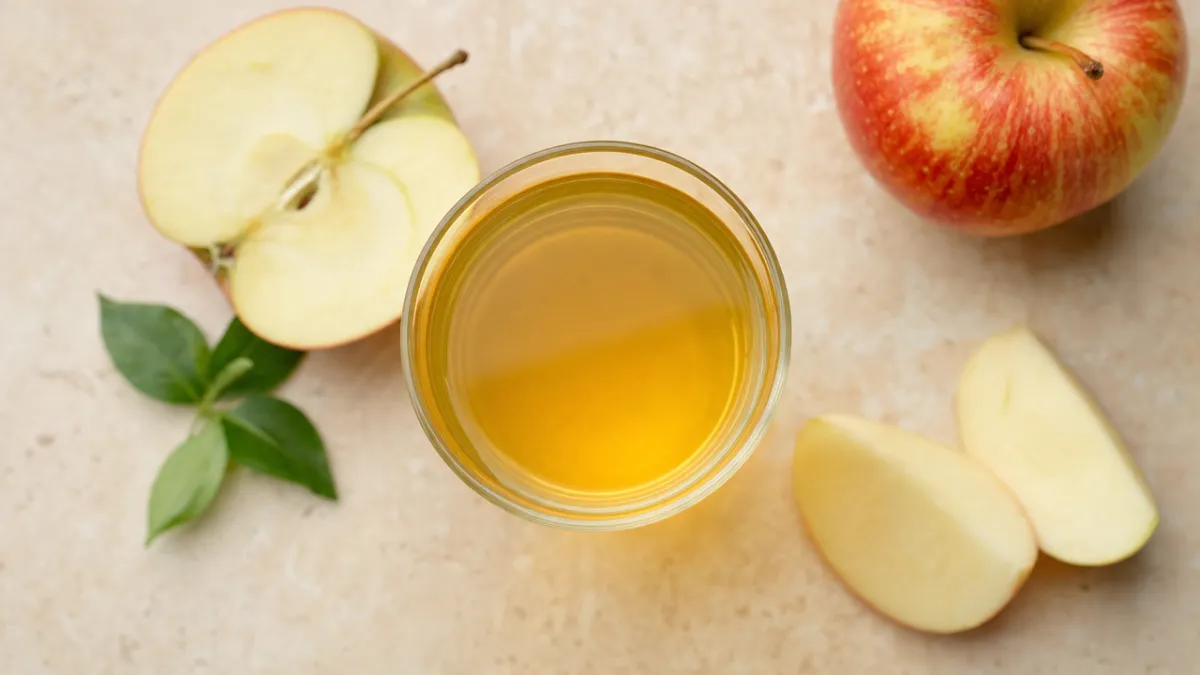
Not according to the cited cohort study, which found the picture varies by drink type: red wine drinkers actually had slightly lower IBD risk, while white wine, spirits, and heavy beer intake were associated with higher risk. Association is not cause, and UC is understood to arise from genetics, immune response, and environment together. Alcohol is better thought of as something that can aggravate an existing UC than as its origin.
What is the best alcohol to drink with ulcerative colitis?
No drink is recommended, but if you drink in remission, many people report the least trouble from small amounts of drinks with fewer variables: a clear spirit with a still mixer, or a modest glass of wine with food. Beer combines alcohol with carbonation and often gluten and fermentable carbohydrates, so it tends to be the harshest, and sugary cocktails add an osmotic load. Amount matters more than type.
Does alcohol make ulcerative colitis worse?
It commonly worsens symptoms during a flare, through gut irritation, faster transit, and dehydration, which is why Cleveland Clinic advises against it while symptomatic. Whether it worsens the underlying disease course is less clear; the cited cohort study concerns risk of developing IBD, not flare rates in existing patients. Many people in stable remission find a small amount tolerable. Some find any amount sets them back.
What can I drink instead of alcohol at social events?
The useful swaps keep the ritual without the irritant. Sparkling water with a splash of juice works if carbonation suits you; still water with lime if it does not. Non-alcoholic beer and wine exist but keep the carbonation or sugar, so they are not automatically gentler. A warm herbal tea late in the evening is often the most comfortable option during a flare. Holding a glass of anything tends to end the questions.
Can you drink beer with ulcerative colitis?
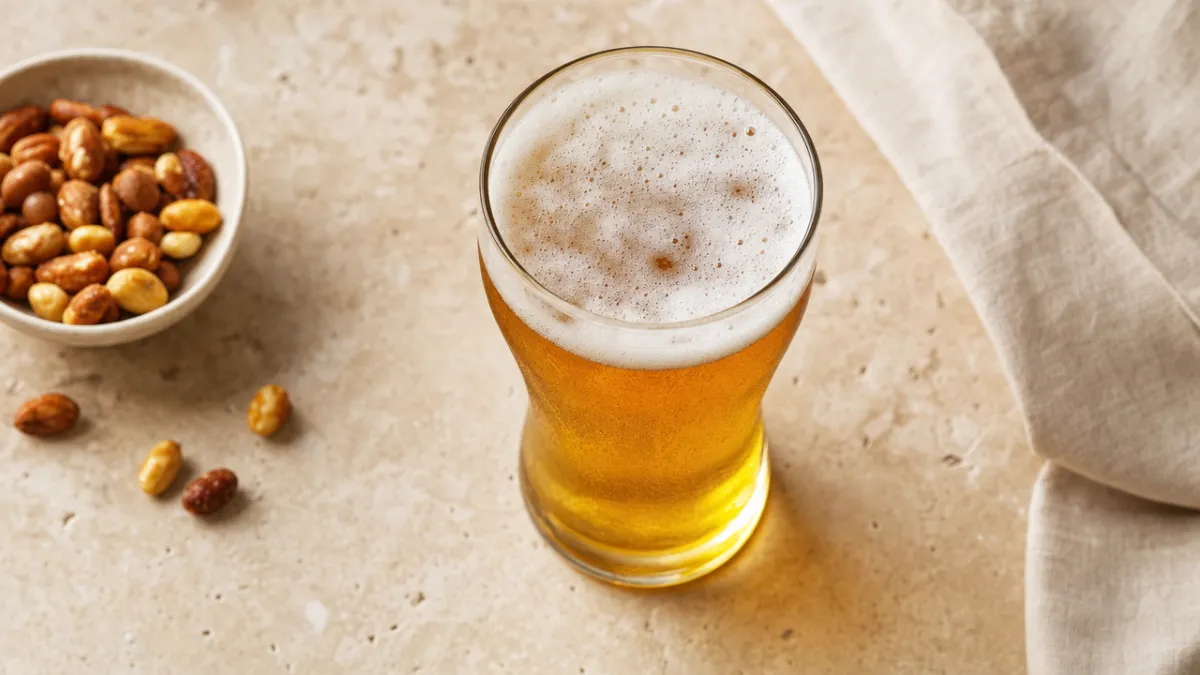
In remission, cautiously; in a flare, it is rated avoid. Beer is usually the hardest alcoholic drink for people with UC because it stacks alcohol with carbonation, fermentable carbohydrates from barley and wheat, and sheer volume. A single small beer with a meal is how most people test it. Non-alcoholic beer keeps the carbonation and the fermentable carbs, so it is not automatically gentler; a small glass of wine is the more common easy option.
What is the best alcohol to drink with Crohn's disease?
No study has ranked drinks for Crohn's, so there is no evidence-backed best choice. The one drink-specific finding in the 2021 review comes from New Zealand, where 55% of Crohn's patients reported worse symptoms with beer, with similar complaints about other carbonated drinks like cola and energy drinks. That hints the fizz may matter as much as the alcohol, though it rests on self-report. Testing a still drink before a fizzy one is a reasonable hunch, not a proven rule.
Sources
- A Nutritional Plan for Anyone Living With Crohn's Disease or Ulcerative Colitis (Cleveland Clinic)
- Risk of inflammatory bowel disease appears to vary across different frequency, amount, and subtype of alcoholic beverages (National Institutes of Health (PMC))
- Alcohol Use in Patients With Inflammatory Bowel Disease (National Institutes of Health (PMC), from Gastroenterology & Hepatology (N Y) 2021)
- Food and Crohn's or Colitis (Crohn's & Colitis UK)
- Eating, Diet, & Nutrition for Crohn's Disease (NIDDK (National Institutes of Health))
Written by Jude Horak, a UC patient. Sources last checked 2026-08-12. Spotted an error? Tell me.