Can I drink diet soda with ulcerative colitis?
By Jude Horak, UC patient. Sources checked 2026-08-12.
Also searched as: diet pop, sugar-free soda.
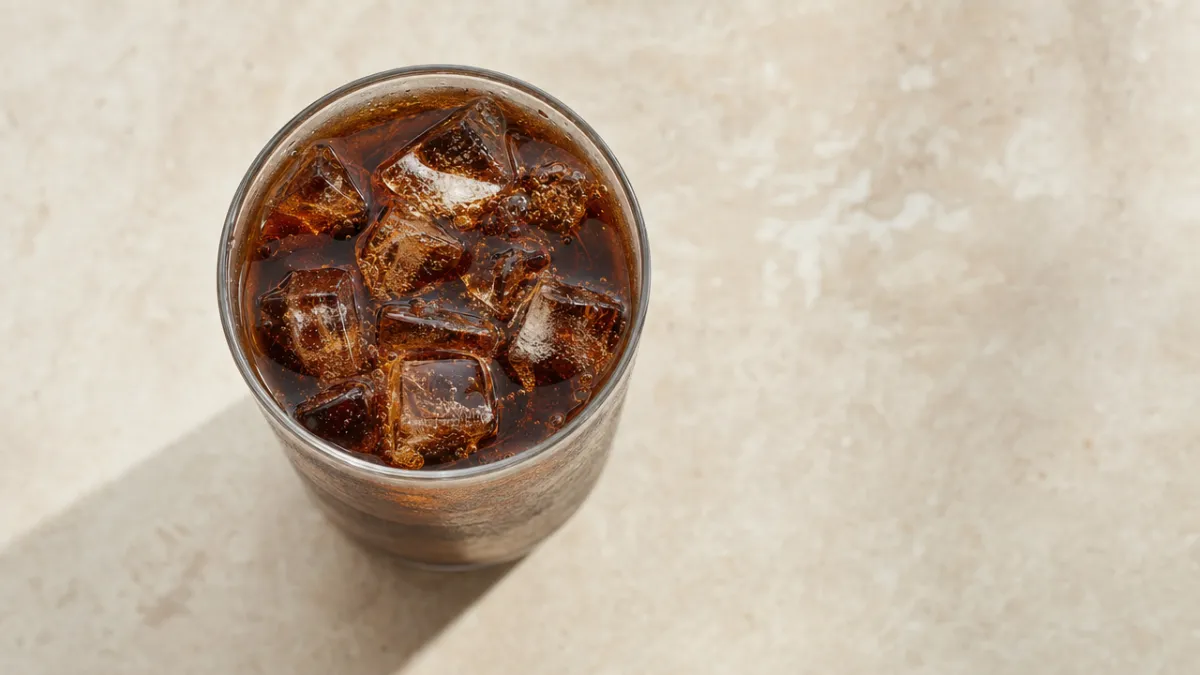
Diet soda avoids the high sugar load of regular soda but keeps the carbonation, which can still add to gas and bloating. Animal-model research found that the artificial sweetener sucralose can promote gut inflammation, disrupt gut bacteria, and increase colitis-associated tumor development in mice, though this is a lab model finding and doesn't establish the same outcome in people drinking normal amounts of diet soda.
During a flare
Carbonation in diet soda can still add to bloating and gas during a flare, even without the sugar found in regular soda.
In remission
Occasional diet soda is what many people in remission tolerate, but given the animal-model concerns around sucralose and gut inflammation, it's reasonable to keep intake moderate and pay attention to your own response.
What the research says about diet soda and UC
The specific research on this page is a mouse study published in PMC (National Institutes of Health) on sucralose, the sweetener in many diet sodas. Mice given sucralose in their drinking water for six weeks, then subjected to a chemical model of colitis-associated colon cancer, developed more and larger tumors, worse colon damage, altered gut bacteria, weakened gut barrier molecules, and higher inflammatory signaling than mice without sucralose. The same group reported earlier that sucralose worsened chemically induced colitis in mice. These are animal findings at doses and conditions that do not map neatly onto a person drinking a can, and no human trial of diet soda in UC exists in the cited material.
Diet soda and sucralose go unmentioned in Cleveland Clinic's nutritional plan for Crohn's and UC, but that guidance does warn about sugar alcohols such as sorbitol, xylitol, and maltitol found in some drinks, which are poorly absorbed and commonly cause gas, bloating, and diarrhea. Some sugar-free drinks use erythritol or other polyols rather than sucralose, so the label matters. Carbonation, which diet soda shares with regular soda, is not addressed by either source. The caution rating here reflects a lab signal on one sweetener plus general guidance on sugar alcohols, not evidence that diet soda harms people with UC.
Ways to make it gentler
- Let it go flat before drinking
- Rotate with water or herbal drinks
Safer swaps
- flavored still water
- diluted juice
- water
How I handle diet soda
Diet soda is the drink where I read the label most carefully, because sugar-free can mean several different things. If the sweetener is a sugar alcohol like erythritol or sorbitol, I skip it outright; those loosen stools for me in the same way they do for most people. With sucralose or aspartame I am less strict but still moderate: one can now and then in remission, never as a daily habit, partly because of the animal research and partly because I do not need a fizzy drink every day. I let it go flat the same way I do with regular soda, since the carbonation is the part I feel immediately. On flare days it is out; the bubbles alone are enough reason. When I want something cold and flavored without the fuss, plain water with a squeeze of lemon or a splash of juice does the job with fewer unknowns.
How much, and how to test it
Check the ingredient list first and set aside anything sweetened with sorbitol, erythritol, xylitol, or maltitol for a separate test. Then try half a can of a sucralose- or aspartame-sweetened, caffeine-free version, allowed to go partly flat, with a meal. Note over the next 24 to 72 hours whether bloating or gas appears within hours and whether stools loosen by the next day. If it passes, move to a full can on another day. Back off if bloating is notable or stools change, and keep it occasional rather than daily even if it seems fine.
What you get from diet soda
Diet soda contributes essentially nothing: no calories, no protein, no potassium, no vitamins, just water, carbonation, flavoring, and sweetener. Its one nutritional argument is that it avoids the sugar load of regular soda, which does matter during diarrhea. Against that, it offers no help with weight maintenance when appetite is poor, and cola versions still carry caffeine and phosphoric acid. Versions sweetened with sugar alcohols can actively pull water into the bowel. As a fluid source, plain or lightly flavored water does the same job more reliably.
Why this one shows up on trigger lists
Diet Soda is flagged for 3 of the properties that most commonly cause UC symptoms. Each page explains the mechanism and lists every other food that carries it.
Questions people ask about diet soda and UC
Is diet soda better than regular soda for colitis?
On sugar alone, yes: it drops the osmotic load that loosens stool during a flare. Everything else is a wash or worse. Carbonation and caffeine are unchanged, and the sweetener introduces its own question, with animal research linking sucralose to worse colitis in mice and general guidance warning that sugar alcohols cause gas and diarrhea. Neither is a good flare-day drink; in remission either is an occasional choice rather than a habit.
Do artificial sweeteners cause colitis flares?
There is no human evidence in the cited sources that they trigger flares. The sucralose research is in mice at steady exposure, and it points at inflammation and gut bacteria, not at the acute flare a patient would notice. Sugar alcohols are a different case: they reliably cause gas and loose stools in many people through a simple osmotic effect, which can feel like a flare without being one. Reading the label separates the two.
Which sweetener in diet drinks is easiest on the gut?
From a gut-symptom standpoint, the polyols (sorbitol, xylitol, erythritol, maltitol) are the ones most consistently reported to cause bloating and diarrhea, so avoiding those is the clearest win. Sucralose, aspartame, and acesulfame potassium do not have that osmotic effect, though the long-term microbiome questions around sucralose remain open. Stevia-sweetened drinks are another option some people prefer. None has been tested in people with UC.
Can I drink diet soda during a flare?
Most people find it unhelpful. The carbonation adds gas to a cramping colon, cola versions add caffeine, and any polyol sweetener adds looseness. None of those is a safety issue, but none is comfortable either. Flat, in small amounts, a plain sucralose- or aspartame-sweetened version is not a disaster if it is the only thing you can face; water, broth, and an oral rehydration solution are the better flare-day fluids.
Sources
- Sucralose Promotes Colitis-Associated Colorectal Cancer Risk in a Murine Model Along With Changes in Microbiota (National Institutes of Health (PMC))
- A Nutritional Plan for Anyone Living With Crohn's Disease or Ulcerative Colitis (Cleveland Clinic)
Written by Jude Horak, a UC patient. Sources last checked 2026-08-12. Spotted an error? Tell me.