Spinach and Cheddar Omelet
By Jude Horak, UC patient. Remission. Breakfast.
- Prep
- 5 min
- Cook
- 8 min
- Total
- 13 min
- Serves
- 1
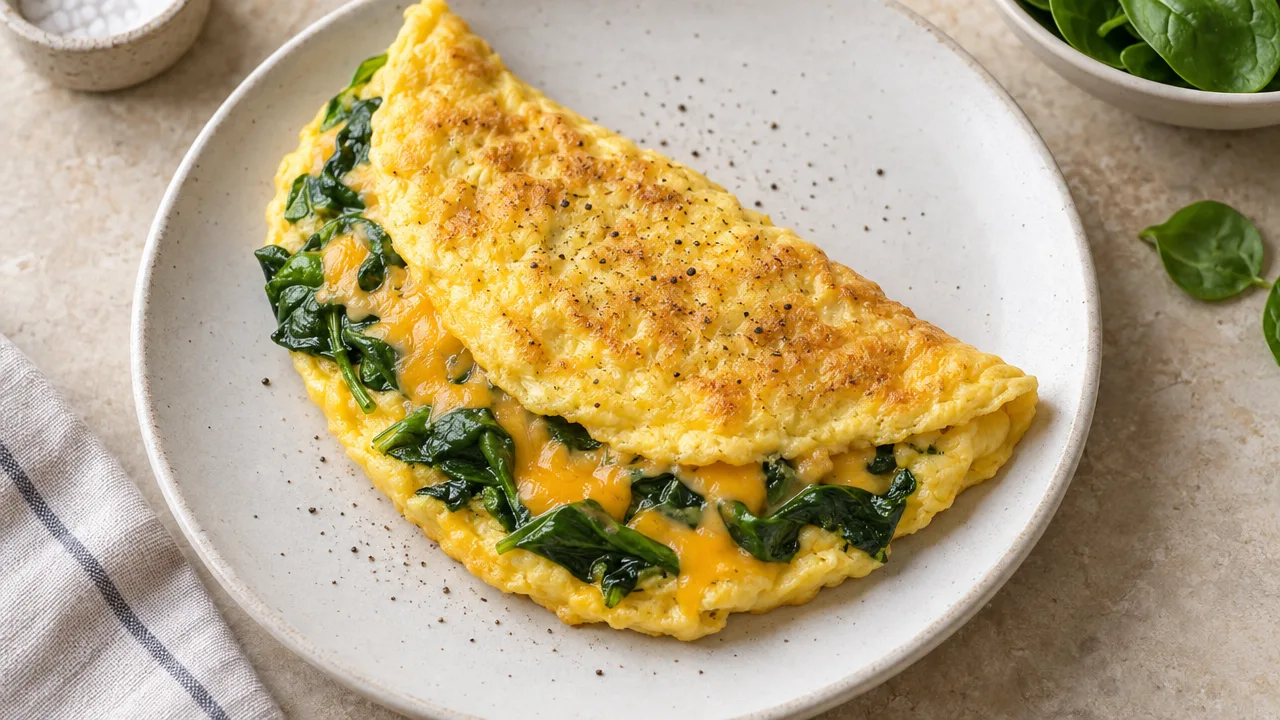
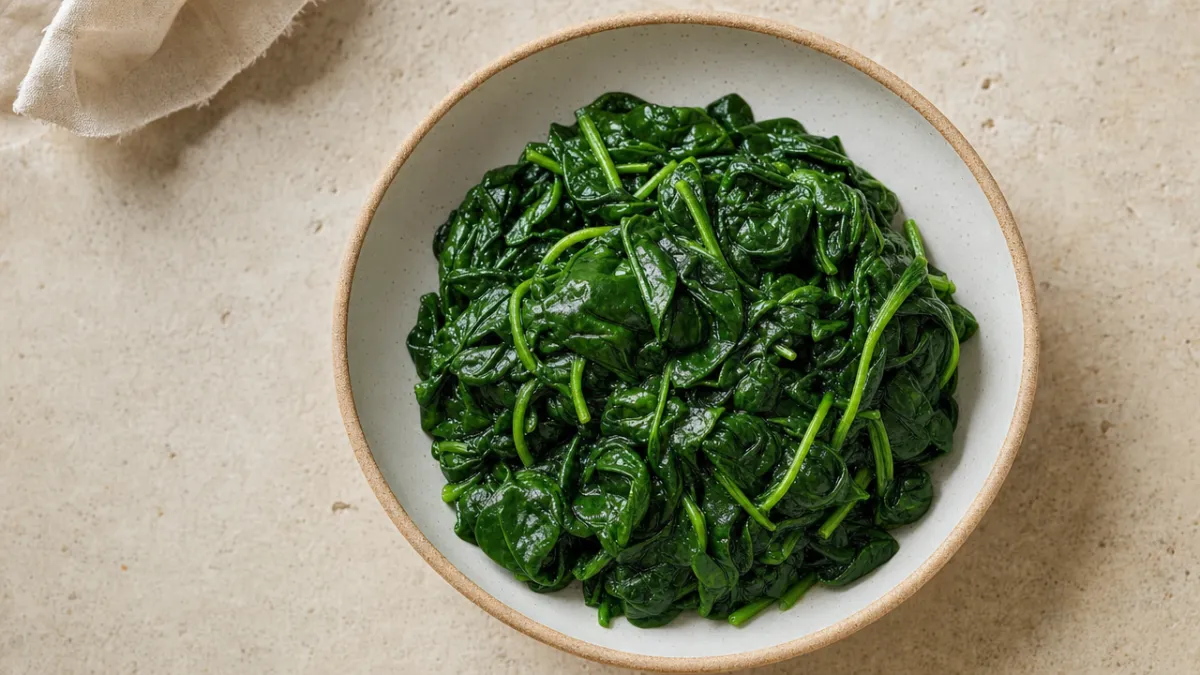
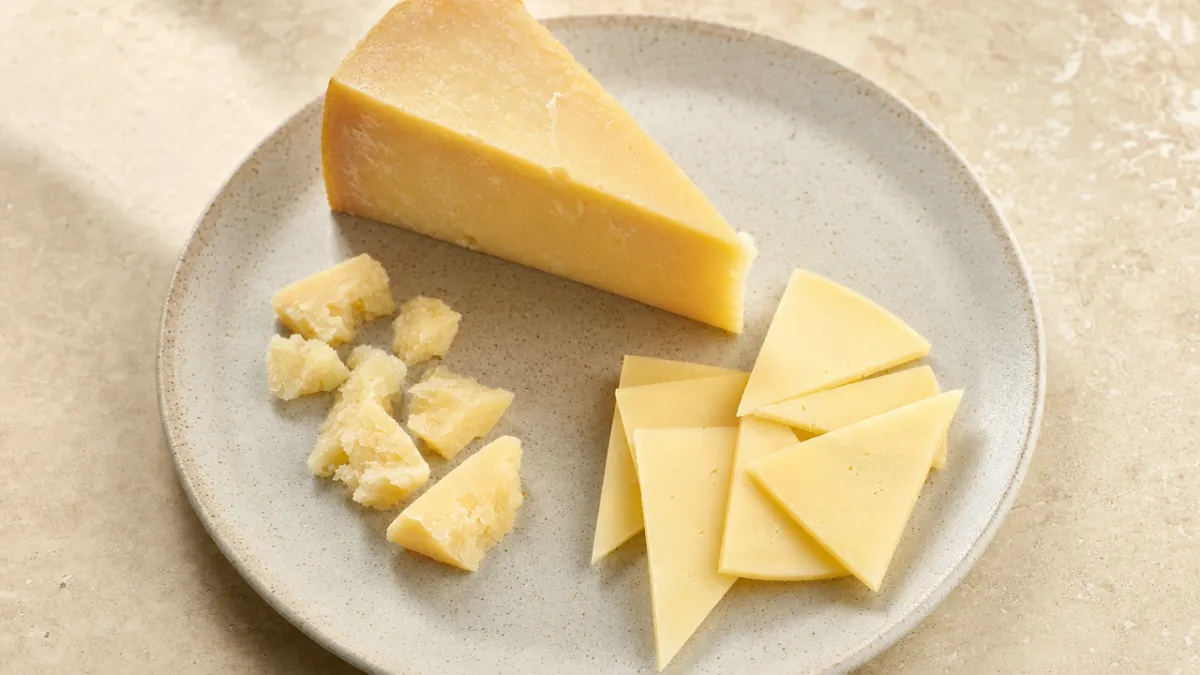
Eggs carried me through my worst stretch, usually scrambled soft with nothing else on the plate, so an omelet with cheese and spinach inside is what a good morning looks like now. The spinach goes into the pan first and gets wilted down until it is tender, which makes it far easier on my gut than the raw handful I might have thrown into a wrap before my diagnosis. Sharp cheddar is an aged cheese, so most of its lactose is gone, and a quarter cup is enough to taste it without turning the omelet greasy. The whole thing takes under ten minutes and only uses one pan. I cook it over medium-low heat, which is slower than most people bother with, because a gently set omelet is softer to eat and easier to digest than one with a browned, leathery skin. It is a small step up from flare eating, not a leap, and I still keep the spinach cooked and the cheese modest.
Why it works for UC
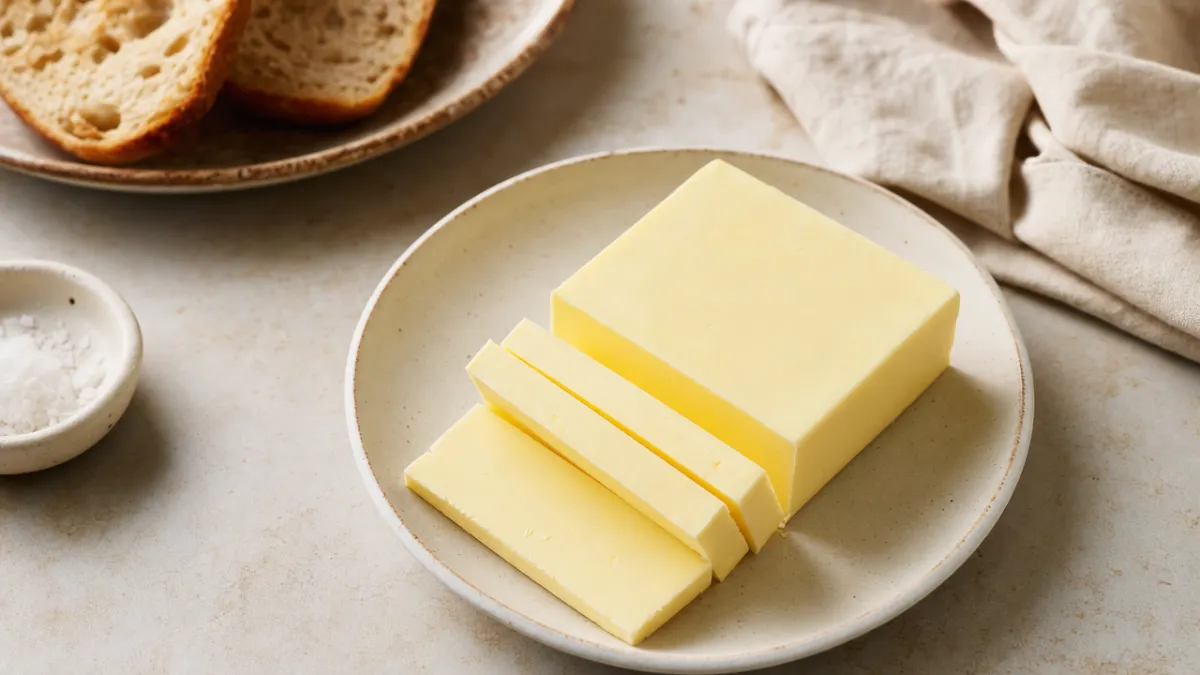
Eggs are one of the most reliably tolerated proteins across every stage of UC, and cooking them gently over low heat keeps them soft rather than rubbery. Spinach is the remission addition here, but wilting it first breaks down the leaf structure so it behaves more like a cooked vegetable than a raw salad green. Cheese made the cut because cheddar is aged and hard, which means very little lactose survives; the concern with cheese is more about fat than sugar, so the portion stays at a quarter cup. A teaspoon of butter is enough fat to keep the eggs from sticking without pushing the meal into the heavy category.
Ingredients
- 3 large eggs
- 1 tablespoon water
- 1/4 teaspoon salt, divided
- 2 teaspoons butter, divided
- 1 1/2 cups packed baby spinach (about 1 1/2 ounces)
- 1/4 cup shredded sharp cheddar cheese
- 1 tablespoon finely chopped fresh chives
- Freshly ground black pepper, to taste
Method
- 1Melt 1 teaspoon of the butter in an 8-inch nonstick skillet over medium heat. Add the spinach and a pinch of the salt and stir for 1 to 2 minutes until fully wilted and dark green. Tip it onto a paper towel and press out the excess water so it does not make the omelet soggy.
- 2Crack the eggs into a bowl with the water and the rest of the salt. Whisk with a fork for a full 30 seconds until no streaks of white remain. The water turns to steam in the pan and keeps the eggs tender.
- 3Wipe the skillet, add the remaining teaspoon of butter, and set the heat to medium-low. When the butter foams but has not browned, pour in the eggs. Let them sit for 20 seconds, then use a spatula to push the set edges toward the center and tilt the pan so raw egg runs underneath.
- 4When the top is still glossy but no longer runny, about 2 minutes, scatter the spinach and cheddar over one half. Cover the pan for 30 seconds so the cheese starts to melt without the bottom overcooking.
- 5Fold the empty half over the filling, slide the omelet onto a plate, and let it rest for a minute. The residual heat finishes the center. Top with chives and black pepper.
Tips and swaps
- Flare version: skip the cheese and spinach entirely and scramble the eggs soft in the same pan with a splash of water. That plain version was my breakfast on the hardest mornings and it still counts as a real meal.
- Swiss or a mild aged gouda work in place of cheddar; both are hard cheeses with little lactose. I avoid soft cheeses like brie or cream cheese here because their fat and lactose sit heavier.
- If the bottom browns before the top sets, your heat is too high. Pull the pan off the burner for 20 seconds and let it recover rather than pushing through.
- Frozen chopped spinach works too: thaw 1/3 cup and squeeze it very dry in a clean towel before adding, since it holds much more water than fresh.
What a serving gives you
Three eggs plus a quarter cup of cheddar deliver roughly 25 grams of protein, which is meaningful when appetite is unreliable and muscle loss during flares is a real worry. The spinach contributes folate and a small amount of fiber in an already-softened form. Fat is moderate at around 25 grams, most of it from the eggs and cheese, so I treat this as a filling breakfast rather than a light one and skip buttered toast on the side.
Questions about this recipe
Can I make this omelet without dairy at all?
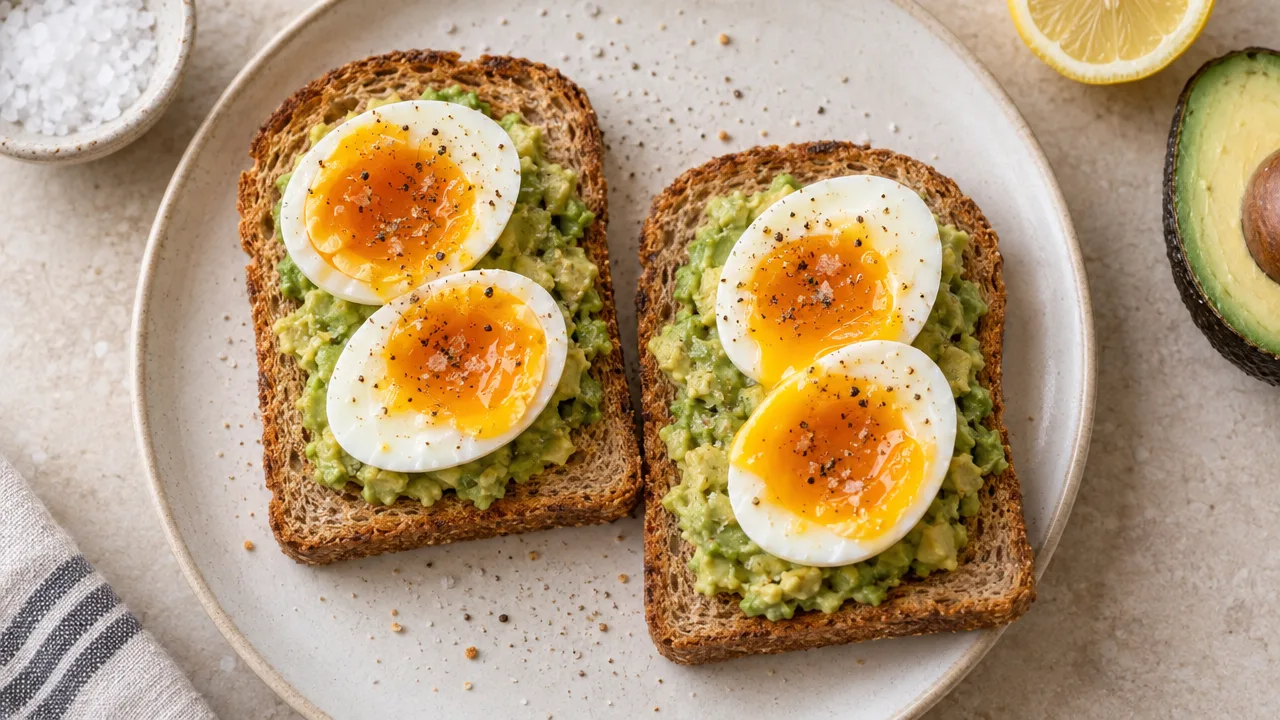
Yes. Cook the spinach and eggs in a teaspoon of olive oil instead of butter and leave out the cheddar. The omelet loses some richness, so I add a couple of tablespoons of mashed avocado on top after folding, which brings back a creamy texture without any lactose. If you want a cheesy flavor without dairy, a sprinkle of nutritional yeast over the eggs before folding is a reasonable swap that has not bothered me.
Is raw spinach in an omelet a problem in remission?
Raw baby spinach tossed straight into the eggs will steam a bit but stays partly raw and stringy. In remission many people tolerate that fine, but wilting it separately first is more predictable because the leaf fully softens and you press out the water. It also lets you judge the portion: a cup and a half of raw leaves cooks down to about two tablespoons, which is a gentle first amount if leafy greens are new again.