Can I eat avocado with ulcerative colitis?
By Jude Horak, UC patient. Sources checked 2026-08-12.
Have Crohn's instead? Jump to the Crohn's notes
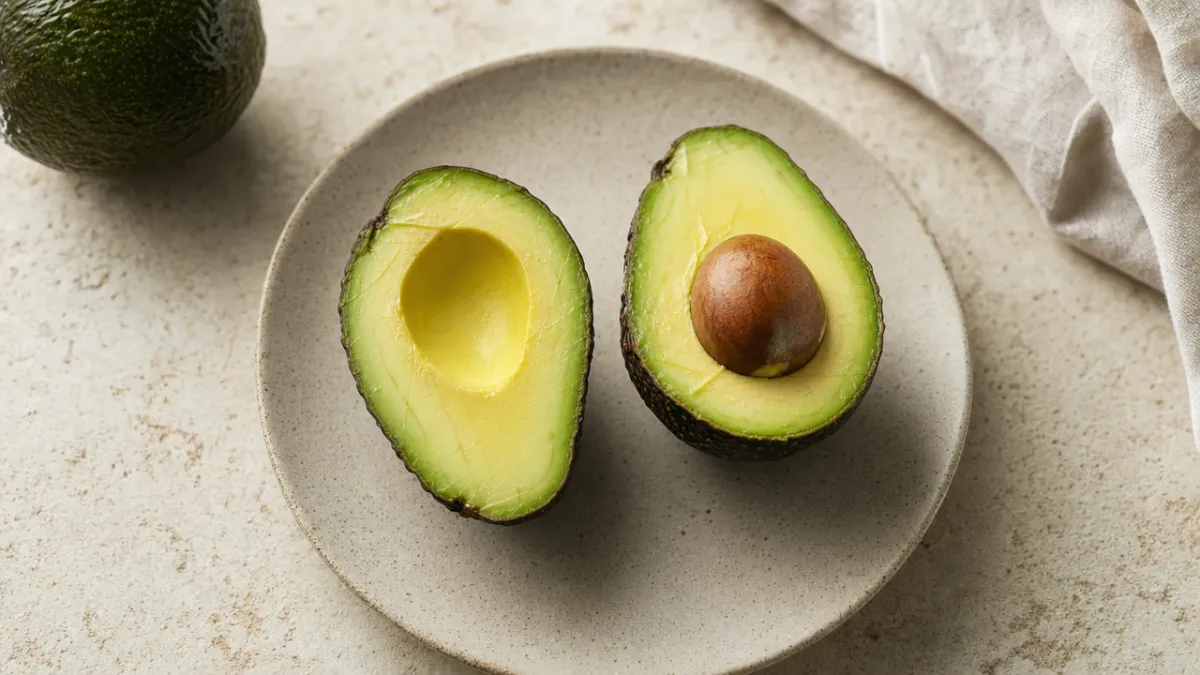
Avocado is mostly water and unsaturated fat with relatively little insoluble fiber once mashed, making it an energy-dense, gentle option when appetite is low. Because it's calorie-dense fat, very large portions could be harder to handle for people whose symptoms flare with high-fat meals.
During a flare
Recommended as a high-energy, easy-to-digest food to help keep calories up during a flare when appetite is reduced.
In remission
Generally well tolerated as part of a balanced diet; a source of healthy unsaturated fat.
What the research says about avocado and UC
Avocado gets a warmer reception in the UC guidance than most fresh produce, and the reason is calories. Crohn's & Colitis UK's Food guide discusses the problem of weight loss and poor appetite during active disease and suggests energy-dense foods, including those with healthy fats, as a way to keep intake up when eating is hard. Avocado is a natural fit for that advice: soft, no skin or seeds eaten, no chewing to speak of, and around 240 calories in a single fruit. The NHS dietary advice leaflet for ulcerative colitis from Milton Keynes University Hospital similarly encourages nourishing, easily digested foods during a flare rather than a restrictive low-everything diet.
Neither source presents an avocado-specific study in UC; this is general IBD nutrition advice that avocado happens to satisfy well. Two honest caveats. First, avocado is higher in total fiber than its creamy texture suggests, with about 7 grams per 100 grams, though a good share is soluble and there is no skin or structural fiber to chew through, which is why it sits differently from a raw apple. Second, both sources mention that high-fat meals are a commonly reported trigger for some people during a flare, and a whole avocado is a substantial fat portion. The guidance supports avocado as a flare food; it also supports paying attention to how much of it goes into one meal.
If you have Crohn's instead of UC
I have UC, not Crohn's, so this part is research rather than experience.
For most people with Crohn's, avocado works much as it does in UC, but disease in the ileum or surgery that removed part of it can change the answer because of the fat. The ileum normally reabsorbs about 95 percent of bile acids, and Cleveland Clinic explains that when Crohn's damages it, those acids can reach the colon and cause chronic watery diarrhea. A 2014 review in Expert Review of Gastroenterology and Hepatology names Crohn's among the most common causes of this ileal type.
Because fat in a meal triggers bile release, Cleveland Clinic says providers recommend a low-fat diet to help manage bile acid malabsorption. Half an avocado carries roughly 11 grams of fat, so a whole one at a sitting is a real fat load in that situation. Smaller portions are a more cautious way to keep it in the diet, and greasy or fatty-looking stools after a larger serving are worth mentioning to your gastroenterologist.
Based on: Cleveland Clinic; National Institutes of Health (PMC), from Expert Review of Gastroenterology & Hepatology 2014; National Institutes of Health (PMC), from Nutrients 2024. More on how Crohn's and UC diets differ.
Ways to make it gentler
- Mash for easier digestion
- Start with a small portion if fat tends to trigger symptoms
How I handle avocado
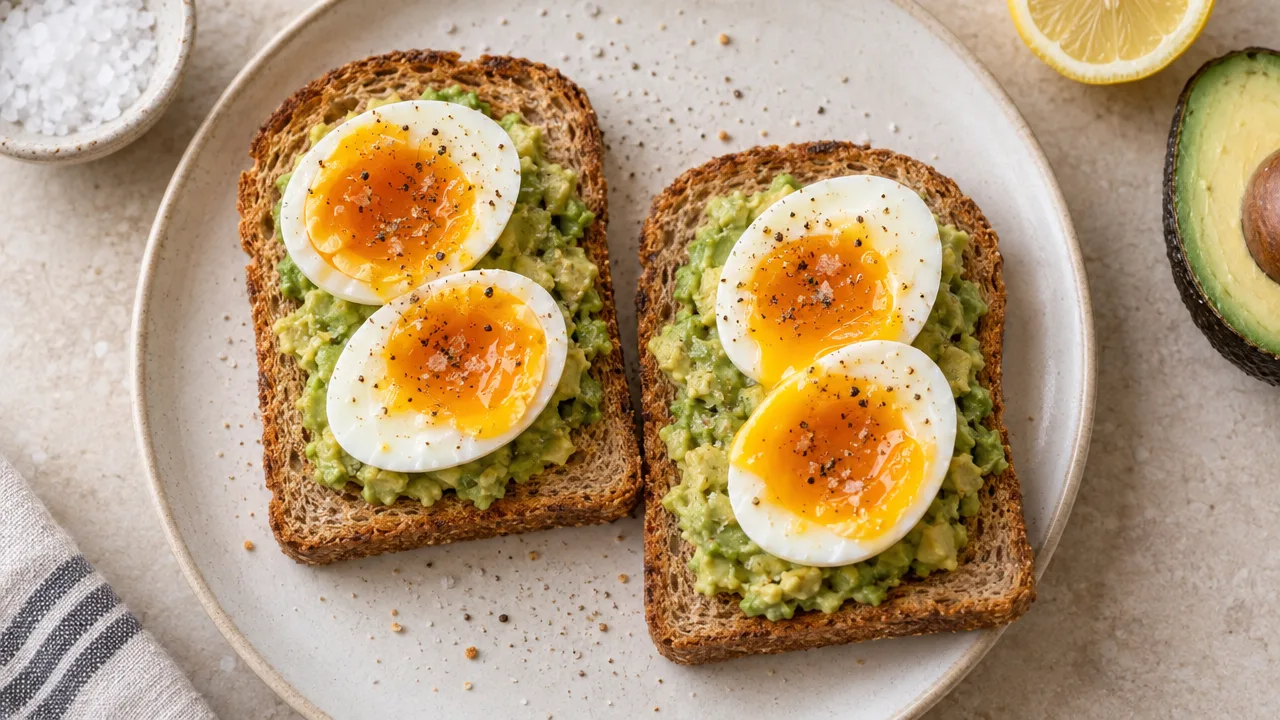
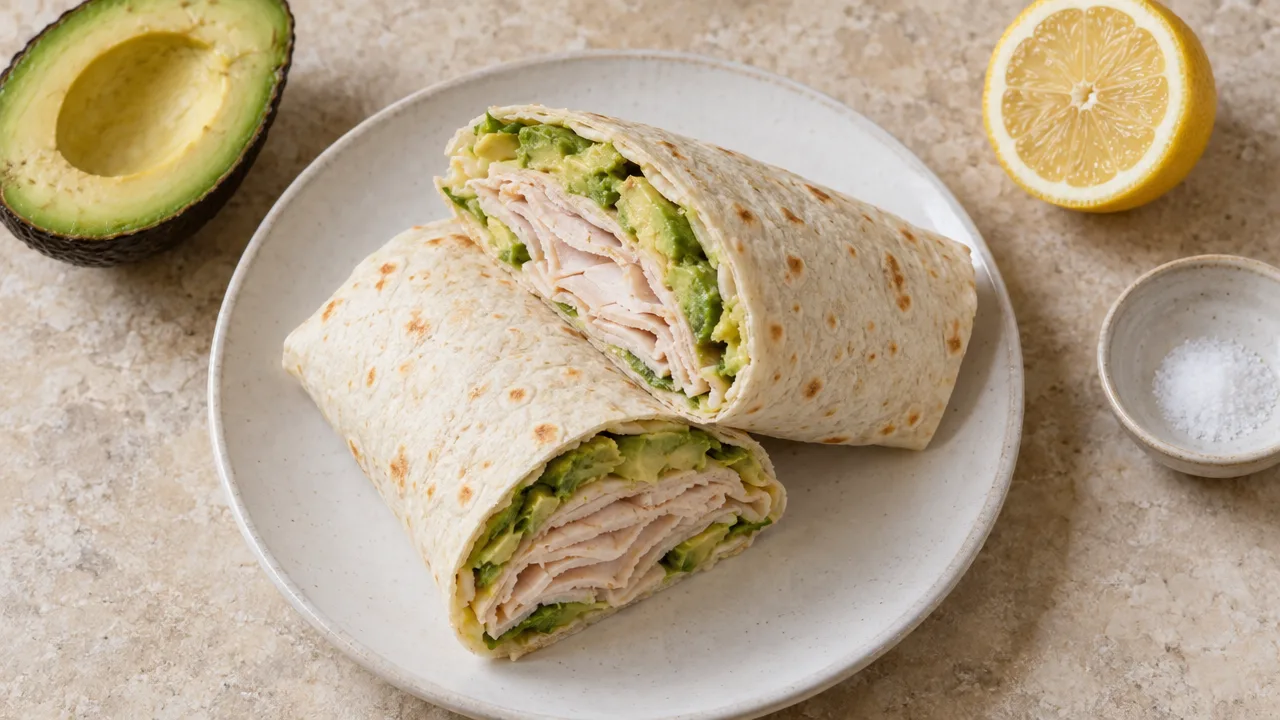
Avocado is my answer to the appetite problem. When a flare has me eating like a bird, half a mashed avocado on white toast is one of the few things that gets calories in without a fight and without any texture my gut objects to. I keep it plain during those stretches: a pinch of salt, maybe a squeeze of lemon, nothing spicy. I pick ripe ones by checking under the stem end rather than squeezing, because an underripe avocado is firm and stringy and defeats the purpose. In remission I use it however I like, including guacamole, though I still watch the total fat in a meal because a big fatty plate can move things along faster than I want. A whole avocado in one sitting is rare for me; half is the normal amount and I save the other half with the pit in.
How much, and how to test it
A quarter of a ripe avocado, mashed, on plain toast or rice is a gentle first portion during a flare. Note over the following day whether stools get looser or greasier, which would suggest the fat is the issue, as opposed to cramping, which would point to fiber. If neither shows up, a half avocado is a reasonable next step and is enough for most meals. Building to a whole one in one sitting is worth doing slowly, since that is where the fat load becomes significant.
What you get from avocado
Half an avocado provides roughly 120 calories, about 11 grams of mostly monounsaturated fat, around 350 mg of potassium, folate, vitamin K, vitamin E, and 5 grams of fiber. The calories and fat matter when UC has appetite and weight heading down. Potassium replaces what diarrhea drains, and folate needs rise with chronic inflammation. Vitamin K has a role in bone health, relevant for anyone who has been on steroids. Protein is modest, around 2 grams per half.
Why this one shows up on trigger lists
Avocado is flagged for one of the properties that most commonly cause UC symptoms. Each page explains the mechanism and lists every other food that carries it.
Questions people ask about avocado and UC
Is avocado good for an ulcerative colitis flare?
For many people it is one of the more useful flare foods, precisely because it is calorie-dense, soft, and free of skins or seeds. It helps with the weight loss that active disease tends to cause. The main watch-point is fat: a large portion in one meal can loosen stools for people who react to fatty food during a flare. Half an avocado at a time is the amount most people find comfortable.
Can you eat avocado with colitis every day?
In remission, many people do, and there is nothing in the guidance to argue against it as part of a varied diet. During a flare it depends on how you handle fat; half an avocado daily is a common and generally well tolerated amount. Its fiber is higher than its texture suggests, so anyone who has been told to keep fiber very low might check with a dietitian about how it fits.
Does avocado cause diarrhea with UC?
For most people, no, and it is more often listed as a food that helps than one that hurts. A small number of people find that large amounts of fat in a single meal speed things up, and a whole avocado plus oil or cheese can get there. If looser, greasier stools follow avocado, the fix is usually a smaller portion rather than cutting it out. Underripe avocado is also harder to digest than ripe.
Is avocado okay during a low-residue phase?
Commonly, yes, with a caveat. Low-residue advice targets rough, insoluble fiber from skins, seeds, and stringy structures, which avocado does not have once ripe and mashed. Its total fiber is fairly high on paper, though, so if your team has set a strict fiber limit, it is worth asking how avocado counts. In practice most people find mashed ripe avocado passes without the residue problems that raw vegetables or whole fruit cause.
Is avocado a good food for a Crohn's stricture diet?
Its texture suits one. Ripe avocado has no skin or seed that gets eaten and mashes to a smooth paste, which matches the soft, peeled fruit that ESPEN guidance favors for symptomatic small bowel strictures, as summarized in a 2024 Nutrients review. That makes it a useful source of calories when other fruit is off the table. Someone with both a stricture and ileal bile acid problems has two things to balance, the texture and the fat, which is worth working through with a dietitian.
Recipes that use avocado
Sources
- Food: Your Guide (booklet, ed. 9) (Crohn's & Colitis UK)
- Dietary Advice for Ulcerative Colitis (NHS (Milton Keynes University Hospital))
- Bile Acid Malabsorption (Cleveland Clinic)
- Advances in understanding of bile acid diarrhea (National Institutes of Health (PMC), from Expert Review of Gastroenterology & Hepatology 2014)
- Dietary Fiber in Inflammatory Bowel Disease: Are We Ready to Change the Paradigm? (National Institutes of Health (PMC), from Nutrients 2024)
Written by Jude Horak, a UC patient. Sources last checked 2026-08-12. Spotted an error? Tell me.