Overnight Oats with Blueberries
By Jude Horak, UC patient. Remission. Breakfast.
- Prep
- 10 min
- Cook
- 0 min
- Total
- 10 min
- Serves
- 2
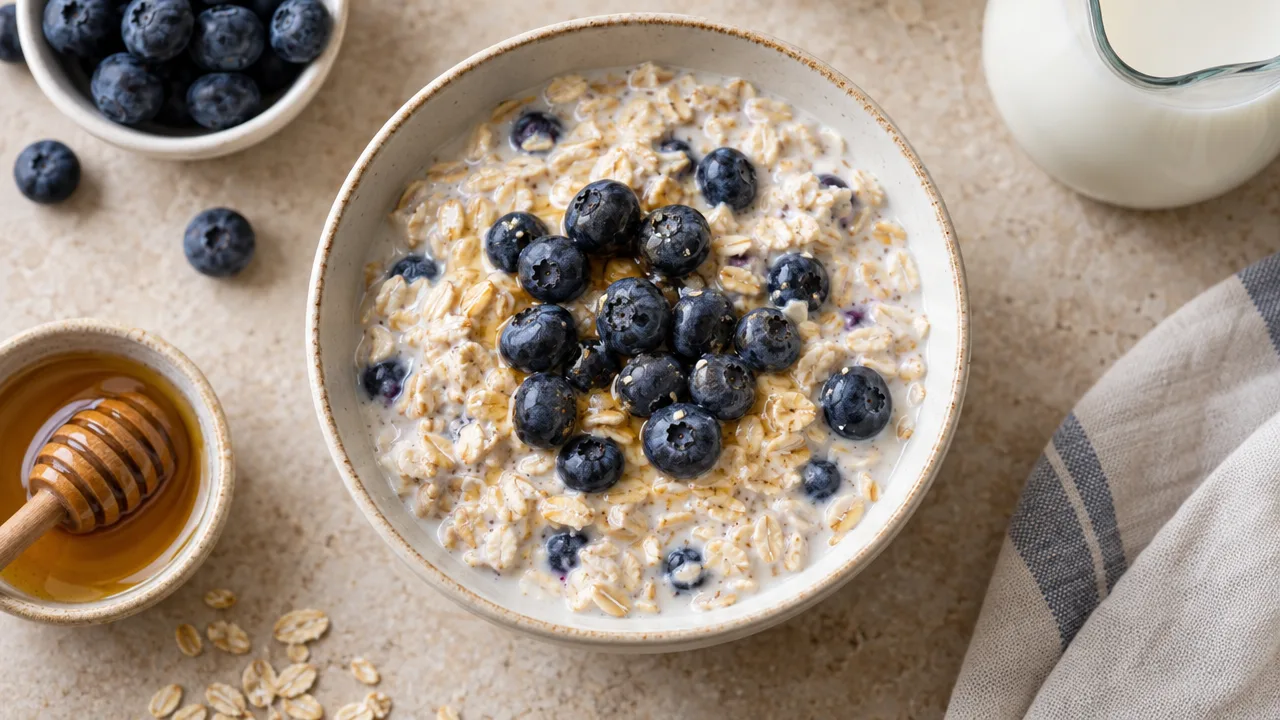
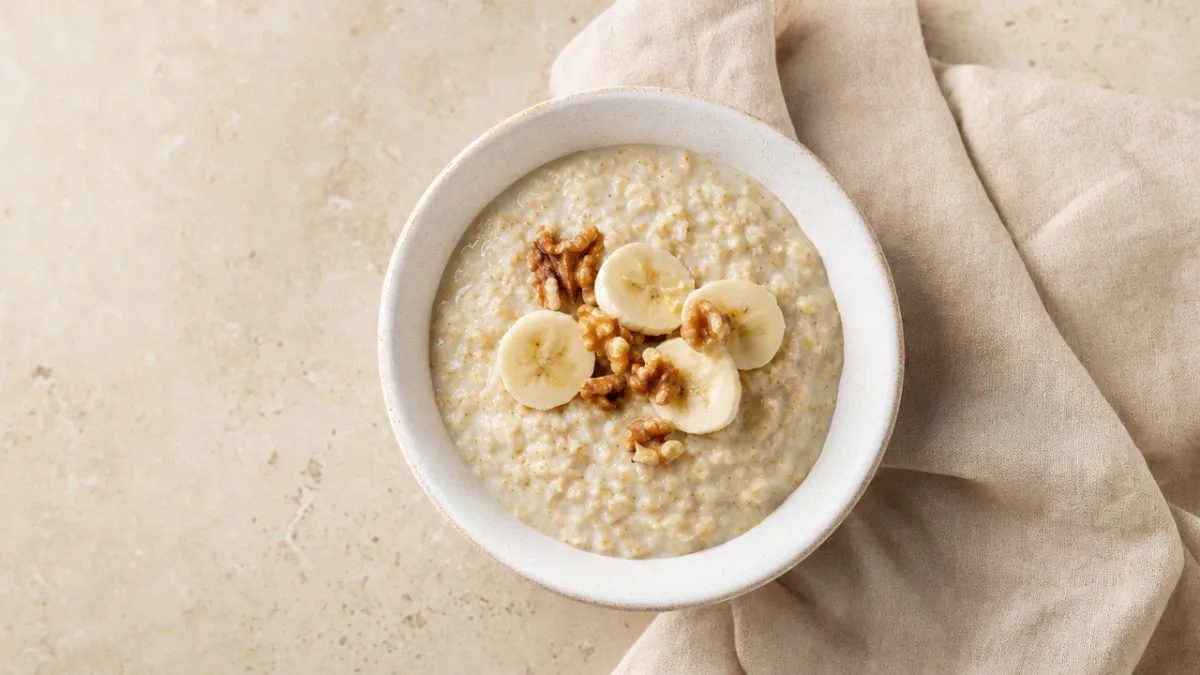
Overnight oats were the first breakfast I started making again once my mornings stopped being dictated by the bathroom. When I was flaring I lived on hot oatmeal cooked soft with water, so cold oats with whole blueberries on top felt like a real step back toward normal. The oats soak up the milk and yogurt overnight and turn creamy without any cooking, which means breakfast is waiting in the fridge on the mornings I do not have the energy to stand at the stove. I make two jars at a time on Sunday night and again midweek. What makes this a remission recipe rather than a flare one is the raw fruit and the dairy: whole blueberries carry skins and tiny seeds, and Greek yogurt still has some lactose even after straining. Both were things I added back slowly, a small handful of berries at first, and I still pay attention to how a bigger portion sits. If you are just coming out of a flare, the tips below cover how I strip this back down to something closer to plain oatmeal.
Why it works for UC
Oatmeal is mostly soluble fiber, the kind that soaks up liquid and turns soft rather than scratchy, which is why oats show up on flare lists and remission lists alike. Soaking rolled oats overnight breaks them down almost as much as cooking does. Lactose-free milk gives the creaminess of dairy with the lactose already broken down, and Greek yogurt is strained so it brings protein with less lactose than regular yogurt. Blueberries are the remission part: they are a low-FODMAP fruit, but the skins and seeds are insoluble fiber, which is why I add them in a measured amount rather than by the fistful. A teaspoon of honey keeps the fructose load small.
Ingredient pages: Oatmeal, Blueberries, Greek Yogurt, Lactose-Free Milk, Honey
Ingredients
- 1 cup old-fashioned rolled oats (not steel-cut)
- 1 cup lactose-free 2% milk
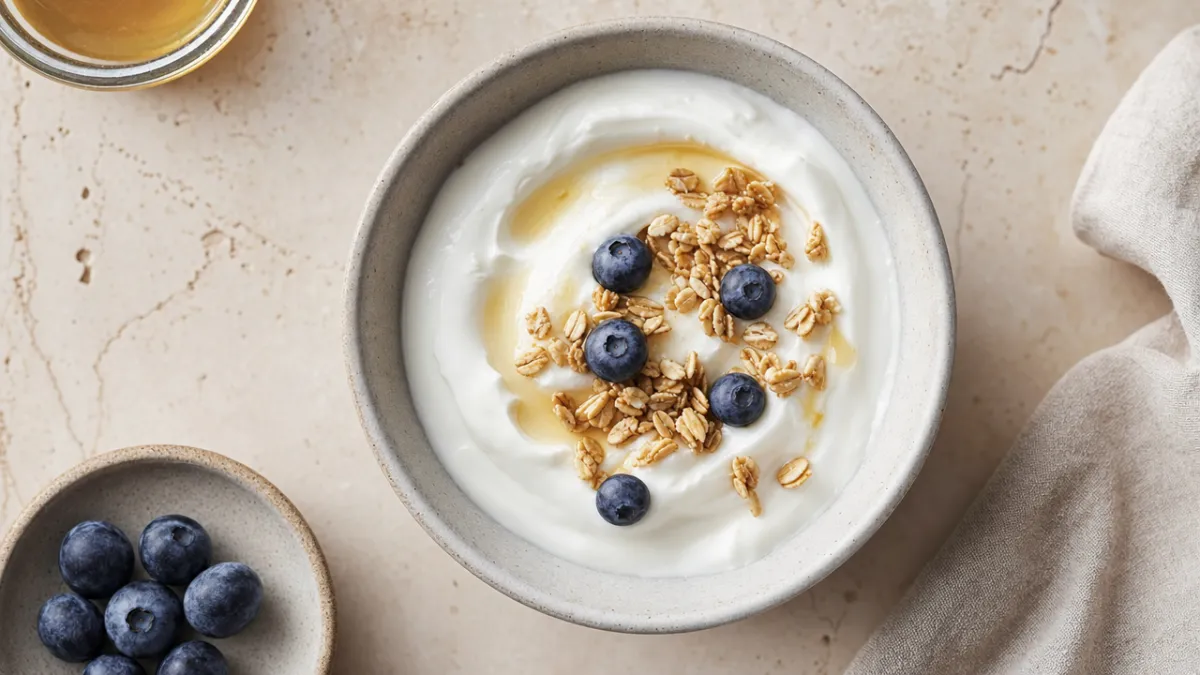
- 1/2 cup plain Greek yogurt
- 2 teaspoons honey
- 1/2 teaspoon vanilla extract
- 1/4 teaspoon ground cinnamon
- 1/8 teaspoon salt
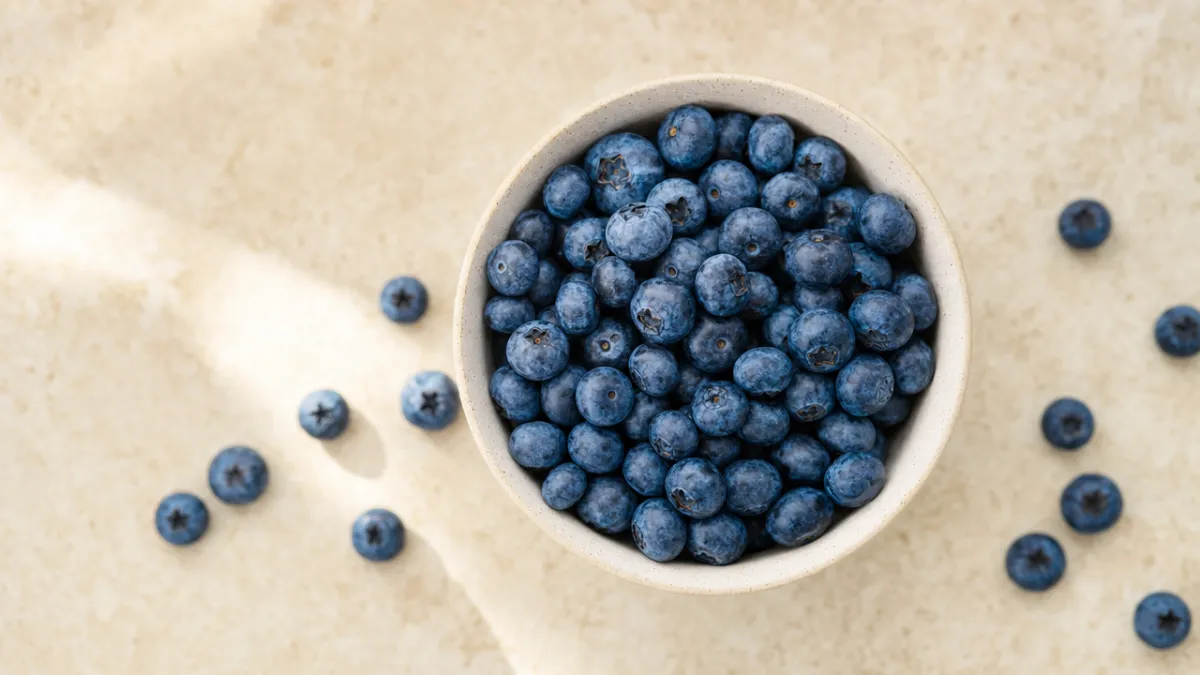
- 2/3 cup fresh blueberries, rinsed and dried
- 1/2 ripe banana, sliced (optional, for the morning)
Method
- 1In a bowl, whisk the lactose-free milk, Greek yogurt, honey, vanilla, cinnamon and salt until the yogurt is completely smooth. Lumps of yogurt left now will still be lumps in the morning, so take the extra thirty seconds here.
- 2Stir in the rolled oats and let the bowl sit for five minutes, then stir again. That second stir separates any oats that clumped together dry and gives you an even, creamy texture instead of pockets of chewy oats.
- 3Fold in half of the blueberries, pressing a few against the side of the bowl so they release a little juice into the oats. Divide between two jars or containers with lids, leaving an inch of headroom for stirring.
- 4Refrigerate at least 8 hours or up to 3 days. The oats keep softening the longer they sit, so day two is often smoother than day one, which is the texture I prefer.
- 5In the morning, stir and loosen with a splash more milk if the oats have set too firm. Top with the remaining fresh blueberries and the banana slices if you are using them. Eat cold, or warm for 60 to 90 seconds in the microwave if cold breakfast does not appeal.
Tips and swaps
- Flare version: cook the same oats hot on the stove with water until very soft, skip the honey, and swap the blueberries for sliced banana or a spoonful of applesauce. That is roughly how I ate oats when things were rough.
- Quick oats work if that is what you have, but they turn closer to porridge than to pudding. Steel-cut oats do not soften enough overnight and stay chewy.
- If Greek yogurt is still a question mark for you, replace it with an extra 1/4 cup of lactose-free milk and the recipe works the same, just a little thinner.
- Frozen blueberries can go straight into the jar the night before. They thaw in the fridge and bleed a little purple through the oats, which I do not mind.
What a serving gives you
One jar gives you around 14 grams of protein from the yogurt and milk, a solid dose of soluble fiber from the oats, and calcium from both dairy items. That protein and calcium combination matters to me because dairy is one of the first things many of us cut during a flare, and this is a low-effort way to bring it back in a form that is easier to digest. The blueberries add a small amount of insoluble fiber, which is the point in remission but worth easing into.
Questions about this recipe
Can I make these overnight oats dairy free?
Yes. Use unsweetened almond milk in place of the lactose-free milk and either skip the yogurt or use a plain coconut or almond based yogurt. The texture comes out slightly less creamy and lower in protein, so I sometimes stir in a tablespoon of smooth peanut butter to make up for it. Almond milk is one of the milk swaps that generally sits well in both flare and remission, so it is a reasonable base if dairy is still a question for you.
Is it OK to eat the blueberries whole, or should I cook them first?
In remission, most people handle whole raw blueberries fine, and that is how this recipe uses them. If you are early in recovery or notice that berries speed things up, warm half of them in a small pan for two or three minutes until they burst, then stir that compote into the oats. The skins break down and the fruit becomes much closer to something you would eat during a flare, with the same flavor.