Can I eat whole wheat bread with ulcerative colitis?
By Jude Horak, UC patient. Sources checked 2026-08-12.
Also searched as: whole grain bread, wholemeal bread.
Have Crohn's instead? Jump to the Crohn's notes
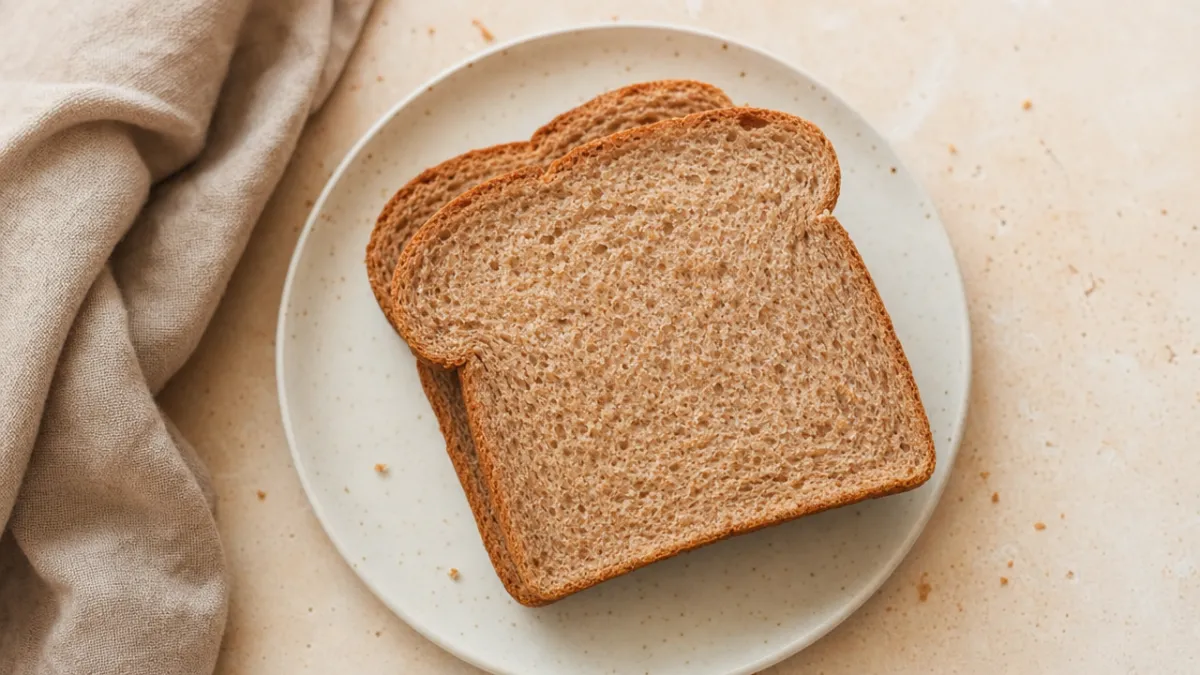
Whole wheat bread retains the bran layer, giving it substantially more insoluble fiber than white bread. That extra fiber and roughage is part of why it's grouped with harder-to-digest grains during active inflammation, while whole grains are generally encouraged once symptoms are quiet.
During a flare
Often swapped for white or sourdough bread during a flare to reduce fiber and residue.
In remission
Whole grains, including whole wheat bread, are commonly included in a balanced diet during symptom-free periods.
What the research says about whole wheat bread and UC
Whole wheat bread appears by name in the American Gastroenterological Association's patient page on fiber in IBD, in its list of grains with fiber that is harder to digest, alongside steel cut oats, quinoa, and popcorn. The AGA does not tell readers to avoid that list. It suggests starting with the easier grains, white or sourdough bread and white rice among them, and progressing to whole grains if those go well, increasing slowly and drinking plenty of fluid. The page also explains that insoluble fiber, which is what bran mostly is, helps with constipation and is more likely to need adjusting during active inflammation or urgent loose stools.
The Academy of Nutrition and Dietetics page on Crohn's disease and diet recommends whole grains during symptom-free periods and limiting high-fiber foods when diarrhea or abdominal pain is present. It addresses Crohn's rather than ulcerative colitis and speaks about whole grains in general, so applying it to a slice of whole wheat bread is an extrapolation. Neither source frames whole wheat as a gluten issue; the whole discussion is fiber and texture. Neither cites a trial of whole wheat bread in colitis, and neither suggests wheat is inflammatory in itself.
If you have Crohn's instead of UC
I have UC, not Crohn's, so this part is research rather than experience.
With Crohn's, whether whole wheat bread fits depends less on flare versus remission and more on whether you have a stricture. Without one, the evidence is reassuring. In a 1985 Italian trial of 70 people with non-stenosing Crohn's, those on a normal diet ate about three times as many weekly fiber portions as a low-residue group, yet over roughly two and a half years the groups did not differ in symptoms, hospital stays, or surgery, and the freer diet did not bring on blockages.
A narrowing shifts the picture. Crohn's & Colitis UK names wholegrain foods, along with nuts and seeds, among foods people with a stricture may be told to avoid, and the bran milled into whole wheat flour is what puts this loaf in that group. Seeded and cracked-grain loaves carry intact kernels on top of that, a bigger step again. Confirming whether you have a stricture is the useful first move.
Based on: National Institutes of Health (PMC), from Gut 1985; Crohn's & Colitis UK; American Gastroenterological Association (AGA). More on how Crohn's and UC diets differ.
Ways to make it gentler
- Reintroduce gradually and watch for symptoms
Safer swaps
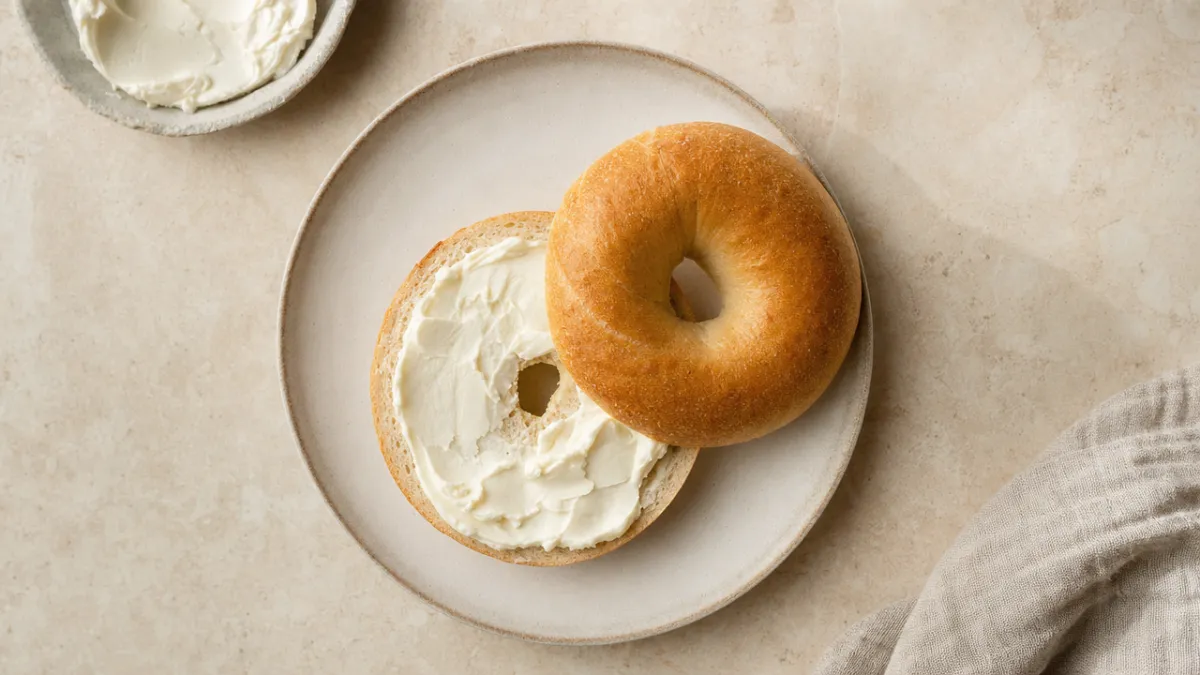
- white bread
- sourdough bread
How I handle whole wheat bread
The first thing I do with any loaf labeled wheat is read the ingredients, because a lot of brown-colored bread is mostly refined flour with a little whole wheat and some coloring. If the first ingredient is not whole wheat flour, it is closer to white bread and I treat it that way. Real 100 percent whole wheat is a remission food for me. I keep it out during a flare and bring it back one slice at a time, toasted, with something soft on top, once things have been steady for a while. I avoid the seeded and multigrain versions until plain whole wheat has been fine for at least a couple of weeks, because seeds are a separate variable I do not want to test at the same time. Gluten is not something I worry about with UC. I have no reason to cut it and every reason to keep the fiber coming back.
How much, and how to test it
Wait until symptoms have been stable for a few weeks, then start with a single slice of 100 percent whole wheat, toasted, at a meal with nothing else new in it. Skip seeded and multigrain loaves for the first attempt. Over the next two to three days watch for more frequent or looser stools, gas, or cramping. If the slice passes, move to two slices, then a daily sandwich. Any return of urgency is the cue to step back to white or sourdough for a week before trying again.
What you get from whole wheat bread
A slice of true whole wheat bread carries about two to three grams of fiber plus more magnesium, zinc, and B vitamins than a slice of white. The fiber matters in remission because it feeds the bacteria that produce short-chain fatty acids, which the colon lining uses for fuel. Zinc and magnesium are both minerals that ongoing diarrhea can deplete. Protein is around four grams per slice. Most whole wheat loaves are not enriched, so their iron is what the grain naturally holds.
Why this one shows up on trigger lists
Whole Wheat Bread is flagged for one of the properties that most commonly cause UC symptoms. Each page explains the mechanism and lists every other food that carries it.
Questions people ask about whole wheat bread and UC
Is wheat bread inflammatory?
Not according to the guidance this page draws on. Wheat bread is grouped as harder during a flare because of its bran fiber, not because wheat itself inflames the colon. The inflammatory label attached to wheat online usually comes from gluten or general wellness claims, and neither is part of standard UC advice. For the long run, whole grains are associated with a healthier gut environment, which points the opposite direction from inflammatory.
Can I eat whole wheat bread during a UC flare?
Some people can in small amounts, but it is usually the bread most worth swapping out when symptoms are active. The bran layer is insoluble fiber, which adds bulk and can speed transit at the exact moment you want things to slow down. White bread or a refined sourdough is the more common flare choice. Once stool settles, whole wheat is one of the first whole grains many people bring back.
Do I need to avoid gluten with ulcerative colitis?
Only if celiac disease or a confirmed gluten sensitivity has been diagnosed alongside UC. Gluten is a protein, and the colitis concern with whole wheat bread is fiber, which is a different thing. Cutting gluten without a reason tends to remove useful whole grains from the diet while doing nothing about the actual trigger. If you suspect gluten is a problem, testing for celiac before going gluten-free is the usual advice.
How do I tell real whole wheat from brown-colored white bread?
Read the ingredient list, not the front label. If the first ingredient is whole wheat flour and the loaf says 100 percent whole wheat, it is the genuine article with the bran intact. If it lists enriched wheat flour first with whole wheat further down, or uses caramel color, it behaves more like white bread. That distinction matters in both directions: the fake version is gentler in a flare, and the real one is the one you want in remission.
Do you need to avoid gluten with Crohn's disease?
Not as a general rule, unless celiac disease or a gluten problem has been diagnosed. Gluten comes up with Crohn's mainly through the Crohn's Disease Exclusion Diet, a dietitian-led therapy paired with liquid nutrition that is low in gluten, animal fat, and additives. The AGA's 2024 practice update says it may help induce remission in mild to moderate Crohn's of relatively short duration, while Crohn's & Colitis UK says there is not yet enough evidence to recommend it. Cutting wheat on its own is not the same thing as following that diet.
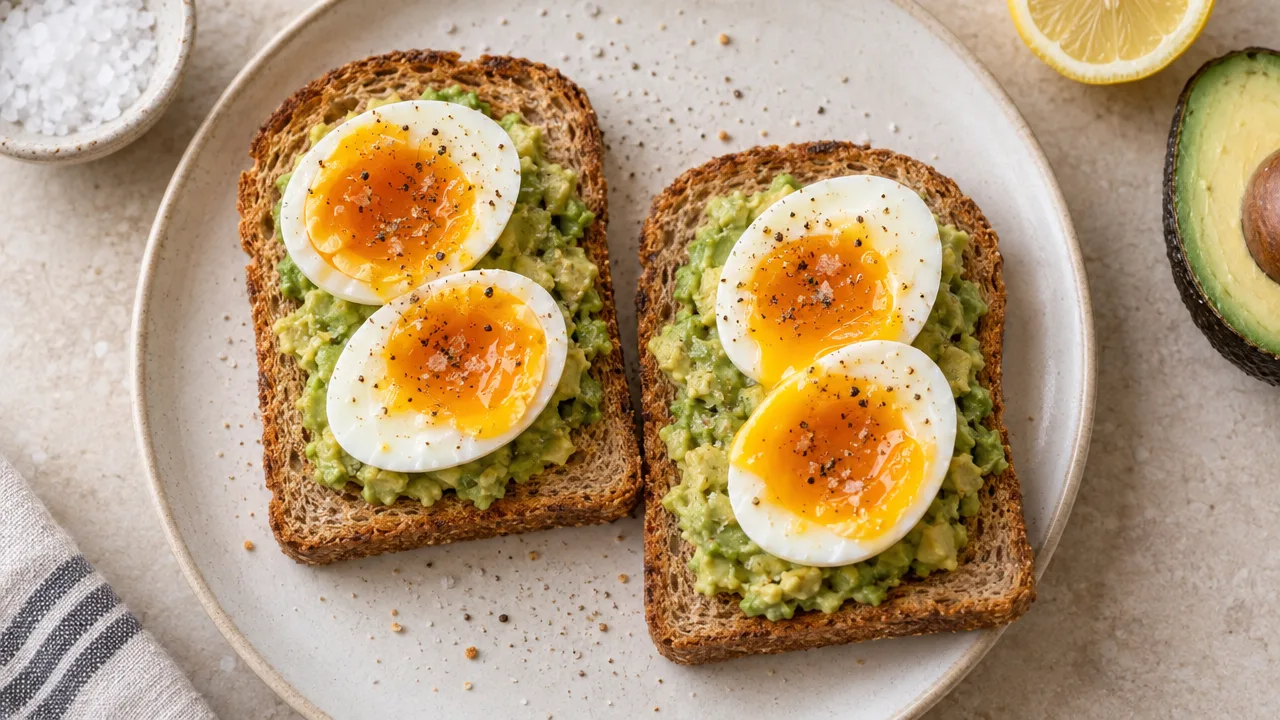
Recipes that use whole wheat bread
Sources
- Inflammatory bowel disease (IBD): Role of fiber (American Gastroenterological Association)
- Crohn's Disease and Diet (Academy of Nutrition and Dietetics)
- Low residue or normal diet in Crohn's disease: a prospective controlled study in Italian patients (National Institutes of Health (PMC), from Gut 1985)
- Food and Crohn's or Colitis (Crohn's & Colitis UK)
- Diet and nutritional therapies in patients with IBD (American Gastroenterological Association (AGA))
Written by Jude Horak, a UC patient. Sources last checked 2026-08-12. Spotted an error? Tell me.