Chicken and Bell Pepper Stir-Fry
By Jude Horak, UC patient. Remission. Dinner.
- Prep
- 20 min
- Cook
- 15 min
- Total
- 35 min
- Serves
- 3
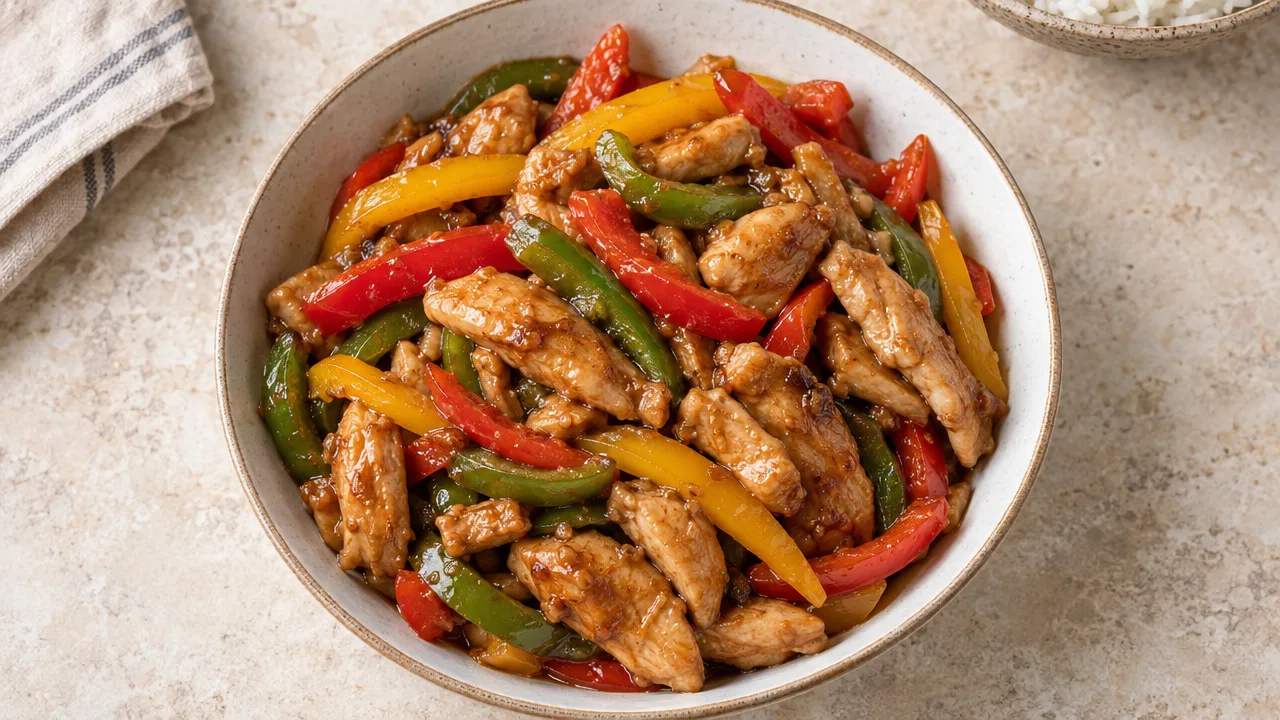
Bell peppers were the first crunchy, colorful vegetable I put back on my plate, and a stir-fry is how I did it because the high heat cooks them just past raw in a few minutes without turning them to mush. During my flare a stir-fry was off the table for two reasons: the vegetables were too fibrous and most recipes lean on garlic, onion and chili. This version fixes both. The peppers are seeded and stripped of their white pith, which is the toughest part, and zucchini fills out the pan with something I already knew was gentle. Flavor comes from fresh ginger, soy sauce, a touch of honey and a lot of chives at the end, and the chicken is tossed in cornstarch before cooking, an old restaurant trick called velveting that keeps thigh meat silky instead of dry. It takes about 35 minutes including the prep, which is most of the work, and it serves three over plain white rice. I keep the rice white on purpose; one new thing at a time was my rule.
Why it works for UC
Chicken is a lean protein that is reliably tolerated at every stage, and the cornstarch coating keeps it tender so there are no dry, stringy pieces to chew through. Bell peppers are the remission step: the skin and seeds are what make raw pepper hard work for an inflamed gut, and removing the seeds and pith while cooking the flesh until it just softens is the halfway point between raw and peeled-and-stewed. Zucchini is soft and low in fiber once cooked. White rice stays as the base because it is low-residue and lets me judge the vegetables on their own. There is no onion, garlic or chili in the sauce.
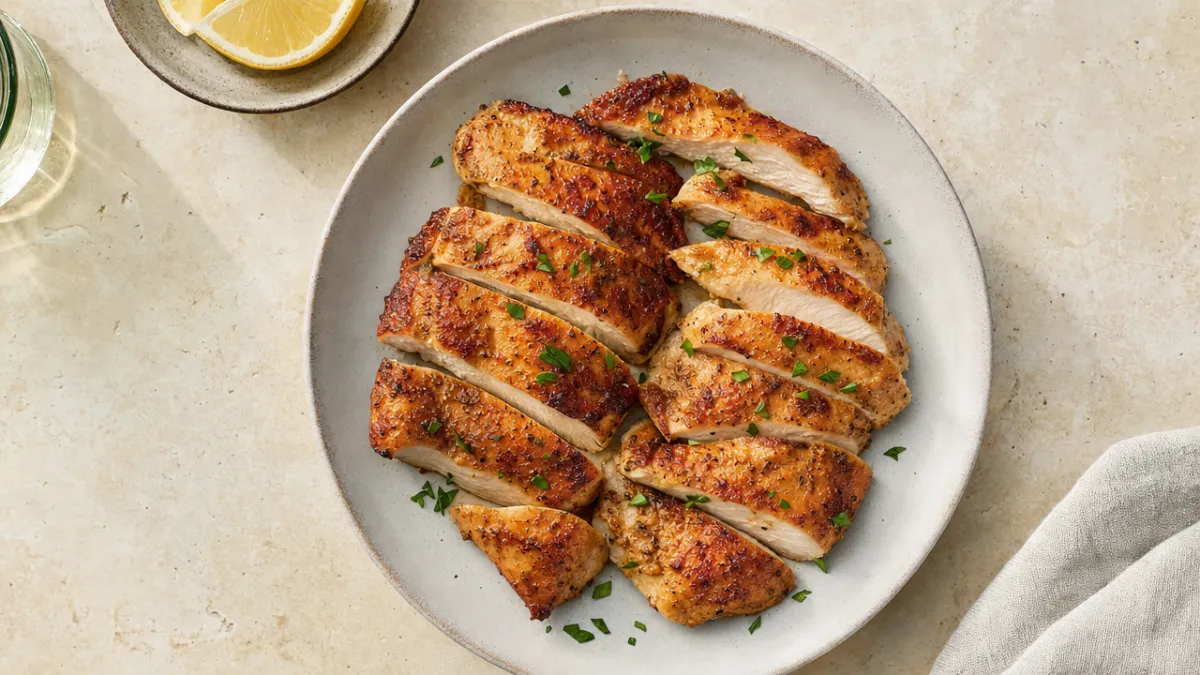
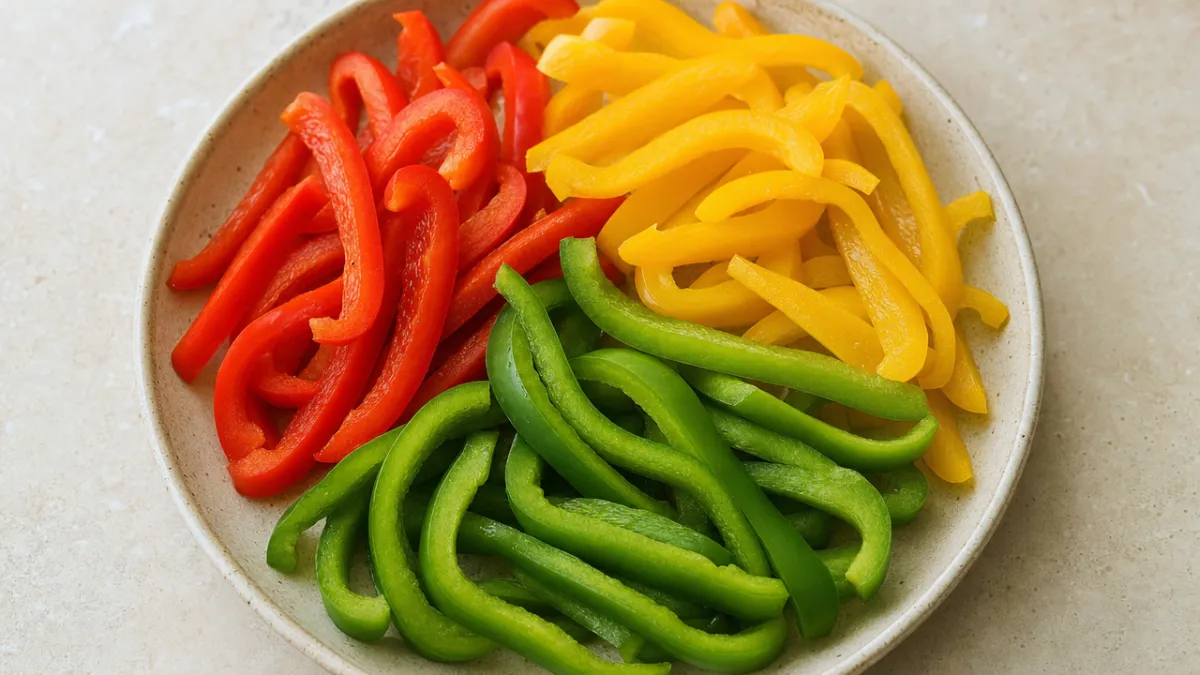
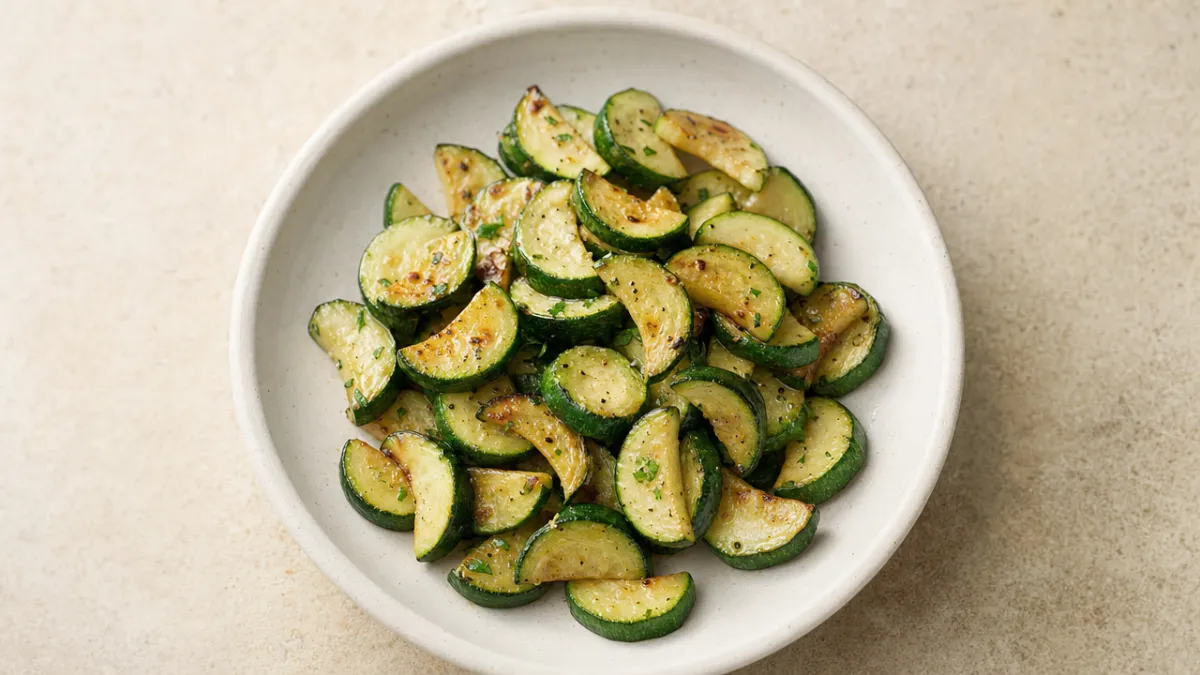
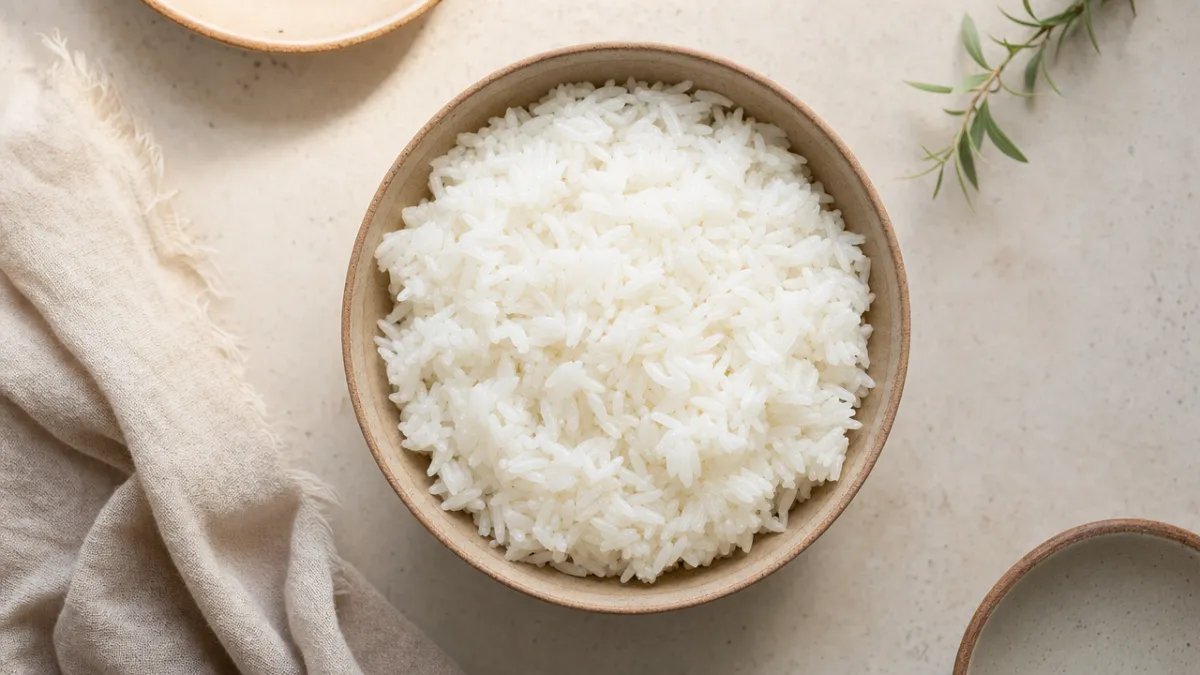
Ingredient pages: Chicken, Bell Peppers, Zucchini, White Rice
Ingredients
- 1 pound boneless skinless chicken thighs, cut into 1/2-inch strips
- 1 tablespoon cornstarch
- 3 tablespoons low-sodium soy sauce, divided
- 1 tablespoon rice vinegar
- 2 teaspoons honey
- 1 tablespoon finely grated fresh ginger
- 1/4 cup water
- 2 tablespoons neutral oil such as avocado or canola, divided
- 1 red bell pepper and 1 yellow bell pepper
- 1 medium zucchini (about 8 ounces)
- 1/4 cup chopped fresh chives
- 3 cups cooked white rice, for serving
Method
- 1Toss the chicken strips with the cornstarch and 1 tablespoon of the soy sauce in a bowl until every piece is coated and slightly tacky. Let it sit for 10 minutes while you prep the vegetables. This thin coating protects the meat from the hot pan and keeps it juicy.
- 2Halve the peppers, pull out the seeds and cut away all the white pith inside, then slice into strips about 1/3 inch wide. Halve the zucchini lengthwise and slice into 1/4-inch half moons. Stir the remaining 2 tablespoons soy sauce, rice vinegar, honey, ginger and water together for the sauce.
- 3Heat 1 tablespoon of the oil in a large skillet or wok over high heat until it shimmers. Add the chicken in a single layer and leave it alone for 2 minutes to brown, then stir and cook 3 more minutes until no longer pink. Transfer to a plate.
- 4Add the remaining tablespoon of oil and the peppers. Stir-fry for 3 minutes until the edges soften and start to blister but the strips still hold their shape. Add the zucchini and cook 2 minutes more, stirring often.
- 5Pour in the sauce and let it bubble for 30 seconds, then return the chicken and any juices to the pan. Toss for 1 to 2 minutes until the sauce thickens from the cornstarch and clings to everything.
- 6Turn off the heat, stir in the chives, and serve immediately over the white rice. The peppers should be tender-crisp; if you want them softer, cover the pan for 2 minutes before adding the chives.
Tips and swaps
- Flare version: replace the peppers with sliced carrots cooked until fully soft, keep the zucchini but peel it, use ground chicken, and skip the honey. That is a gentle dinner with the same sauce and the same 20 minutes of cooking.
- For a middle ground while reintroducing peppers, peel them with a serrated vegetable peeler before slicing. The skin comes off in strips and the pepper cooks much softer.
- Green bell peppers are a little less sweet but their skin is thinner, so if you are nervous about peppers, a green one is a reasonable place to start.
- Do not crowd the pan with the chicken. If your skillet is small, cook it in two batches; piled-up chicken steams instead of browning and the cornstarch turns gummy.
What a serving gives you
A serving over one cup of white rice gives you around 30 grams of protein from the chicken and a full serving of vegetables, which for me was the point of this meal. Bell peppers are one of the highest vitamin C vegetables around, and even a few minutes of stir-frying keeps most of it. Fat is moderate at roughly 15 grams, mainly from the oil and thigh meat. Sodium runs higher than most of my recipes because of the soy sauce, so I use low-sodium and do not add extra salt.
Questions about this recipe
Can I use chicken breast instead of thighs?
Yes, and the cornstarch coating helps a lot here because breast meat dries out fast at high heat. Cut it into thin strips against the grain, velvet it the same way, and cut the cooking time by about a minute. Breast is leaner, which some people prefer when fat is a concern. I default to thighs because the extra fat keeps them tender and I found them easier to chew and swallow when my appetite was poor.
Can I add garlic or onion now that I am in remission?
Some people bring them back without trouble, but both are high-FODMAP and are common triggers even in remission, so they are not in this recipe on purpose. If you want the flavor, garlic-infused oil is the standard workaround: the aroma is oil-soluble but the FODMAP is not, so you get the taste without the fructans. Use it in place of the neutral oil in step four. Chives give an onion note the same way, without the fructans.