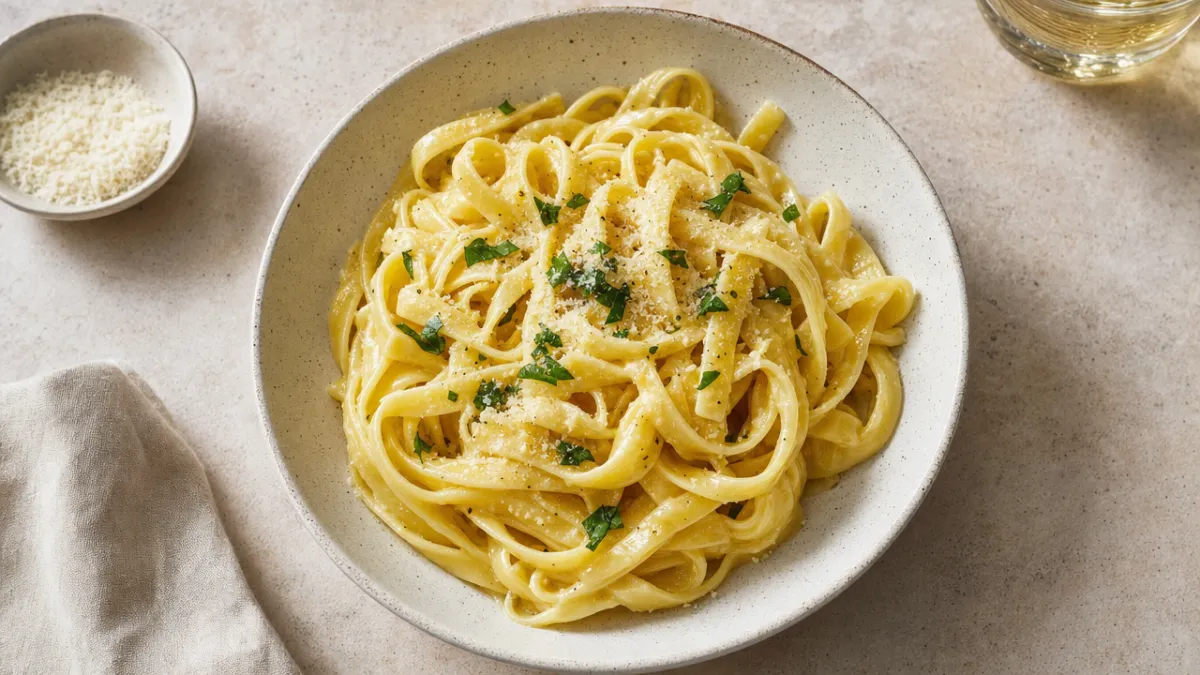
Shrimp Pasta with Olive Oil, Spinach and Cherry Tomatoes
By Jude Horak, UC patient. Remission. Dinner.
- Prep
- 15 min
- Cook
- 20 min
- Total
- 35 min
- Serves
- 4
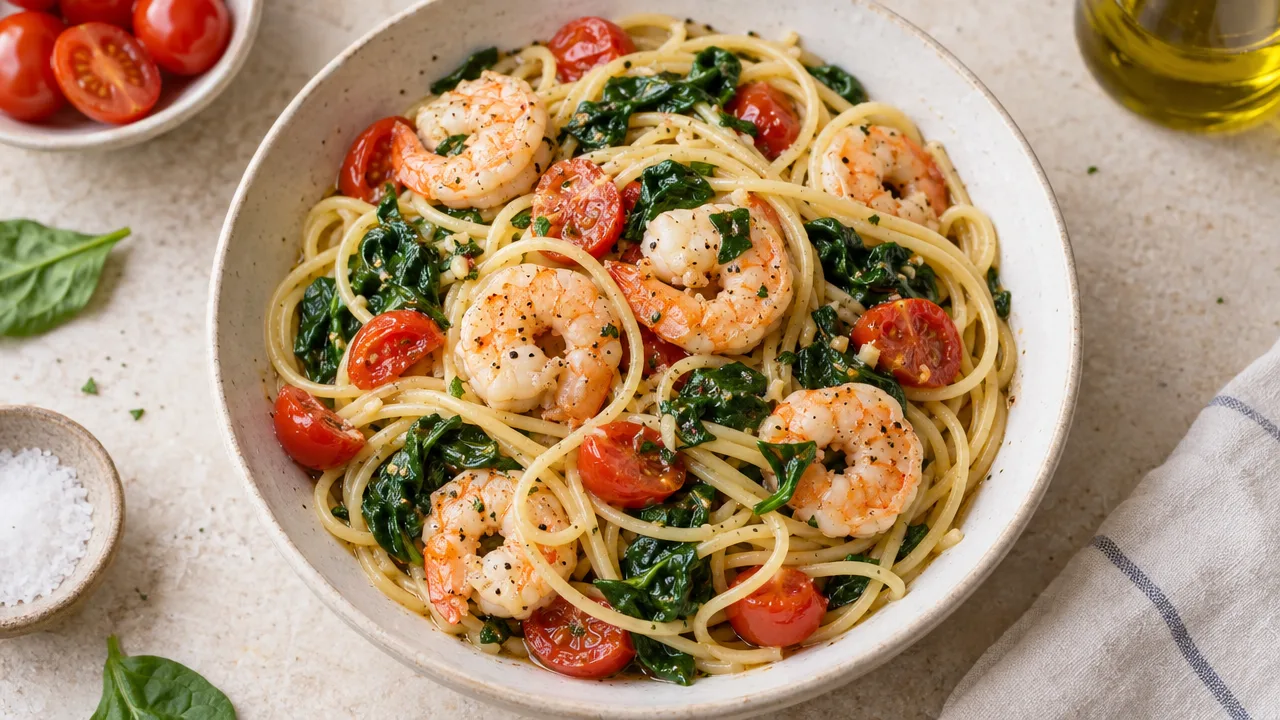
Plain pasta with a little butter was a flare dinner I ate more than I want to admit, and this is the version I make now that I can handle more than starch. Shrimp cook in three minutes and were an easy protein for me even when things were rough, so they were not the new part. The tomatoes and spinach were. Cherry tomatoes blistered in olive oil until they collapse turn into a loose sauce without needing to be peeled or seeded, and spinach wilts into the pasta in the last minute, which is far gentler than a raw side salad. The sauce is nothing more than olive oil, lemon, starchy pasta water and parmesan tossed hard until it turns glossy, and there is no garlic in it at all; garlic-infused oil gives the flavor if you want it. Dinner is on the table in half an hour, it serves four, and it is the recipe I make when I want to feel like a person who cooks normal food again.
Why it works for UC
Shrimp are a very lean protein that cooks fast and stays tender, and simply seared shrimp sit well for most people at any stage. Pasta made from white flour is a low-residue starch; here it is cooked just past al dente and finished in the sauce so it is soft without being mushy. Olive oil is the main fat and it stays at under a tablespoon per serving, emulsified with pasta water rather than poured on. Tomatoes cooked until they burst and spinach wilted in the heat are both far easier to handle than their raw forms, which is what makes this a remission dish. Cheese, in this case aged parmesan, adds savoriness with almost no lactose.
Ingredient pages: Shrimp, Pasta, Olive Oil, Spinach, Tomatoes, Cheese
Ingredients
- 12 ounces spaghetti or linguine
- 1 tablespoon salt for the pasta water, plus 1/2 teaspoon for the dish
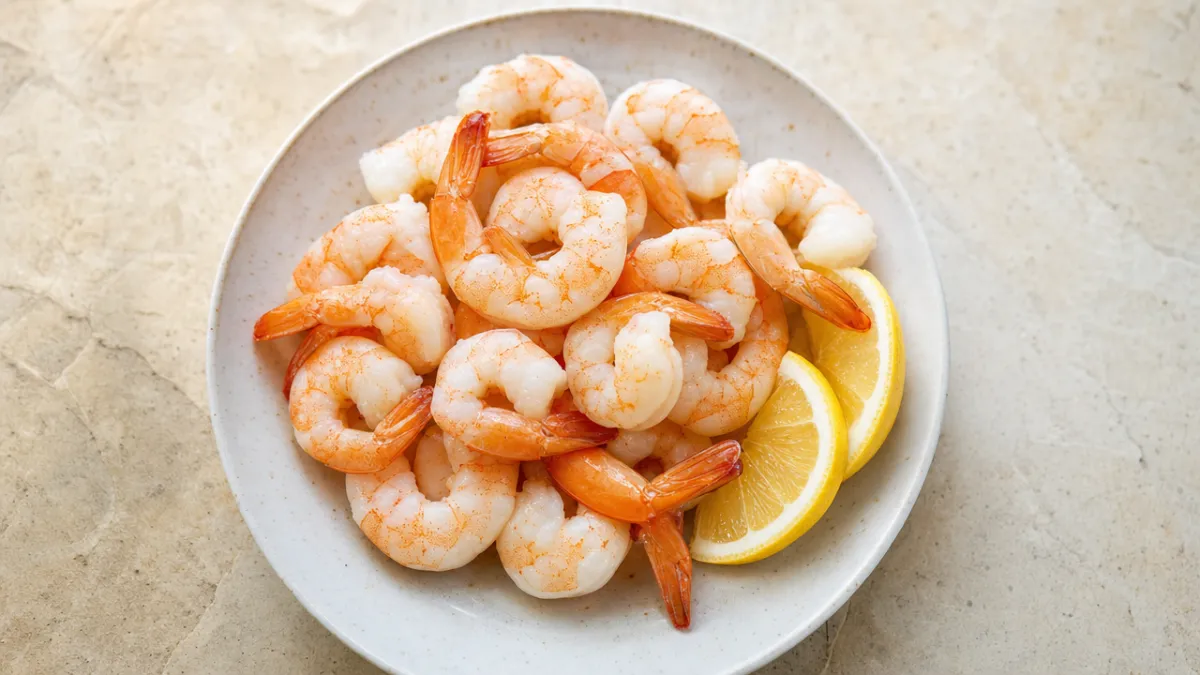
- 1 pound large shrimp, peeled, deveined and tails removed
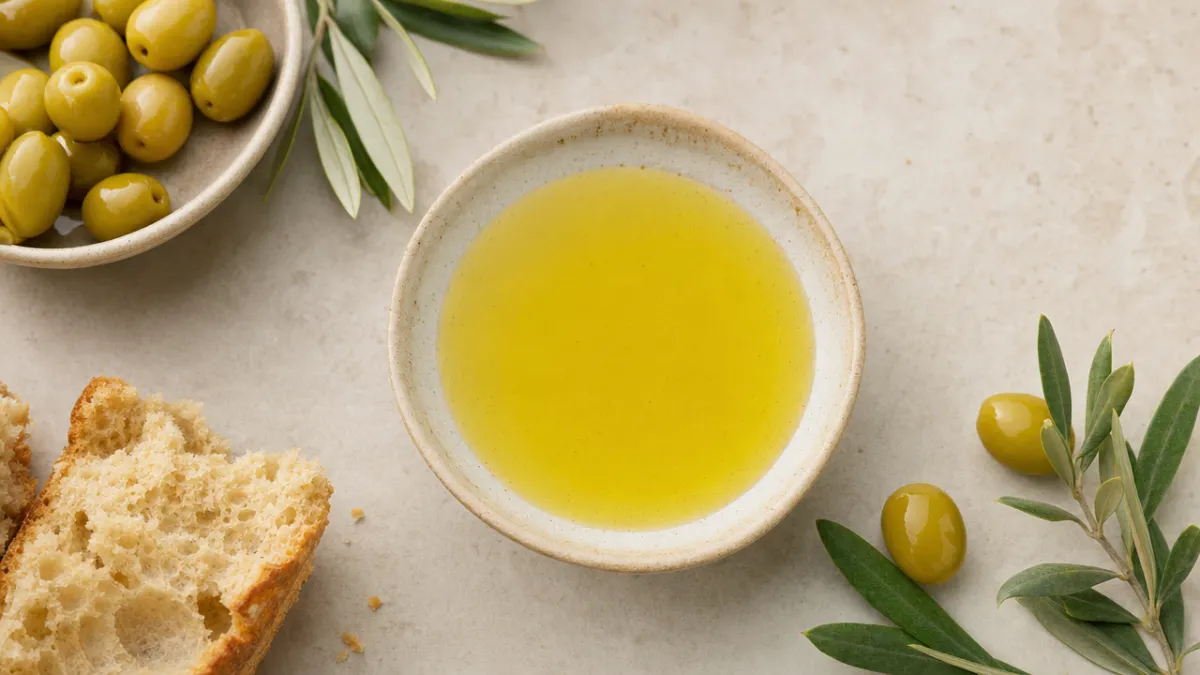
- 3 tablespoons extra-virgin olive oil, divided (garlic-infused if you like)
- 1 pint cherry tomatoes, halved
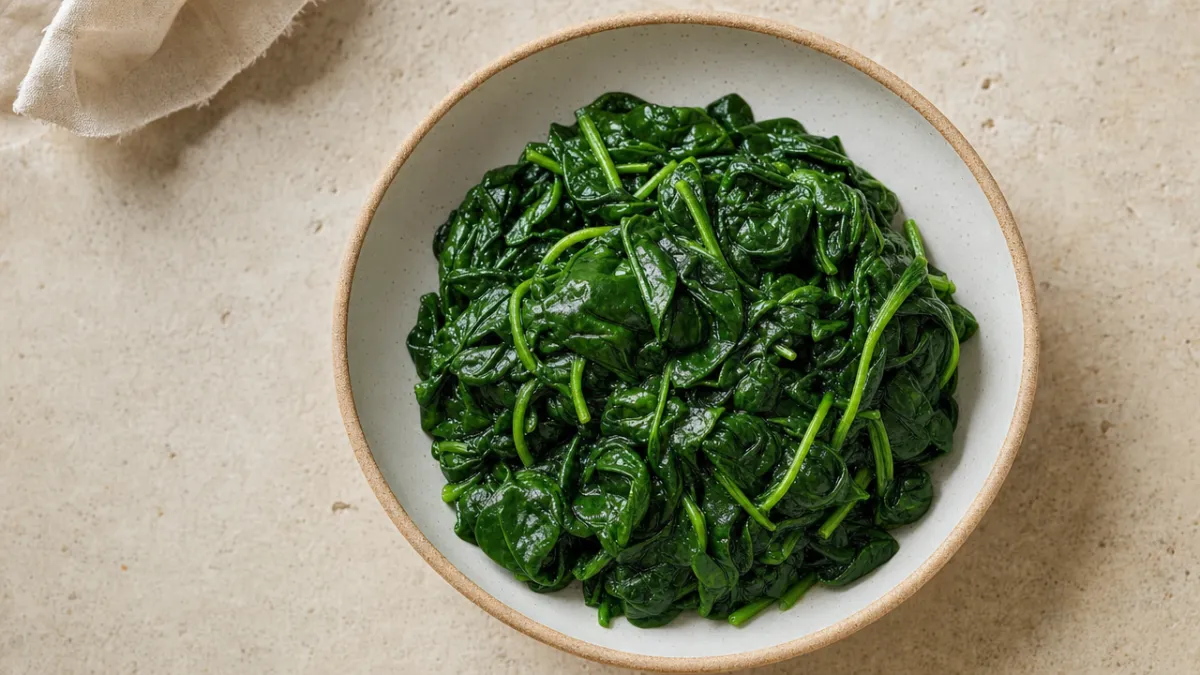
- 5 ounces baby spinach (about 5 packed cups)
- Zest and juice of 1 lemon
- 1/2 cup reserved pasta cooking water
- 1/3 cup finely grated parmesan cheese
- 2 tablespoons chopped fresh parsley or chives
- Freshly ground black pepper, to taste
Method
- 1Bring a large pot of water to a boil with the tablespoon of salt. Cook the pasta 1 minute less than the package says, then scoop out 1 cup of the cooking water before draining. Do not rinse the pasta; the starch on it is what makes the sauce cling.
- 2While the pasta cooks, pat the shrimp very dry and season with 1/4 teaspoon salt. Heat 1 tablespoon of the oil in a 12-inch skillet over medium-high until shimmering, add the shrimp in one layer, and sear 1 to 2 minutes per side until pink and curled into a loose C. Move them to a plate.
- 3Add the remaining 2 tablespoons of oil and the tomatoes to the skillet, cut side down. Cook 3 to 4 minutes without stirring until they blister and start to collapse, then stir and press a few with the spoon so their juices run into the oil.
- 4Add the spinach in two handfuls, stirring until each batch wilts, about 1 minute total. Sprinkle in the lemon zest and the remaining 1/4 teaspoon salt.
- 5Add the drained pasta, 1/2 cup of the reserved water and the lemon juice. Toss constantly over medium-high heat for 1 to 2 minutes until the liquid turns glossy and coats the strands rather than pooling. Add more pasta water a splash at a time if it looks dry.
- 6Return the shrimp and their juices to the pan and toss for 30 seconds to rewarm. Take the pan off the heat, add the parmesan and toss again so it melts into the sauce rather than clumping. Finish with parsley and black pepper.
Tips and swaps
- Flare version: cook the pasta soft, poach the shrimp in simmering water for 3 minutes instead of searing, and toss with a teaspoon of olive oil, a little lemon and a light dusting of parmesan. No tomatoes, no spinach. That was a real dinner for me on hard days.
- Buy shrimp labeled 21 to 25 per pound or larger. Smaller shrimp overcook in the time it takes to get color on them and turn rubbery.
- A loose C shape means done; a tight O means overcooked. Since the shrimp go back into the hot pan at the end, pull them a touch early in step two.
- For more sauce without more oil, use more of the reserved pasta water. The starch in it does the thickening, which is why I save a full cup even though the recipe usually needs half.
- Frozen shrimp work fine. Thaw them overnight in the fridge or in a bowl of cold water for 15 minutes, then dry them thoroughly or they will not sear.
What a serving gives you
A serving comes to roughly 35 grams of protein from the shrimp and parmesan, and shrimp are so lean that nearly all of the 14 grams of fat comes from the measured olive oil and cheese. Fiber is a modest 4 grams, from the tomatoes, spinach and pasta, which suits me because the vegetables are cooked soft. The pasta supplies most of the calories, around 550 per plate, which is a proper dinner on a day when I want to eat like a normal person.
Questions about this recipe
Can I use whole wheat pasta?
Once whole grains are back in your diet, yes, and it adds a few grams of fiber per serving. Whole wheat pasta needs a minute or two longer to reach the same softness and its cooking water is a little less starchy, so you may want extra parmesan to bring the sauce together. I still make this with regular pasta most of the time because the tomatoes and spinach are already the reintroduced parts, and I like to change one variable at a time.
Is it OK to add garlic now that I am in remission?
Garlic is one of the most common triggers people report even outside a flare, because it is high in fructans, so it stays out of my version. Garlic-infused olive oil is the workaround I use: the flavor compounds dissolve into the oil but the fructans do not, and you get most of the taste with none of the fermentable carbohydrate. Use it as the oil in step three. Fresh chives at the end give a mild allium finish without the same problem.