Can I eat bell peppers with ulcerative colitis?
By Jude Horak, UC patient. Sources checked 2026-08-12.
Also searched as: sweet peppers, capsicum.
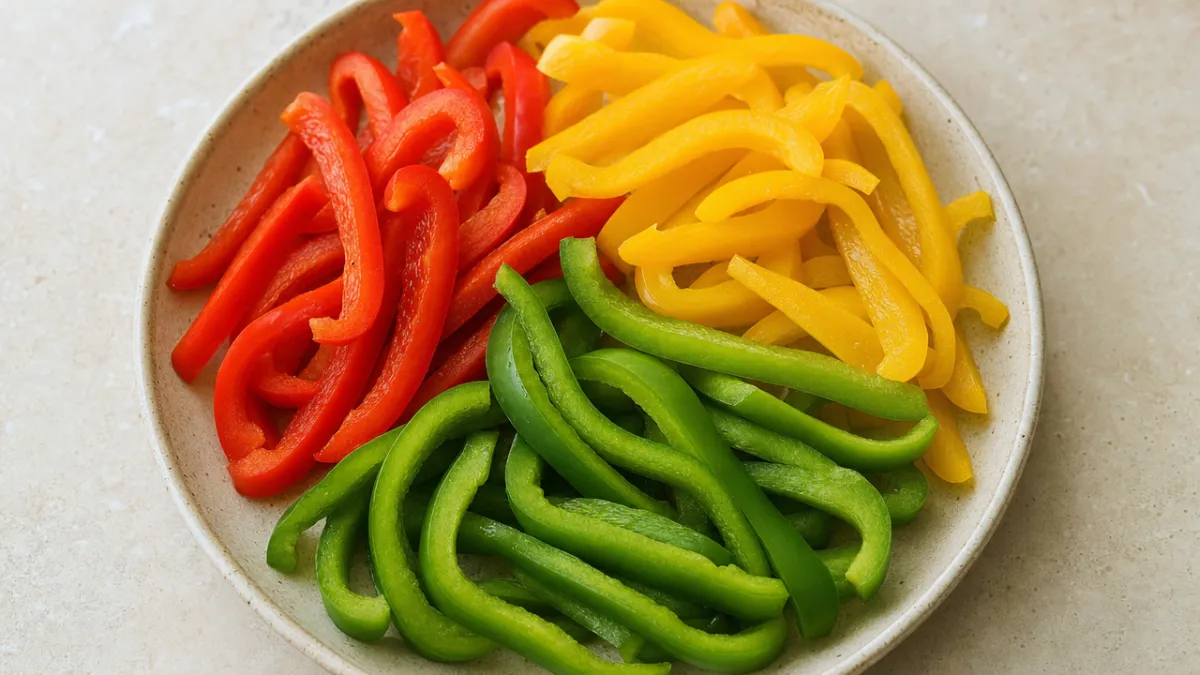
Monash FODMAP testing shows green bell pepper is low FODMAP while red bell pepper is high FODMAP, so color matters for tolerance. Peppers also have a tough, shiny skin that adds insoluble fiber, and as a nightshade they contain small amounts of solanine, though Cedars-Sinai notes evidence that nightshades are harmful is weak.
During a flare
Peeled, deseeded, and well-cooked pepper (especially green) is generally easier than raw pepper with skin during a flare.
In remission
Raw peppers, including red and other colors, are usually fine to reintroduce as tolerated.
What the research says about bell peppers and UC
Bell peppers are one of the few vegetables where color changes the rating. Monash FODMAP's food list reports that green bell pepper is low FODMAP at a typical half-cup serving, while red bell pepper tips into high FODMAP at a fairly small serving because of excess fructose. That is a real difference in fermentable sugar between an unripe and a ripe pepper, and it surprises many people who assume red is the sweeter, gentler choice. Cedars-Sinai's piece on superfoods and inflammatory disease adds the nightshade angle: peppers, like tomatoes and potatoes, contain small amounts of solanine that some people with inflammatory conditions prefer to avoid, while noting that the evidence for harm is weak.
The skin and seeds are the third factor, and here the evidence is general rather than pepper-specific. Neither source has studied peppers in ulcerative colitis. A pepper's glossy skin is tough insoluble fiber that many people see pass through undigested, and the white pith and seeds add more of the same. Roasting until the skin blisters and then peeling it, a standard kitchen technique, removes that variable entirely. So the honest summary is: one measured difference by color from Monash, one weak nightshade concern from Cedars-Sinai, and a texture issue that follows from general low-fiber reasoning and patient experience.
Ways to make it gentler
- peel or roast to loosen the skin
- remove seeds and pith
- start with green pepper if experimenting
Safer swaps
- cooked zucchini
How I handle bell peppers
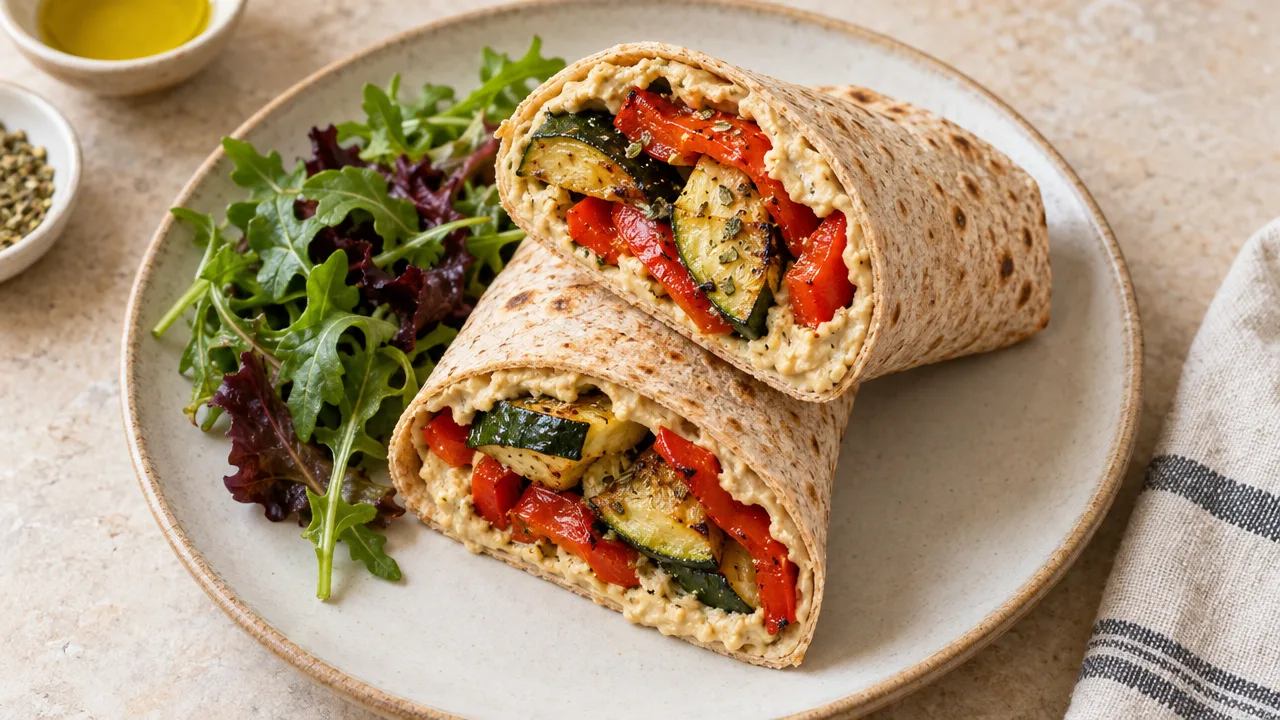
Peppers are a food I prepare properly or skip. During a flare, if I use them at all, it is green pepper, roasted or sauteed until fully soft, with the skin peeled off and the seeds and pith removed, and only a few strips. Raw red pepper strips with hummus, which used to be a regular snack, are strictly a remission food, and even then I keep the red ones to a modest amount because of the fructose. Jarred roasted red peppers are handy since the skin is already gone, though I rinse them and check the jar for garlic. Stuffed peppers I treat as a whole meal of variables, not a pepper test. The thing I remind myself is that a pepper's skin is a bit like a tomato skin: if it shows up undigested the next day, I did not cook it soft enough or should have peeled it.
How much, and how to test it
Start with a few strips of green bell pepper, roasted or sauteed until limp, with the skin peeled and seeds removed, alongside a meal you already trust. Watch the next day or two for cramping, loose stools, or skin fragments in stool. If that goes well, try a quarter cup of cooked green, then cooked red or yellow in a small amount, then raw green, and finally raw red. The Monash serving limit for red pepper is small, so if red pepper seems to trigger bloating, keep to green.
What you get from bell peppers
Bell peppers are among the richest vegetable sources of vitamin C, with red peppers carrying roughly twice the amount of green and a good dose of vitamin A as well. They also provide vitamin B6, folate, and some potassium, for around 30 calories per 100 grams. Vitamin C supports tissue repair and improves absorption of plant iron eaten alongside it, which is relevant when anemia is a concern, though peppers themselves offer little iron or energy.
Why this one shows up on trigger lists
Bell Peppers is flagged for 2 of the properties that most commonly cause UC symptoms. Each page explains the mechanism and lists every other food that carries it.
Questions people ask about bell peppers and UC
Are bell peppers bad for ulcerative colitis?
Not inherently, but they have three things to manage: tough skin, a fructose load that is higher in red than green peppers, and membership in the nightshade family, which some people choose to avoid despite thin evidence. Cooked and peeled green pepper is often fine even during a flare. Raw peppers with skin, especially red ones in quantity, are more commonly reported as a problem.
Can bell peppers cause diarrhea?
Red bell peppers reach a high fructose load at a fairly small serving according to Monash FODMAP, and ripe yellow and orange peppers are generally treated the same way. Unabsorbed fructose draws water into the gut and ferments, which can loosen stool in sensitive people. Green pepper does not carry that load. The skin and seeds add insoluble fiber that can speed things along when eaten raw. A small cooked green pepper portion is the version least likely to cause this.
Is black pepper bad for ulcerative colitis?
Black pepper is a spice from a peppercorn vine, not related to bell peppers at all. It contains piperine, which can be mildly irritating to some people in large amounts, but a normal seasoning quantity is usually tolerated. During a flare some people prefer to keep spices minimal, and hot spices like chili are more commonly reported as triggers than black pepper. Neither cited source addresses black pepper specifically.
Should I peel bell peppers for colitis?
During a flare, yes, if you eat them at all. The skin is tough insoluble fiber that often passes through undigested, and it is easy to remove: roast or broil the pepper until the skin blisters, rest it under a cover for a few minutes, then rub it off. Jarred roasted peppers skip the work. In remission, most people can eat cooked peppers with the skin, then work up to raw.
Recipes that use bell peppers
Sources
- FODMAP food list (Monash FODMAP)
- When Superfoods and Inflammatory Diseases Are a Recipe for Trouble (Cedars-Sinai)
Written by Jude Horak, a UC patient. Sources last checked 2026-08-12. Spotted an error? Tell me.