Can I eat chicken with ulcerative colitis?
By Jude Horak, UC patient. Sources checked 2026-08-12.
Also searched as: chicken breast, skinless chicken.
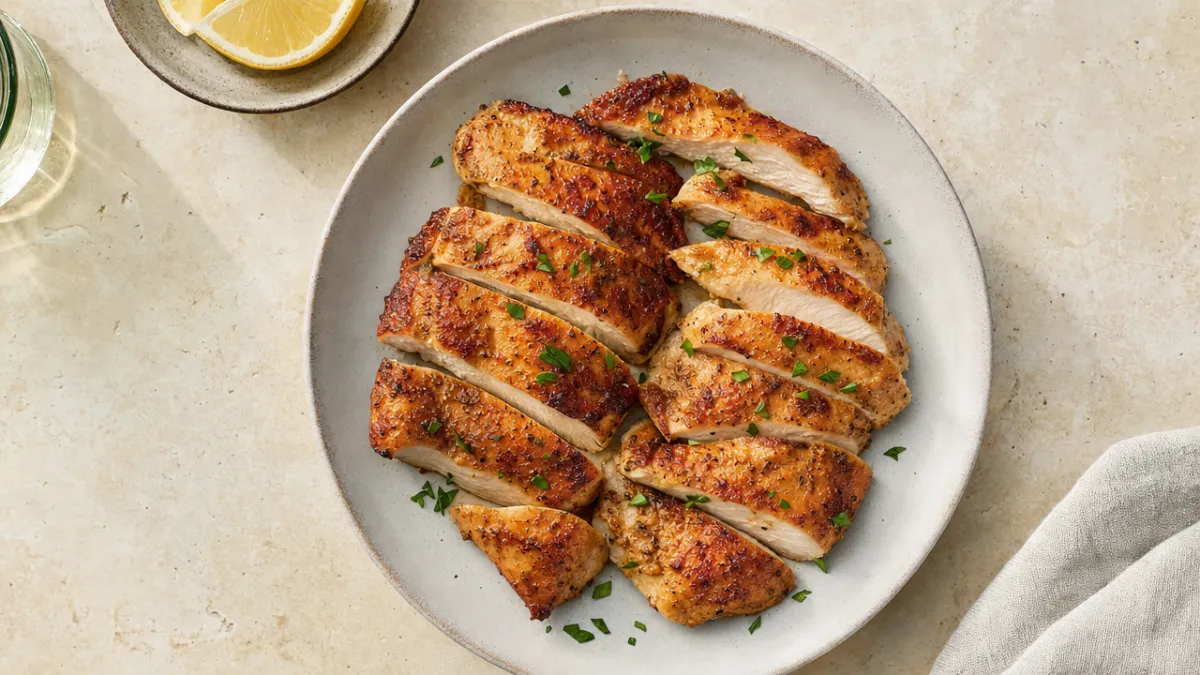
Skinless, lean chicken is low in fat and has no fibrous plant material to digest, so it's frequently named as one of the easiest proteins to tolerate in IBD, and protein needs go up during active disease. Skin-on or heavily fried chicken adds fat that can be harder to absorb during a flare.
During a flare
Lean, skinless, shredded, or ground chicken is a commonly recommended flare protein; tough or dry pieces with gristle are harder to manage.
In remission
Chicken in any preparation is generally well tolerated in remission as part of a varied diet.
What the research says about chicken and UC
Both organizations cited here put chicken on the short list of proteins for active disease. The Crohn's & Colitis Foundation names lean poultry alongside fish, eggs, and tofu as sources to focus on while inflamed, and its examples of flare-friendly meals lean on plain, cooked chicken. The Gastrointestinal Society (badgut.org) frames the same idea in terms of digestion: tender, low-fat animal protein is absorbed with less effort than fatty or gristly meat, and that matters when the gut is losing protein through an inflamed lining.
What neither source offers is a study of chicken on its own in ulcerative colitis. The advice is extrapolated from two broader findings: that red and processed meats are associated with higher inflammation risk when eaten often, and that lean protein intake supports recovery during flares. Chicken benefits by comparison rather than by direct proof. The skin and the cooking method carry most of the risk. Skin-on thighs deep-fried in batter belong to the high-fat category the same guidance asks people to limit, while a poached breast does not. So the verdict here applies to lean, skinless, gently cooked chicken and should not be stretched to cover fried chicken or wings.
Ways to make it gentler
- Remove the skin
- Shred, mince, or slow-cook until very tender
- Bake, grill, poach, or steam instead of frying
How I handle chicken
Chicken is my default dinner protein because it is cheap, boring in a good way, and easy to cook in bulk. My approach during a flare is a batch of skinless thighs or breasts poached in stock until they shred with a fork, then kept in the fridge to add to rice, broth, or mashed potatoes. Dryness is the thing I avoid: an overcooked chicken breast is chewy and sits badly when my gut is irritated. Slow cooking or poaching fixes that. I steer clear of rotisserie skin, wings, and anything breaded while symptoms are up, then bring those back gradually in remission. Ground chicken is a useful middle ground because the texture is already broken down. On days when I cannot face cooking, plain grilled chicken from a restaurant, sauce on the side, has been a reliable choice.
How much, and how to test it
Start with about three ounces of skinless chicken, poached or baked until tender, with a plain starch like white rice. Keep sauces, marinades, and skin out of the first few meals. Watch for cramping or urgency over the next 24 to 48 hours; chicken rarely causes trouble on its own, so a reaction often points to something served with it. Once plain chicken is clearly fine, increase the portion, then test darker meat, then grilled skin-on pieces. Fried or breaded chicken is the last step and worth leaving until remission.
What you get from chicken
A three-ounce cooked portion of chicken breast provides roughly 26 grams of protein, plus niacin, vitamin B6, selenium, and phosphorus. That is a large protein contribution for a small, soft serving, which is exactly what someone losing weight during a flare needs. Dark meat adds a little more iron and zinc at the cost of some extra fat. Chicken carries no lactose, fiber, or FODMAPs, so it rarely competes with other tolerance concerns.
Why this one shows up on trigger lists
Chicken is flagged for one of the properties that most commonly cause UC symptoms. Each page explains the mechanism and lists every other food that carries it.
Questions people ask about chicken and UC
Is chicken good for ulcerative colitis?
It is one of the proteins most consistently recommended during both flares and remission, provided it is lean and cooked simply. Skinless breast or thigh, poached, baked, or slow-cooked until tender, delivers a lot of protein with almost no fat and no fiber. The trouble tends to come from what surrounds it: batter, skin, heavy creamy sauces, or hot spice blends.
Can I eat fried chicken with colitis?
During a flare, fried chicken is usually a poor choice, because deep frying pushes the fat content into the range that guidance asks people to limit when the gut is inflamed. In remission, many people handle an occasional serving without incident. If you want to test it, do so on a calm week, keep the portion small, and remove the skin from part of it so you can compare.
Is chicken soup okay during a colitis flare?
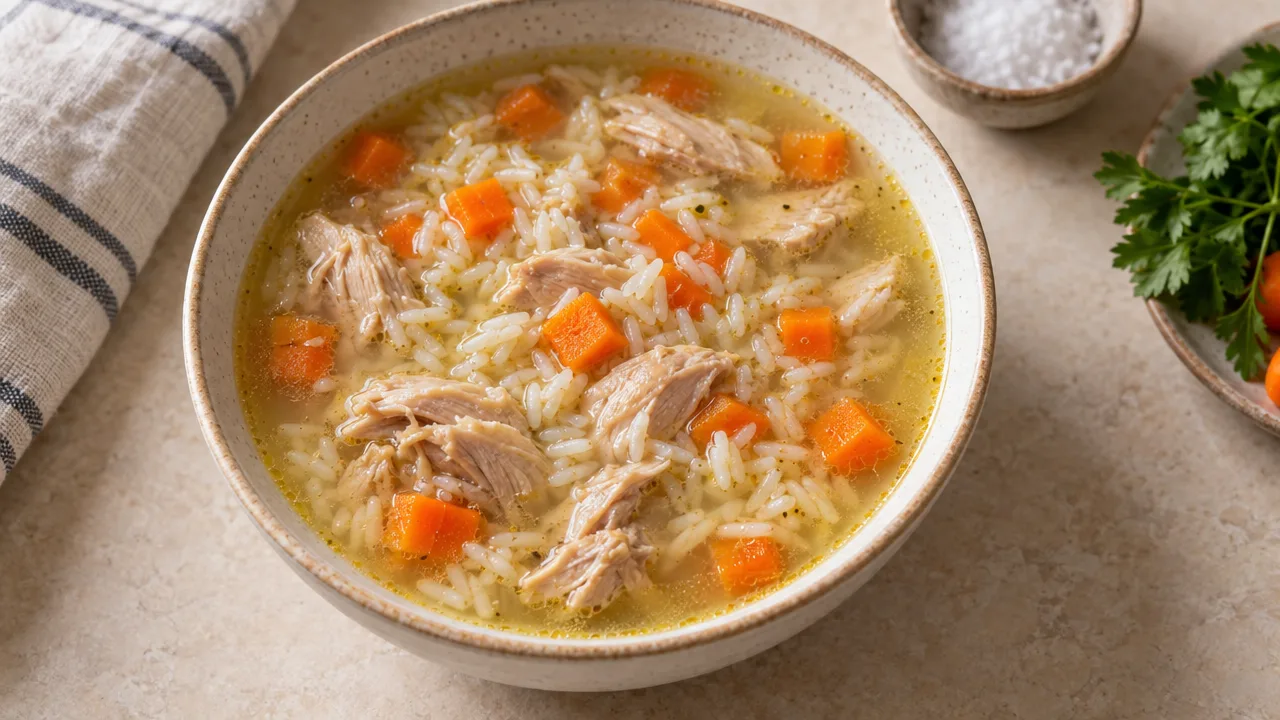
A clear chicken broth with shredded meat and soft white rice or noodles is one of the gentler meals available during a flare, and it helps replace fluid and sodium lost to diarrhea. Skim the fat from the surface, cook any celery and onion very soft and strain them out, and salt to taste. Cream-based chicken soups add dairy and fat and are worth leaving for later.
Does chicken cause inflammation in IBD?
Not according to the cited guidance. Chicken sits in the lean-protein group that organizations encourage, in contrast to red and processed meats that are linked with higher inflammation risk when eaten often. What can be inflammatory in practice is the preparation: repeated meals of fried or breaded chicken bring the same high-fat concerns as any fried food. Plain chicken has no such signal.
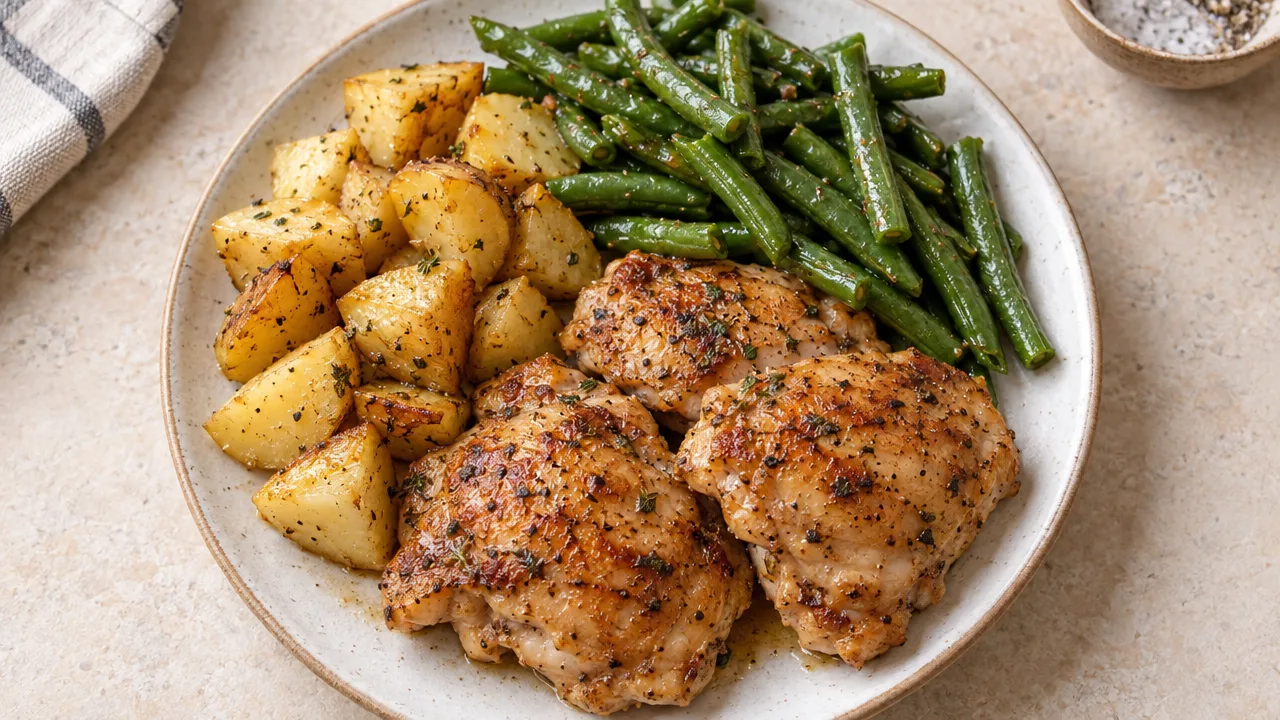
Recipes that use chicken
Sources
- What Should I Eat with Crohn's or Colitis? IBD Diet Guide (Crohn's & Colitis Foundation)
- Inflammatory Bowel Disease Nutrition Tips (Crohn's Disease and Ulcerative Colitis) (Gastrointestinal Society (badgut.org))
Written by Jude Horak, a UC patient. Sources last checked 2026-08-12. Spotted an error? Tell me.