Salmon and Brown Rice Bowl with Cucumber and Avocado
By Jude Horak, UC patient. Remission. Dinner.
- Prep
- 15 min
- Cook
- 45 min
- Total
- 60 min
- Serves
- 2
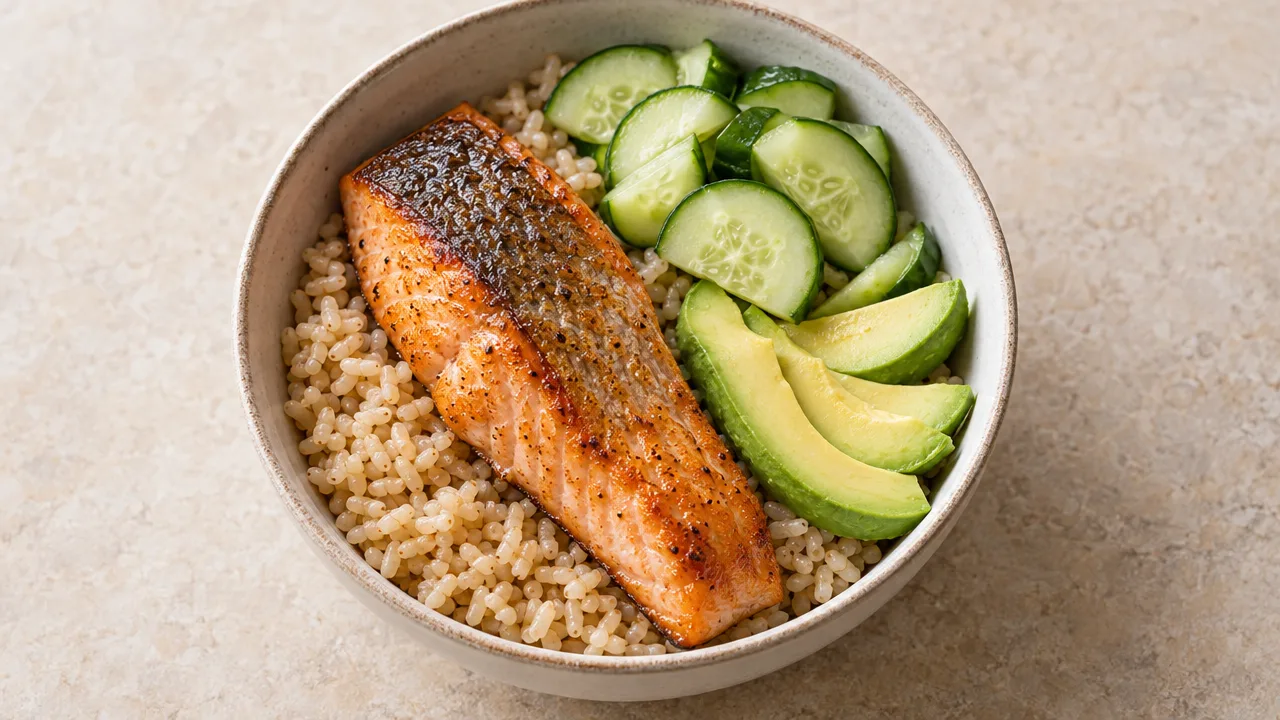
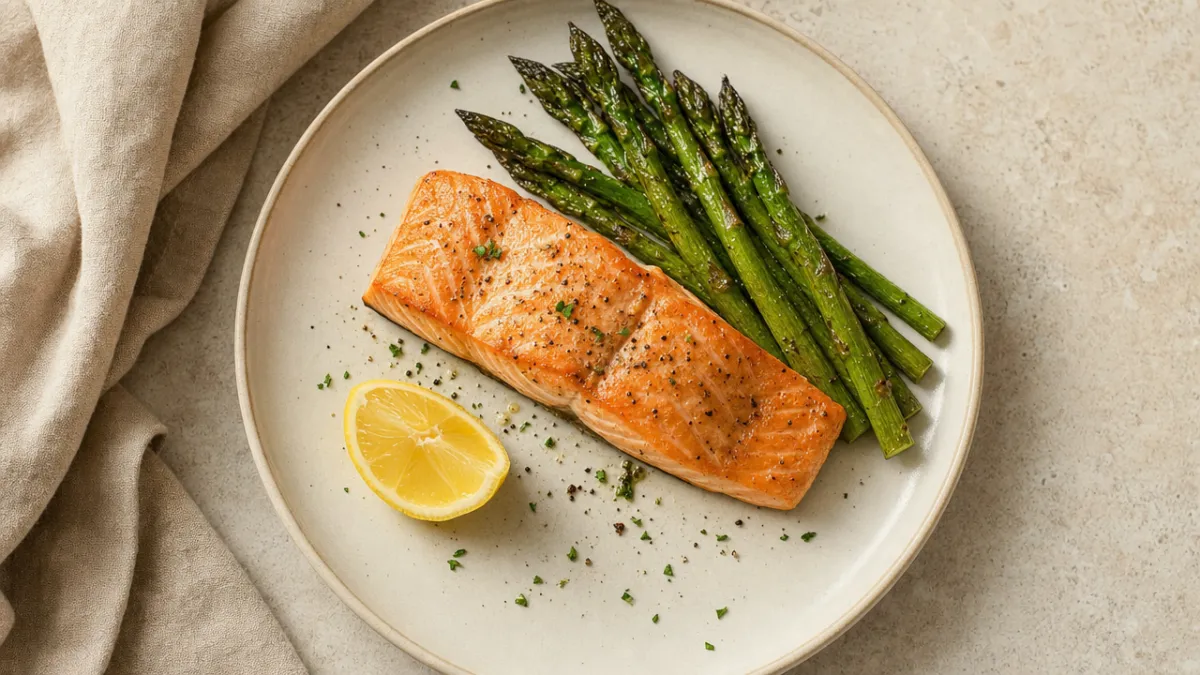
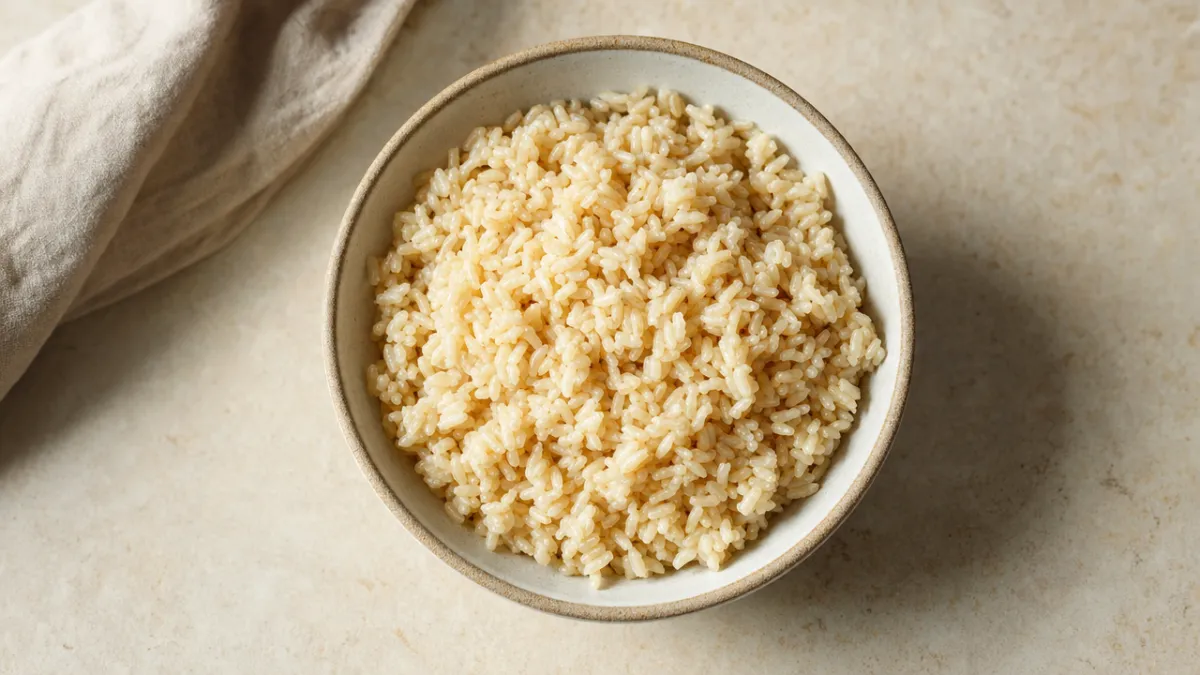
White fish over white rice was a dinner I made so many times during my flare that I could do it without thinking, and this bowl is that dinner grown up. Salmon replaces the cod, brown rice replaces the white, and cucumber with a bit of rice vinegar adds crunch and acid that plain rice never had. I did not make all three swaps at once. Brown rice came first, cooked with more water and for longer than the package says so it turns soft rather than chewy, and I ate it in half portions mixed with white rice for a couple of weeks. Salmon came next, baked rather than pan-fried, because its fat content is higher than white fish and I wanted to see how a richer fish sat before doing anything fancy with it. The cucumber was last. This is a 45-minute dinner mostly because of the rice, and almost all of that time is hands off. It makes two generous bowls and the rice can be cooked a day ahead.
Why it works for UC
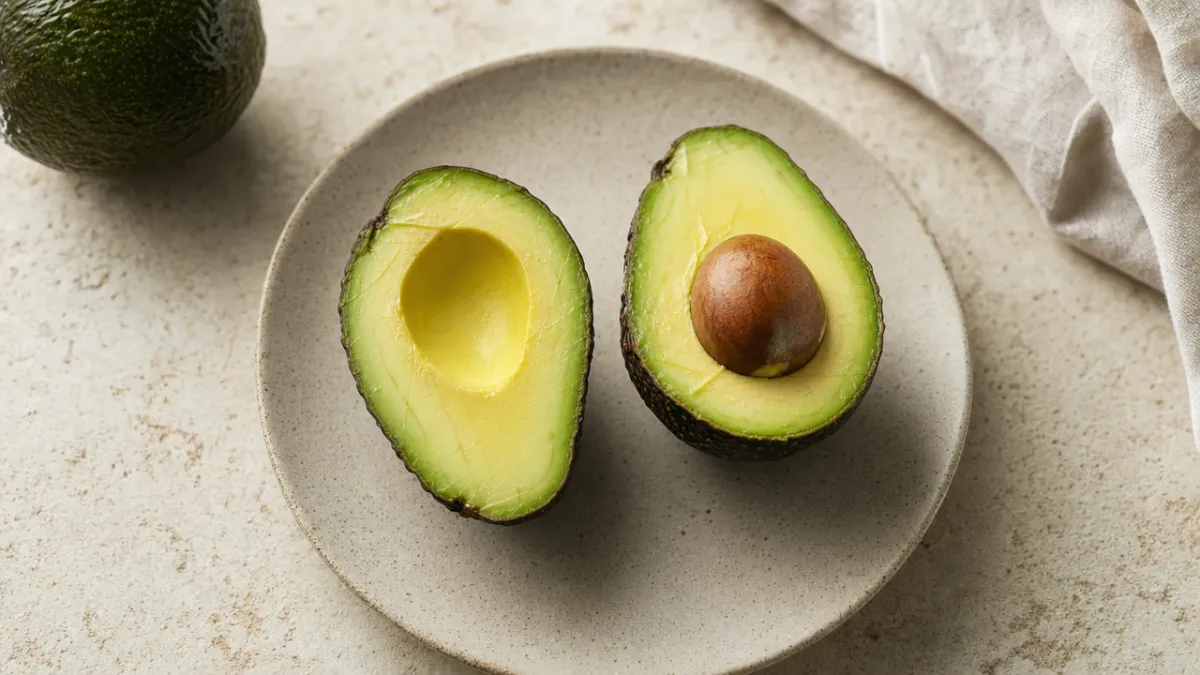
Salmon is an oily fish, which is exactly why it moves from caution in a flare to a regular fixture in remission: the extra fat is what made it harder to absorb when things were inflamed, and baking it plain keeps that fat from being added to. Brown rice keeps its bran, adding insoluble fiber that white rice lacks; cooking it soft in extra water blunts that difference. Cucumbers are low-FODMAP but their skin and seeds are raw fiber, so peeling and seeding is a middle step I still use. Avocado adds creamy fat that is easy to digest, and olive oil in the dressing stays at a teaspoon per bowl.
Ingredient pages: Salmon, Brown Rice, Cucumbers, Avocado, Olive Oil
Ingredients
- 1 cup short-grain brown rice, rinsed
- 2 1/4 cups water, plus 1/4 teaspoon salt for the rice
- 2 skin-on salmon fillets, 5 to 6 ounces each
- 2 teaspoons extra-virgin olive oil, divided
- 2 tablespoons low-sodium soy sauce
- 1 teaspoon honey
- 1 teaspoon finely grated fresh ginger
- 1 tablespoon rice vinegar
- 1 small cucumber (about 6 ounces)
- 1 ripe avocado
- 2 tablespoons finely chopped chives
- 1 lemon, cut into wedges
Method
- 1Combine the rinsed brown rice, water and salt in a saucepan and bring to a boil. Drop to the lowest simmer, cover, and cook for 40 to 45 minutes until the water is absorbed and the grains are fully tender with no chalky center. Let it sit covered off the heat for 10 minutes before fluffing.
- 2About 20 minutes before the rice is done, heat the oven to 400 F. Pat the salmon dry, rub with 1 teaspoon of the olive oil and a pinch of salt, and set skin side down on a parchment-lined sheet pan.
- 3Bake the salmon for 12 to 14 minutes, until the thickest part flakes when pressed with a fork and reads 125 to 130 F on a thermometer for a moist center. It keeps cooking a little on the pan, so pull it a touch early rather than late.
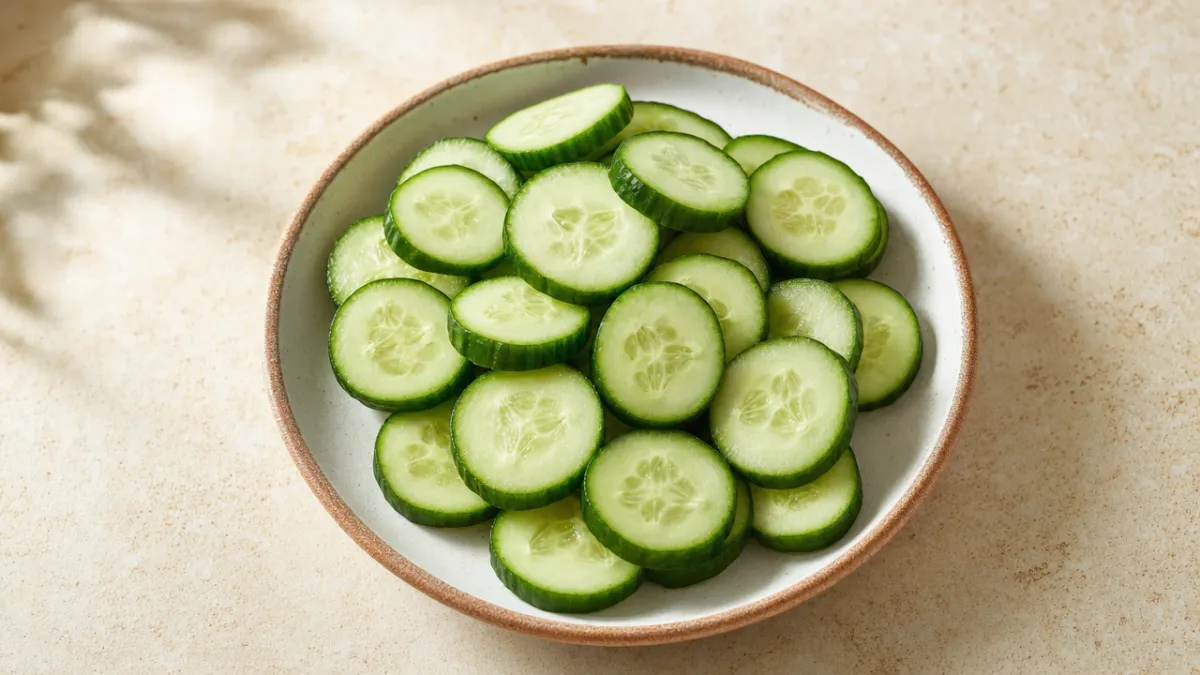
- 4While the fish bakes, peel the cucumber, halve it lengthwise, scrape out the seeds with a spoon, and cut it into thin half moons. Toss with the rice vinegar and a pinch of salt and let it sit for 10 minutes to soften slightly.
- 5Stir the soy sauce, honey, ginger and remaining teaspoon of olive oil together in a small bowl until the honey dissolves. Halve and pit the avocado and slice it thin.
- 6Divide the rice between two bowls. Peel the skin off the salmon if you prefer and lay a fillet on each bowl of rice, then arrange the cucumber and avocado alongside. Spoon the ginger soy dressing over everything, scatter with chives and serve with lemon wedges.
Tips and swaps
- Flare version: swap in white rice cooked soft, use cod or another white fish, leave out the cucumber, and keep the avocado to a few slices. That is essentially the bowl I lived on, and it is still good.
- Short-grain brown rice cooks softer and stickier than long-grain, which is why I prefer it here. If you only have long-grain, add another 1/4 cup of water and 5 minutes to the cook time.
- The 10-minute rest after the rice finishes is not optional. It lets the last moisture redistribute so the bottom is not wet while the top is dry.
- Cooked brown rice keeps 4 days in the fridge and reheats well with a splash of water, covered, in the microwave. I make a double batch so the next bowl is a 15-minute dinner.
- Half brown and half white rice is a real option, not a compromise. I mixed them for the first couple of weeks of reintroducing brown rice and it made the change easy to track.
What a serving gives you
One bowl brings around 35 grams of protein from the salmon and roughly 5 grams of fiber from the brown rice, cucumber and avocado combined. Salmon is also one of the richer food sources of omega-3 fats, which patient organizations tend to encourage in remission. The fat total is on the higher side for me, close to 30 grams with the avocado, which is fine on a good day and a reason I keep the portions of oil and avocado modest rather than generous.
Questions about this recipe
Can I leave the skin on the cucumber in remission?
Once things are stable, many people eat cucumber skin and seeds without any issue, and the skin is where a fair amount of the flavor lives. I still peel it, mostly out of habit and because the peeled, seeded version is what I know sits well. If you want to test it, leave the skin on half of the cucumber and see how that goes before doing the whole thing. Either way, the quick pickle in rice vinegar softens it a bit.
Does the salmon reheat well for lunch the next day?
Cooked salmon dries out and gets fishy-smelling when reheated, so for leftovers I keep the fish cold and flake it over freshly warmed rice. Store the salmon, rice, cucumber and dressing in separate containers and slice the avocado fresh, since it browns within a couple of hours. Assembled that way, the second bowl takes about five minutes and tastes better than a microwaved version would. I would eat it within two days.