Can I eat zucchini with ulcerative colitis?
By Jude Horak, UC patient. Sources checked 2026-08-12.
Also searched as: courgette.
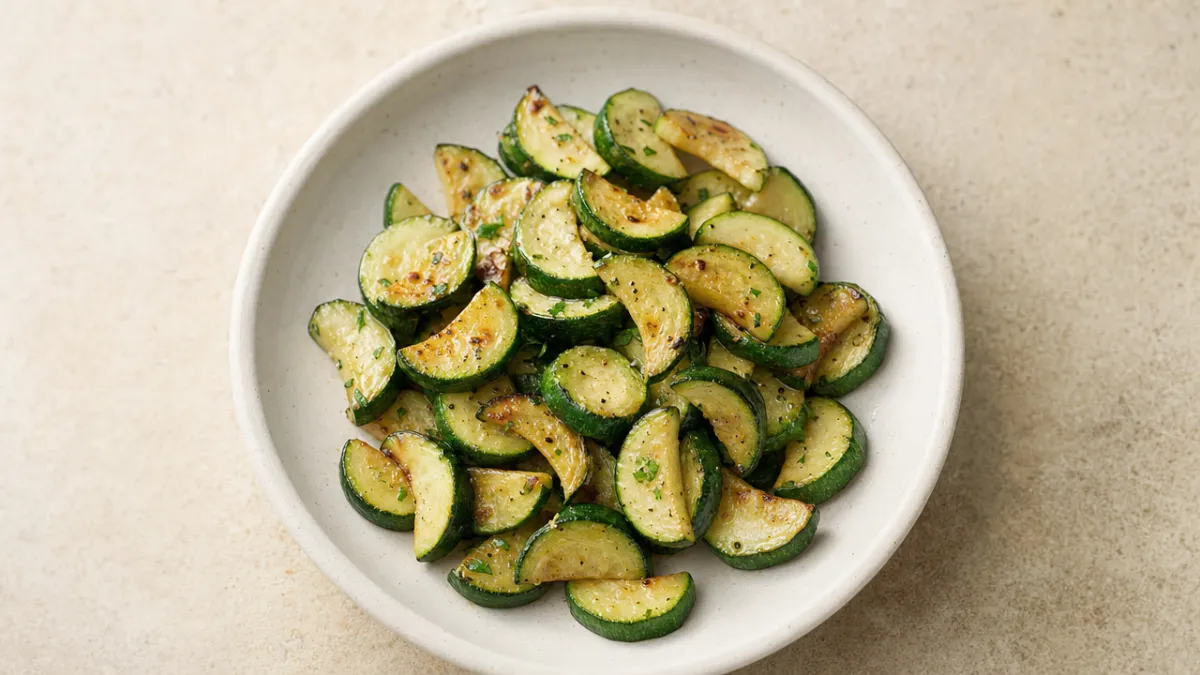
Cooked until fork-tender, zucchini is low FODMAP and specifically named as a well-tolerated soluble-fiber vegetable in patient-facing IBD fiber guidance. Larger, more mature zucchini can have bigger seeds and tougher skin worth peeling or scooping out.
During a flare
Peel and cook until fork-tender; scoop out large seeds in bigger zucchini.
In remission
Usually reintroduces easily, including with skin on, as tolerated.
What the research says about zucchini and UC
Zucchini is one of the vegetables the American Gastroenterological Association's patient guide on fiber in IBD points to as a source of soluble fiber that tends to be easier on the gut, in contrast to fibrous, skin-heavy vegetables it suggests saving for later. Soluble fiber absorbs water and forms a soft gel, which is part of why cooked zucchini all but melts. Monash FODMAP's blog on eating more vegetables on a low FODMAP diet includes zucchini among the vegetables that fit a low FODMAP plate at typical servings, with the note that its fructan content rises at larger portions, so a heaping plate is not identical to a side dish.
As with most vegetables on this site, neither source is reporting a study of zucchini in ulcerative colitis. The AGA guidance is about fiber types in IBD broadly, and Monash's data is drawn from IBS research. The specific concerns here are practical: mature zucchini develops a tougher skin and larger, more watery seeds than a small one, and both add texture that a sensitive gut may notice. The sources do not address that directly, but it follows from the same insoluble-versus-soluble reasoning they lay out.
Ways to make it gentler
- cook until fork-tender
- peel or deseed larger zucchini
How I handle zucchini
Zucchini is my low-effort flare vegetable. I buy the small ones, since they have thin skin and barely any seeds, and I saute them in olive oil until they go translucent and soft, or drop them into a soup where they basically dissolve. On a rough day I peel them, and if I ended up with a big one I scrape the seedy center out with a spoon. Zucchini noodles are a texture I only go near in remission, because raw spiralized zucchini is still raw vegetable and I treat it that way. What I like about zucchini is how little it asks of me: it takes five minutes, it goes with eggs, rice, chicken, or pasta, and it has never been the ingredient I suspected first. I do keep the portion sensible rather than eating a whole pan of it.
How much, and how to test it
Half a cup of peeled, well-cooked zucchini is a comfortable starting point, ideally from a small, young squash. Watch the next day or two for gas or looser stools. Most people can move fairly quickly from there: a full cup, then skin-on, then larger seeded zucchini, then raw or grilled slices once in remission. Because Monash notes the fructan content climbing at bigger servings, if you notice bloating only when you eat a lot of it, portion rather than preparation is probably the lever to pull.
What you get from zucchini
Zucchini is around 95 percent water, which makes it a quiet contributor to hydration when diarrhea is ongoing, and it carries potassium, vitamin C, and some B6 with very few calories, roughly 17 per 100 grams. The fiber is mostly soluble and modest in amount. It will not help with weight or protein, so think of it as a gentle way to get vegetables and fluid in rather than a source of energy.
Why this one shows up on trigger lists
Zucchini is flagged for one of the properties that most commonly cause UC symptoms. Each page explains the mechanism and lists every other food that carries it.
Questions people ask about zucchini and UC
Is zucchini good for ulcerative colitis?
It is one of the more consistently well-tolerated vegetables, and the AGA's fiber guidance uses it as an example of a gentler soluble-fiber choice. Cooked until soft, especially from a small squash with thin skin, it is mild, low in acid, low FODMAP at normal servings, and easy to puree into soups. Very few people report zucchini as a trigger, which is rare for a vegetable.
Does zucchini cause inflammation?
No evidence suggests zucchini promotes inflammation in the gut or anywhere else. It is sometimes lumped in with squash and gourds in anti-inflammatory diet lists as a food to include, not exclude. If zucchini seems to bother you, the likely causes are a large raw portion, a tough-skinned mature squash, or something it was cooked with like garlic or onion, rather than the zucchini itself.
Can I eat zucchini raw with colitis?
During a flare, raw zucchini falls into the same category as other raw vegetables that low-fiber guidance suggests setting aside, mostly because of intact skin and texture rather than any chemistry. In remission, thin raw slices or zucchini noodles are usually fine for many people, and lightly warming spiralized zucchini in a pan is an easy halfway step between raw and fully cooked.
Is zucchini okay for gastritis or diverticulitis as well?
Those are different conditions from UC, and this site focuses on colitis, so treat this as general context only. Cooked zucchini is low in acid and low in fat, which is why it is often suggested for gastritis, and its softness and low insoluble fiber fit the low-fiber phase many people with diverticulitis are advised to follow. Follow your own clinician's guidance for those conditions.
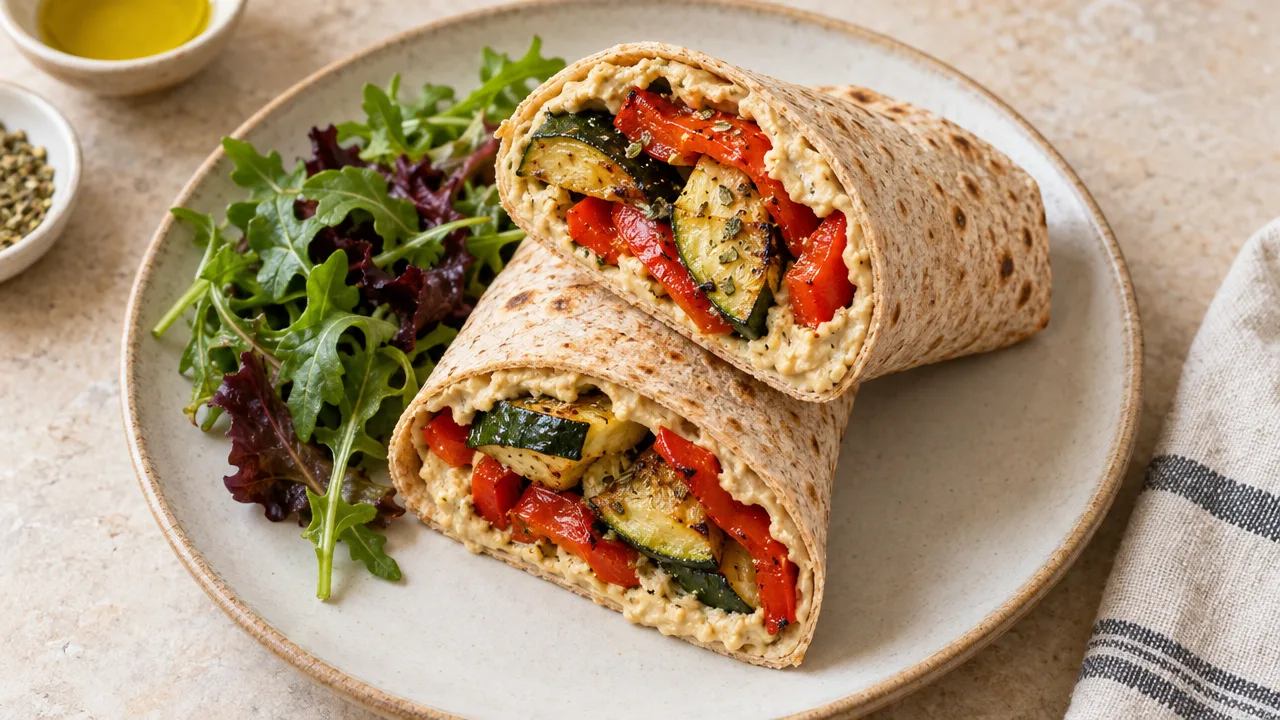
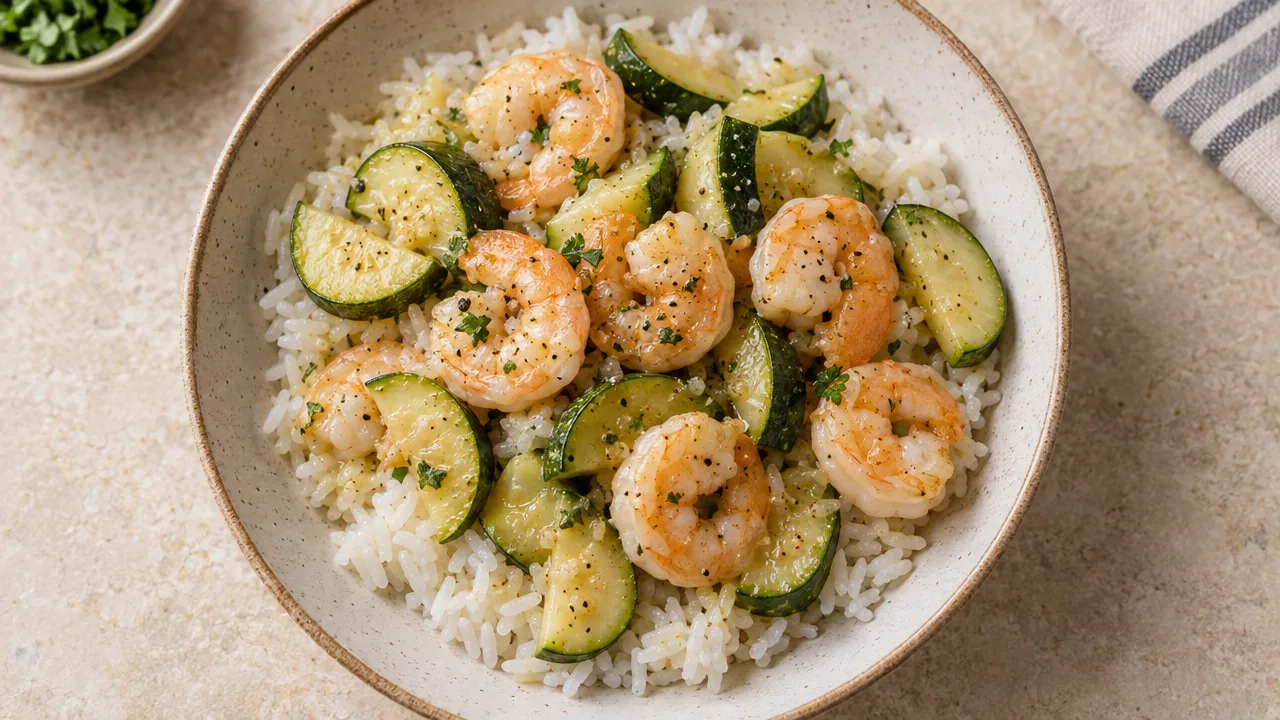
Recipes that use zucchini
Sources
- Inflammatory bowel disease (IBD): Role of fiber (American Gastroenterological Association)
- Eating more vegetables on a low FODMAP diet (Monash FODMAP)
Written by Jude Horak, a UC patient. Sources last checked 2026-08-12. Spotted an error? Tell me.