Shrimp and Zucchini over White Rice
By Jude Horak, UC patient. Flare-friendly. Dinner.
- Prep
- 15 min
- Cook
- 20 min
- Total
- 35 min
- Serves
- 2
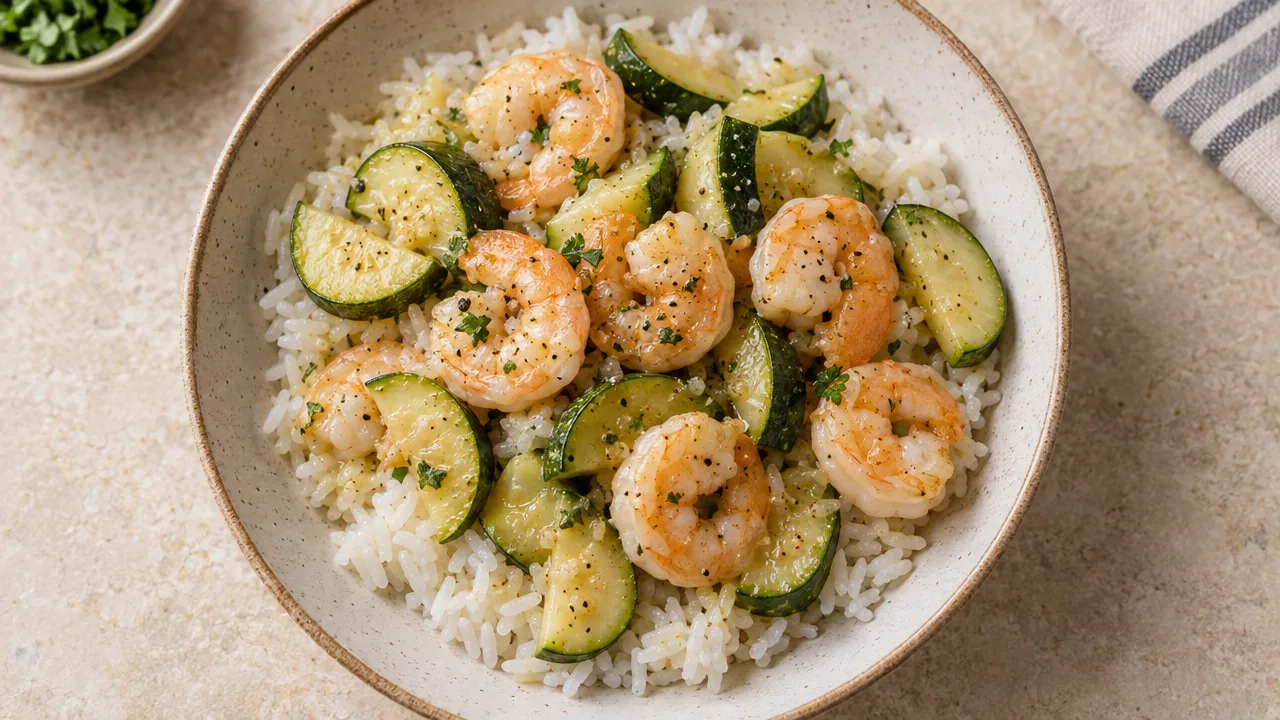
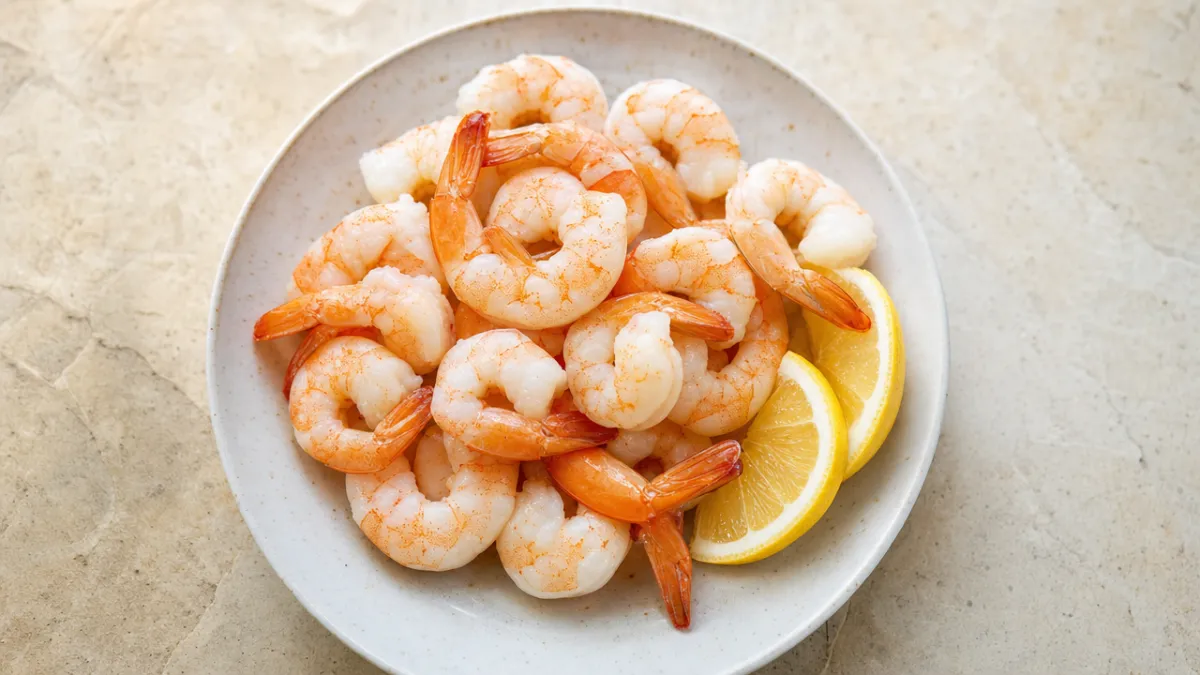
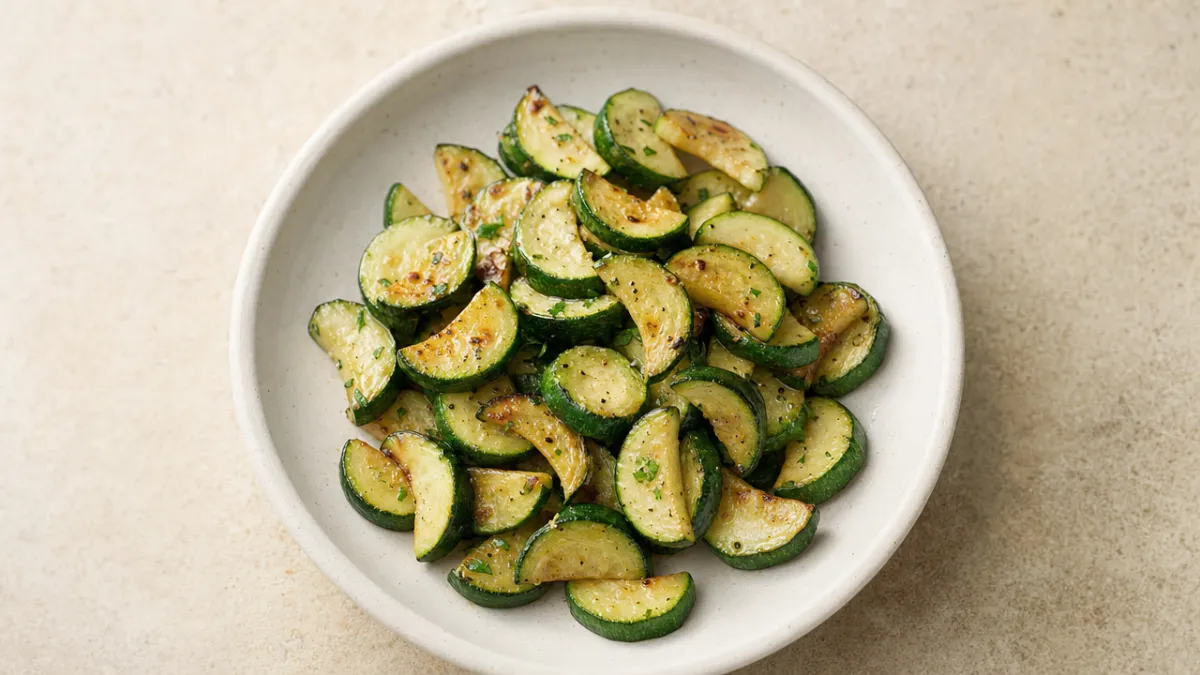
This is my fifteen-minute dinner for flare weeks when I want something that tastes bright and fresh rather than beige. Shrimp cooks in a couple of minutes and is one of the leanest proteins in the store, and zucchini, once peeled and cooked past the crisp stage, becomes soft enough to mash with the back of a spoon. The whole thing comes together in one skillet with a little broth, lemon juice, and a slice of ginger for warmth, with no garlic or chili even though that is how I used to cook shrimp. I peel the zucchini because the skin is where most of the tougher fiber sits, and if the zucchini is large I scoop out the seedy center too. Served over white rice cooked a little softer than usual, it is a proper dinner that leaves me feeling light afterward, which is exactly what I want when my gut is already working overtime.
Why it works for UC
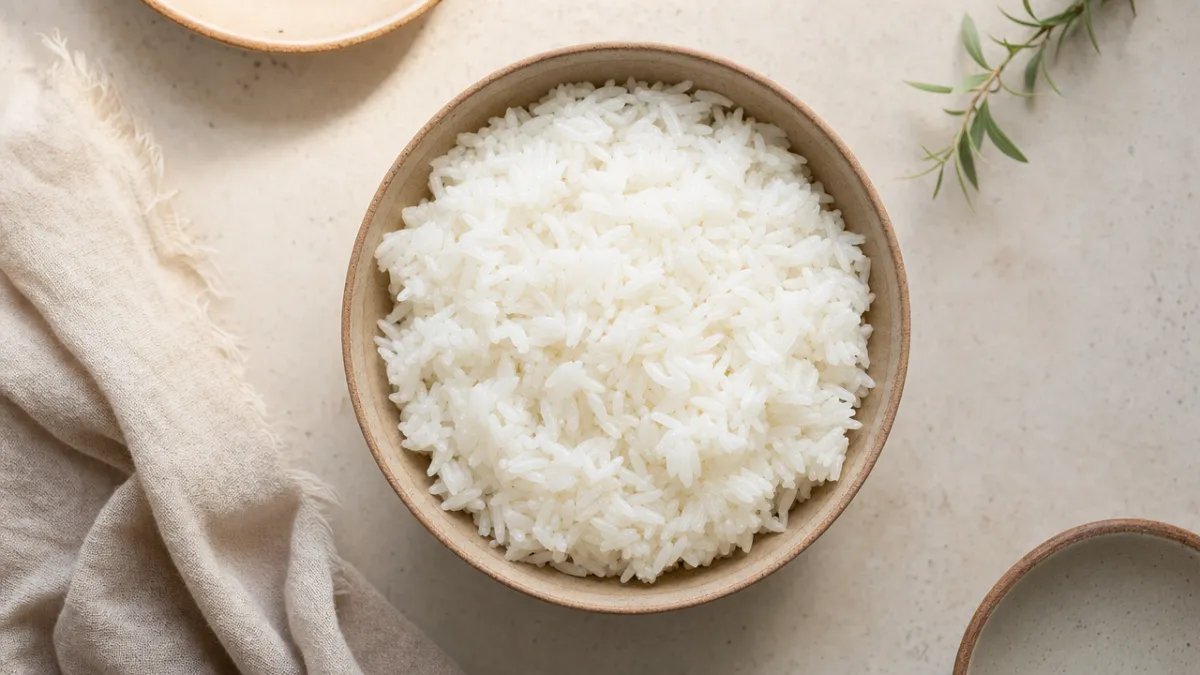
Shrimp is a low-fat, complete protein with no fibrous connective tissue, so it fits the lean protein pattern that is generally easier to digest during active disease. Zucchini is low FODMAP and, once peeled and simmered until it yields easily, has very little insoluble fiber left in it. White rice is a refined starch that goes down easily and soaks up the light broth. Cooking everything in broth and lemon rather than oil and garlic keeps the dish low in fat and free of the aromatics that many of us find irritating mid-flare.
Ingredient pages: Shrimp, Zucchini, White Rice
Ingredients
- 3/4 lb raw shrimp, peeled, deveined, tails removed
- 2 medium zucchini, peeled, seeded if large, cut into 1/2 inch half-moons
- 1 cup long-grain white rice
- 2 1/2 cups water for the rice
- 3/4 cup low-sodium chicken broth
- 1 tablespoon olive oil
- 2 thin slices fresh ginger
- 1 1/2 tablespoons fresh lemon juice
- 3/4 teaspoon fine salt, divided
- 1 tablespoon chopped fresh parsley, optional
Method
- 1Rinse the rice, put it in a small pot with the two and a half cups of water and a quarter teaspoon of salt, and bring to a boil. Cover, drop to low, and cook eighteen minutes. The extra water makes it softer than usual.
- 2While the rice cooks, warm the olive oil in a large skillet over medium heat. Add the zucchini, ginger slices, and another quarter teaspoon of salt and stir for two minutes.
- 3Pour in the broth, cover, and simmer for six to eight minutes until the zucchini is fully tender and presses flat with a spoon. Crisp-tender is not the goal here.
- 4Pat the shrimp dry, season with the remaining salt, and add them to the skillet in a single layer. Cook two minutes, turn, and cook one to two minutes more until pink and curled into a loose C shape.
- 5Remove the ginger slices, stir in the lemon juice, and turn off the heat. Fluff the rice, divide it between two bowls, and spoon the shrimp and zucchini over the top with some of the broth.
Tips and swaps
- Shrimp goes from perfect to rubbery in under a minute. A loose C shape is done; a tight O means it went too far.
- Frozen raw shrimp thawed under cold running water for ten minutes is just as good as fresh here and usually cheaper.
- If zucchini seeds have ever bothered you, halve the squash lengthwise and run a spoon down the center before slicing.
- Add a handful of frozen peas or a scattering of scallion greens in remission. During a flare I keep it exactly as written.
What a serving gives you
A serving supplies about 26 grams of lean protein from the shrimp with only a few grams of fat, plus easy carbohydrate from the rice and some potassium and vitamin C from the zucchini. Shrimp also brings selenium and vitamin B12. It is a light plate by design; if you need more calories, a second scoop of rice is the gentle way to add them.
Questions about this recipe
Can I use frozen zucchini?
You can, though frozen zucchini is usually unpeeled and turns watery when cooked, so the dish comes out a bit soupier. Skip the covered simmer and just add it straight to the broth for five minutes. Fresh zucchini that you peel yourself gives more control over the skin, which is the part most likely to bother a sensitive gut.
Is shellfish a concern with ulcerative colitis?
Not specifically, unless you have a shellfish allergy, which is a separate issue from UC. Shrimp is a lean protein that fits the same category as white fish and chicken in most IBD dietary guidance. What tends to cause trouble is how it is served: deep-fried, buttered, or drowned in garlic and chili. Steamed or simmered plainly, it has been fine for me.