Poached White Fish with Mashed Potatoes
By Jude Horak, UC patient. Flare-friendly. Dinner.
- Prep
- 15 min
- Cook
- 25 min
- Total
- 40 min
- Serves
- 2
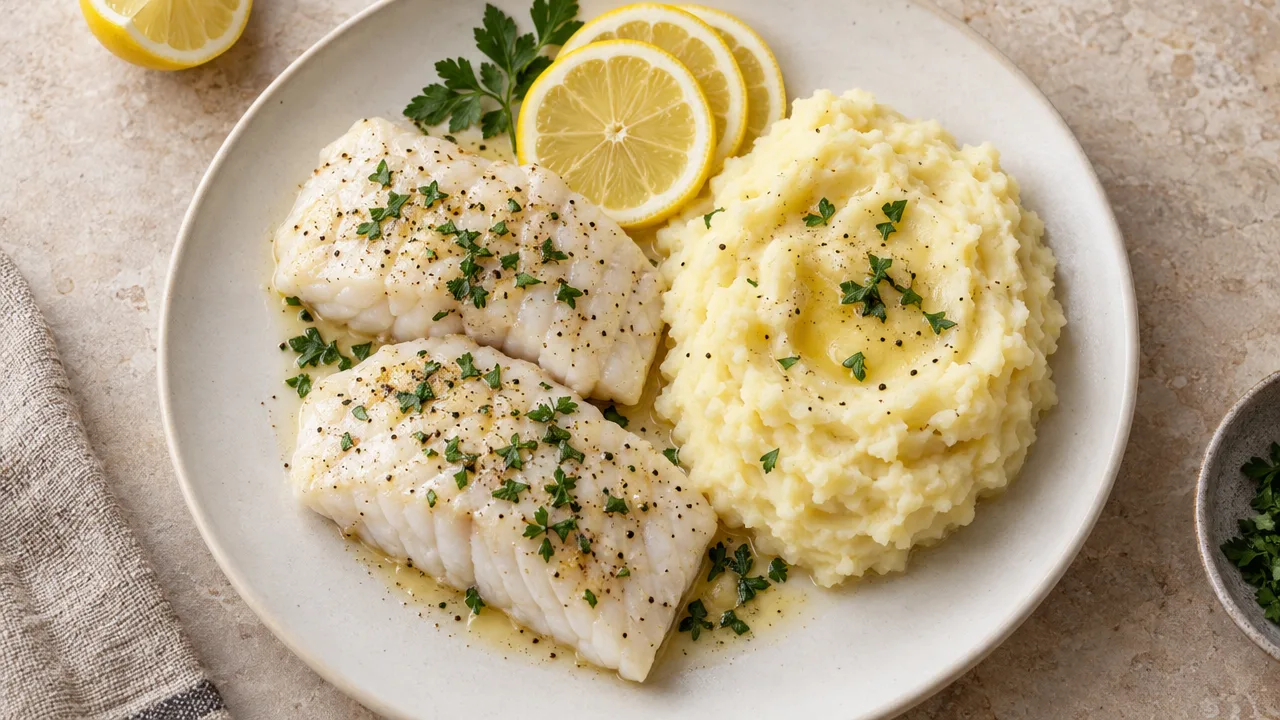
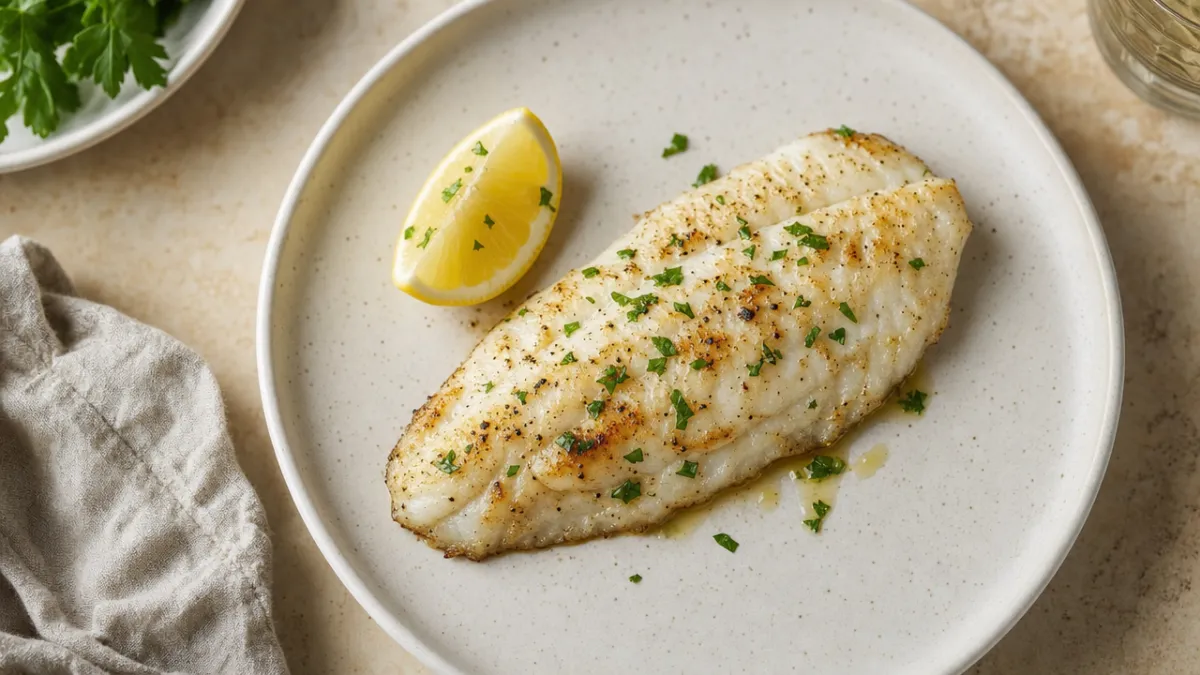
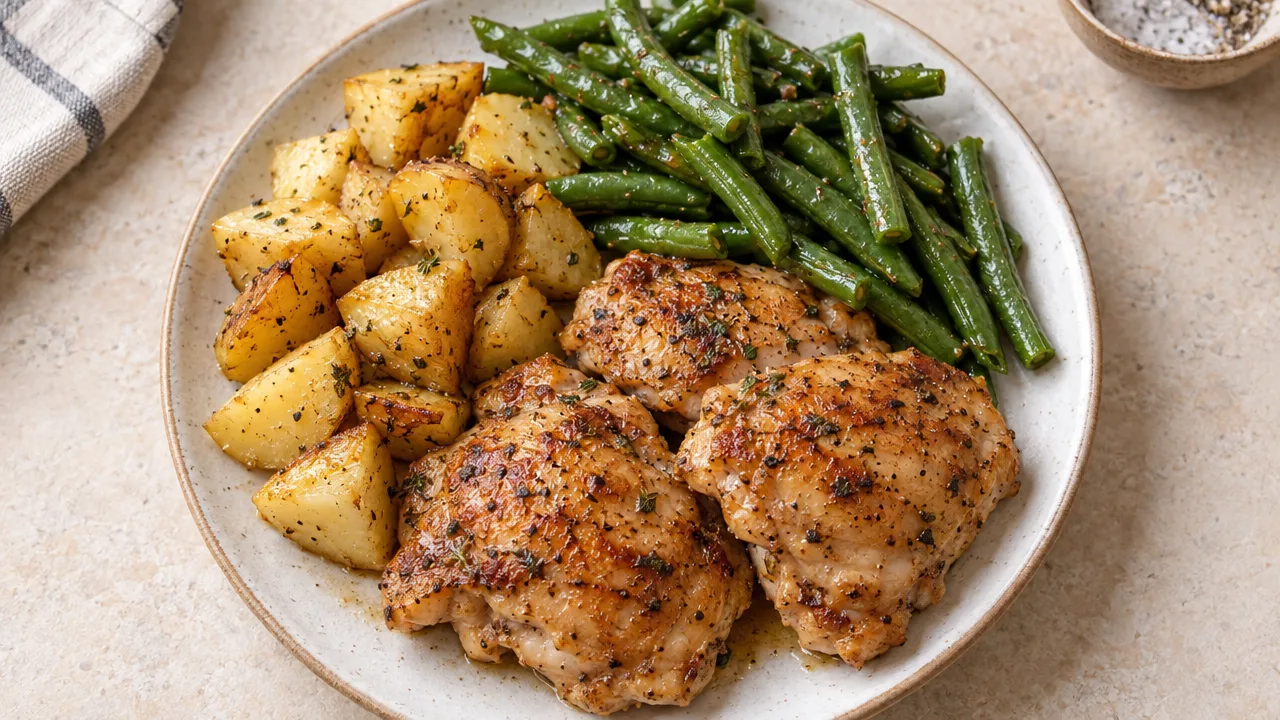
Fish and mashed potatoes is a dinner I might have found bland before diagnosis. Now it is one of the meals I am most grateful for during a flare, because it is lean, soft, and warm without a single ingredient that makes me nervous. The fish is poached, not fried or roasted, in barely simmering water with lemon and salt, which keeps it moist and flaking apart in about eight minutes. The potatoes are peeled, boiled until they fall off a knife, and mashed with lactose-free milk and a small pat of butter instead of the cream and cheese I used to add. The result is a plate of two soft textures that require almost no chewing. I make this when I want to eat a proper dinner at the table rather than another bowl of soup, and it has become a bit of a Sunday routine. Any mild white fish works; I usually buy whatever is on sale.
Why it works for UC
White fish like cod, tilapia, or haddock is very low in fat and has short, delicate muscle fibers that separate easily, so it digests with less effort than red meat. Poaching adds no oil and keeps the fish moist, which avoids the dry, fibrous texture that bothers me when fish is overcooked. Potatoes, peeled and boiled soft, are mostly starch and soluble fiber once the skin is gone, and mashing removes any remaining structure. Lactose-free milk makes the mash creamy without the lactose, and keeping the butter small keeps overall fat low.
Ingredient pages: White fish, Potatoes, Lactose-Free Milk
Ingredients
- 2 white fish fillets, about 6 oz each (cod, tilapia, or haddock), skinless
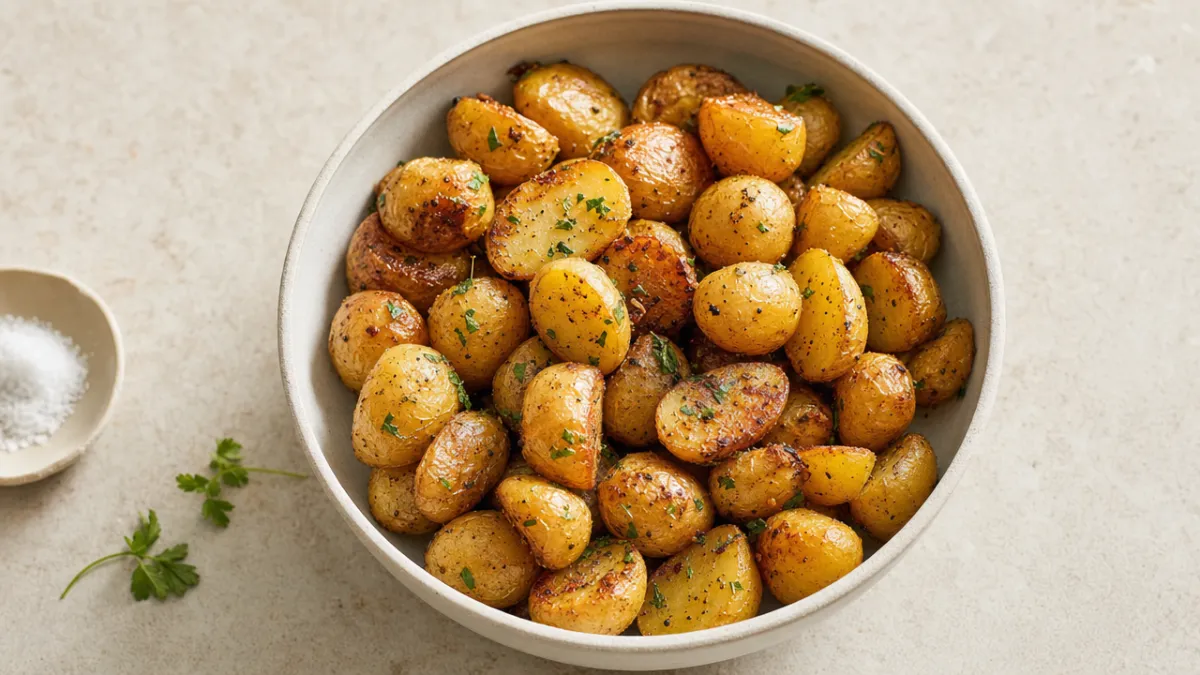
- 1 1/2 lb russet or Yukon Gold potatoes, peeled and cut into 1 inch chunks
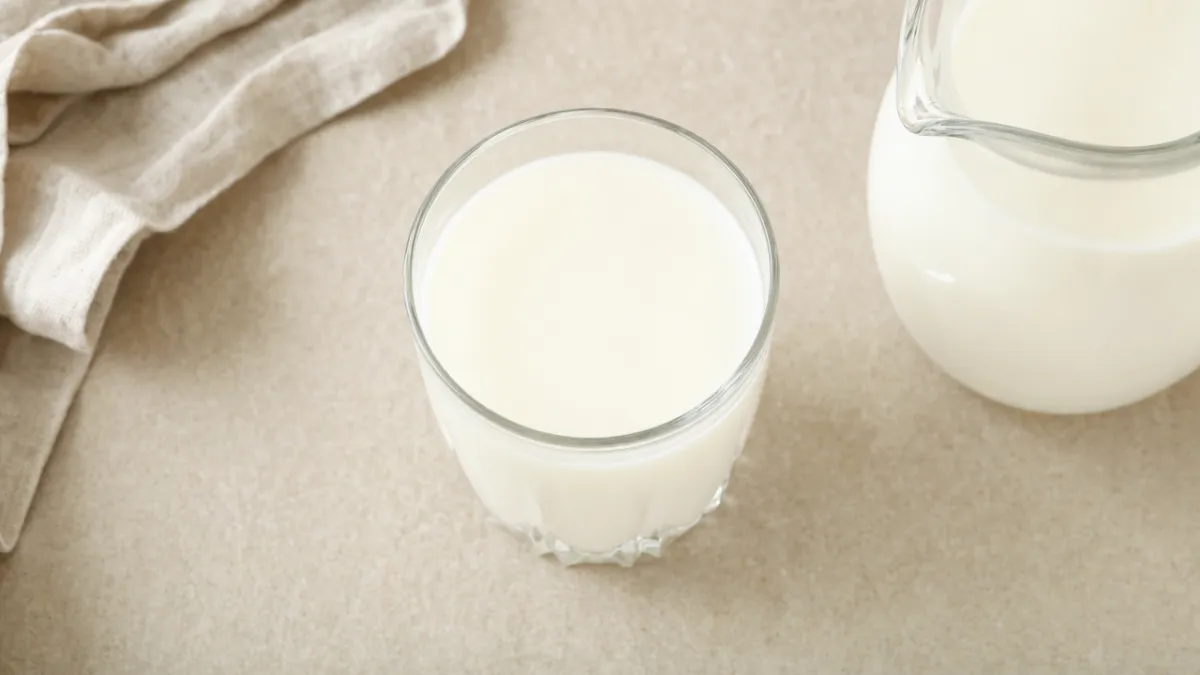
- 1/2 cup lactose-free milk, warmed
- 1 tablespoon unsalted butter
- 1 lemon, half sliced and half for juice
- 1 1/4 teaspoons fine salt, divided
- 4 cups water for poaching
- 1 tablespoon chopped fresh parsley or dill, optional
Method
- 1Put the peeled potato chunks in a pot, cover with cold water by an inch, add one teaspoon of the salt, and bring to a boil. Cook fifteen to eighteen minutes until a knife slides in with no resistance.
- 2While the potatoes cook, pour four cups of water into a wide skillet, add the lemon slices and remaining salt, and bring it to a bare simmer. You want small bubbles, not a rolling boil.
- 3Slide the fish fillets into the water in a single layer. Poach for six to nine minutes depending on thickness, until the flesh turns opaque and flakes when pressed gently with a fork.
- 4Drain the potatoes well and let them steam dry in the colander for a minute. Return them to the hot pot and mash with a potato masher until no lumps remain.
- 5Add the warm lactose-free milk and butter and mash again until smooth and creamy. Taste and add salt if needed. Cover to keep warm.
- 6Lift the fish out with a slotted spatula, letting the water drain off, and set it over a mound of potatoes. Squeeze fresh lemon juice over the fish and scatter with parsley or dill if you like.
Tips and swaps
- Fish is done the moment it flakes. Another two minutes past that and it turns dry and stringy, which is exactly what you do not want.
- Warm the milk before mashing; cold milk makes potatoes gluey and cools everything down fast.
- Frozen fish fillets work fine. Thaw them overnight in the fridge and pat dry before poaching.
- If potato skins bother you, this is the recipe that proves peeled potatoes are a completely different food. Do not skip the peeling.
What a serving gives you
A six ounce fillet supplies around 30 grams of lean protein with very little fat, which matters because protein needs climb when UC is active. Potatoes contribute potassium and easy carbohydrate, and lactose-free milk adds a little calcium. Fat stays low with only a tablespoon of butter across two servings, so the meal is filling without sitting heavy.
Questions about this recipe
Can I bake the fish instead of poaching it?
Yes. Lay the fillets on a parchment-lined sheet, brush lightly with olive oil, salt them, and bake at 400 degrees F for ten to twelve minutes until they flake. Baking gives slightly firmer fish. I poach during flares because it needs no oil at all, but baked is still a lean, gentle option as long as you skip the breading.
Can I make the mashed potatoes ahead?
Yes. Mash them fully, cool, and refrigerate up to two days. Reheat in a saucepan over low heat with a few extra tablespoons of lactose-free milk, stirring until hot and smooth. They stiffen when cold, so do not judge the texture until they are warm again. Poach the fish fresh; it takes under ten minutes and does not reheat nicely.