Can I eat shrimp with ulcerative colitis?
By Jude Horak, UC patient. Sources checked 2026-08-12.
Also searched as: prawns, shellfish.
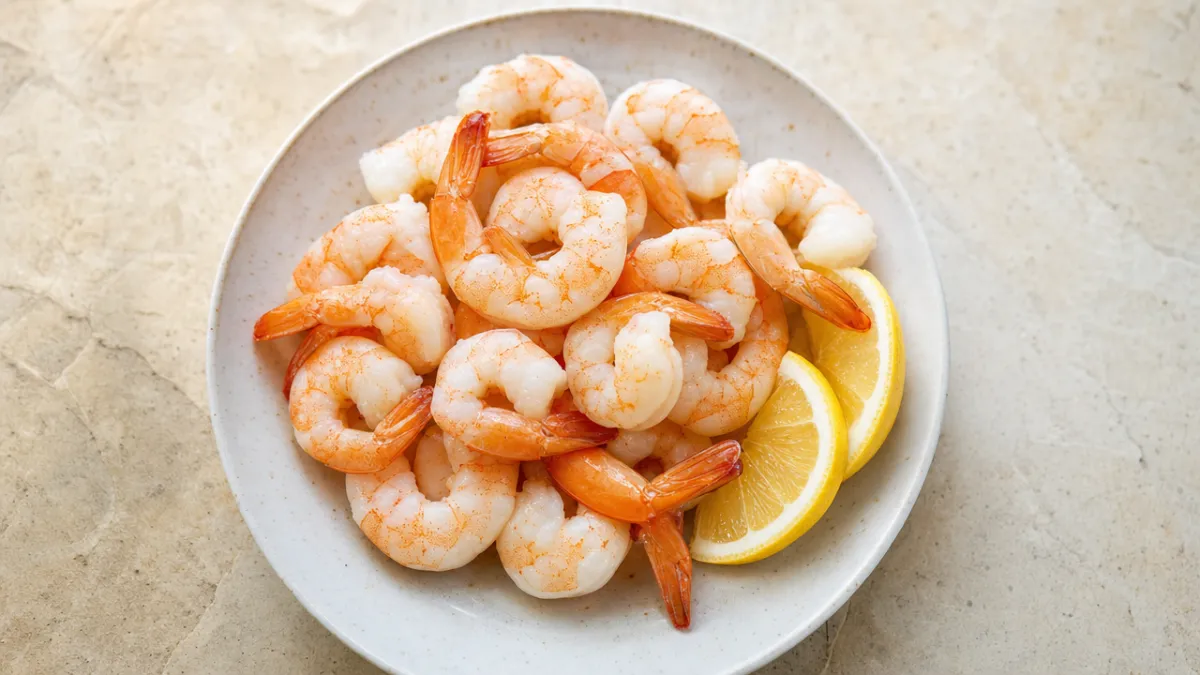
As a lean, low-fat seafood protein, shrimp fits the general pattern that lean proteins are easier to digest and absorb than fattier meats during active disease, when protein needs rise but fat tolerance is often lower. Patient guidance on fish and other proteins as part of a balanced diet applies broadly to seafood including shellfish.
During a flare
Simply prepared (steamed, grilled, or sauteed in a little oil) shrimp is generally an easy, low-fat protein option during a flare; fried or heavily breaded/sauced preparations add fat that some people tolerate less well.
In remission
Shrimp is generally fine as a regular protein source in remission; individual shellfish sensitivities or allergies are a separate consideration from colitis tolerability.
What the research says about shrimp and UC
Neither Crohn's & Colitis UK nor the Gastrointestinal Society (badgut.org) discusses shrimp by name, so everything on this page is an extrapolation. What the two organizations do say is that fish and seafood are healthy protein choices in a balanced IBD diet, that lean protein tends to be easier to absorb during active inflammation, and that fatty or fried foods are among the most commonly reported problem foods during a flare. Shrimp fits the lean side of that picture: it is almost fat-free, has no fiber, and cooks to a firm but tender texture in a few minutes.
The direct evidence for shellfish in ulcerative colitis is thin, and readers deserve to know that. Shrimp appears on some anecdotal lists of inflammatory foods online, but there is no support for that in the cited guidance, which draws its inflammation warnings from red meat, processed meat, and high-fat cooking rather than seafood. Two separate issues sometimes get confused with colitis tolerance. Shellfish allergy is an immune reaction unrelated to IBD, and food poisoning from undercooked or poorly stored shrimp is a contamination problem that anyone can experience. Neither says anything about whether cooked shrimp suits an inflamed colon. For most people the deciding factor is the preparation: steamed or grilled shrimp behaves like white fish, while breaded, fried, or butter-drenched shrimp behaves like any other fried food.
Ways to make it gentler
- Steam, grill, or lightly saute instead of deep-frying
- Go easy on rich sauces during a flare
How I handle shrimp
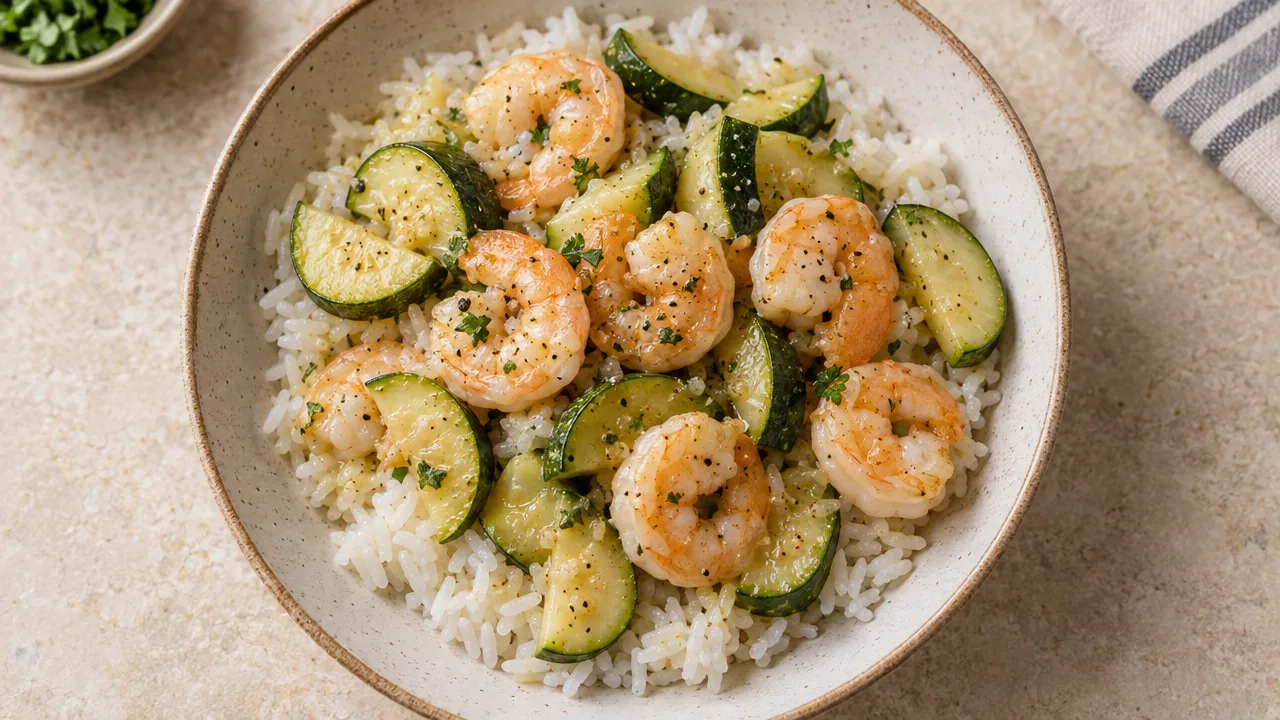
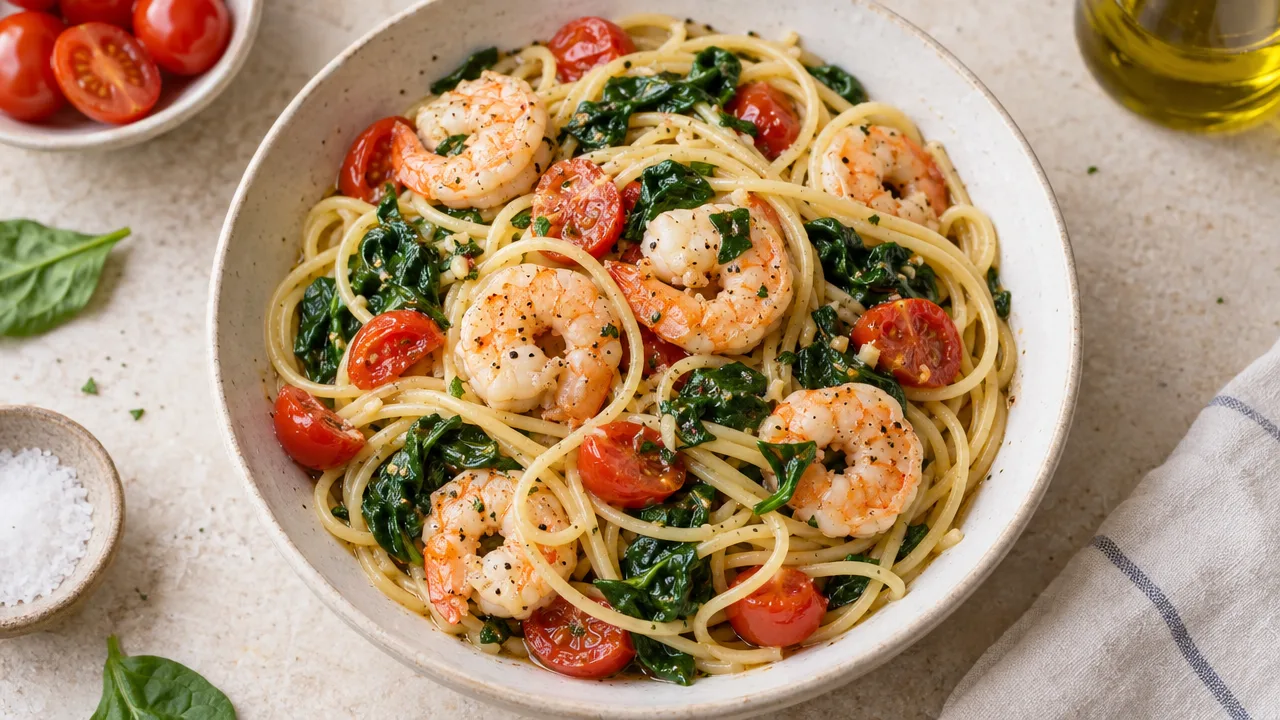
Shrimp is one of the fastest proteins I can put on the table, and speed matters when I am tired. My flare version is frozen raw shrimp thawed under cold water, tossed in a hot pan with a teaspoon of olive oil, salt, and garlic-infused oil rather than garlic itself, cooked until just pink, and served over white rice. That takes ten minutes. Shrimp cocktail from the grocery store is another easy option, though I go light on the cocktail sauce because horseradish and a lot of tomato are their own tests. The things I avoid during a flare are coconut shrimp, popcorn shrimp, and anything swimming in butter, since the fat rather than the shrimp is what tends to cause trouble. In remission I eat shrimp however it comes, including fried, and it has been consistently uneventful for me.
How much, and how to test it
Start with a small handful, roughly six to eight medium shrimp or three ounces, steamed or quickly sauteed in minimal oil, over rice or with plain pasta. Leave heavy sauces, breading, and spice for later. Over the next one to two days note any cramping, urgency, or nausea. A reaction to plain shrimp is uncommon, so consider whether a sauce or seasoning was involved before ruling out the shrimp. If it goes well, increase the portion, then try grilled shrimp with a marinade, and leave fried preparations until you have been stable for several weeks.
What you get from shrimp
Three ounces of cooked shrimp deliver about 20 grams of protein with under two grams of fat, plus selenium, vitamin B12, iodine, and some iron. That makes shrimp one of the leanest complete proteins available, which is useful during a flare when fat absorption is reduced. The catch is low calorie density: anyone trying to regain weight needs to pair shrimp with enough starch and added fat. Shrimp is also moderately high in sodium, and cocktail sauce adds more.
Questions people ask about shrimp and UC
Can you eat shrimp with colitis?
Most people with ulcerative colitis can, and plain cooked shrimp is often one of the better-tolerated proteins during a flare because it is lean, soft, and fiber-free. The cited guidance treats seafood as a healthy protein choice in general. The main things to watch are the cooking method, since fried shrimp carries a lot of oil, and any personal shellfish allergy, which is a separate issue.
Is shrimp an inflammatory food?
Not according to IBD guidance. The foods linked with higher inflammation risk in the cited sources are red meat, processed meat, and fried or high-fat foods, and shrimp is none of those. Lists online that label shrimp inflammatory often lump all shellfish together without evidence. Fried or buttered shrimp can behave like other fried foods, but that reflects the cooking, not the shrimp.
Is fried shrimp bad for a colitis flare?
Breaded and deep-fried shrimp tends to be harder to tolerate during a flare than steamed or grilled shrimp, because the coating soaks up oil and fat is often poorly absorbed when the colon is inflamed. Popcorn shrimp and coconut shrimp fall into the same group. In remission, many people eat fried shrimp occasionally without trouble. Grilled shrimp with a squeeze of lemon is the gentler version.
Does shrimp cause diarrhea in people with IBD?
Plain cooked shrimp is not a common cause of diarrhea in ulcerative colitis. When shrimp is blamed, the likelier reasons are a rich sauce, a fried coating, a shellfish allergy, or spoiled seafood. Shrimp spoils quickly, so buy frozen or very fresh, thaw properly, and cook it through. If diarrhea follows shrimp repeatedly even when prepared simply, that is worth mentioning to your dietitian or gastroenterologist.
Recipes that use shrimp
Sources
- Food and Crohn's or Colitis (Crohn's & Colitis UK)
- Inflammatory Bowel Disease Nutrition Tips (Crohn's Disease and Ulcerative Colitis) (Gastrointestinal Society (badgut.org))
Written by Jude Horak, a UC patient. Sources last checked 2026-08-12. Spotted an error? Tell me.