Baked Chicken with Green Beans and Potatoes
By Jude Horak, UC patient. Flare-friendly. Dinner.
- Prep
- 15 min
- Cook
- 50 min
- Total
- 65 min
- Serves
- 4
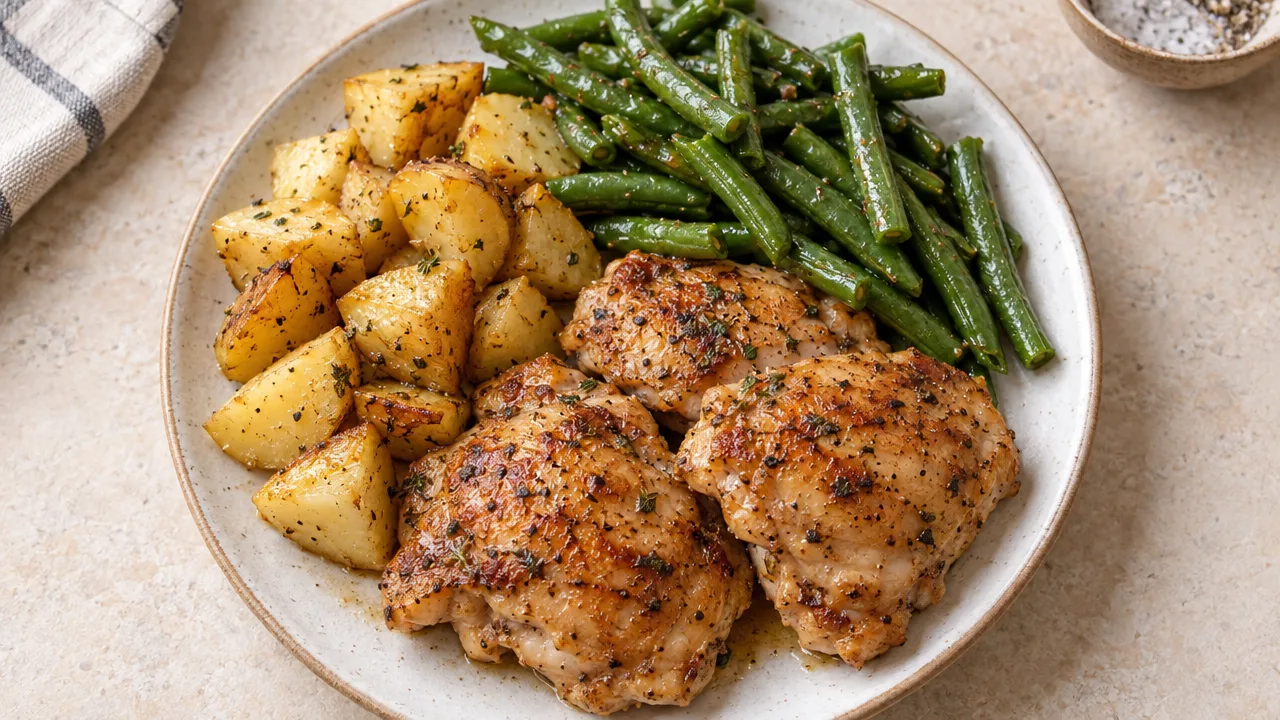
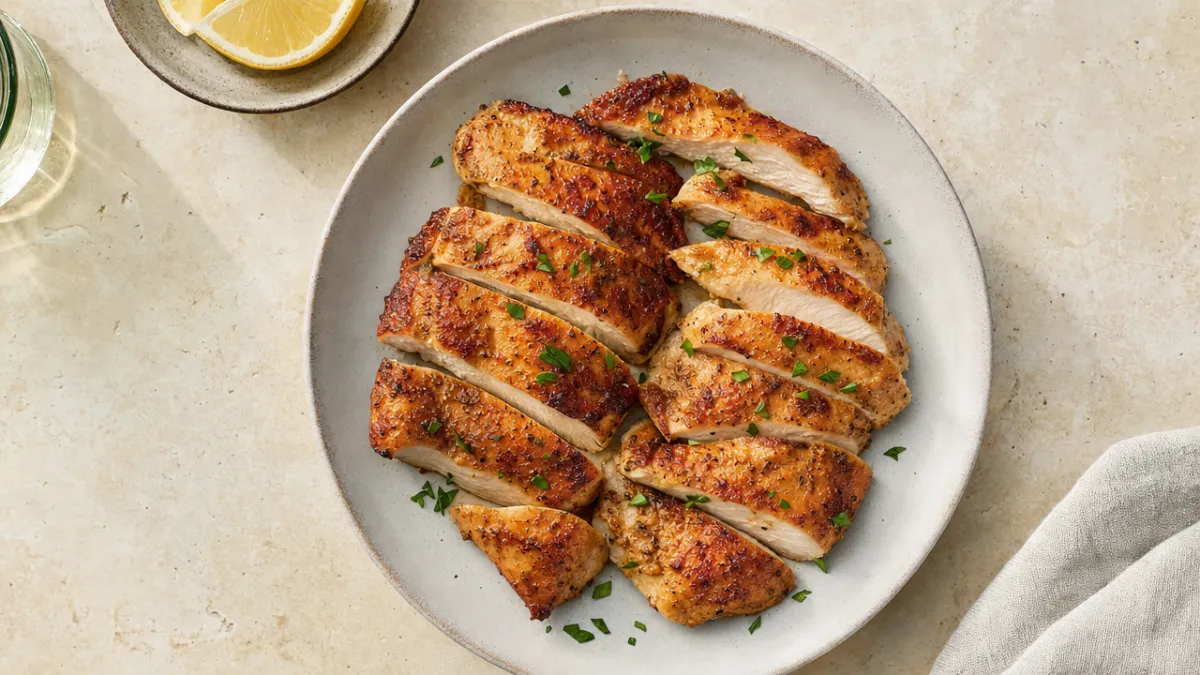
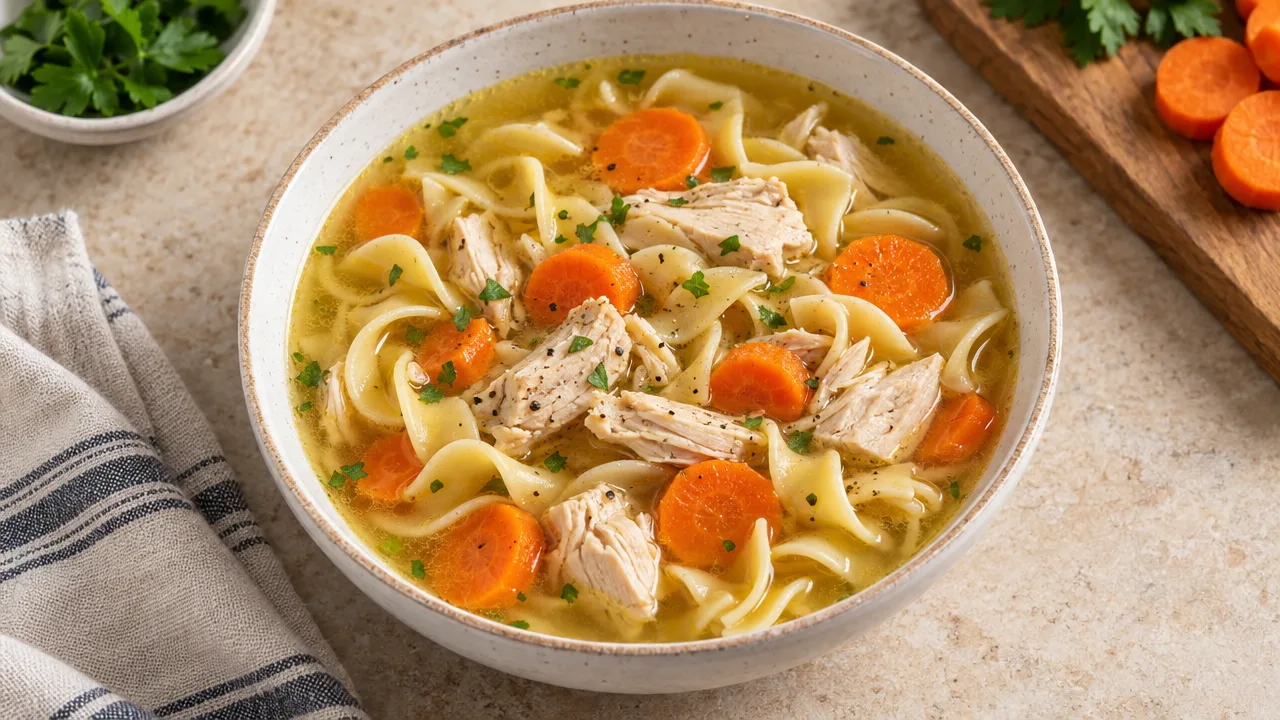
Sheet pan chicken was one of my regular dinners before diagnosis, and this is how I changed it so I could keep making it. The chicken is skinless thigh, seasoned with salt, thyme, and lemon rather than garlic powder and pepper, so it stays lean and mild. The potatoes are peeled, which most sheet pan recipes skip, because the skin is where most of the rough fiber is. And the green beans go into the oven covered with a splash of water first so they steam until fully soft, then finish uncovered next to the chicken. The whole thing is one pan and about an hour, most of it hands-off. It is a real dinner with a plate and a fork, which matters to me on the days I am tired of eating everything from a bowl. Leftovers reheat well, and the chicken shreds nicely into soup the next day if you have extra.
Why it works for UC
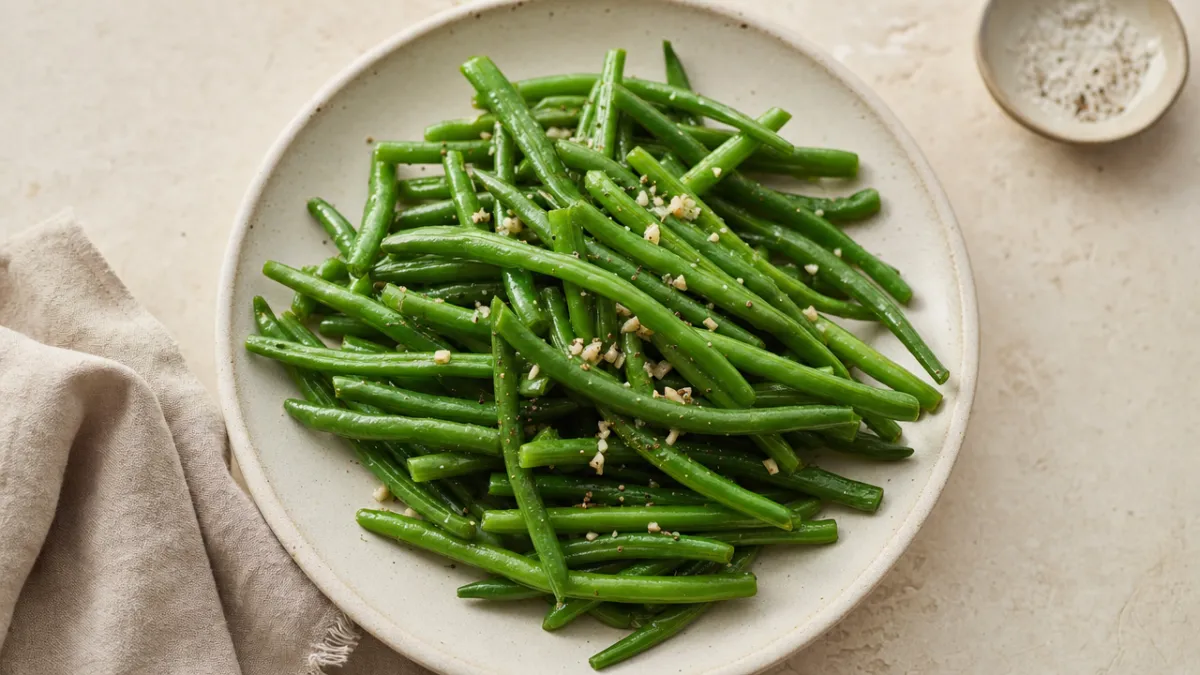
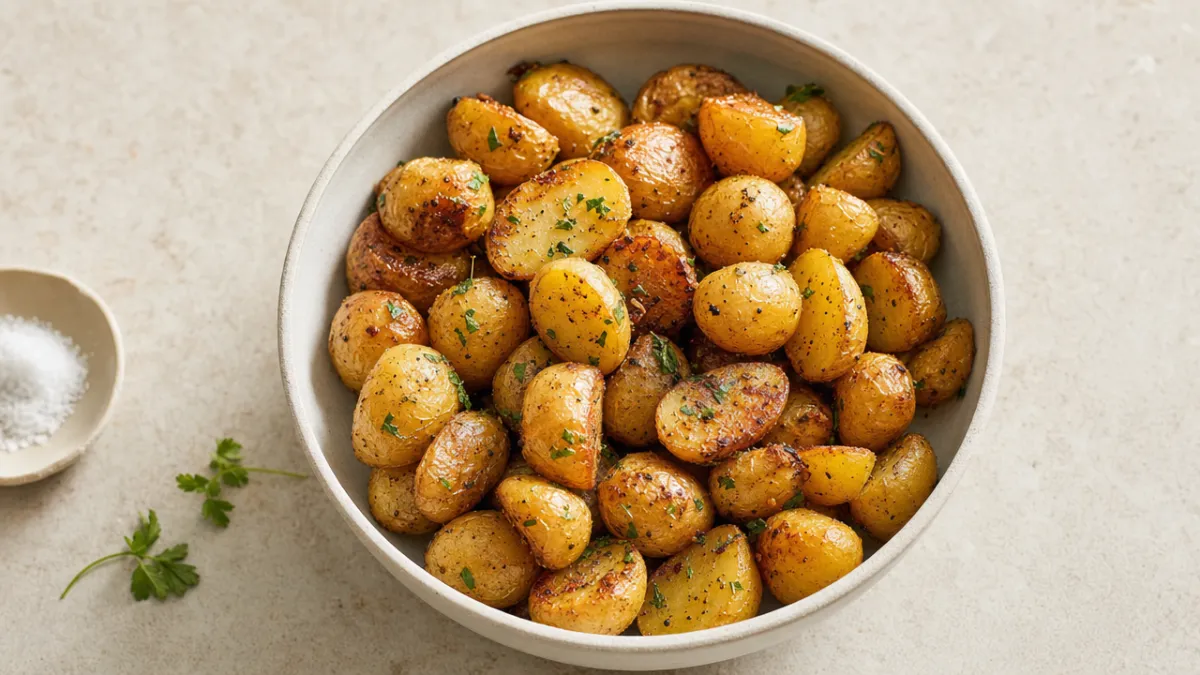
Skinless chicken thigh is lean once the skin is gone and stays moist in the oven, and baking is one of the preparation methods recommended over frying for IBD. Potatoes, peeled and roasted until soft, are mostly starch and soluble fiber, and losing the skin removes the insoluble fiber that can be harder to break down. Green beans are low FODMAP and named on low-fiber diet guidance, but only when cooked fully tender rather than crisp; steaming them first under foil gets them there. Light oil and no garlic or pepper keep the pan gentle.
Ingredient pages: Chicken, Green Beans, Potatoes
Ingredients
- 1 1/2 lb boneless skinless chicken thighs
- 1 1/2 lb Yukon Gold potatoes, peeled and cut into 1 inch chunks
- 12 oz fresh green beans, ends trimmed, cut into 2 inch pieces
- 2 tablespoons olive oil, divided
- 1 1/4 teaspoons fine salt, divided
- 1 teaspoon dried thyme
- 1 lemon, half juiced and half cut into wedges
- 3 tablespoons water
Method
- 1Heat the oven to 400 degrees F and line a large rimmed sheet pan with foil. Toss the potato chunks with one tablespoon of oil and half a teaspoon of salt and spread them on one side of the pan.
- 2Roast the potatoes alone for fifteen minutes to give them a head start, since they take the longest to become tender all the way through.
- 3While they roast, pat the chicken thighs dry and toss them with the remaining oil, half a teaspoon of salt, the thyme, and the lemon juice. Dry chicken browns; wet chicken steams.
- 4Pile the green beans in the center of the pan, sprinkle with the water and remaining salt, and cover that section loosely with a piece of foil. Lay the chicken on the empty side of the pan.
- 5Roast for twenty minutes, then pull off the foil over the beans and toss them. Roast another ten to fifteen minutes until the chicken reads 175 degrees F and the beans squash easily between your fingers.
- 6Rest five minutes before serving. Squeeze the lemon wedges over the chicken at the table and make sure the beans are soft enough to cut with a fork.
Tips and swaps
- Thighs are forgiving; they hit 175 degrees F and stay juicy where breast would be dry. If you use breast, pull it at 165.
- Frozen green beans work well here and are often more tender than fresh. Add them straight from frozen with the water and foil.
- Do not crowd the pan. If everything is packed tight, it steams instead of roasting and the potatoes come out pale and soft rather than golden and soft.
- Skip garlic powder, onion powder, and pepper during a flare. Thyme, lemon, and enough salt carry the pan on their own.
What a serving gives you
A serving provides about 30 grams of protein from the chicken, potassium and carbohydrate from the potatoes, and some vitamin C and folate from the green beans. Fat comes mostly from the small amount of olive oil and stays moderate with the skin removed. It is a balanced plate with a lean protein, a soft starch, and a well-cooked vegetable, which is roughly the template I follow for flare dinners.
Questions about this recipe
Are green beans really fine during a flare?
Cooked until fully soft, they have been fine for me and they appear on low-fiber diet guidance as a suitable vegetable. The key word is soft. Crisp-tender green beans still have intact fiber and a snap to them that can be hard on an inflamed gut. The steaming step under foil is there specifically to get them past that stage before they finish roasting.
Can I leave the skin on the potatoes?
In remission, yes, and roasted skins are delicious. During a flare I peel them, because the skin holds most of the insoluble fiber and is the part of a potato most often flagged on low-residue lists. Peeled Yukon Golds roast up creamy and hold their shape well, so you do not lose much by taking the skin off.