Turkey Rice Congee
By Jude Horak, UC patient. Flare-friendly. Dinner.
- Prep
- 10 min
- Cook
- 80 min
- Total
- 90 min
- Serves
- 4
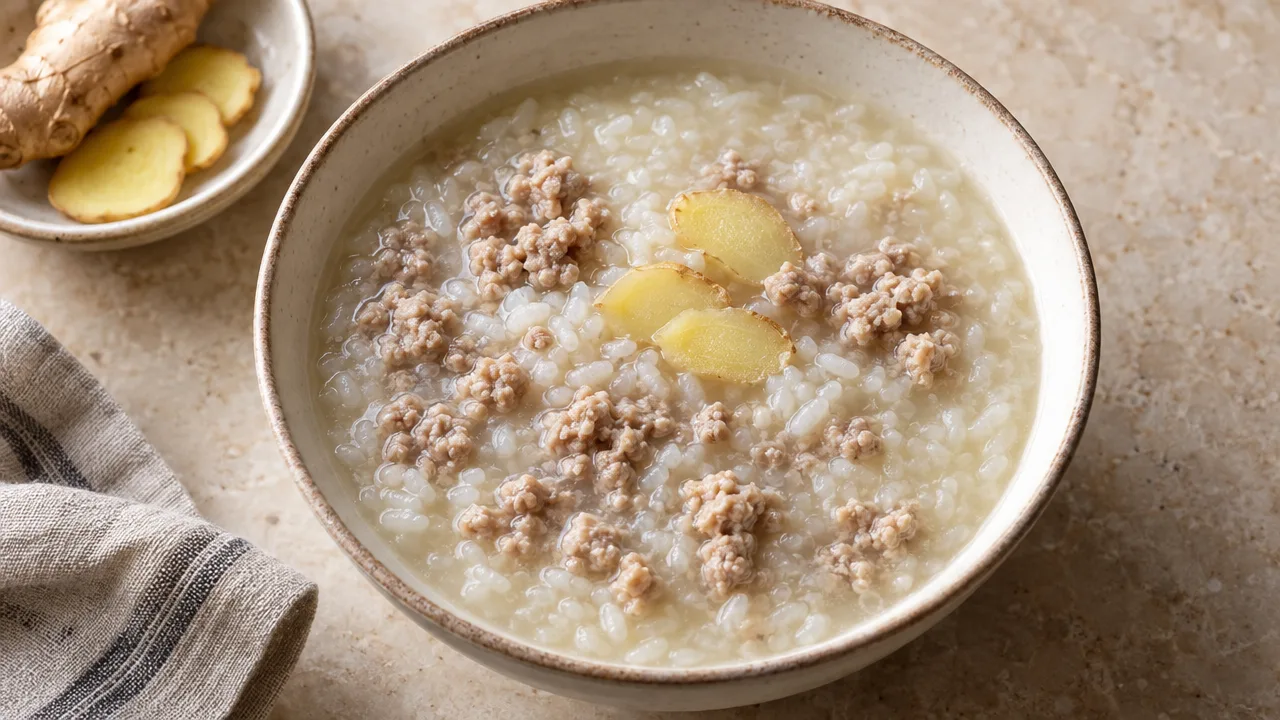
Congee is rice cooked with far more liquid than usual, for far longer than usual, until the grains burst and the whole pot turns into a savory porridge. It is what people across much of Asia eat when they are sick, and after a few months of UC I understand why. There is nothing left to chew. This version uses lean ground turkey, which I crumble in near the end so it cooks through in the hot rice without needing to be browned in oil first, and a few slices of fresh ginger that simmer in the pot and get pulled out before serving. I use bone broth as the liquid when I have it, plain water and salt when I do not. The ratio is roughly one part rice to nine parts liquid, which sounds like too much until you see how much the rice drinks. Make it the day before a rough stretch and reheat with extra water; it is even softer on day two.
Why it works for UC
White rice is already low in insoluble fiber because the bran is milled off, and cooking it at a nine-to-one liquid ratio for over an hour breaks the grains down completely, leaving a smooth starch that needs almost no digestion. Lean ground turkey is low-fat protein with no connective tissue once cooked in the hot porridge, so it stays soft. Bone broth adds body, fluid, and a bit more protein. Ginger is simmered whole and removed, so it gives a mild warmth that many people find settling without any hard pieces in the bowl.
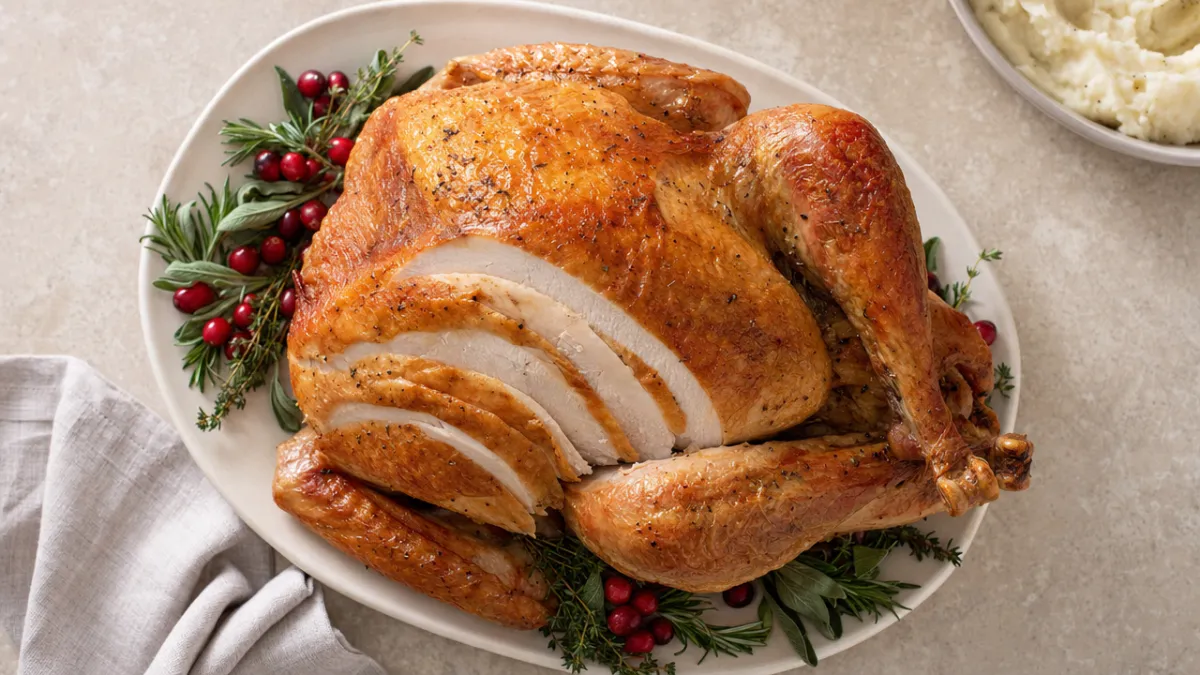
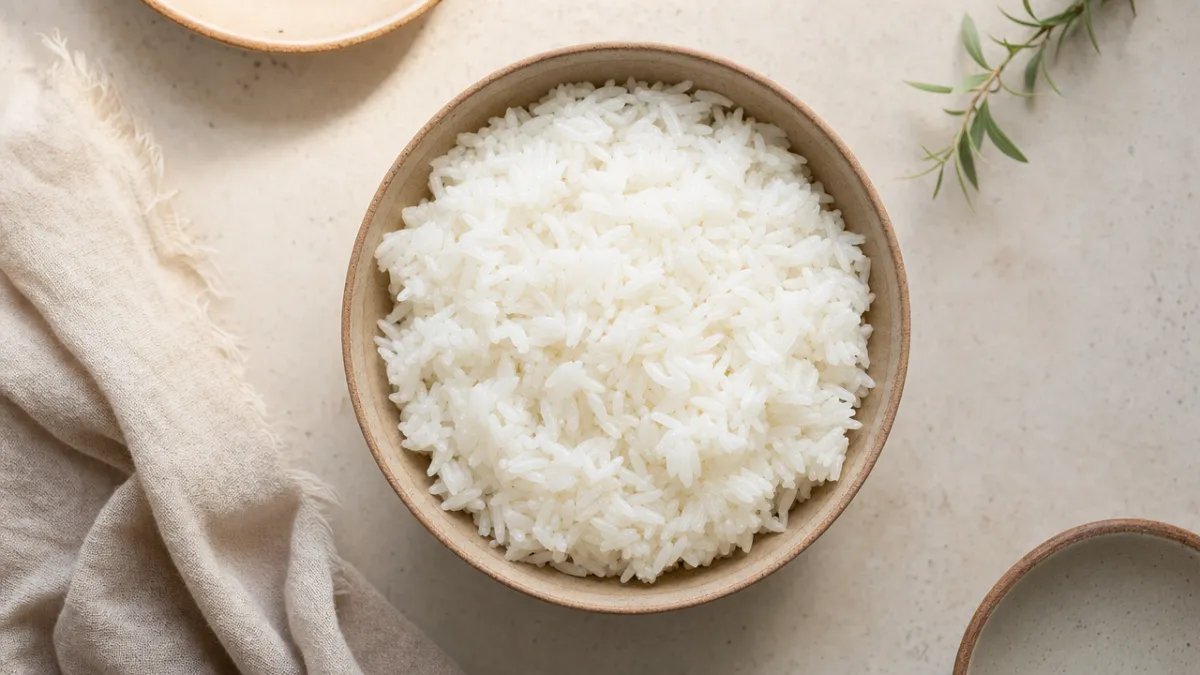
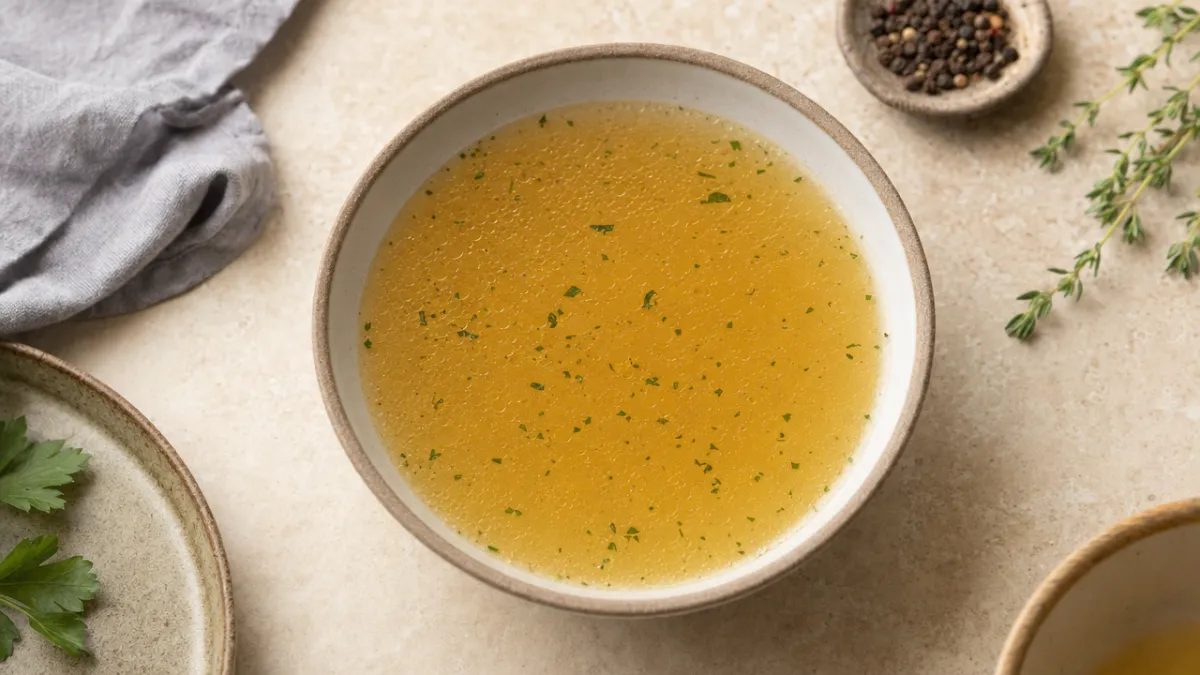
Ingredient pages: Turkey, White Rice, Bone Broth
Ingredients
- 3/4 cup jasmine or long-grain white rice, rinsed well
- 7 cups low-sodium chicken bone broth or water
- 1 lb lean ground turkey, 93% or leaner
- 1 inch piece fresh ginger, peeled and cut into 3 thick coins
- 1 1/4 teaspoons fine salt, plus more to taste
- 1 teaspoon toasted sesame oil, optional
- 1 tablespoon low-sodium soy sauce, optional
- 1 cup additional water, for adjusting thickness
Method
- 1Rinse the rice in a fine strainer under cold water until the water runs mostly clear, then drain. Rinsing removes surface starch so the congee stays silky rather than gummy.
- 2Combine the rice, bone broth, ginger coins, and salt in a large heavy pot. Bring to a boil over high heat, then immediately reduce to the lowest simmer your stove can hold.
- 3Cover partially and cook for sixty to seventy minutes, stirring every ten minutes and scraping the bottom so nothing sticks. The rice will swell, then start to break apart and thicken the liquid.
- 4When the grains have mostly dissolved into porridge, crumble the raw ground turkey into the pot in small pieces and stir well so it does not clump. Cook fifteen more minutes, stirring often, until no pink remains.
- 5Fish out the ginger coins. Stir in extra water a half cup at a time until the congee is the consistency of loose oatmeal, then taste for salt.
- 6Ladle into bowls and finish each one with a few drops of sesame oil and a little soy sauce if you tolerate them. Serve hot.
Tips and swaps
- A heavy-bottomed pot matters here. In a thin pot the rice scorches on the bottom during the long simmer no matter how often you stir.
- Leftover congee turns solid in the fridge. Reheat it in a saucepan with a good splash of water and stir until it loosens; it will not be ruined.
- For a smoother texture on the worst days, blend a cup of the finished congee and stir it back into the pot.
- Scallion greens, chili oil, and fried shallots are traditional toppings that I leave off entirely until I am well into remission.
What a serving gives you
A serving gives about 24 grams of protein from the turkey and broth alongside a large amount of fluid and easily absorbed starch, which is the point of a sickbed food. Sodium from the broth and salt helps replace what frequent diarrhea drains. It is low in fat and essentially free of insoluble fiber, so most of its value is in being something the gut can process with very little effort.
Questions about this recipe
Can I make congee with chicken instead of turkey?
Yes, and it is more traditional. Use boneless skinless chicken thighs, simmer them whole in the pot from the start, and shred them back in at the end. Thighs stay moist through the long cook where breast can turn dry and fibrous. Ground turkey is just faster for me because it cooks in the last fifteen minutes without a separate step.
Is the ginger okay during a flare?
For me, in small amounts, yes. The ginger simmers as whole coins and comes out before serving, so nothing fibrous ends up in the bowl, and the flavor it leaves is gentle rather than hot. Ginger has a long history of use for nausea, which is welcome when appetite is low. If you know it bothers you, leave it out; the congee still works.