Can I drink bone broth with ulcerative colitis?
By Jude Horak, UC patient. Sources checked 2026-08-12.
Also searched as: stock.
Have Crohn's instead? Jump to the Crohn's notes
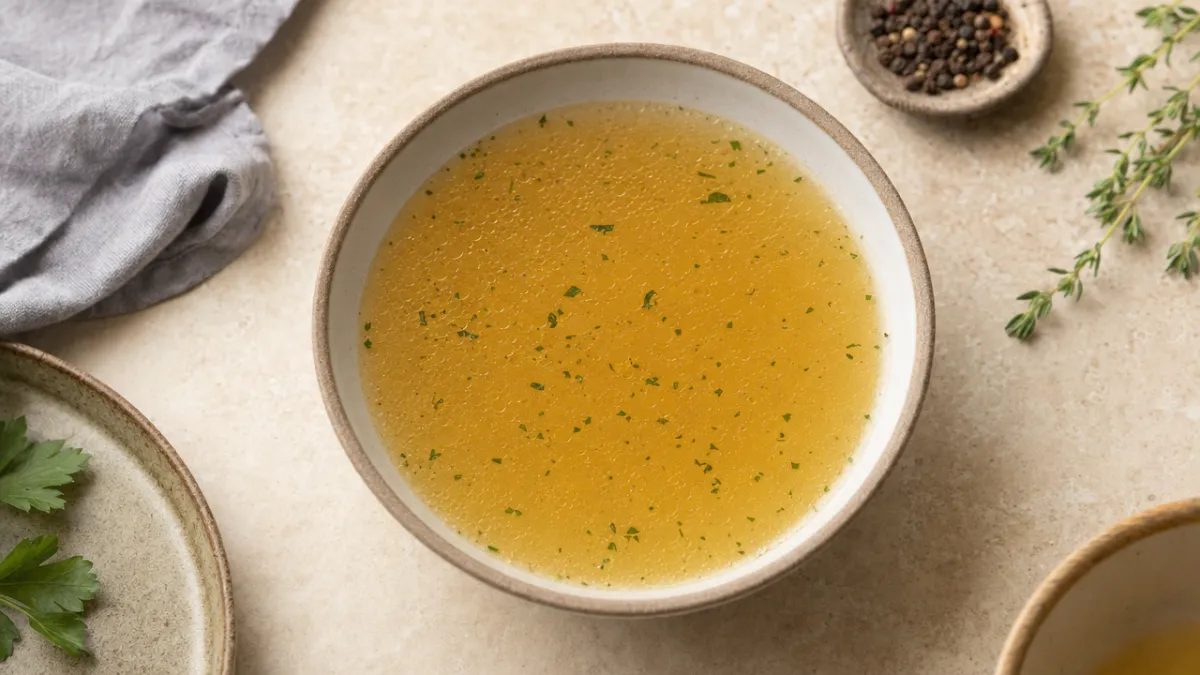
Bone broth is a clear, low-fiber liquid containing amino acids like glutamine, glycine, and proline, and minerals, which is why it's commonly used as a gentle, easy-to-digest option during a flare. Some preclinical research reports anti-inflammatory effects and improved gut-barrier markers with bone broth components, and it's being explored as a possible complement to IBD nutrition, but reviewers are clear that current evidence is preliminary and doesn't yet support strong, specific claims about healing the gut or treating IBD.
During a flare
As a clear, low-residue liquid, plain broth is commonly used to stay hydrated and get some nutrition during a flare.
In remission
Bone broth can be part of a balanced diet in remission, but it's reasonable to treat gut-healing marketing claims with skepticism until more human trial data exists.
What the research says about bone broth and UC
A 2025 review on PubMed examined how the nutrients in bone broth, chiefly collagen-derived amino acids such as glycine, proline, and glutamine along with minerals, might support the intestinal barrier. It gathered cell and animal studies showing these components reducing inflammatory markers and improving markers of gut-barrier integrity, and it discussed bone broth as a possible adjunct in inflammatory conditions of the gut. The reviewers were explicit that the human evidence is thin: most of the data comes from isolated compounds given to animals or cells rather than from broth consumed by people, and there are no controlled trials of bone broth in ulcerative colitis. That is a promising direction, not a result.
The PMC review on nutrition and supplementation in ulcerative colitis does not evaluate bone broth as such. What it does support is the general approach broth fits into: during an active flare with diarrhea, lower-fiber, easily digested foods and adequate fluid are commonly recommended, and a strained broth is one of the simplest forms of both. So the case for bone broth in UC currently rests on its being a gentle, hydrating, low-residue liquid, which is well grounded, rather than on any demonstrated healing effect, which is not. Marketing claims tend to run well ahead of what either source can back up.
If you have Crohn's instead of UC
I have UC, not Crohn's, so this part is research rather than experience.
Bone broth works much the same for Crohn's as for UC as a gentle flare food, but it is not the liquid diet that Crohn's research refers to. That diet is exclusive enteral nutrition: a nutritionally complete formula that replaces all food for a set period under the IBD team's supervision. The AGA's 2024 practice update calls it effective for inducing remission in Crohn's, with stronger evidence in children than adults, and Crohn's & Colitis UK notes it is not helpful for ulcerative colitis, which makes it one of the clearest places where Crohn's and UC nutrition split.
Broth is mostly water, salt, and a little collagen protein, so several days of broth alone amount to eating very little rather than following that therapy. It can still be a comfortable part of the day with Crohn's; it simply should not be mistaken for the formula your team might discuss.
Based on: American Gastroenterological Association (AGA); Crohn's & Colitis UK; National Institutes of Health (PMC), from Frontiers in Nutrition 2023. More on how Crohn's and UC diets differ.
Ways to make it gentler
- Use plain, low-sodium broth without heavy fat skimmed off the top
- Add well-cooked, low-fiber vegetables if tolerated
Safer swaps
- clear chicken or vegetable broth
- low-sodium electrolyte drinks
How I handle bone broth
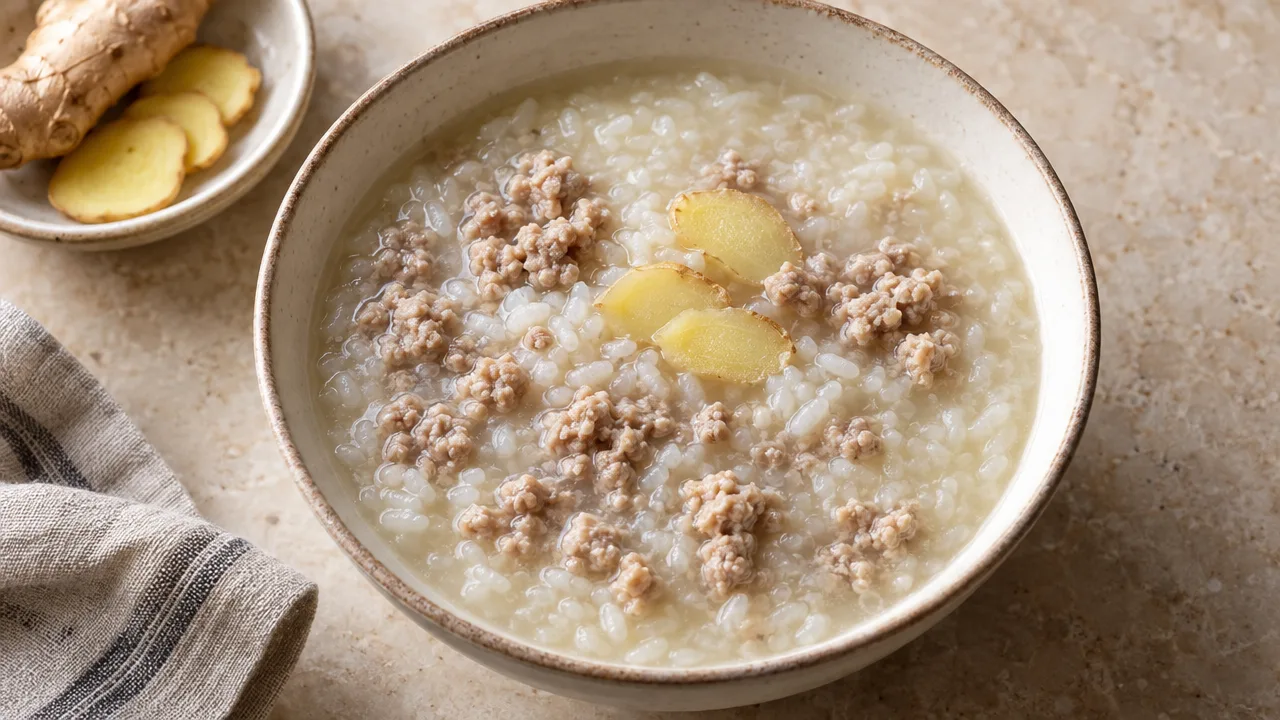
Bone broth is a flare-time staple for me, and I think of it as warm hydration with a bit of protein rather than as medicine. I keep a batch in the freezer in single-serving portions so it is available on days when solid food feels like a lot. I make it with chicken bones, a little salt, and nothing else during a flare, then strain it well and skim the fat off after it has chilled, because the fat layer is the part I have found worth removing. When I want it to be more of a meal, I add white rice or small soft noodles and some shredded chicken, keeping vegetables out until I am ready for them. I do not buy the versions sold as gut-healing at a premium; a plain carton from the grocery store or my own pot does the same job, and I read the label for sodium.
How much, and how to test it
A cup of warm, strained, defatted broth is a reasonable first serving, and because it is a liquid with almost no fiber, most people can go straight to that amount even during a flare. Sip it over ten minutes rather than drinking it fast. Over the next day watch mainly for any change in stool frequency from the fluid volume and for whether the fat content, if not skimmed, brings on cramping. If it sits well, move to two cups a day and start adding rice or shredded chicken. Back off only if you notice a clear reaction, which is uncommon with plain broth.
What you get from bone broth
Broth contributes fluid and sodium, both of which you lose during diarrhea, along with a modest amount of protein from collagen, which is not a complete protein but still counts toward daily needs when appetite is low. Depending on the bones and cooking time, it offers small amounts of calcium, magnesium, and potassium. It is low in calories, so it supports hydration and comfort more than weight maintenance; adding rice, noodles, or meat turns it into something that helps with both.
Questions people ask about bone broth and UC
Is bone broth good for ulcerative colitis?
As a gentle, hydrating, low-fiber liquid, bone broth is a reasonable flare-time food for many people with UC, and that much is well supported by general IBD nutrition guidance. Claims that it heals the gut lining or reduces inflammation in people rest on lab and animal research about its components, not on trials in UC patients. Treat it as comfort and hydration with some protein, and be skeptical of anything sold as a treatment.
Does bone broth heal the gut lining?
The honest answer is that nobody has shown that in people with UC. Reviews have collected animal and cell studies in which glycine, glutamine, and collagen fragments improved gut-barrier markers, and that is why the idea is popular. Drinking broth is not the same as those experiments. It may be soothing and easy to keep down, and there is little downside, but healing is a claim the current evidence does not support.
Can I drink bone broth during a flare?
Yes, for most people it is one of the easier things to keep down during a flare. Strain it well so there are no vegetable pieces, skim the fat after chilling to keep the fat load low, and go easy on added salt if your care team has asked you to watch sodium. Warm rather than hot tends to be more comfortable. Adding white rice or soft noodles makes it more filling without adding fiber.
Is store-bought bone broth ok with colitis?
Usually, yes, as long as you read the label. Look for a short ingredient list, check the sodium per serving since some cartons are very salty, and avoid versions with added onion or garlic if those bother you. Boxed bone broth and plain stock differ mostly in collagen content and price; for UC purposes the plainer and lower-sodium option is usually the better choice regardless of the name on the front.
Is bone broth good for Crohn's disease with a stricture?
Clear broth has no fiber or solid pieces, so it passes a narrowing easily, but it carries very few calories. A 2023 systematic review of nutrition in stricturing Crohn's found that a periodic 24-hour liquid diet did not reduce new obstructive episodes, while exclusive enteral nutrition with complete formula improved symptoms in about 60% of patients in the studies it included. The review drew on only five small studies, so the evidence is thin, but broth-only days are not a tested way to prevent blockages.
Recipes that use bone broth
Sources
- Bone Broth Benefits: How Its Nutrients Fortify Gut Barrier in Health and Disease (PubMed)
- Nutrition and Supplementation in Ulcerative Colitis (PMC (National Library of Medicine))
- Diet and nutritional therapies in patients with IBD (American Gastroenterological Association (AGA))
- Food and Crohn's or Colitis (Crohn's & Colitis UK)
- Nutritional interventions in adult fibrostenotic Crohn's disease: A systematic review (National Institutes of Health (PMC), from Frontiers in Nutrition 2023)
Written by Jude Horak, a UC patient. Sources last checked 2026-08-12. Spotted an error? Tell me.