Can I eat turkey with ulcerative colitis?
By Jude Horak, UC patient. Sources checked 2026-08-12.
Also searched as: ground turkey, turkey breast.
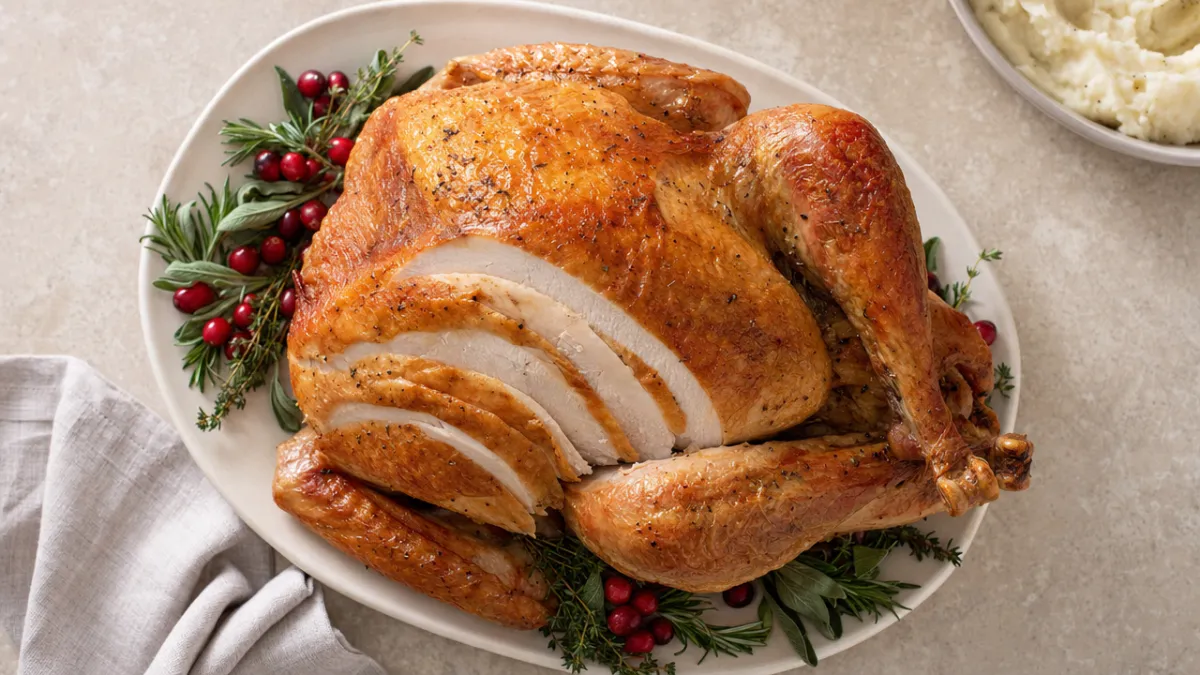
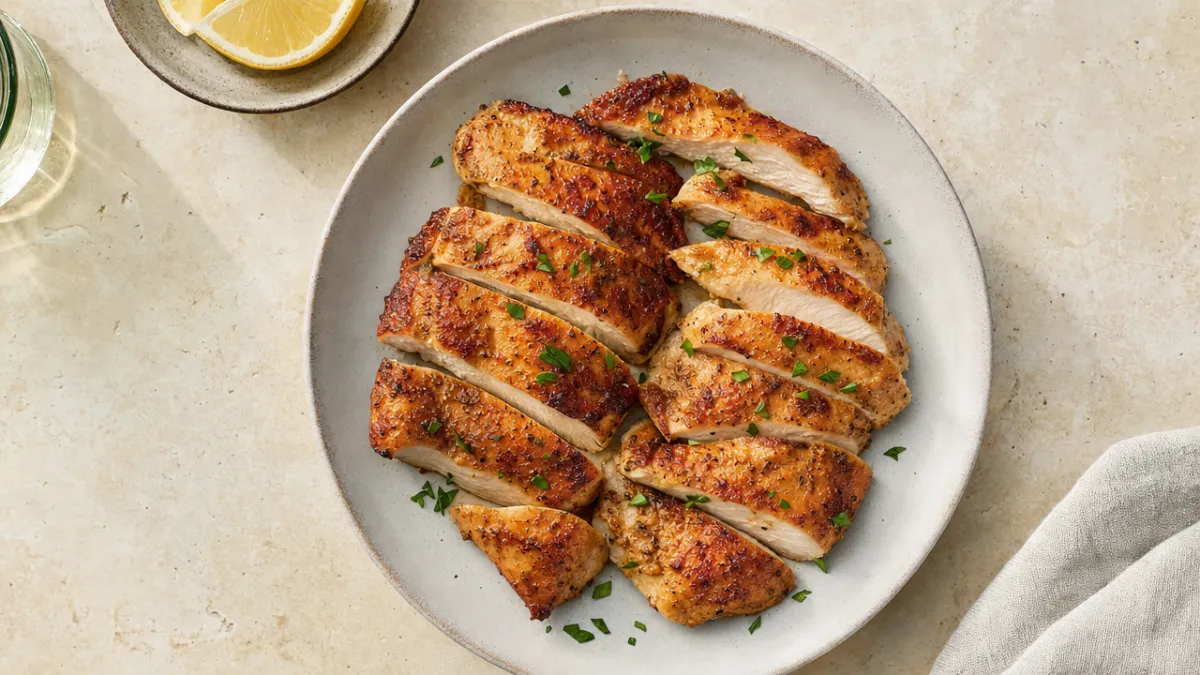
Like chicken, lean turkey is low in fat and free of plant fiber, and it's specifically named alongside chicken, fish, and eggs as a good protein source when IBD is active and protein needs are higher.
During a flare
Ground or shredded, skinless turkey breast is an easy-to-digest flare protein; deli-style processed turkey is a different food (see deli meat) and is best limited.
In remission
Turkey is generally fine to eat regularly once in remission.
What the research says about turkey and UC
Turkey shows up in IBD guidance mostly as part of the phrase lean poultry. The Crohn's & Colitis Foundation lists poultry with fish, eggs, and tofu as the proteins to emphasize while disease is active, and the Gastrointestinal Society (badgut.org) recommends tender, lower-fat meats over fatty or tough ones when the gut is inflamed. Turkey breast is one of the leanest meats available, which is why it tends to be mentioned in the same breath as chicken.
The evidence base is therefore borrowed rather than direct. Neither organization reports research on turkey as a distinct food in ulcerative colitis, and the anti-inflammatory claims that circulate online about turkey have no support in the cited material. What the guidance does support is a contrast: fresh cooked turkey belongs to the lean-protein group, while sliced deli turkey belongs to the processed-meat group the Foundation associates with higher inflammation risk when eaten frequently. The same bird ends up on both sides of the line depending on processing. Ground turkey deserves a note as well, since many packs are made from dark meat and skin and carry considerably more fat than the breast; checking the label matters more than the word turkey on the front.
Ways to make it gentler
- Choose breast meat over dark meat with skin
- Bake, poach, or slow-cook until tender
How I handle turkey
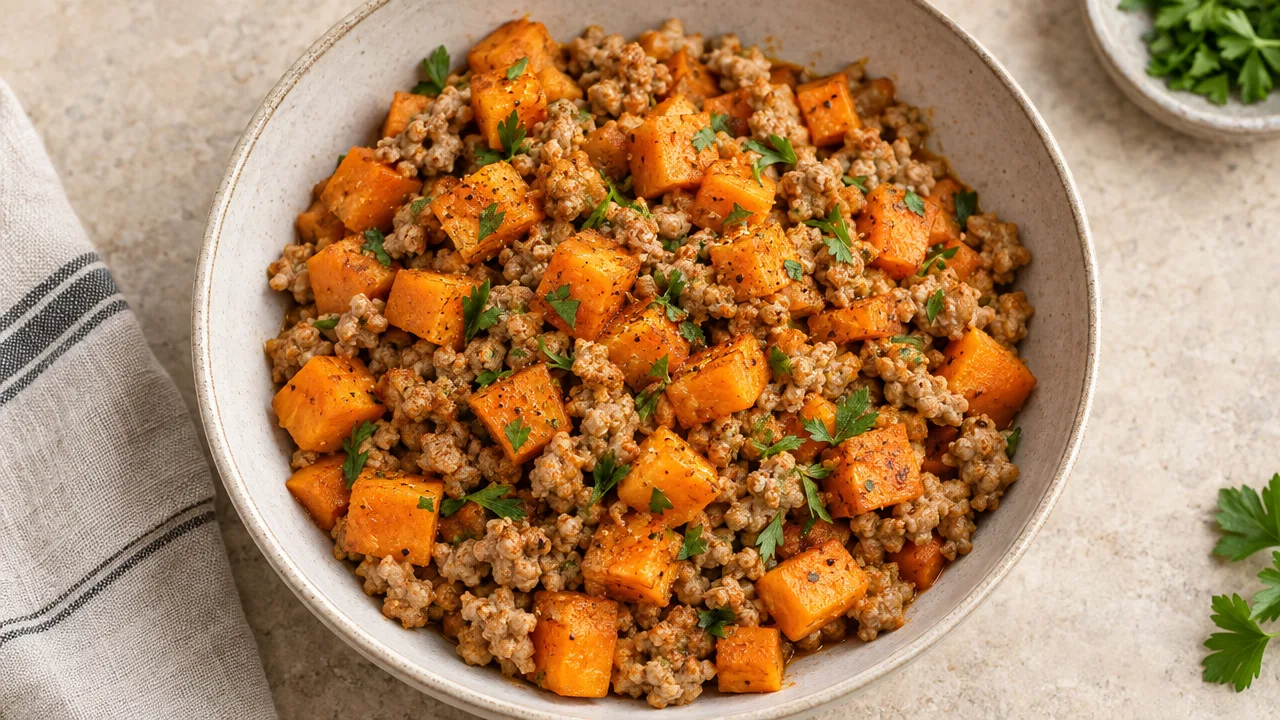
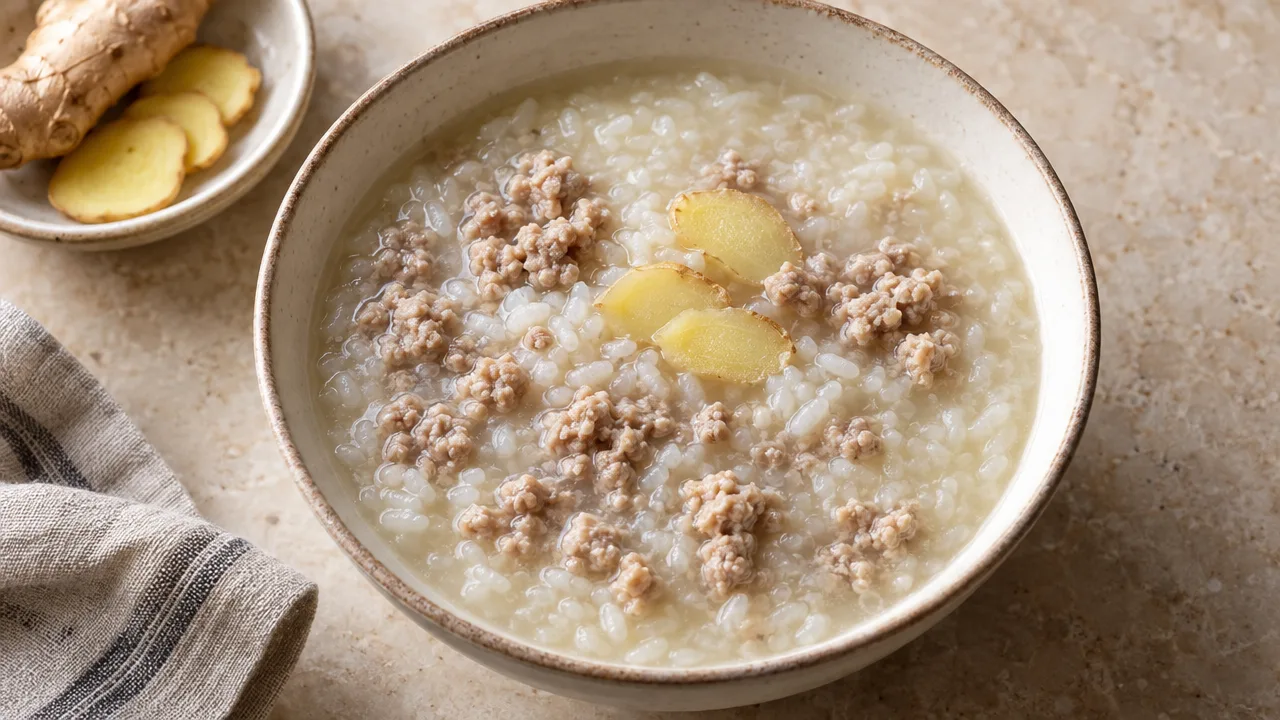
Ground turkey is how I use this bird most, because it is cheaper than breast and the texture is already broken down. During a flare I buy the 93 percent lean packs, brown the meat in a dry pan, drain it, and fold it into white rice or a mild tomato-free sauce. Turkey breast roasted whole tends to come out dry unless I brine it or cook it low and slow, and dry meat is something my gut notices. Thanksgiving is the exception I plan for: I eat the breast, skip the skin and the gravy made from drippings, and keep the sides simple. What I do not do is treat sliced deli turkey as the same food. Roasting a breast on Sunday and slicing it myself gives me sandwich meat for the week without the nitrites and salt of the packaged kind.
How much, and how to test it
Begin with roughly three ounces of cooked turkey breast or lean ground turkey, plain, served with a starch you already trust. Avoid stuffing, gravy, and skin on the first tries. Note stool changes and any cramping through the following two days. A reaction to plain turkey is uncommon, so if something shows up, look at the fat percentage on a ground pack or the sides before blaming the meat. Increase the portion next, then try dark meat, and leave fried or heavily seasoned versions until you have been stable for a while.
What you get from turkey
Three ounces of roasted turkey breast gives about 25 grams of protein with under two grams of fat, plus selenium, zinc, vitamin B6, and niacin. That ratio is useful when appetite is low and every mouthful has to count toward protein needs. Dark meat brings more iron and zinc, which matter for anyone whose blood work has shown iron deficiency from ongoing bleeding, but it also brings more fat.
Why this one shows up on trigger lists
Turkey is flagged for one of the properties that most commonly cause UC symptoms. Each page explains the mechanism and lists every other food that carries it.
Questions people ask about turkey and UC
Is turkey meat anti-inflammatory?
Not in any proven sense. Turkey is a lean protein, and lean proteins are recommended in IBD because they do not carry the inflammation signal linked to red and processed meat. That is a different claim from actively lowering inflammation. The cited organizations do not describe turkey as anti-inflammatory, and the honest position is that it is a neutral, well-tolerated food rather than a treatment.
Can I eat turkey during a colitis flare?
Plain cooked turkey breast is commonly suggested during a flare. It is low in fat, has no fiber, and shreds easily when cooked gently, which keeps texture soft. Ground turkey works well in the same role if the pack is lean. Fried turkey, skin, and rich gravies push the meal toward the higher-fat territory that tends to be harder to absorb during active inflammation.
Is deli turkey the same as fresh turkey for colitis?
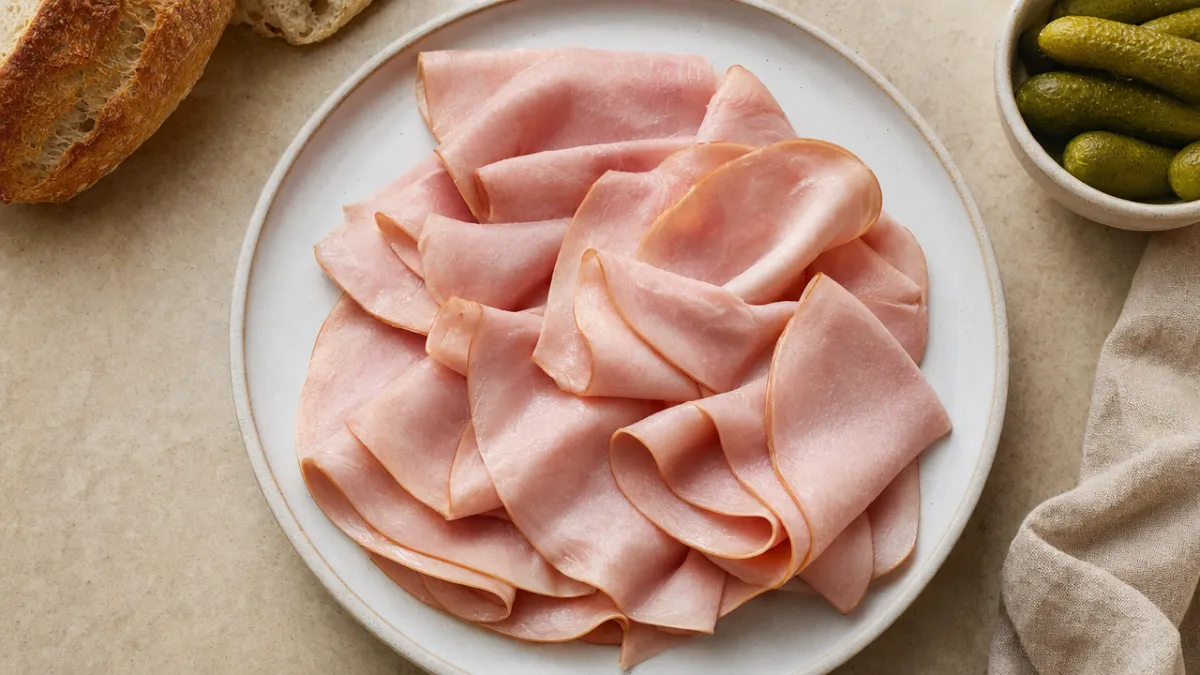
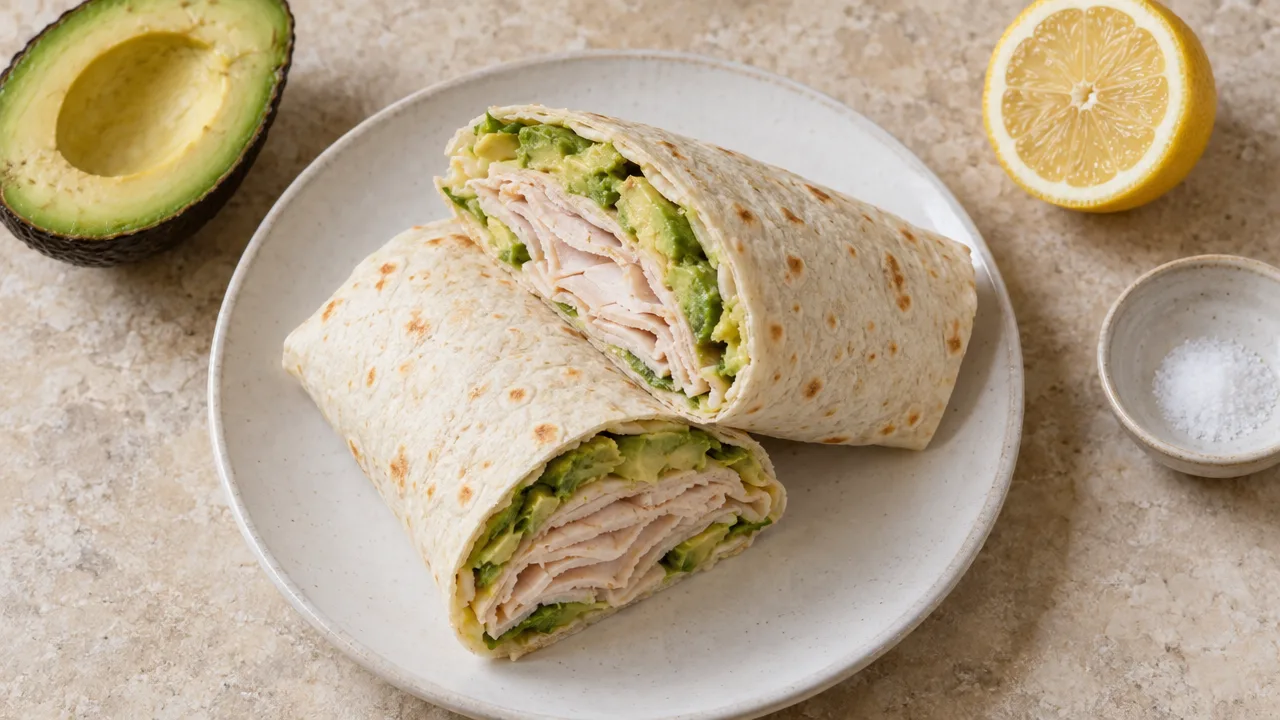
No. Packaged sliced turkey is a processed meat, usually cured with salt and often nitrites, and guidance groups it with bacon and lunch meat rather than with fresh poultry. Roasting a breast yourself and slicing it is a simple way to get sandwich meat that stays in the lean-protein category. Some stores also sell freshly roasted, unprocessed turkey at the counter, which is a reasonable middle ground.
Is ground turkey healthier than ground beef for IBD?
Usually, but it depends on the pack. Lean ground turkey avoids the red-meat association with inflammation and generally has less saturated fat than ground beef. Ground turkey labeled 85 percent lean or lower is made with dark meat and skin and can match beef for fat content. Look for 93 percent or leaner during a flare.
Recipes that use turkey
Sources
- What Should I Eat with Crohn's or Colitis? IBD Diet Guide (Crohn's & Colitis Foundation)
- Inflammatory Bowel Disease Nutrition Tips (Crohn's Disease and Ulcerative Colitis) (Gastrointestinal Society (badgut.org))
Written by Jude Horak, a UC patient. Sources last checked 2026-08-12. Spotted an error? Tell me.