Can I eat chocolate with ulcerative colitis?
By Jude Horak, UC patient. Sources checked 2026-08-12.
Also searched as: milk chocolate, chocolate candy.
Have Crohn's instead? Jump to the Crohn's notes
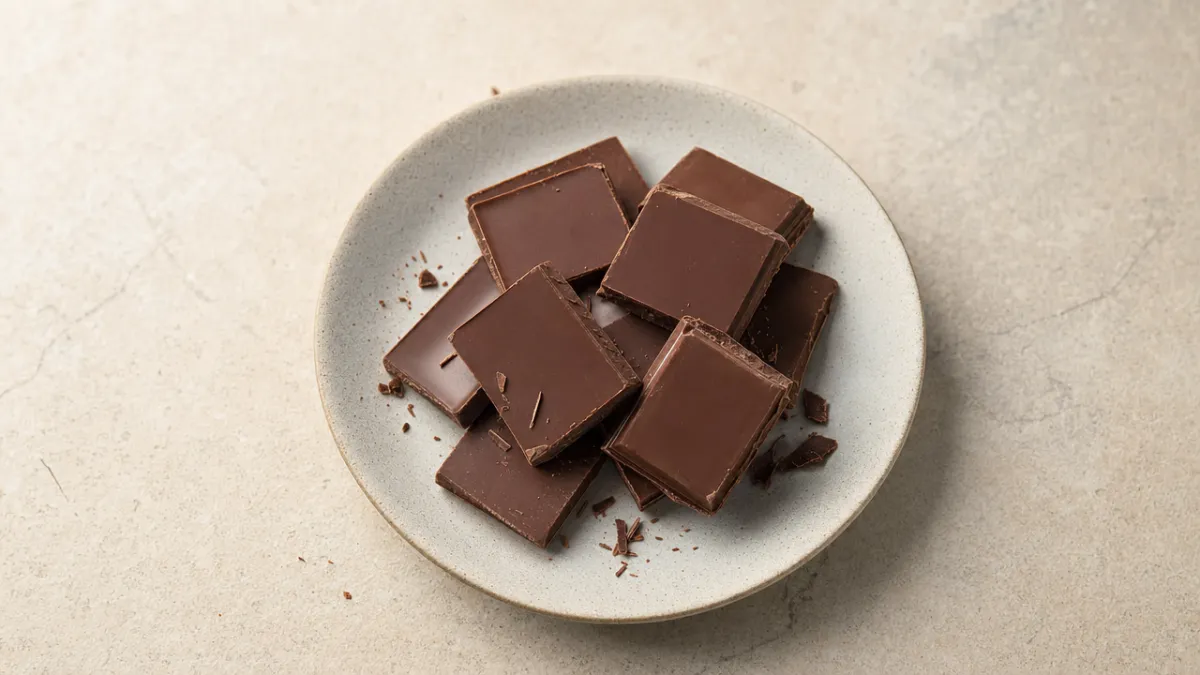
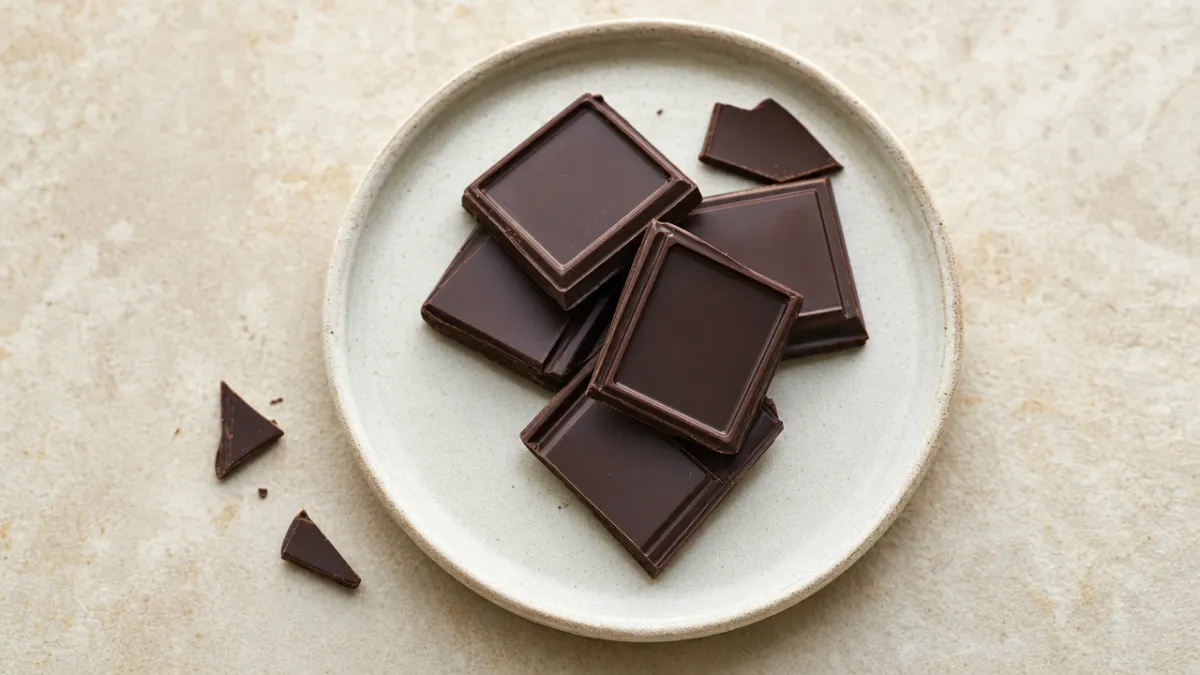
Chocolate combines added sugar, cocoa fat, and caffeine. A high-sugar, high-fat diet has been linked in research to depleted gut-protective short-chain fatty acids and increased colitis susceptibility, and caffeine can speed up colon transit. Plain chocolate without nuts, dried fruit, or other mix-ins is simpler on the gut than loaded varieties.
During a flare
During a flare, rich or large amounts of chocolate are commonly moderated because of the sugar, fat, and caffeine load, though plain chocolate in modest amounts is still listed among permitted low-residue treats.
In remission
Most people tolerate chocolate in moderate portions in remission; mix-ins like nuts, dried fruit, or coconut, and very large servings, are more often flagged as triggers than the chocolate itself.
What the research says about chocolate and UC
Both NHS low-residue diet sheets cited here take the same line on chocolate. The Hillingdon Hospitals NHS Foundation Trust lists dark, milk, and white chocolate among foods to include, and puts chocolate with dried fruit, nuts, seeds, or coconut, nougat being its example, in the avoid column. The sheet from University Hospitals Sussex NHS Foundation Trust follows the same logic. That reflects what these diets are for: reducing fiber and residue while a bowel is inflamed, so a smooth bar passes where a fruit-and-nut bar does not. Neither sheet is specific to ulcerative colitis, and neither says anything about whether sugar, fat, or caffeine affect inflammation.
The only research paper among this entry's sources is a mouse study in PMC. Mice fed a diet of 50 percent sucrose for two days, then given a chemical that induces colitis, developed worse disease than mice on normal chow, with reduced microbial diversity, lower short-chain fatty acids, and a leakier gut lining. It is a striking result, but it is a long way from a chocolate bar: the animals ate a diet dominated by sugar, and chemically induced colitis in mice is not human UC. The fair summary is that heavy sugar intake is a plausible reason for moderation, and that the caffeine concern rests on general knowledge about stimulants and gut transit rather than on anything these sources measured.
If you have Crohn's instead of UC
I have UC, not Crohn's, so this part is research rather than experience.
For most people with Crohn's, milk chocolate is handled much as it is with UC, but small-bowel disease adds a lactose question. Milk chocolate is made with milk solids, so it carries some milk sugar. A 2016 meta-analysis in Nutrition Journal found lactose maldigestion was more common in IBD overall, yet on closer analysis the extra risk sat only with Crohn's involving the small bowel, where inflammation can reduce lactose digestion even in people who would otherwise handle it. Crohn's & Colitis UK likewise describes the risk as slightly higher in Crohn's than in UC.
The practical upshot is modest. The same charity notes that many people manage small amounts of milk alongside food, and two or three squares after dinner is a small amount. If milk chocolate keeps bringing gas or loose stools while plain dark chocolate does not, that pattern is worth raising with the IBD team before dropping dairy altogether, since the meta-analysis suggests dairy restriction may carry downsides such as poorer bone health.
Based on: National Institutes of Health (PMC), from Nutrition Journal 2016; Crohn's & Colitis UK; Cleveland Clinic. More on how Crohn's and UC diets differ.
Ways to make it gentler
- choose plain over nut- or fruit-studded varieties
- keep portions modest
Safer swaps
- a small square of dark chocolate
- cocoa-flavored pudding
How I handle chocolate
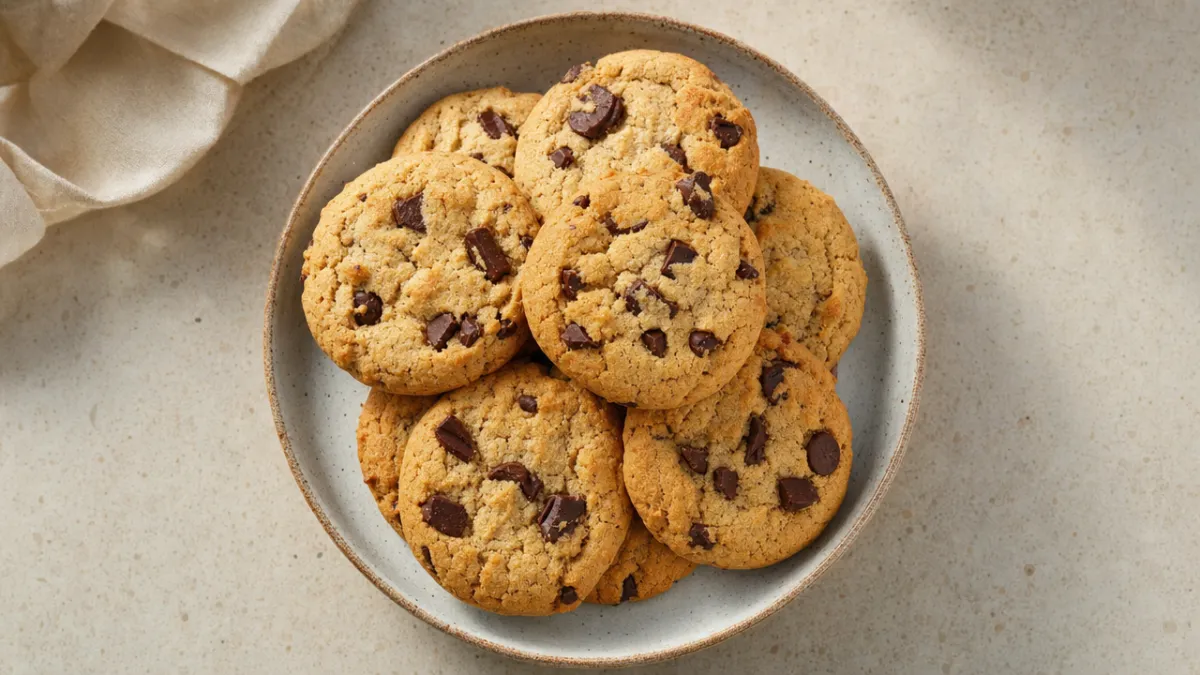
Chocolate is one of the few treats I keep within reach during a flare, because when appetite disappears a couple of squares is sometimes the only thing that sounds good, and it delivers calories without fiber. My rule is plain over loaded: no nuts, no crispy rice, no caramel layer, no dried cherries, no cookie chunks. I have it in the afternoon rather than late at night, since cocoa carries caffeine and theobromine and I would rather not add a stimulant to a gut that is already restless before bed. Milk chocolate tends to sit lighter for me than a very rich dark bar during bad stretches, mostly because there is less cocoa solid per bite. In remission I stop counting squares, but I still avoid eating a whole bar in one sitting. The fat and sugar together are what tend to sit heavy, not the chocolate itself.
How much, and how to test it
A first trial is a small piece, around 15 to 20 grams, which is two or three squares of a standard bar, eaten after a meal rather than on an empty stomach. Choose plain milk chocolate with no mix-ins. Over the next day or two, note whether cramping, urgency, or loose stools pick up, and whether sleep is disturbed if you ate it late. If that passes, try a larger portion or a darker bar the following week. If symptoms rise, drop back and retry after a run of settled days, or stick with cocoa-flavored pudding for a while.
What you get from chocolate
Chocolate is mostly energy: roughly 530 to 550 calories per 100 grams from sugar and cocoa butter, with a few grams of protein and, in milk chocolate, some calcium from the milk solids. When a flare has made eating feel like work and weight is slipping, that density is genuinely useful. Darker bars add a little iron and magnesium, though not enough to move an anemia picture. The trade-off is that a large portion lands a lot of sugar and fat in one hit, which is what most people notice.
Why this one shows up on trigger lists
Chocolate is flagged for 3 of the properties that most commonly cause UC symptoms. Each page explains the mechanism and lists every other food that carries it.
Questions people ask about chocolate and UC
Can you eat chocolate with colitis?
Usually, in modest amounts. Plain chocolate has very little fiber, which is why hospital low-residue sheets permit it when many other treats are out. What trips people up are the extras: nuts, dried fruit, caramel, wafer, and the sheer size of a serving. A couple of squares after a meal often goes unnoticed, while a whole bar on an empty stomach is a different experience for many people with active symptoms.
Can I eat chocolate on a low fiber diet?
Plain chocolate fits a low-fiber or low-residue diet as written by NHS hospital dietitians, provided it contains no nuts, dried fruit, coconut, or whole-grain cereal pieces. Milk chocolate carries only a few grams of fiber per 100 grams and a smooth bar is easy to chew and digest. Cocoa-heavy dark bars carry more fiber, so on a strict low-residue plan before a procedure, milk chocolate is the simpler choice.
Is chocolate bad for Crohn's disease?
The advice runs close to UC: plain chocolate in small portions is commonly fine, and the usual troublemakers are the nuts and dried fruit in loaded bars, which matter more in Crohn's if there is any narrowing in the small bowel. Sugar and fat in large amounts can loosen stools for anyone. Because Crohn's often involves the small intestine, where fat is absorbed, rich chocolate can feel heavier than it would for someone with colitis alone.
Does the caffeine in chocolate matter for ulcerative colitis?
A little, for some people. Cocoa contains caffeine and theobromine, both mild stimulants, and stimulants can speed gut transit in people who are sensitive to them. A square of milk chocolate has far less caffeine than a cup of coffee, so most people do not notice it. Where it tends to show up is with large amounts of very dark chocolate late in the evening, which is why small portions earlier in the day are a common flare-time approach.
Is milk chocolate or dark chocolate better with Crohn's disease?
Each carries a different Crohn's trade-off. Milk chocolate brings some lactose, which matters mainly when Crohn's involves the small bowel. Dark chocolate largely sidesteps that but concentrates cocoa, and Cleveland Clinic lists chocolate among the high-oxalate foods to limit for enteric hyperoxaluria, a kidney stone risk it names in Crohn's disease. That oxalate concern mostly applies to people with fat malabsorption or a past ileal resection, not to Crohn's in general. Anyone in that group can ask their team how chocolate fits, and the dark chocolate page covers the oxalate side in more detail.
Sources
- Low residue diet (University Hospitals Sussex NHS Foundation Trust)
- Low-residue diet (The Hillingdon Hospitals NHS Foundation Trust)
- A high-sugar diet rapidly enhances susceptibility to colitis via depletion of luminal short-chain fatty acids in mice (PMC)
- Systematic review and meta-analysis of lactose digestion, its impact on intolerance and nutritional effects of dairy food restriction in inflammatory bowel diseases (National Institutes of Health (PMC), from Nutrition Journal 2016)
- Food and Crohn's or Colitis (Crohn's & Colitis UK)
- Hyperoxaluria (Cleveland Clinic)
Written by Jude Horak, a UC patient. Sources last checked 2026-08-12. Spotted an error? Tell me.