Can I eat granola bars with ulcerative colitis?
By Jude Horak, UC patient. Sources checked 2026-08-12.
Also searched as: cereal bars, muesli bars.
Have Crohn's instead? Jump to the Crohn's notes
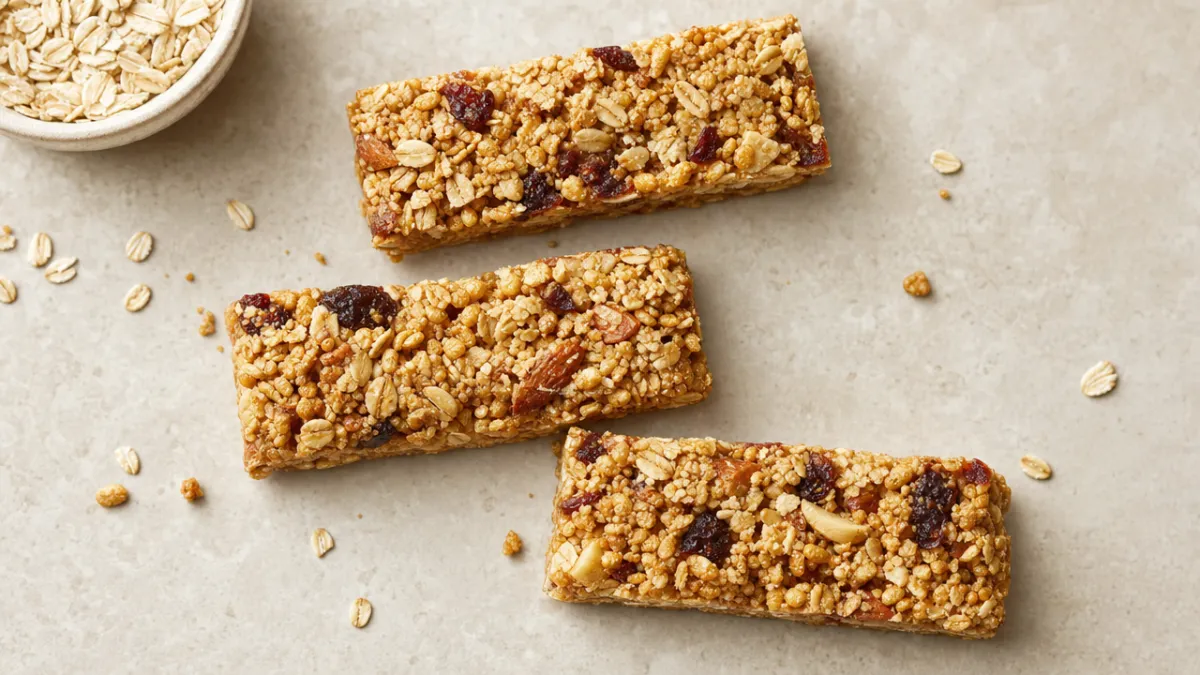
Granola bars vary widely, but most contain nuts, seeds, dried fruit, or coconut, add-ins that low-residue diet guidance used around flares and procedures specifically flags for avoidance. Plain, smoother granola or cereal bars without these mix-ins are gentler on the gut than whole-grain, nut-studded versions.
During a flare
Standard granola bars are commonly avoided during flares because of their nut, seed, and dried-fruit content; even 'healthy' whole-grain versions add more insoluble fiber than many can tolerate.
In remission
In remission, granola bars are often reintroduced starting with simpler, lower-fiber recipes before trying nut- and seed-heavy versions.
What the research says about granola bars and UC
Cereal bars are named on the Hillingdon Hospitals NHS Foundation Trust low-residue diet sheet, and not on the side people hope for. They appear in the foods-to-avoid column with flapjacks, digestive biscuits, Hobnobs, and nut biscuits, and the sheet separately excludes whole nuts, seeds, coconut, and dried fruit, which are the standard granola bar ingredients. The reason is straightforward: a low-residue diet removes fiber that is not fully digested, and a typical bar is oats, nuts, seeds, and fruit held together with syrup. Bars built on rice cereal or refined flour without mix-ins are not mentioned, so the idea that a plain bar may be gentler is an inference from the sheet's logic, not something it states.
The Academy of Nutrition and Dietetics page on Crohn's disease and diet is aimed at Crohn's, but two of its points carry over. It suggests eating small meals or snacks every three to four hours when appetite is poor, which is the practical role a bar fills, and it lists high-fiber foods among those to limit while symptoms are active, then encourages whole grains back in once they settle. It does not mention granola bars. Neither source tested them in people with ulcerative colitis, so the verdicts here follow the sheet's treatment of the ingredients rather than any evidence about the product.
If you have Crohn's instead of UC
I have UC, not Crohn's, so this part is research rather than experience.
A standard granola bar reads like a checklist of what people with a Crohn's stricture are commonly told to limit, so this is one snack where the Crohn's answer can differ from UC even outside a flare. Crohn's & Colitis UK lists wholegrain foods, nuts and seeds, and the skins of fruit and vegetables among foods that could block a narrowed gut, and a typical bar presses rolled oats, chopped nuts, seeds, and chewy dried fruit together, so the tough pieces arrive in the same bite.
For someone with UC, those ingredients mostly matter during flares. With a known stricture, the same charity's advice implies the limits may apply even while the disease is quiet, since it says fiber only needs restricting when a narrowing is present. A crisp rice bar with no mix-ins is the version closest to that advice. People with Crohn's and no stricture are generally told fiber does not need limiting at all.
Based on: Crohn's & Colitis UK; National Institutes of Health (PMC), from Alimentary Pharmacology & Therapeutics 2025; American Gastroenterological Association (GI & Hepatology News). More on how Crohn's and UC diets differ.
Ways to make it gentler
- check labels for nuts, seeds, coconut, and dried fruit
- choose plain oat-based bars without mix-ins first
Safer swaps
- rice-based cereal bars
- plain oat bars without nuts or fruit
How I handle granola bars
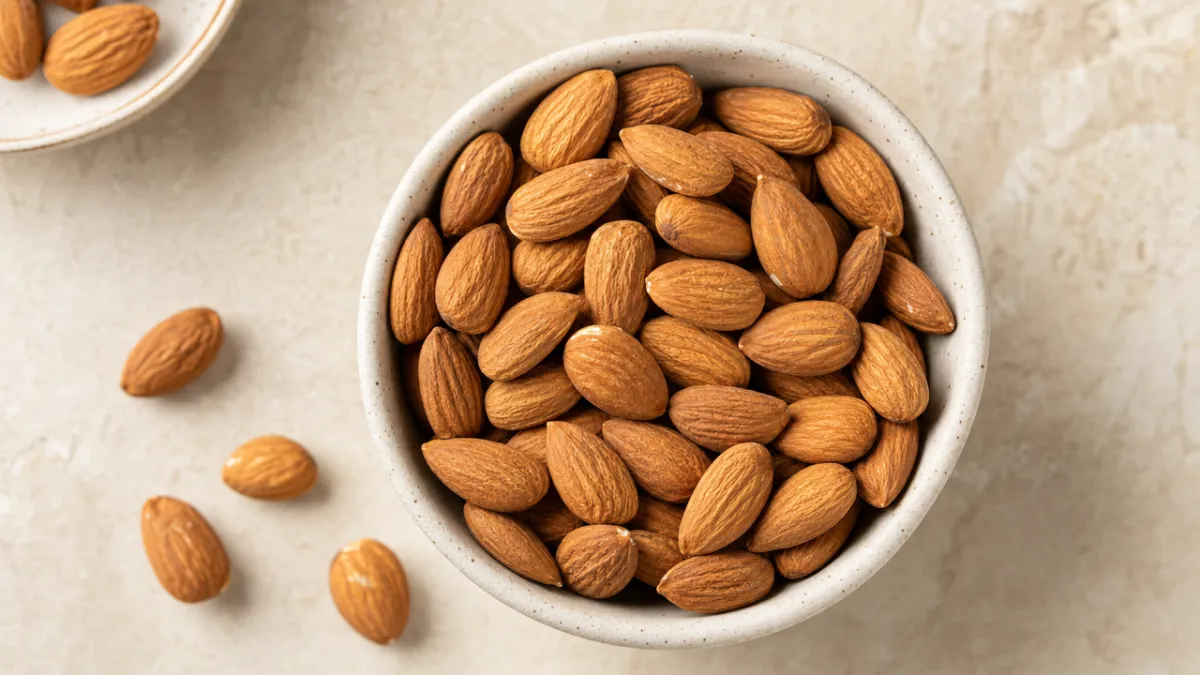
Granola bars are the snack that fooled me longest, because they are marketed as the sensible option and they live in every gym bag and desk drawer. When I look at the wrapper, though, a standard one is exactly the list of things a low-residue sheet tells me to leave alone: whole oats, almonds, sunflower seeds, dried cranberries, sometimes coconut. So during a flare I do not eat them, and I stopped keeping them around so I would not grab one on autopilot. What I use instead is a plain rice cereal bar, the crispy marshmallow kind, or a soft plain oat bar with no nuts or fruit once I am improving, since the oats in those are finely milled rather than whole. In remission I go back to real granola bars, but I read the label for seeds and dried fruit first, and I choose chewy over the crunchy, crumbly ones, which break into sharp bits.
How much, and how to test it
During a flare, skip standard granola bars and test a plain rice cereal bar or a soft, mix-in-free oat bar instead, half a bar first, with a drink. If that passes over a day or two, a whole bar is the next step. Whole-oat granola bars belong in remission: start with half a chewy bar with no nuts, seeds, or dried fruit, wait two or three days, and watch for gas, cramping, and visible oat or nut fragments in the stool. Nut-studded and fruit-filled bars come last, one variety at a time, and a return of urgency means stepping back to the plain version.
What you get from granola bars
A typical granola bar delivers 150 to 250 calories, 3 to 10 grams of protein, some iron from the oats and nuts, and 2 to 5 grams of fiber, with a sugar content that often rivals a candy bar. Protein bars push the protein higher, which can help someone losing muscle through a flare, though many use sugar alcohols that loosen stools. A plain rice cereal bar drops the fiber and most of the nutrition, trading it for easy calories. In remission, a nut-and-oat bar is a reasonably dense portable snack.
Why this one shows up on trigger lists
Granola Bars is flagged for one of the properties that most commonly cause UC symptoms. Each page explains the mechanism and lists every other food that carries it.
Questions people ask about granola bars and UC
Can I eat granola bars with ulcerative colitis?
In remission, most people can, though reading the label for seeds and dried fruit is worth the ten seconds. During a flare the answer from hospital low-residue guidance is no for the standard kind, because cereal bars, oats, nuts, seeds, and dried fruit are all named as foods to avoid. A plain rice cereal bar or a soft oat bar with no mix-ins is the version that tends to be tolerated while symptoms are active.
Are protein bars better than granola bars for UC?
Sometimes, for different reasons. Protein bars usually contain less whole oat and fewer nuts, and the extra protein is useful when a flare is costing muscle. But many are sweetened with sugar alcohols such as maltitol, which can cause gas and loose stools, and some add chicory root fiber, which ferments. A protein bar with a short ingredient list and no -itol sweeteners can be a good flare snack; one with both is often worse than the granola bar it replaced.
Which granola bar ingredients matter most during a flare?
Whole oats, nuts, seeds, dried fruit, and coconut are the five to watch, in roughly that order of how often they appear. All five are on the Hillingdon avoid list. Chocolate chips, honey, and syrup binders are generally not the problem from a fiber standpoint, though a very sugary bar can still loosen stools. Soft, finely milled oat bars are a step gentler than crunchy ones because the oat pieces are smaller and the bar does not shatter.
Is a homemade granola bar easier on colitis?
It can be, mainly because you control what goes in. A bar made from quick oats, smooth nut butter, and honey or syrup, with no whole nuts, seeds, or dried fruit, keeps the calories and the convenience while removing most of the fragments. Baking it soft rather than crisp helps too. It is still an oat bar, so it belongs in the improving-or-remission phase rather than at the height of a flare, and a small piece is the sensible first test.
Do emulsifiers in packaged snack bars matter for Crohn's disease?
The evidence is unsettled, and it comes from Crohn's trials rather than UC. A 2025 Australian feeding trial gave 24 adults with active ileal Crohn's a high- or low-emulsifier diet for four weeks and found no difference in disease activity, and its authors said advice to avoid emulsifiers is not supported. The larger ADDapt trial, presented at ECCO 2025 but not yet fully published, reported more symptom improvement and lower calprotectin on a low-emulsifier diet over eight weeks. Both were short, so the question is best treated as open and discussed with a dietitian.
Sources
- Low-residue diet (The Hillingdon Hospitals NHS Foundation Trust)
- Crohn's Disease and Diet (Academy of Nutrition and Dietetics (eatright.org))
- Food and Crohn's or Colitis (Crohn's & Colitis UK)
- Clinical Trial: The Effects of Emulsifiers in the Food Supply on Disease Activity in Crohn's Disease: An Exploratory Double-Blinded Randomised Feeding Trial (National Institutes of Health (PMC), from Alimentary Pharmacology & Therapeutics 2025)
- New Crohn's data spotlight promising therapies (American Gastroenterological Association (GI & Hepatology News))
Written by Jude Horak, a UC patient. Sources last checked 2026-08-12. Spotted an error? Tell me.