Can I eat dark chocolate with ulcerative colitis?
By Jude Horak, UC patient. Sources checked 2026-08-12.
Have Crohn's instead? Jump to the Crohn's notes
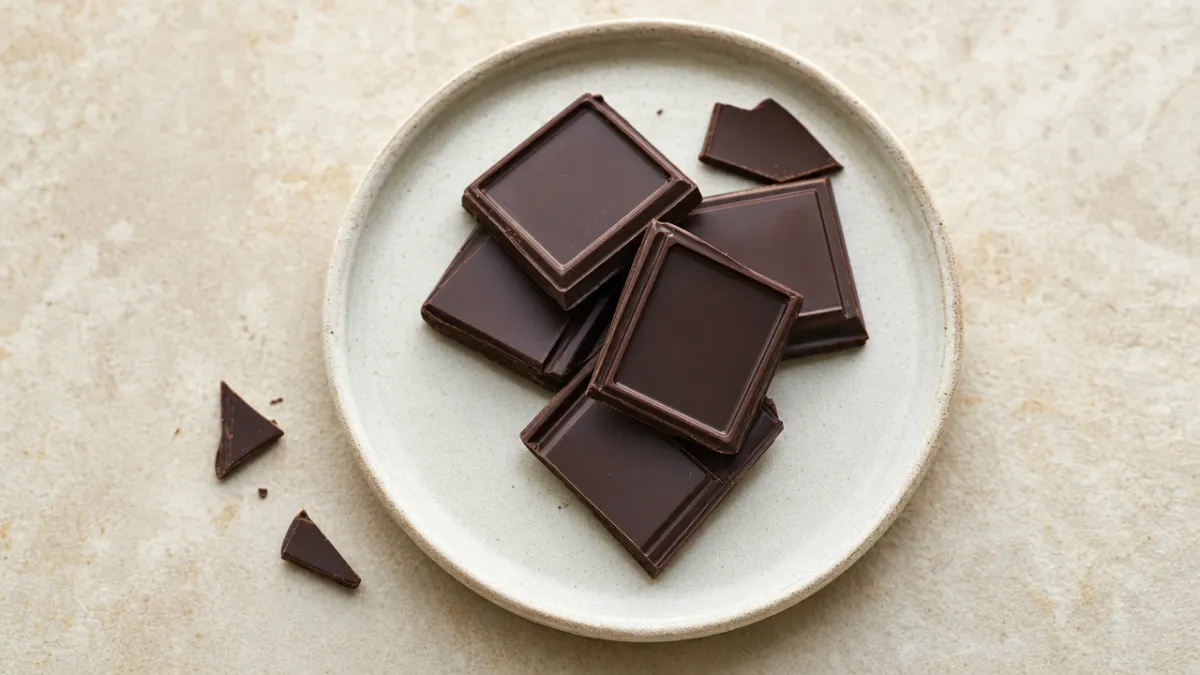
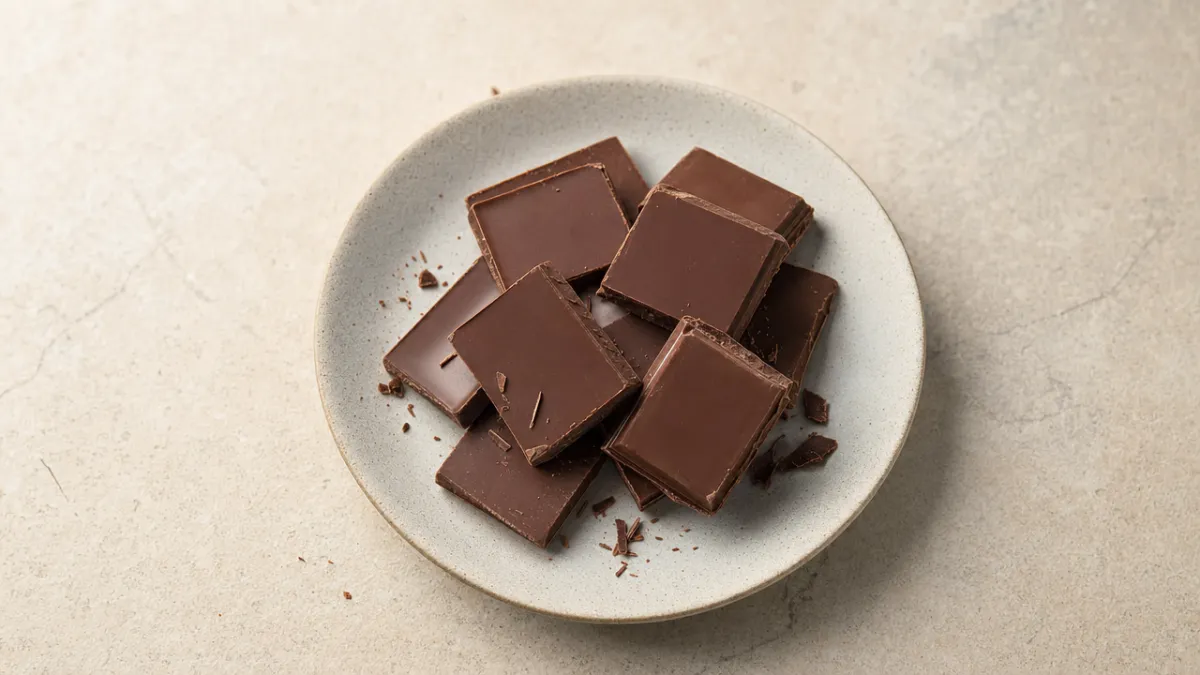
Dark chocolate has less added sugar than milk chocolate but more cocoa solids, which carry caffeine and stimulant compounds that can speed up bowel transit; it still carries cocoa fat that some people find heavier during active symptoms. Plain dark chocolate without nuts or dried fruit is grouped with other permitted low-residue treats, and it's also a low-FODMAP sweet choice.
During a flare
Because of its caffeine and fat content, dark chocolate is often kept to small portions during flares rather than avoided outright.
In remission
Many people tolerate moderate dark chocolate well in remission; mix-ins and large quantities are the more common trigger, not the chocolate itself.
What the research says about dark chocolate and UC
Monash FODMAP's high and low FODMAP food list names dark chocolate as a low-FODMAP option in its sugars and confectionery row, alongside table sugar, maple syrup, and rice malt syrup, and in contrast to honey, high fructose corn syrup, and sugar-free confectionery. That is the most specific statement either source makes about this food. It is a FODMAP classification, developed for irritable bowel syndrome rather than colitis, and it speaks to fermentable carbohydrate, not to caffeine, fat, or fiber. The low-residue diet sheet from University Hospitals Sussex NHS Foundation Trust permits plain chocolate as a treat while excluding versions with nuts, dried fruit, or coconut, and does not separate dark from milk.
So the picture from the sources is that plain dark chocolate is permitted on two different restrictive frameworks, low-residue and low-FODMAP, which is more than most snacks can claim. What the sources do not address is the caffeine and theobromine in cocoa solids, which rise with the cocoa percentage, or the fact that very dark bars carry noticeably more fiber than milk chocolate. Those points come from general food knowledge rather than from anything cited here, and I have not found a study that tested dark chocolate in people with UC. The flare verdict of caution reflects that gap: the food passes the lists, but the stimulant and fat content in a large portion of an 85 percent bar is an open question.
If you have Crohn's instead of UC
I have UC, not Crohn's, so this part is research rather than experience.
Dark chocolate raises a kidney stone question for some people with Crohn's that rarely comes up in UC. Crohn's & Colitis UK explains that small-bowel inflammation can stop enough fat being absorbed, and a 2024 study in Nutrients lays out what follows: unabsorbed fatty acids bind calcium in the gut, leaving more oxalate free to be absorbed, and they also make the colon more permeable to it. Among the 27 people with Crohn's in that study, those with a stone history absorbed more oxalate, and the length of ileal resection tracked with how much they absorbed.
Cleveland Clinic lists chocolate among the high-oxalate foods to limit for this condition, and a dark bar is the most cocoa-dense way to eat it. For people with an ileal resection, fat malabsorption, or past stones, how much dark chocolate fits is a fair question to put to the team rather than an automatic yes.
Based on: National Institutes of Health (PMC), from Nutrients 2024; Crohn's & Colitis UK; Cleveland Clinic. More on how Crohn's and UC diets differ.
Ways to make it gentler
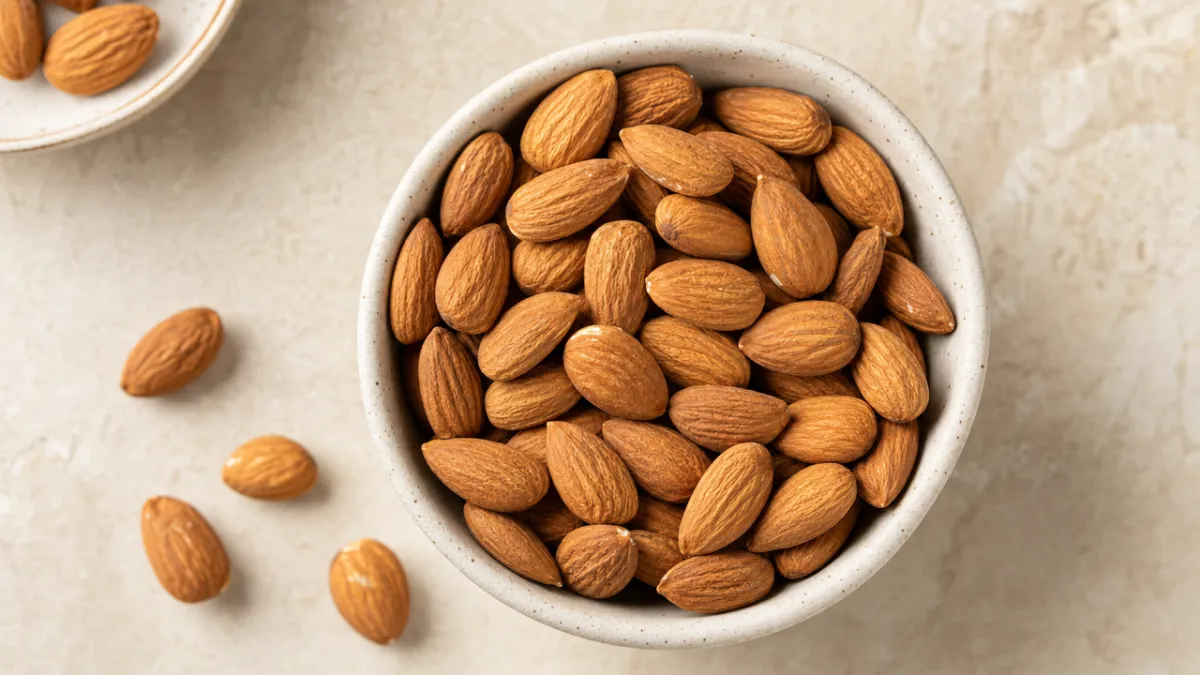
- stick to plain varieties without nuts or dried fruit
- keep portions small, especially later in the day given the caffeine
Safer swaps
- a small square of dark chocolate
- cocoa powder stirred into a smoothie
How I handle dark chocolate
Dark chocolate is my remission treat and my flare-time ration. When I am well I eat a decent piece of a 70 percent bar most evenings without a second thought, because the fat and sugar are lower per square than milk chocolate and it satisfies the craving faster. During a flare I change two things. I drop the percentage, because an 85 percent bar is heavier on cocoa solids, which means more caffeine, more fiber, and a more bitter hit on a stomach that is already unsettled, and a 55 to 65 percent bar gives me the flavor with less of that. And I move it earlier in the day, since I would rather not add a stimulant to the evening when night-time trips to the bathroom are already a feature. One or two squares, plain, no almonds or sea salt caramel. If even that feels like too much, a spoon of cocoa in warm milk does the job.
How much, and how to test it
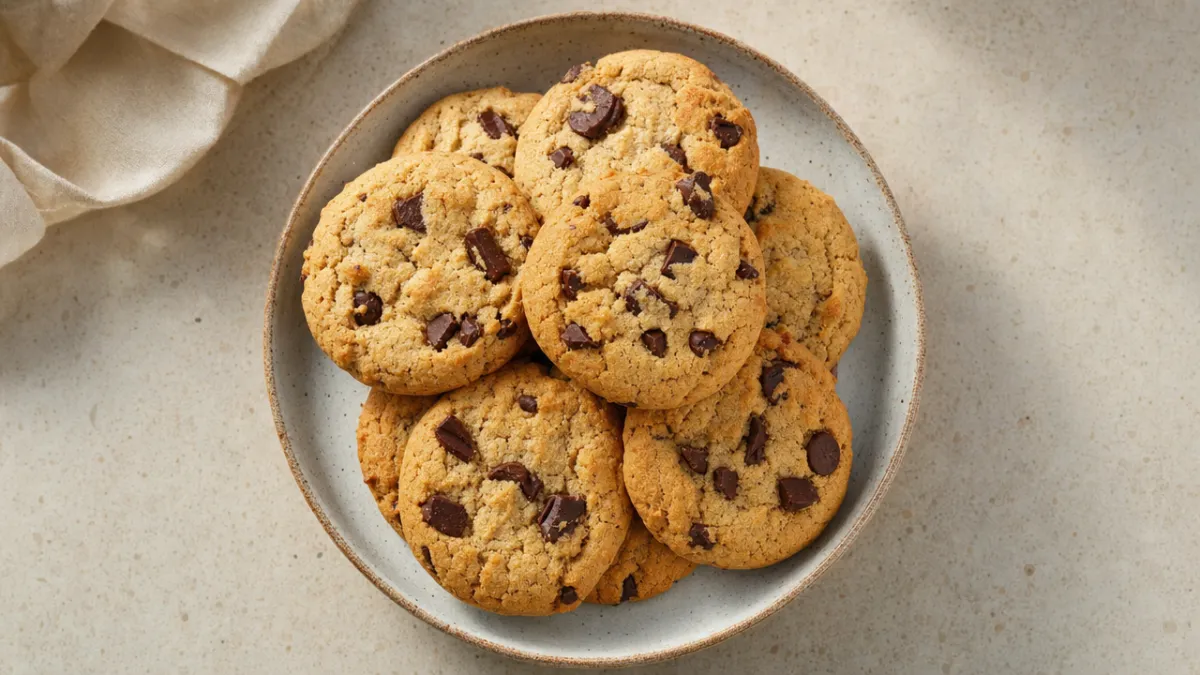
Start with one or two squares, about 10 to 15 grams, of a plain bar in the 55 to 70 percent range, eaten after a meal and before mid-afternoon. Over the rest of the day and the next morning, note any extra urgency, cramping, or trouble sleeping, which would point to the caffeine, and any greasy or loose stools, which would point to the fat. If that passes twice, try a higher percentage or a larger piece. Bars with nuts, dried fruit, or crisped grains are a separate test for remission, one addition at a time.
What you get from dark chocolate
Dark chocolate is more nutritionally interesting than milk chocolate: a 70 to 85 percent bar carries about 600 calories, 8 grams of protein, 11 grams of fiber, and around 12 milligrams of iron per 100 grams, plus magnesium and potassium. The iron is notable for anyone dealing with UC-related anemia, though a couple of squares deliver only a fraction of that figure. The fiber is the surprise, and it is why a very dark bar is not quite the residue-free treat milk chocolate is. Calories are dense, which helps when weight is slipping.
Why this one shows up on trigger lists
Dark Chocolate is flagged for 2 of the properties that most commonly cause UC symptoms. Each page explains the mechanism and lists every other food that carries it.
Questions people ask about dark chocolate and UC
Can I eat dark chocolate with ulcerative colitis?
Most people with UC can, and in remission it is one of the less controversial treats. Plain dark chocolate is low-FODMAP by Monash's classification and is permitted on low-residue sheets, which covers the two main gut-restriction frameworks. The reasons to be measured are the caffeine and theobromine in cocoa solids, which climb with the percentage, and the fat. A couple of squares of a mid-range bar is a very different thing from half an 85 percent bar.
Is dark chocolate OK during a UC flare?
In small amounts, often yes, with two adjustments. Choosing a lower cocoa percentage cuts the caffeine and the fiber, both of which rise sharply in very dark bars, and eating it earlier in the day keeps the stimulant away from the night. A square or two after lunch is the pattern many people settle on. If urgency or cramping seems to follow even that, a warm cocoa drink made with cocoa powder is a gentler way to get the flavor.
Is dark chocolate low fiber?
Less than you might expect. A 70 to 85 percent bar contains roughly 11 grams of fiber per 100 grams, which is far more than milk chocolate, because cocoa solids carry fiber and dark chocolate is mostly cocoa solids. In a two-square portion that is still only a gram or two, so it fits a low-residue diet in practice, and the sheets permit plain dark chocolate. On a very strict pre-procedure plan, milk chocolate is the lower-fiber choice.
Does dark chocolate have enough caffeine to matter for colitis?
It can, at the high end. A 100 gram bar of 70 to 85 percent chocolate contains roughly 80 milligrams of caffeine, comparable to a cup of coffee, plus a larger amount of theobromine, a milder stimulant. A two-square portion is closer to 10 milligrams, which most people do not notice. The people who tend to feel it are those who are already sensitive to coffee and who eat a large amount of very dark chocolate late in the evening.
Does dark chocolate matter if Crohn's only affects the colon?
Usually less. The oxalate problem depends on fat being lost in the small bowel, so Crohn's confined to the colon tends to behave more like UC for dark chocolate, and the caffeine and portion points elsewhere on this page apply as they would for anyone. Crohn's & Colitis UK names one more factor: dehydration from diarrhea also contributes to kidney stones in Crohn's, so frequent loose stools can matter even without small-bowel disease. Anyone who has already had a stone has a reason to ask about oxalate wherever their Crohn's sits.
Recipes that use dark chocolate
Sources
- Low residue diet (University Hospitals Sussex NHS Foundation Trust)
- High and low FODMAP foods (Monash FODMAP)
- Intestinal Oxalate Absorption, Enteric Hyperoxaluria, and Risk of Urinary Stone Formation in Patients with Crohn's Disease (National Institutes of Health (PMC), from Nutrients 2024)
- Crohn's Disease (Crohn's & Colitis UK)
- Hyperoxaluria (Cleveland Clinic)
Written by Jude Horak, a UC patient. Sources last checked 2026-08-12. Spotted an error? Tell me.