Can I eat gelatin with ulcerative colitis?
By Jude Horak, UC patient. Sources checked 2026-08-12.
Also searched as: jelly, Jell-O.
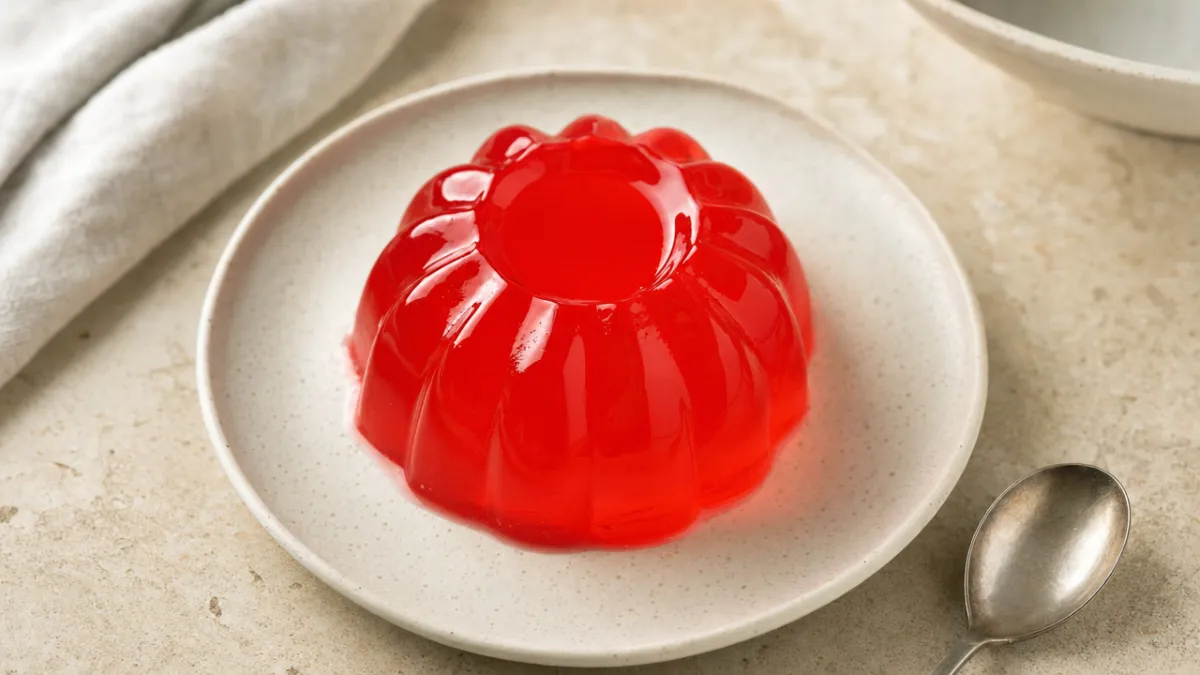
Plain gelatin desserts contain no fiber and little to no fat, which is why clear jelly is one of the few desserts consistently listed as permitted on low-residue diet guidance used around flares and procedures. It's mostly a gentle, easy-to-digest source of calories and fluid rather than nutrition.
During a flare
Plain gelatin or jelly is commonly well tolerated during flares and is often used as a safe dessert option.
In remission
Gelatin is generally fine in remission with no specific restrictions beyond overall sugar content.
What the research says about gelatin and UC
Clear jelly is one of the few desserts the Hillingdon Hospitals NHS Foundation Trust low-residue diet sheet names specifically as a food to include, alongside smooth sorbet, custard, ice cream, and milk puddings, and it separately excludes ice cream and desserts containing fruit pieces or nuts. Jelly jam is listed under foods to include as well, while jam with skin, peel, or pips is excluded, which is the same principle applied to a spread: gelatin-based, strained, and fiber-free passes; anything with bits does not. The University Hospitals Sussex NHS Foundation Trust sheet follows the same low-residue principle, keeping smooth, fiber-free desserts while removing fruit, nuts, and seeds.
Both sheets are general low-residue tools rather than ulcerative colitis research. Hillingdon lists diarrhea during a UC flare as one situation where the diet is used, but also bowel preparation, post-surgery recovery, and radiotherapy, so gelatin's place on the list is about being inert rather than being beneficial. Neither source makes any claim that gelatin heals or soothes the gut, and I have not found a study that tested gelatin desserts in people with colitis. What the sources support is modest: plain gelatin is one of the least likely foods to aggravate symptoms, and it can carry fluid and a few calories when little else will stay down. The verdicts here rest on that.
Ways to make it gentler
- choose clear, plain gelatin over versions with fruit pieces, nuts, or seeds mixed in
Safer swaps
- pudding
- sorbet
How I handle gelatin
Gelatin is the food I reach for on the days when a flare has taken my appetite completely. It is cold, it slides down, it does not need chewing, and it is one of the only things that feels like a treat when everything else feels like a chore. I keep a few cups of plain, clear jelly in the fridge for exactly those days, and I count them mostly as fluid with a little sugar attached rather than as a meal. The two things I stay away from are the versions with fruit suspended inside, since those pieces are the residue I am trying to avoid, and the sugar-free cups, which are usually sweetened with polyols that can loosen my gut on their own. Red and purple flavors can also stain the stool, which is worth knowing before it startles you. In remission I rarely bother with gelatin, but it stays in the flare toolkit.
How much, and how to test it
Gelatin is a low-risk food to introduce, so a normal single cup, about 100 grams, of plain clear jelly is a reasonable first serving even during a flare. There is little to wait for, but note over the next day whether the sugar content seems to loosen stools, which mainly happens with large amounts. If a cup sits well, it can be eaten several times a day as a fluid and calorie top-up. Versions with fruit pieces are a separate, later test for remission, and sugar-free cups are worth testing on their own because of the sweeteners rather than the gelatin.
What you get from gelatin
Gelatin dessert is mostly water and sugar: a standard single-serve cup provides around 60 to 80 calories, about 1 to 2 grams of protein from the gelatin itself, and no fat, fiber, iron, calcium, or meaningful vitamins. Its value during a flare is fluid, since a cup is roughly 85 percent water, and easy calories when solid food is unappealing. The protein is incomplete, so it does not replace meat, eggs, or dairy. Sugar-free versions cut the calories to near zero and lose the one nutritional benefit gelatin has during weight loss.
Questions people ask about gelatin and UC
Is Jell-O good for ulcerative colitis flares?
It is one of the safer choices rather than a helpful one. Plain gelatin dessert has no fiber or fat, so it does not aggravate an inflamed bowel, and it delivers fluid and a little sugar when eating is difficult, which is why hospital low-residue sheets list clear jelly among permitted desserts. It does not treat inflammation. The versions to avoid during a flare are those with fruit pieces and, for many people, sugar-free cups sweetened with polyols.
Can I eat gelatin on a clear liquid or low residue diet?
Plain gelatin is a standard item on both. Clear liquid diets used before procedures typically allow clear jelly because it melts to liquid at body temperature and leaves nothing behind, and low-residue diets list it as a permitted dessert. The condition is that it be plain: no fruit pieces, no whipped topping folded in. Colors sometimes matter on procedure days, since red and purple dyes can be mistaken for blood, so follow the instructions you were given.
Does gelatin heal the gut lining?
There is no evidence in the sources cited on this page that gelatin repairs or soothes the colon in ulcerative colitis. The claim circulates widely because gelatin comes from collagen, but eating collagen does not deliver it to the gut wall in any meaningful way, and the amount in a dessert cup is small. Gelatin earns its place on flare lists by being harmless and easy, not by doing anything therapeutic. Treat it as comfort and calories.
What about gummy candies and other gelatin-based sweets?
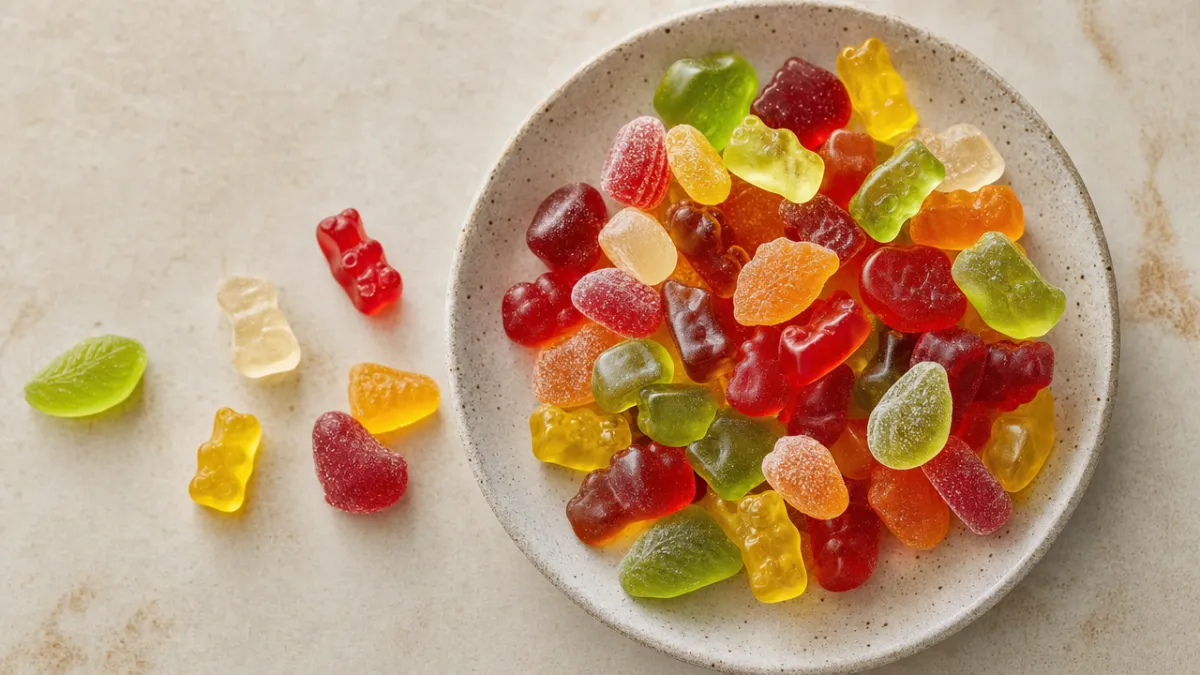
Gummies are gelatin plus a lot more sugar and often citric acid, which can sting a raw gut, and many contain fruit puree or, in the sugar-free versions, sugar alcohols. A few regular gummies after a meal are usually tolerated in the same way as other plain candy. Large amounts bring the sugar load, and sugar-free gummies are one of the more reliable ways to get polyol-related diarrhea, so those are best left for remission.
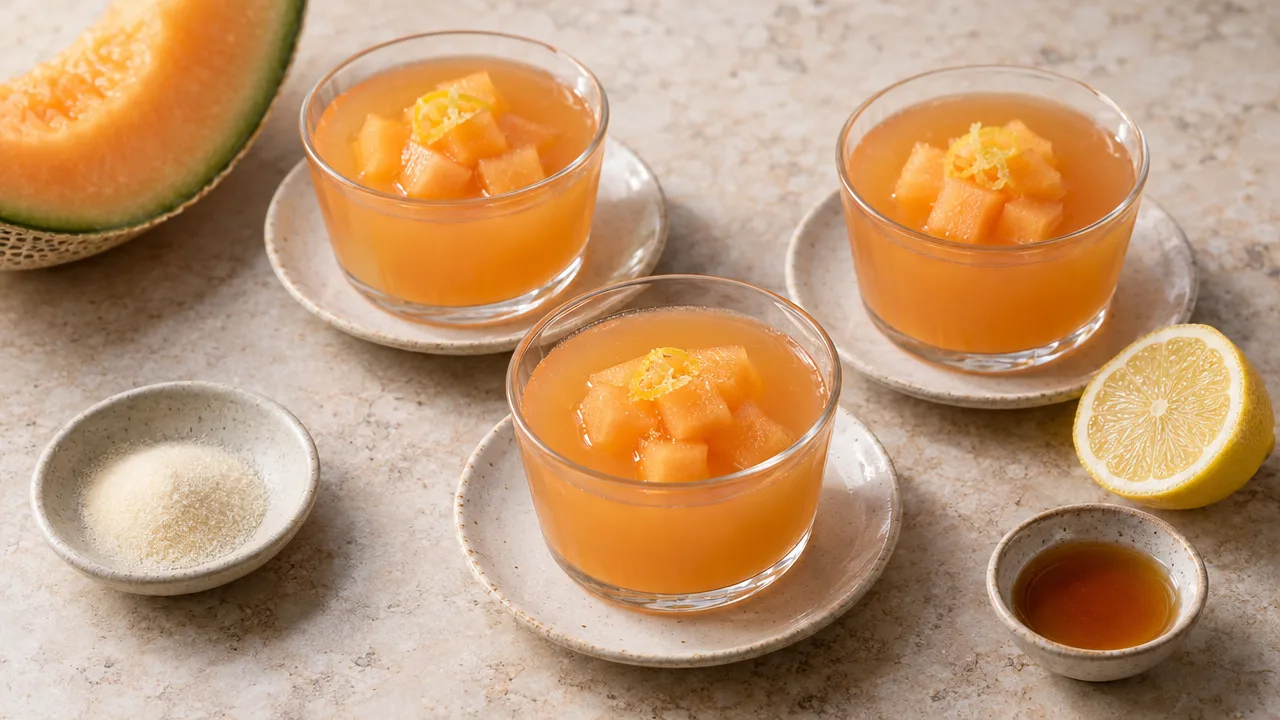
Recipes that use gelatin
Sources
- Low-residue diet (The Hillingdon Hospitals NHS Foundation Trust)
- Low residue diet (University Hospitals Sussex NHS Foundation Trust)
Written by Jude Horak, a UC patient. Sources last checked 2026-08-12. Spotted an error? Tell me.