Can I eat cookies with ulcerative colitis?
By Jude Horak, UC patient. Sources checked 2026-08-12.
Also searched as: biscuits, sweet biscuits.
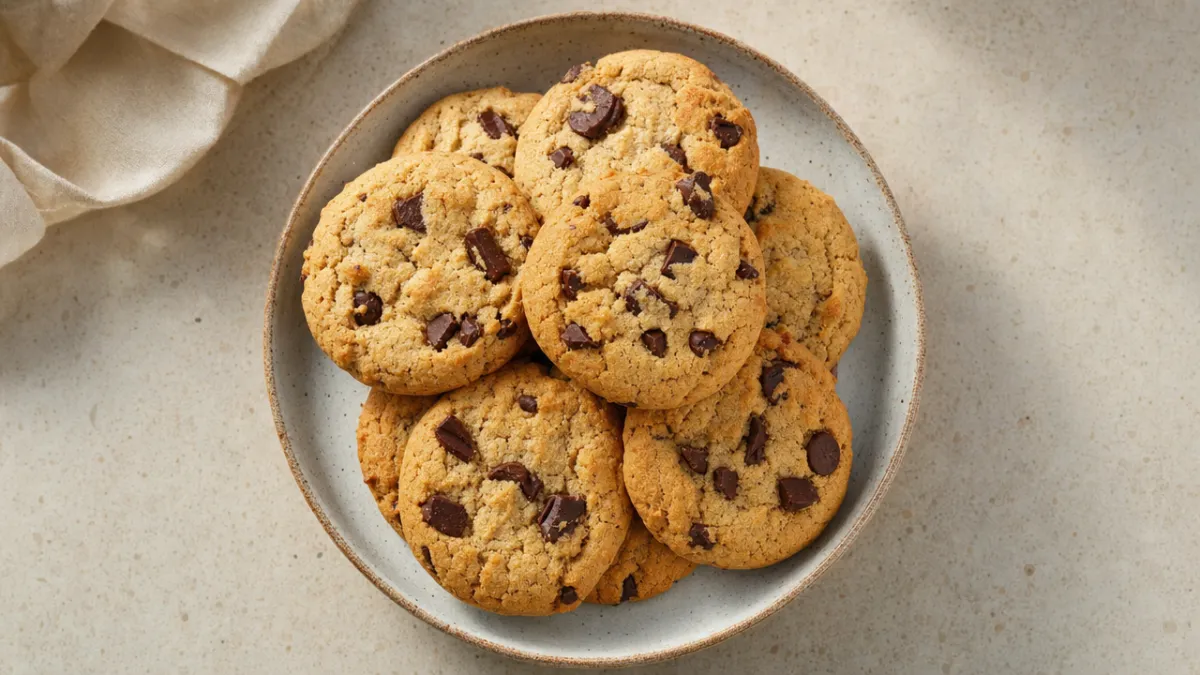
Plain cookies made with refined flour are lower in fiber, which is why simple sweet biscuits (rich tea, shortbread, malted milk) are grouped among permitted treats in low-residue diet guidance. Sugar and butter content can still add up, and versions with nuts, oats, or dried fruit bring back fiber and texture concerns.
During a flare
Plain, simple cookies are commonly better tolerated during flares than those packed with nuts, oats, or dried fruit.
In remission
Most people tolerate cookies in moderation in remission; portion size and mix-ins matter more than the cookie base itself.
What the research says about cookies and UC
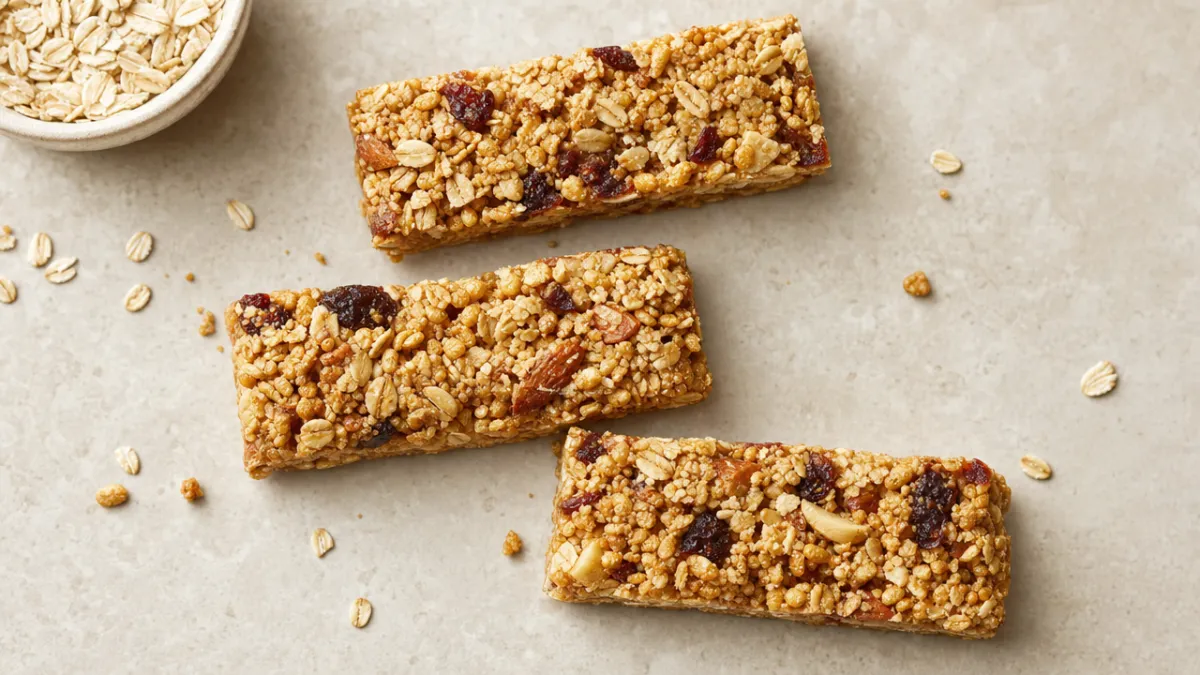
The Hillingdon Hospitals NHS Foundation Trust low-residue diet sheet is specific about biscuits in a way most guidance is not. Sweet plain biscuits such as rich tea, gingernut, malted milk, and shortbread are listed as foods to include, alongside plain sponge cake and jaffa cakes, while digestive biscuits, Hobnobs, flapjacks, nut biscuits, and anything made with oats, dried fruit, or dried coconut are listed as foods to avoid. That is the whole basis for the split on this page between a plain cookie and a loaded one: it is the oats, nuts, and fruit that carry fiber, not the butter, sugar, or refined flour. The sheet does not discuss sugar or fat at all, since low-residue diets are built around residue.
The second source is a mouse study in PMC in which two days on a diet of 50 percent sucrose, followed by a chemical that induces colitis, produced worse disease, lower short-chain fatty acids, and a more permeable gut lining than a standard diet. It is the reason sugar appears among this page's concerns, but it needs to be read carefully: it is a short-term animal model of extreme sugar intake, not evidence that a cookie affects ulcerative colitis in people. Nothing in either source tested cookies in patients. The caution verdict during flares is therefore a balance of the sheet's permission for plain biscuits against a general reason to keep sugar and butter portions modest while the gut is inflamed.
Ways to make it gentler
- choose plain varieties over those with nuts, seeds, or dried fruit
- keep portions modest
Safer swaps
- plain shortbread
- vanilla wafers
How I handle cookies
Cookies are one of the places where I have to be honest with myself about what is actually in the thing. A plain shortbread finger or a vanilla wafer is refined flour, butter, and sugar, and during a flare a couple of those with a cup of tea are often the easiest calories I get all afternoon. An oatmeal raisin cookie looks similar on the plate but is mostly the things low-residue lists tell me to avoid: oats, dried fruit, sometimes nuts. So my rule is to read the cookie, not the label on the packet. Plain, smooth, and pale usually means fine; lumpy, dark, and studded usually means later. I also watch how many I eat in a sitting, because a sleeve of cookies is a lot of sugar and butter landing at once, and that combination tends to make my gut busier than the cookie base ever does. In remission I eat what I like, in normal amounts.
How much, and how to test it
A first test during a cautious stretch is one or two plain biscuits, about 20 to 30 grams, such as shortbread, rich tea, or vanilla wafers, taken with a drink after a meal. Over the next day, note whether the sugar and butter show up as looser stools or cramping, which usually arrives within a few hours rather than days. If plain versions pass, the next steps are a soft, plain sugar cookie, then a chocolate-chip cookie, and only later anything with oats, nuts, or dried fruit, each tried separately. Two or three at a time is a sensible ceiling while testing.
What you get from cookies
Cookies are energy first: a typical shortbread or butter cookie runs 480 to 520 calories per 100 grams, mostly from refined flour, sugar, and butter, with a few grams of protein and under 2 grams of fiber. That is not much nutrition, but during a flare, when weight is slipping and appetite is thin, a couple of plain biscuits can keep calories coming in with almost no residue. Versions with oats, nuts, or dried fruit add fiber, iron, and a bit more protein, at the cost of the roughage this page is trying to avoid.
Why this one shows up on trigger lists
Cookies is flagged for 2 of the properties that most commonly cause UC symptoms. Each page explains the mechanism and lists every other food that carries it.
Questions people ask about cookies and UC
Can I eat cookies with ulcerative colitis?
Plain ones, usually yes, even during a flare in modest amounts. NHS low-residue guidance names rich tea, shortbread, malted milk, and gingernut biscuits as foods to include, and vanilla wafers and plain sugar cookies fall into the same group. The cookies that tend to cause trouble are the ones with oats, nuts, seeds, dried fruit, or coconut, which bring fiber back. Portion matters too, since a large amount of sugar and butter at once can loosen stools.
Are oatmeal cookies OK on a low residue diet?
Not on the strict version. Oats, dried fruit, and nuts are the exact ingredients hospital low-residue sheets exclude, and an oatmeal raisin cookie combines all three. Flapjacks and digestive biscuits are named on the Hillingdon avoid list for the same reason. In remission, oatmeal cookies are a reasonable food for many people, and a soft, fine-oat cookie without raisins or nuts is the gentler place to start.
Do sugary snacks like cookies make colitis worse?
There is no human evidence in the sources cited here that a cookie changes the course of UC. The animal study people point to fed mice a diet of half sugar for two days before inducing colitis, which is a long way from dessert. What many people with UC do notice is that a big sugar-and-fat load at once can speed up the gut, so the practical advice is moderation rather than elimination, and plain over loaded while symptoms are active.
Which cookies are best during a flare?
The pale, plain, and boring ones. Shortbread, rich tea, malted milk, vanilla wafers, arrowroot biscuits, and plain butter cookies are refined flour with no roughage and are what low-residue sheets permit. Avoid anything with visible oats, nuts, seeds, dried fruit, or coconut, and be wary of very rich, oversized bakery cookies, where the sheer quantity of butter and sugar is the issue. A couple with a hot drink is usually the sweet spot.
Sources
- Low-residue diet (The Hillingdon Hospitals NHS Foundation Trust)
- A high-sugar diet rapidly enhances susceptibility to colitis via depletion of luminal short-chain fatty acids in mice (PMC)
Written by Jude Horak, a UC patient. Sources last checked 2026-08-12. Spotted an error? Tell me.