Can I eat fast food with ulcerative colitis?
By Jude Horak, UC patient. Sources checked 2026-08-12.
Also searched as: takeout, drive-thru food.
Have Crohn's instead? Jump to the Crohn's notes
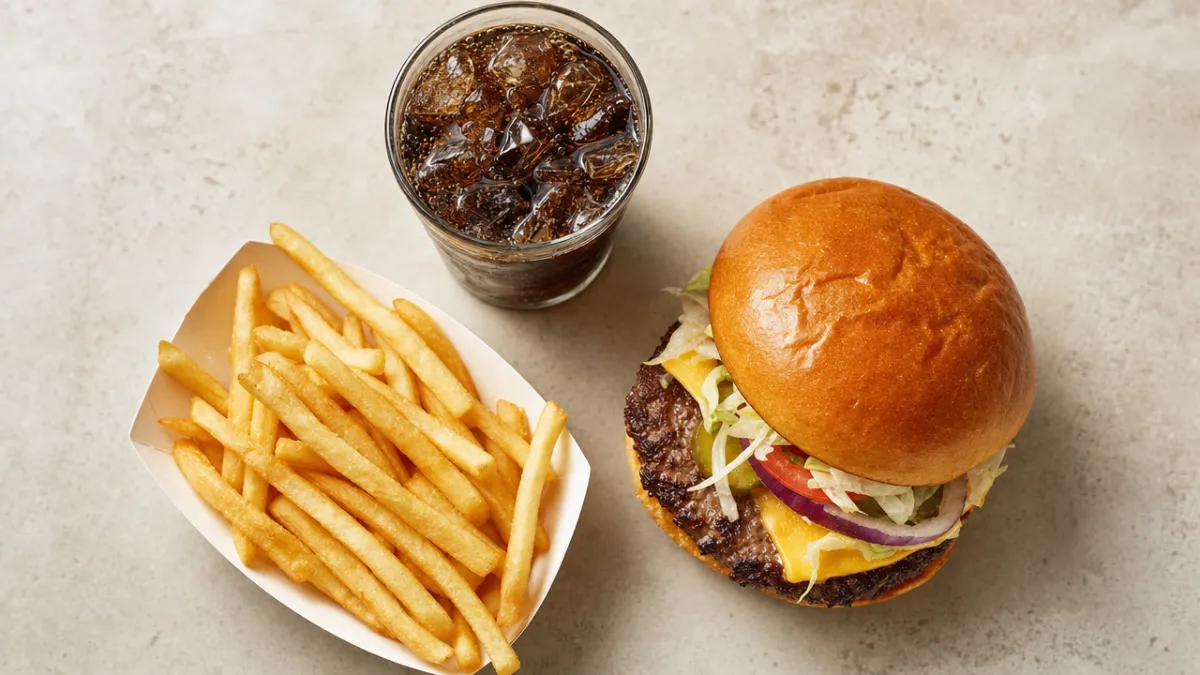
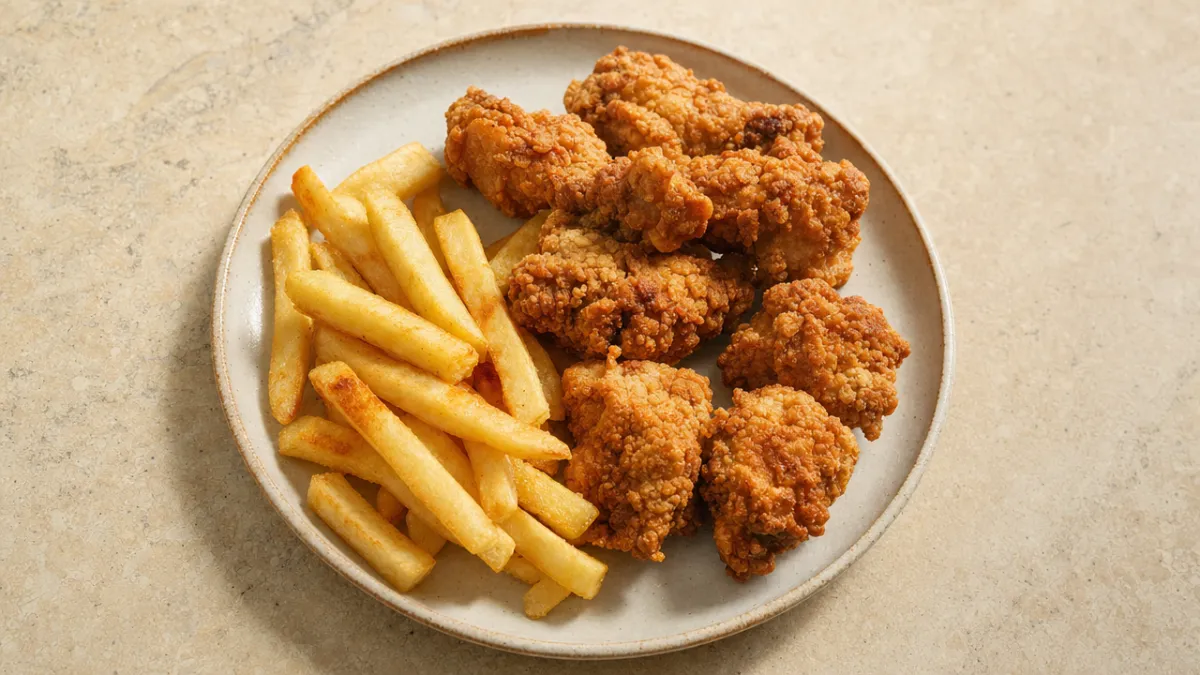
Typical fast-food meals bundle several commonly reported triggers: fried items, high-fat sauces, processed meats, and heavy sodium. It's often hard for the body to deal with the amount of fat in fast food and other greasy items, and fried components in these meals carry the same peroxidized-fat concerns seen in fried-food research. Large bundled meals can also carry a substantial share of a day's sodium recommendation in one sitting.
During a flare
Fast food is frequently one of the first categories people cut back on during a flare because of its combined fat and fried-food load.
In remission
In remission, some people find grilled, less-greasy fast-food options (grilled chicken, plain sides) easier to tolerate than fried or heavily sauced items.
What the research says about fast food and UC
Cleveland Clinic's overview of foods that commonly worsen Crohn's and IBD symptoms reads like a fast-food menu in reverse: fried items, greasy meats, cream-based sauces, and heavy cheese all appear on it. The clinic does not single out fast food as a category, and its advice is general IBD guidance rather than research on drive-thru meals specifically. The reasoning is about fat and its absorption, and it applies to any meal built the same way whether it comes in a paper bag or on a plate.
The fried components have a laboratory thread behind them. A PMC study on 13-HPODE, an oxidized fatty acid that forms in heated and reused frying oil, found that it raised inflammatory signaling and weakened barrier function in intestinal cells and in mice. Commercial fryers running all day are a realistic place for that compound to accumulate, though again the work is preclinical and has not been repeated in people with ulcerative colitis. What is missing from both sources is any study of the additives, emulsifiers, and sodium load typical of fast-food meals, so the additive concern noted in this entry rests on wider research summarized elsewhere on this site rather than on these two references. Grilled, unsauced items sit outside most of what these sources warn against.
If you have Crohn's instead of UC
I have UC, not Crohn's, so this part is research rather than experience.
Fast food carries one Crohn's-specific research signal that does not hold up as well for UC: ultra-processed food. In a US cohort of 245,112 health professionals, people in the highest quarter of ultra-processed food intake had about a 70% higher risk of developing Crohn's than those in the lowest, with the strongest links for ready-to-eat meals, breads and breakfast foods, and sauces, cheeses, and spreads. The same analysis found no consistent association with ulcerative colitis. This is an observational link about who develops Crohn's, not proof that a drive-thru meal flares existing disease.
For people already living with Crohn's, the AGA's 2024 practice update advises a Mediterranean diet low in ultra-processed food for everyone with IBD, while noting that no diet has consistently reduced flares in adults. That tends to point toward fast food as an occasional meal rather than a routine, built from the grilled, sauce-light orders this page describes.
Based on: National Institutes of Health (PMC), from Clinical Gastroenterology and Hepatology 2022; American Gastroenterological Association (AGA); Crohn's & Colitis UK. More on how Crohn's and UC diets differ.
Ways to make it gentler
- Choose grilled over fried protein
- Skip extra sauces and cheese
- Order a smaller portion
Safer swaps
- homemade grilled chicken sandwich
- grain bowl with lean protein
How I handle fast food
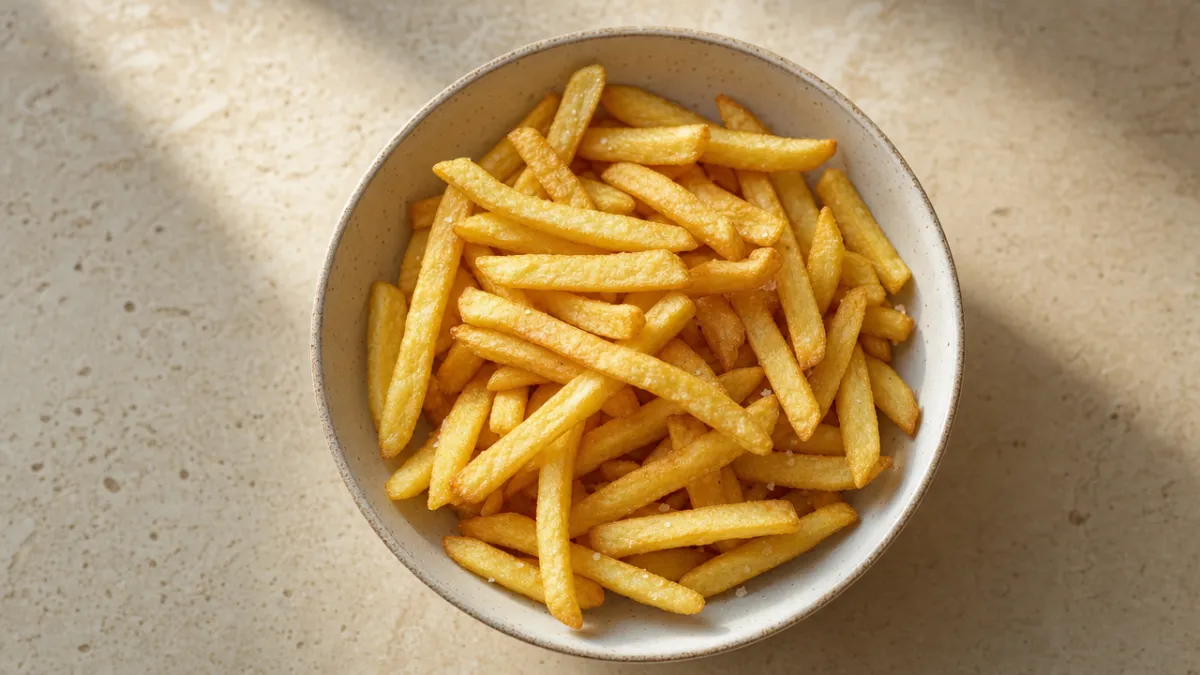
When I end up at a drive-thru, which happens, I have a short list of orders that work for me and I do not improvise from it. A grilled chicken sandwich with no mayo, a plain hamburger without cheese, or a bowl-style option with rice and grilled protein are the ones I reach for. I skip the fries most of the time and get a side of fruit or a plain baked potato when it is offered. Sauces are where the fat hides, so I ask for them on the side or leave them off, and I drink water rather than soda. During a flare I do not go at all; the combination of fried food, cheese, sauce, and a huge portion is not something I want to test on an inflamed gut. Keeping a couple of frozen homemade meals around makes that easier to stick to.
How much, and how to test it
Test fast food in pieces rather than as a combo meal. Start with the plainest item on the menu, such as a grilled chicken sandwich without sauce or a small plain burger, and skip the fries and soda on that visit. Note over the following day whether cramping, urgency, or loose stools appear. If not, add a small fries the next time, and later a modest amount of sauce. Testing one component per visit is slower but tells you which part is the problem. If a plain item alone causes trouble, hold off on fast food for a while and rebuild the same meal at home first.
What you get from fast food
A basic burger or grilled chicken sandwich does supply protein and calories, which are worth something when weight is dropping during active disease. The downsides stack quickly: a combo meal can carry most of a day's sodium, which matters when diarrhea is already stressing fluid balance, along with saturated fat and very little potassium, calcium, or vitamins. Choosing grilled protein, a plain bun, and water rather than soda keeps the useful parts and drops most of the load.
Why this one shows up on trigger lists
Fast Food is flagged for 2 of the properties that most commonly cause UC symptoms. Each page explains the mechanism and lists every other food that carries it.
Questions people ask about fast food and UC
Can I eat fast food with ulcerative colitis?
In remission, many people with UC manage occasional fast food by ordering carefully: grilled instead of fried, no cheese or creamy sauce, a regular rather than a supersized portion, and water instead of soda. During a flare it is one of the first things most people cut, since fried food, fat, and heavy sodium are all commonly reported problems. What you order matters far more than the restaurant's logo.
What can I order at a fast food restaurant with colitis?
Look for grilled chicken sandwiches or wraps with sauce left off, plain hamburgers without cheese, rice bowls with grilled protein and cooked vegetables, baked potatoes, oatmeal, or egg sandwiches without processed meat. Ask for sauces on the side and skip anything described as crispy, loaded, or spicy. Plain sides such as fruit cups or a side salad with dressing on the side are usually gentler than fries or onion rings.
Is a plain burger ok with colitis?
A plain, single-patty burger without cheese or special sauce is often tolerated in remission. The beef patty is mostly protein and fat, so it is the fat content and any added cheese or bacon that push it into trouble. Skipping the toppings, choosing a single rather than a double, and having it with a non-fried side keeps it in the manageable range for many people. Lettuce and raw onion may be worth removing during a fragile stretch.
Why does fast food make my colitis worse?
A typical combo meal bundles several commonly reported triggers into one sitting: fried components, saturated fat, cheese, sugary drinks, and a large volume of food eaten quickly. Each alone might be manageable; together they load the gut with fat that is hard to absorb, and the excess reaching the colon draws in water and speeds transit. Reused frying oil may add an inflammatory element on top.
What can you order at a fast food restaurant with Crohn's strictures?
The fibrous extras deserve the most attention. Crohn's & Colitis UK lists the skins, seeds, and stalks of vegetables among foods people with a narrowing may be advised to avoid, which at a counter means raw lettuce and tomato, sesame-seed buns, side salads, and corn. A plain burger or grilled chicken on a soft seedless bun, mashed potatoes, or a baked potato eaten without the skin sit closer to the soft end. Chewing thoroughly helps as well, a point the AGA makes for people with symptomatic strictures.
Sources
- What Not to Eat If You Have Crohn's Disease (Cleveland Clinic)
- Are Fried Foods Unhealthy? The Dietary Peroxidized Fatty Acid, 13-HPODE, Induces Intestinal Inflammation In Vitro and In Vivo (PMC (National Library of Medicine))
- Ultra-processed foods and risk of Crohn's disease and ulcerative colitis: a prospective cohort study (National Institutes of Health (PMC), from Clinical Gastroenterology and Hepatology 2022)
- Diet and nutritional therapies in patients with IBD (American Gastroenterological Association (AGA))
- Food and Crohn's or Colitis (Crohn's & Colitis UK)
Written by Jude Horak, a UC patient. Sources last checked 2026-08-12. Spotted an error? Tell me.