Can I eat hot sauce with ulcerative colitis?
By Jude Horak, UC patient. Sources checked 2026-08-12.
Also searched as: chili sauce.
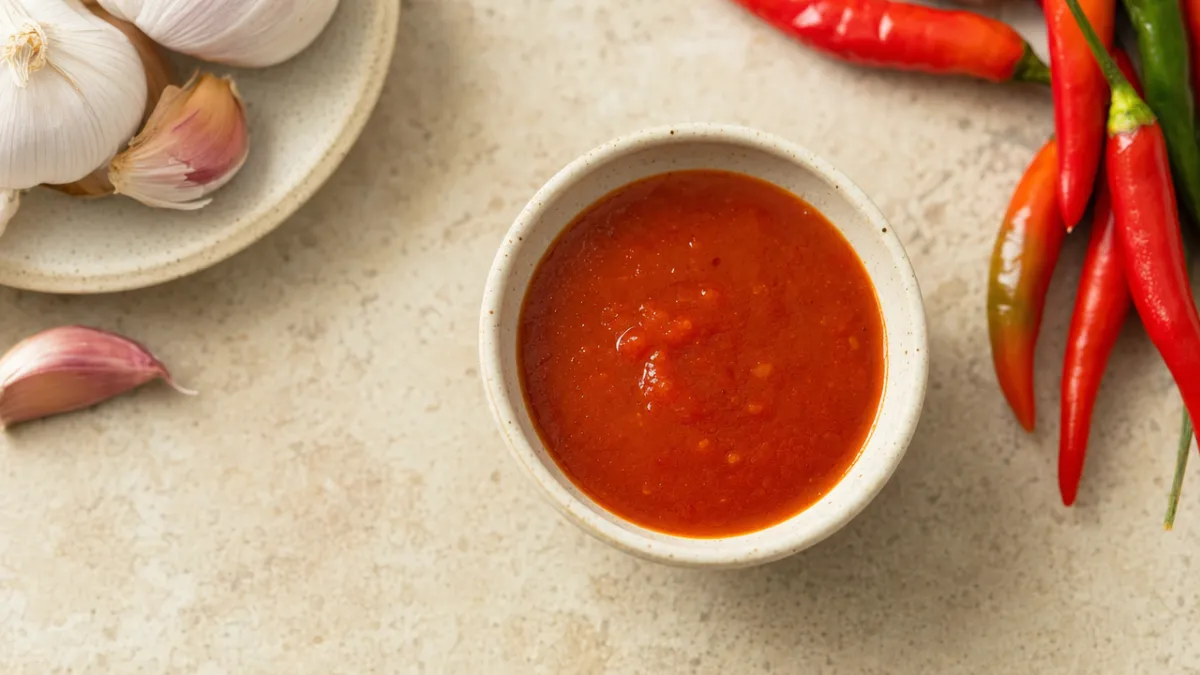
Hot sauce concentrates capsaicin, the same GI-irritating compound found in whole chili peppers, and spicy condiments are commonly grouped with whole spicy dishes as a reported flare trigger. Because it's used in small amounts, some people tolerate a few drops even when they can't tolerate a fully spicy dish, but the underlying mechanism (capsaicin irritating the gut lining) is the same.
During a flare
Many people scale back or skip hot sauce during a flare, though a small amount may be better tolerated than a heavily spiced whole dish.
In remission
Tolerance is individual; some people reintroduce small amounts in remission and adjust based on their own response.
What the research says about hot sauce and UC
Neither source in this entry studies hot sauce as such. Cleveland Clinic includes spicy foods among the things that commonly worsen Crohn's and IBD symptoms, and the reasoning applies to a condiment as much as to a dish: capsaicin activates pain and heat receptors in the gut lining, which for some people translates into cramping and faster transit. Crohn's & Colitis UK's patient leaflet on food lists spicy foods among those people frequently report as aggravating during a flare and recommends a food diary to work out individual patterns rather than blanket avoidance. Both are general IBD guidance, and neither distinguishes a few drops of sauce from a fully spiced meal.
That distinction is the practical question with hot sauce, and the evidence does not settle it. A dash of a vinegar-based sauce delivers a small capsaicin dose spread across a mouthful, while a dish cooked with fresh chilies delivers much more, and the sources' warnings are aimed at the latter. Vinegar and the acidity of tomato- or fruit-based sauces are a separate, milder consideration that neither organization addresses. The honest summary is that hot sauce is commonly reported as a trigger in proportion to how much heat it adds, and that individual tolerance is the deciding factor, which is why the verdict here is caution rather than avoid.
Ways to make it gentler
- Start with a small amount and gauge tolerance
- Choose a milder hot sauce over an extra-hot variety
Safer swaps
- mild salsa
- herb-based sauces
How I handle hot sauce
I keep hot sauce in the house but treat it as a finishing touch, never something I cook with. A few drops on eggs or rice is where I sit when things are calm, and I pick the milder sauces: a jalapeno-based green sauce or a classic vinegar-forward red sauce rather than anything made with habanero or ghost pepper. Reading the heat rating on the label matters more than the brand. During a flare the bottle stays in the fridge door and I get my flavor from lemon, herbs, and a little sweet paprika instead. If a dish comes already sauced, I ask for it plain and add my own so I control the amount. I have also noticed that hot sauce on a fatty meal is a different proposition from hot sauce on plain chicken, so I avoid pairing it with fried food.
How much, and how to test it
Two or three drops of a mild, vinegar-based sauce on a plain food such as scrambled eggs or rice is the right starting point, with nothing else spicy or fatty in the same meal. Over the following day, note any burning during bowel movements, extra urgency, or cramping; those are the capsaicin signals to watch. If it passes, move to a small dash the next week, then a teaspoon. Hotter varieties are a separate test and worth leaving until the mild one is clearly fine. Any bleeding or a clear uptick in trips means putting the bottle away until things are calmer.
What you get from hot sauce
Hot sauce contributes almost nothing nutritionally in the amounts used: a few calories, a little vitamin C from the peppers, and sodium, which is worth noting if you are already losing salt and fluid to diarrhea or if your care team has asked you to limit it. Its role is flavor, which can matter when a bland flare-time diet has made eating feel like a chore, and a small amount on a plate of plain protein and rice may help you finish the meal.
Why this one shows up on trigger lists
Hot Sauce is flagged for 2 of the properties that most commonly cause UC symptoms. Each page explains the mechanism and lists every other food that carries it.
Questions people ask about hot sauce and UC
Does hot sauce make ulcerative colitis worse?
For some people it does, especially during a flare, because capsaicin can irritate the gut lining and speed transit. The amount matters a great deal: a couple of drops of a mild sauce is a very different dose from a dish drowned in it. In remission many people use small amounts without trouble. If you notice burning on the way out or extra urgency after using it, that is a fairly clear signal to cut back.
Is hot sauce a problem for IBS as well as IBD?
Yes, hot sauce is commonly reported as a trigger in IBS too, and for a similar reason: capsaicin stimulates gut nerves, which in a sensitive gut can mean pain and urgency. IBS and IBD are different conditions, one functional and one inflammatory, but both tend to involve a gut that overreacts to strong stimuli. The practical advice is the same in both cases, small amounts, mild varieties, and a diary to track your own response.
Which hot sauce is mildest for colitis?
Sauces built on jalapeno or on mild red chilies with a lot of vinegar tend to be the gentlest, and many popular table sauces fall in this range. Sauces made with habanero, scotch bonnet, ghost pepper, or extract-based heat are the ones to leave alone. Sriracha sits in the middle but adds sugar and garlic. Checking the Scoville rating on the label, when listed, is a quick way to compare.
Does the vinegar in hot sauce irritate the gut?
Vinegar is mildly acidic and can bother some people with reflux or a sensitive stomach, but it is not a commonly reported trigger for colon symptoms in the way capsaicin is. In the small amounts found in a few drops of sauce, the vinegar is unlikely to be the issue. If you react to hot sauce but not to plain vinegar in a salad dressing, the heat is almost certainly the culprit.
Sources
- What Not to Eat If You Have Crohn's Disease (Cleveland Clinic)
- Food (patient information leaflet) (Crohn's & Colitis UK)
Written by Jude Horak, a UC patient. Sources last checked 2026-08-12. Spotted an error? Tell me.