Can I eat ketchup with ulcerative colitis?
By Jude Horak, UC patient. Sources checked 2026-08-12.
Also searched as: catsup.
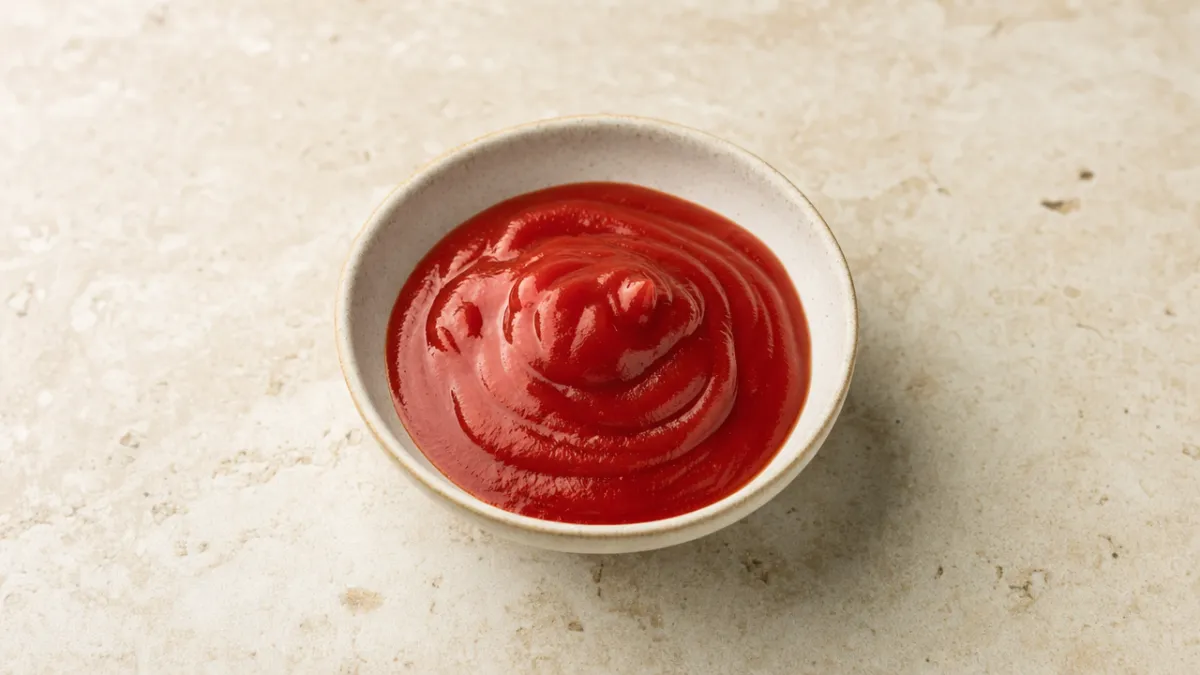
Many commercial ketchups are sweetened with added sugar or high-fructose corn syrup, and animal research has found that high-fructose corn syrup can worsen colitis and drive inflammatory signaling in the colon, through gut-microbiota changes; this mechanistic evidence comes from mouse models rather than human IBD patients. Bottled ketchup can also contain stabilizers such as carrageenan or xanthan gum, additives that mechanistic and limited human studies have linked to gut barrier disruption and, in one small trial, earlier relapse in ulcerative colitis.
During a flare
Some people find that switching to a no-added-sugar ketchup or using it sparingly helps if it seems to worsen symptoms.
In remission
Ketchup in moderation is tolerated by many people in remission; checking the label for added sugar and additive-heavy stabilizers can help with troubleshooting individual sensitivity.
What the research says about ketchup and UC
The evidence here is about ketchup's ingredients rather than ketchup itself. A mouse study on PubMed found that high-fructose corn syrup drove inflammatory activation in macrophages through a reactive oxygen species pathway and made experimental colitis worse, with the researchers pointing to changes in gut bacteria as part of the mechanism. Many mainstream ketchups list high-fructose corn syrup as a leading ingredient, which is why the finding is relevant, but a squeeze of ketchup is a small dose compared with what the mice received, and results in mice do not automatically hold in people with ulcerative colitis.
The second thread concerns stabilizers. A PMC review on carrageenan in inflammatory bowel disease summarized animal and cell research linking this seaweed-derived thickener to gut-barrier disruption and inflammation, along with one small human trial in which people with UC in remission who consumed carrageenan relapsed sooner than those who did not. The reviewers were careful to describe the human data as limited. Carrageenan appears in some ketchups and many other condiments, though not in all brands. Neither source examined tomato acidity, sodium, or the tomato paste itself, and neither offers UC-specific data on ketchup, so the verdict rests on ingredient-level research and the practical fact that label reading removes most of the concern.
Ways to make it gentler
- Choose a no-sugar-added or simple-ingredient ketchup
- Use a smaller amount as a condiment rather than a sauce base
Safer swaps
- fresh tomato salsa
- no-sugar-added ketchup
How I handle ketchup
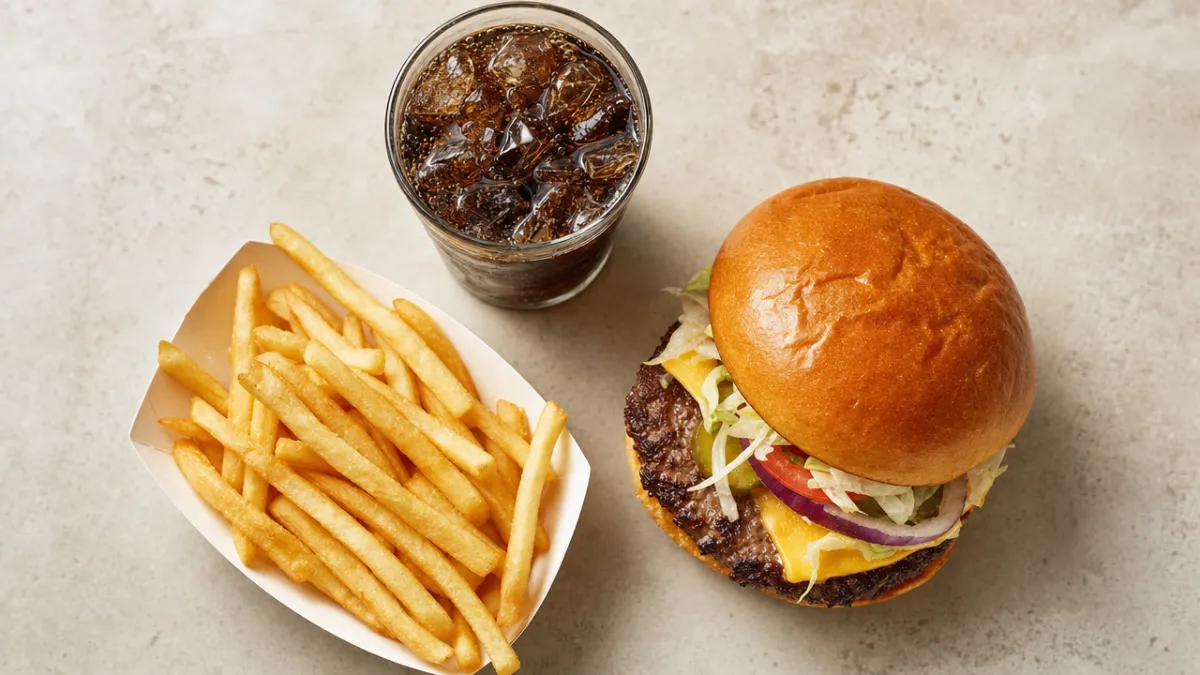
Ketchup is one of those foods where the label does the work for me. I buy a no-sugar-added brand with a short ingredient list, tomatoes, vinegar, salt, and a few spices, and I never think about it again. That took one trip to the store to sort out. I use it the way it is meant to be used, as a small squeeze on the side of a plate rather than as a sauce I cook with or drown fries in, which also keeps the sodium modest. During a flare I still use it on plain chicken or eggs because it makes bland food easier to face, and I have not found that a small amount changes anything for me. What I do avoid is ketchup as part of a bigger problem, meaning the fries and burger it usually comes with, which are the actual issue on that plate.
How much, and how to test it
A teaspoon of ketchup on a plain, already-tolerated food such as scrambled eggs or baked chicken is the natural first test, and most people can begin there even during recovery. Use a version with no added sugar and without carrageenan or gums if you can find one, so you are testing the tomato rather than the additives. Watch for looser stools or bloating over the next day, since fructose in regular ketchup is the likeliest cause of either. If it passes, a tablespoon is a normal serving. If you react, try the plainest brand you can find before ruling ketchup out altogether.
What you get from ketchup
A tablespoon of ketchup brings a small amount of potassium and lycopene from tomato, though far less than a serving of cooked tomato, along with sugar and sodium. Regular ketchup carries about a teaspoon of sugar per tablespoon; no-sugar-added versions drop that to almost nothing. The sodium is worth remembering when diarrhea has you watching fluids, but at condiment quantities it is a minor contributor. Its real value with UC is making plain food more appealing.
Why this one shows up on trigger lists
Ketchup is flagged for 3 of the properties that most commonly cause UC symptoms. Each page explains the mechanism and lists every other food that carries it.
Questions people ask about ketchup and UC
Can I eat ketchup with ulcerative colitis?
For most people, yes, in condiment amounts. A tablespoon on the side is tolerated by many people even during a flare, and in remission it rarely comes up as a trigger on its own. The ingredients worth watching are high-fructose corn syrup, which can loosen stools in larger amounts, and thickeners such as carrageenan or xanthan gum. A no-sugar-added, short-ingredient ketchup sidesteps both concerns.
Is no-sugar-added ketchup better for colitis?
It is the version most people with UC end up choosing. Removing high-fructose corn syrup takes out the ingredient with the most direct research connection to colitis in animal studies, and it also lowers the fructose load that can contribute to loose stools. Check that the brand does not swap in sugar alcohols or sucralose to replace the sweetness, since those bring their own gut effects. Tomato, vinegar, salt, and spices is the ideal list.
Does ketchup contain carrageenan?
Some brands do and many do not, so it is a label question. Carrageenan and xanthan gum are added to some ketchups and to many barbecue and specialty sauces to keep them thick and glossy. The best-known mainstream ketchups typically rely on tomato paste and sugar for thickness and list no gums at all. If you want to avoid it, look at the last few ingredients on the label, which is where stabilizers usually appear.
Is tomato acidity a problem with ulcerative colitis?
Tomato acidity is more of a reflux and stomach issue than a colon issue, and it is not a commonly reported colitis trigger in the sources here. Some people do find that acidic foods sting when the gut is very inflamed, in which case ketchup's vinegar and tomato together may be uncomfortable for a while. In the small amounts used as a condiment, most people notice nothing. If you suspect acidity, plain cooked tomato sauce is a cleaner test.
Sources
- High-fructose corn syrup promotes proinflammatory Macrophage activation via ROS-mediated NF-κB signaling and exacerbates colitis in mice (PubMed)
- The Role of Carrageenan in Inflammatory Bowel Diseases and Allergic Reactions: Where Do We Stand? (PMC (National Library of Medicine))
Written by Jude Horak, a UC patient. Sources last checked 2026-08-12. Spotted an error? Tell me.
Next steps
Related foods