Can I eat ice cream with ulcerative colitis?
By Jude Horak, UC patient. Sources checked 2026-08-12.
Also searched as: frozen dairy dessert.
Have Crohn's instead? Jump to the Crohn's notes
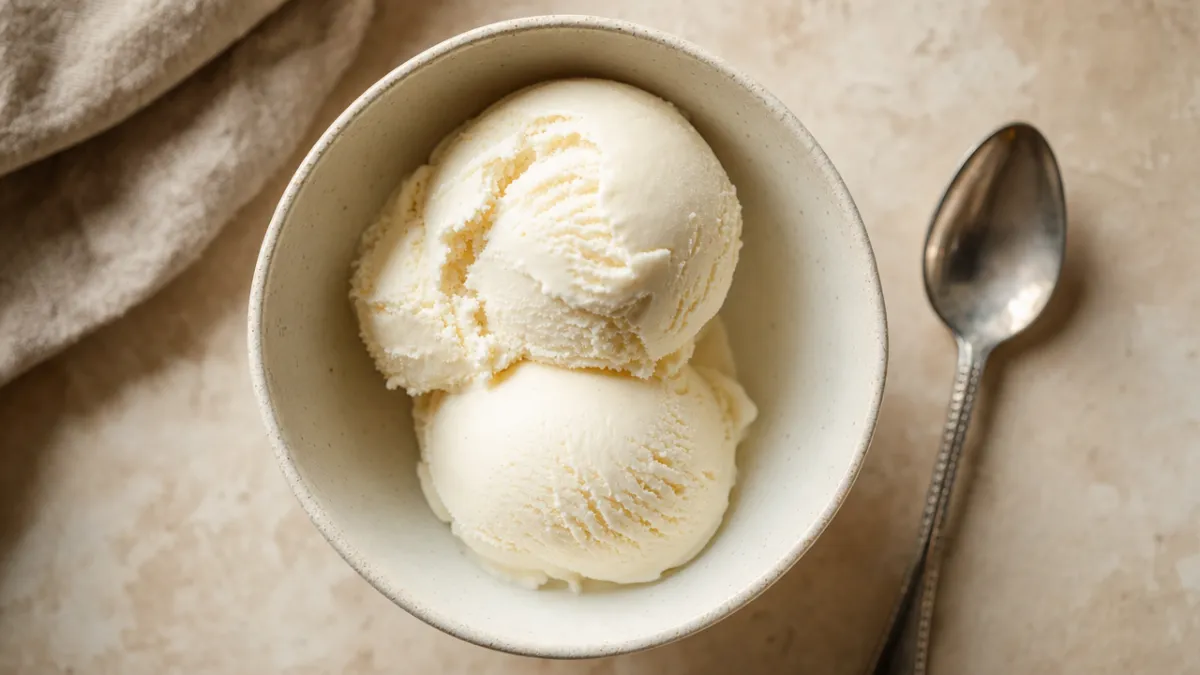
Ice cream combines a high lactose load with significant fat and sugar, a combination that commonly triggers cramping, gas, and diarrhea during active ulcerative colitis, especially in the large majority of patients with some degree of lactose intolerance. Ice cream is also one of the foods that may contain carrageenan, an additive studied for a possible link to IBD inflammation; a small randomized pilot trial in people with inactive ulcerative colitis found no significant difference in symptoms or inflammatory markers with short-term food-grade carrageenan versus placebo, though the study was small and short.
During a flare
Cleveland Clinic lists ice cream among dairy foods worth limiting or cutting during a flare if it worsens diarrhea, gas, or pain.
In remission
Some people reintroduce small amounts in remission without issue; if lactose or fat still causes symptoms, lactose-free or lower-fat frozen desserts are a gentler option.
What the research says about ice cream and UC
Cleveland Clinic's ulcerative colitis diet guidance places ice cream in the group of dairy foods to limit or avoid during a flare when they aggravate diarrhea, gas, or cramping, alongside milk and cream, on the reasoning that lactose intolerance is common in people with IBD and that fat and sugar add to the load. That is practical flare advice rather than a study of ice cream itself. The combination matters: a typical serving delivers lactose from the milk base, a large dose of sugar, and a high fat content all at once, which is more than most single dairy foods ask of a sensitive gut.
The second source addresses a different worry. A randomized, placebo-controlled pilot study published in PMC gave food-grade carrageenan, an emulsifier used in some ice creams, to people with ulcerative colitis in remission and found no significant difference in symptoms or inflammatory markers over the short trial period compared with placebo. The authors were clear that the study was small and brief and could not rule out effects with longer exposure. So the additive question is unresolved rather than answered either way, and the more certain issue with ice cream in UC remains lactose, fat, and sugar in a cold, quickly eaten package.
If you have Crohn's instead of UC
I have UC, not Crohn's, so this part is research rather than experience.
Ice cream is often a harder sell with ileal Crohn's than with UC, and fat is the reason more than sugar. Cleveland Clinic explains that about 95 percent of bile acids are normally reabsorbed in the ileum. When Crohn's damages that section, or surgery removes it, the unabsorbed bile acids travel on to the colon and cause chronic watery diarrhea. Richer food prompts more bile release, which is why a low-fat diet is part of standard care for bile acid malabsorption.
A premium scoop made mostly from cream lands squarely on that weak spot. People with ileal disease or a resection who notice urgency after rich desserts may find a smaller, lower-fat serving sits better. Repeated watery diarrhea after fatty food is worth raising with your gastroenterologist rather than putting down to ice cream alone.
Based on: Cleveland Clinic; National Institutes of Health (PMC), from Alimentary Pharmacology & Therapeutics 2025; American Gastroenterological Association (GI & Hepatology News). More on how Crohn's and UC diets differ.
Ways to make it gentler
- Try small portions rather than large servings
- Look for lactose-free ice cream if regular versions cause symptoms
Safer swaps
- lactose-free ice cream
- sherbet made with lactose-free dairy
- frozen yogurt (if tolerated)
How I handle ice cream
I plan around ice cream rather than reach for it. When I am well I will have a modest scoop after a meal, never on an empty stomach, and I pick the simplest tub I can find: cream, milk, sugar, eggs, flavoring, and not much else. The long ingredient lists with gums, corn syrup, and stabilizers are the ones I set aside, since I cannot tell which part is bothering me if something does. During any stretch of active symptoms I do not touch it, because it combines almost everything my gut dislikes at once. Lactose-free ice cream has been a good middle ground, and a small bowl of it feels like a treat without the guesswork. I also slow down: eating it fast and cold seems to matter, so a small dish eaten over ten minutes is my approach.
How much, and how to test it
Hold off entirely during active symptoms. In remission, start with a small scoop, roughly a quarter cup, after a meal rather than as a snack, and choose a lactose-free or plain vanilla version for the first test. Note gas, cramping, and stool consistency over the next 12 to 24 hours; a reaction usually shows up the same evening or next morning. If that passes, try a regular half-cup serving of the same flavor. Bloating after lactose-free versions points to fat or sugar rather than lactose, in which case a lower-fat frozen yogurt or sorbet may sit better.
What you get from ice cream
Ice cream is mostly fat and sugar with a modest amount of protein and calcium from its milk base, so it does little for the nutrients people with ulcerative colitis tend to run short on. What it does offer is calories in a form that goes down easily, which can be useful for someone struggling to maintain weight in remission. The sugar and fat load are the same reasons it can worsen loose stool during a flare, so its value depends on timing.
Why this one shows up on trigger lists
Ice Cream is flagged for 3 of the properties that most commonly cause UC symptoms. Each page explains the mechanism and lists every other food that carries it.
Questions people ask about ice cream and UC
Can you eat ice cream with ulcerative colitis?
In remission, many people can, in small servings and ideally after a meal. During a flare it is one of the foods most commonly reported to make diarrhea and cramping worse, because it combines lactose, fat, and sugar in one cold serving. Lactose-free ice cream removes the biggest trigger, and sorbet or frozen fruit bars remove dairy entirely for anyone who wants something cold and sweet without testing their tolerance.
Is ice cream easy to digest?
For most healthy adults, reasonably so. For someone with ulcerative colitis, less so, because the lactose is often poorly absorbed, the fat slows stomach emptying, and the sugar can pull water into the bowel. Eating it quickly while very cold adds to the effect for some people. Small portions, eaten slowly after food, are far easier on the gut than a large bowl on its own.
Can you eat ice cream with Crohn's disease?
The same principles apply as in ulcerative colitis, with two twists. Lactose trouble is more likely when Crohn's involves the small intestine, and high-fat foods are often reported as triggers during active disease. The Crohn's section on this page covers why fat can matter more after ileal disease or surgery. Lactose-free and low-fat frozen desserts are the usual starting points for people with either condition.
Does the carrageenan in ice cream cause colitis flares?
The best available evidence is a small pilot trial in people with UC in remission, which found no difference in symptoms or inflammatory markers between food-grade carrageenan and placebo over a short period. That is reassuring but not conclusive, given the size and length of the study. If you prefer to avoid it, ice creams made with just cream, milk, sugar, and eggs are easy to find.
Do emulsifiers in ice cream matter for Crohn's disease?
The research is split and short-term. In the ADDapt trial, presented at the 2025 ECCO Congress and covered by the AGA, 154 people with mild to moderate Crohn's on a low-emulsifier diet were more likely to see symptoms and fecal calprotectin improve over eight weeks. An exploratory Australian trial in 24 adults with active ileal Crohn's found no difference between high- and low-emulsifier diets over four weeks. The ADDapt results come from a conference presentation rather than a full peer-reviewed paper. Picking an ice cream with a short ingredient list is a low-effort option while the evidence settles.
Sources
- The Ulcerative Colitis Diet: What To Eat and Avoid (Cleveland Clinic)
- Randomized controlled pilot study: effect of carrageenan emulsifier on inflammation and gastrointestinal symptoms in quiescent ulcerative colitis (PMC (National Library of Medicine))
- Bile Acid Malabsorption (Cleveland Clinic)
- Clinical Trial: The Effects of Emulsifiers in the Food Supply on Disease Activity in Crohn's Disease: An Exploratory Double-Blinded Randomised Feeding Trial (National Institutes of Health (PMC), from Alimentary Pharmacology & Therapeutics 2025)
- New Crohn's data spotlight promising therapies (American Gastroenterological Association (GI & Hepatology News))
Written by Jude Horak, a UC patient. Sources last checked 2026-08-12. Spotted an error? Tell me.