Can I drink kefir with ulcerative colitis?
By Jude Horak, UC patient. Sources checked 2026-08-12.
Also searched as: cultured milk drink.
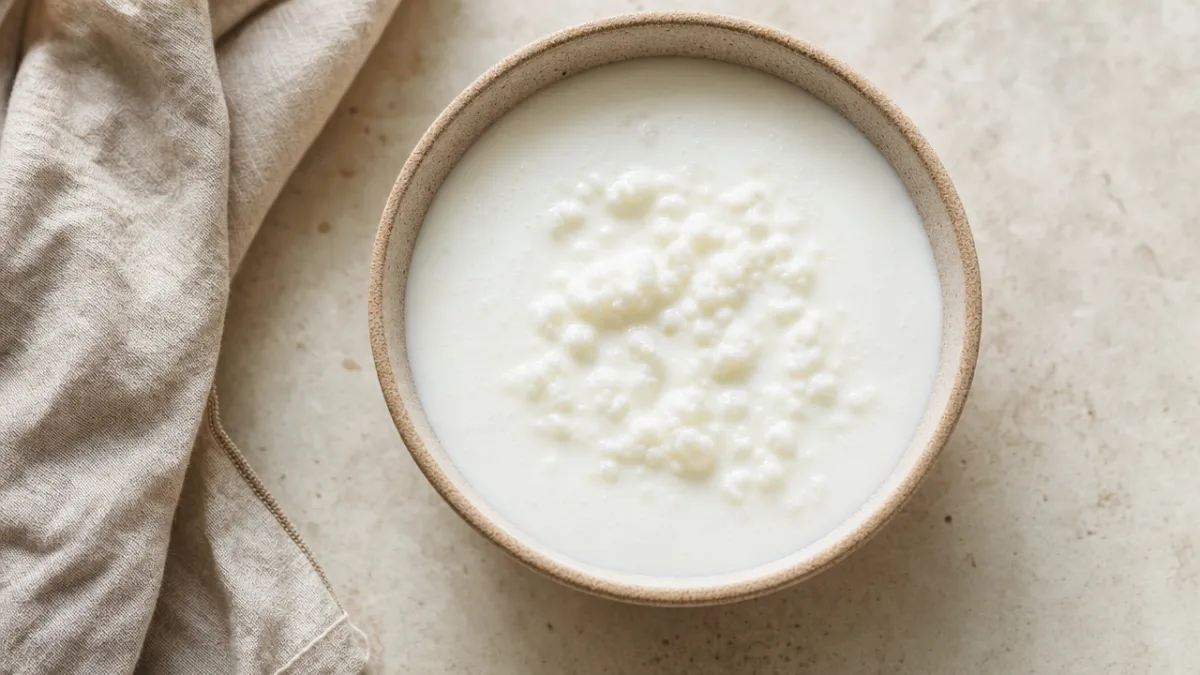
Kefir is a fermented milk drink whose bacteria and yeast cultures partially break down lactose during fermentation, which can make it easier to tolerate than plain milk. Lab research on kefir-derived Lactobacillus kefiri found it reduced release of inflammatory markers (IL-6, IL-8) from inflamed IBD tissue samples and dampened pro-inflammatory T-cell activity in cells taken from IBD patients, suggesting a plausible immune-modulating mechanism, though this is early-stage lab evidence rather than a clinical trial showing kefir improves disease outcomes.
During a flare
Some people tolerate kefir better than milk during a flare because of its lower effective lactose and probiotic content, but it's still a dairy product, so introduce cautiously if dairy generally bothers you.
In remission
A reasonable fermented dairy option to try in remission for its lower lactose load and potential gut-microbiome benefits.
What the research says about kefir and UC
The most specific source for kefir is a PMC laboratory study that isolated Lactobacillus strains from kefir grains and tested them on immune cells taken from the gut lining of people with active inflammatory bowel disease. The strains reduced production of inflammatory signals such as IL-6 and IL-8 from inflamed tissue and dampened the activity of pro-inflammatory T cells in those samples. It is worth being clear about what that is: cells in a dish, not people drinking kefir, and the study did not test kefir as a beverage or measure symptoms or disease activity in anyone.
Mayo Clinic's guidance on managing ulcerative colitis flare-ups covers diet in general terms, including keeping track of foods that seem to set off symptoms and limiting dairy if lactose appears to be a problem. Kefir is not mentioned by name, so its flare rating here is extrapolated from the lactose logic applied to fermented dairy. The fermentation process leaves kefir with less lactose than milk, and many people who react to milk report tolerating it. Whether the live cultures do anything for ulcerative colitis in humans is an open question that the available evidence cannot yet answer.
Ways to make it gentler
- Start with a small serving to test tolerance
- Choose plain, unsweetened kefir
Safer swaps
- lactose-free kefir
- yogurt
How I handle kefir
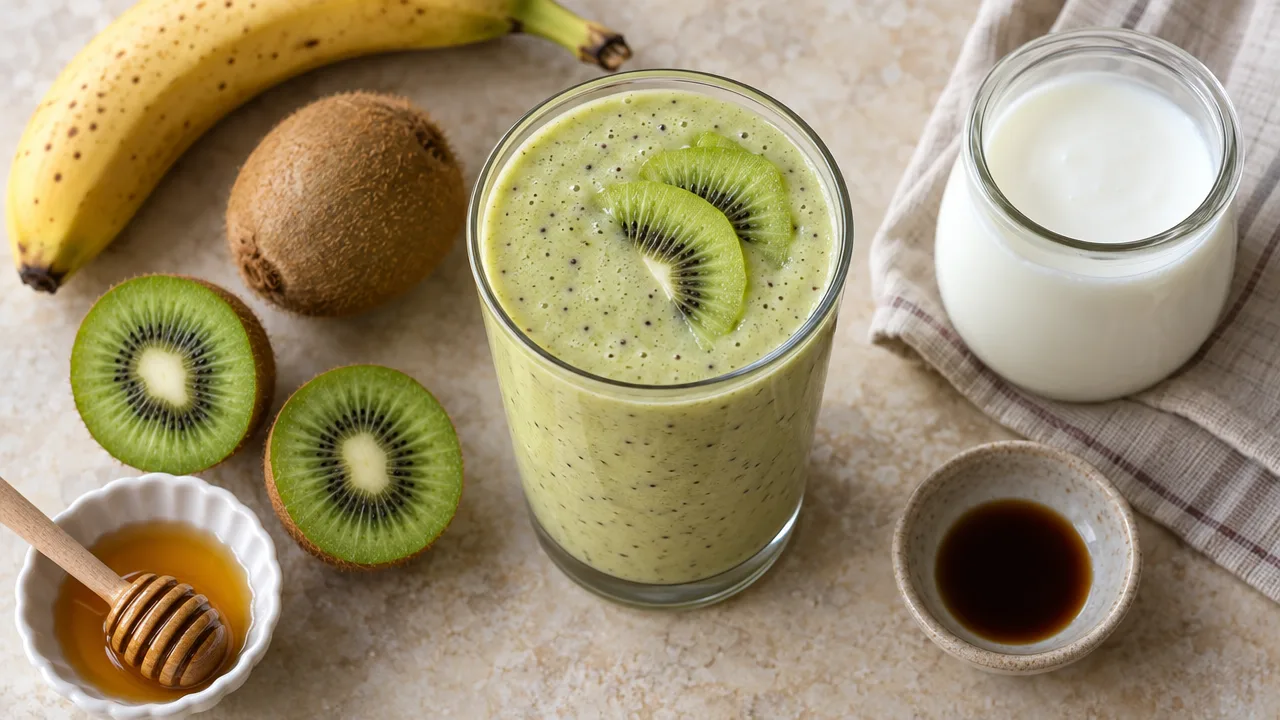
Kefir came into my routine as a milk replacement in smoothies, and it has stayed there because it is the fermented dairy I find easiest to drink in small amounts. My approach is a splash, not a glass: a quarter cup blended with banana and a spoon of nut butter gives me the tang and the cultures without a lactose load I would notice. I buy plain, unsweetened, and full-fat, and I avoid the flavored bottles because the sugar and fruit puree in them muddy the picture. It also does the same job as lactose-free milk in most recipes, so I rotate between the two depending on what is open. On cautious days I skip it in favor of yogurt, which for me sits slightly better in the moment, and come back to kefir once the stretch has passed.
How much, and how to test it
Start with a quarter cup of plain kefir with a meal, not a full glass, since a bottle typically suggests a cup as a serving and that is a lot of fermented milk for a first try. Note bloating, gas, and gurgling over the next several hours, and stool changes over the next day or two. If a quarter cup passes without incident for a few days, move up in quarter-cup steps. Some people notice looser stool when they first add kefir; if that does not settle after a week at a small serving, pause and revisit later rather than pushing through.
What you get from kefir
Nutritionally kefir tracks milk closely: about 8 to 9 grams of protein, around 300 milligrams of calcium, and potassium per cup, plus vitamin D when fortified. It adds a broad mix of bacteria and yeasts that yogurt does not have, though the amount that survives digestion varies by product. For someone with ulcerative colitis, the calcium and protein are the dependable benefits, especially after steroid treatment, while any effect of the cultures remains unproven.
Why this one shows up on trigger lists
Kefir is flagged for one of the properties that most commonly cause UC symptoms. Each page explains the mechanism and lists every other food that carries it.
Questions people ask about kefir and UC
Is kefir good for ulcerative colitis?
It is a reasonable fermented dairy to try, particularly for people who react to milk but manage yogurt, because fermentation reduces the lactose and the drink is easy to portion. The research cited on this page is a laboratory study on immune cells rather than a trial in patients, so any anti-inflammatory benefit is a hypothesis, not an established effect. Its dependable contribution is protein and calcium in a drinkable form.
Is kefir ok for Crohn's disease?
The same considerations apply as in ulcerative colitis: lower lactose than milk, live cultures with early laboratory evidence of immune effects in IBD tissue, and no clinical trial showing it changes disease activity. Lactose intolerance can be more pronounced in Crohn's when the small intestine is affected, so starting with a very small serving is sensible. The sources here were not Crohn's-specific.
Is kefir better than yogurt for colitis?
They are close cousins. Kefir usually has a wider mix of bacterial strains plus yeasts, is thinner and drinkable, and is often slightly lower in lactose because fermentation runs longer. Yogurt is thicker, easier to eat in small spoonfuls, and better studied in the IBD literature, where it showed a consistent association with benefit. Neither is clearly superior for ulcerative colitis, so tolerance and preference decide.
Can I make kefir at home if I have ulcerative colitis?
Home fermentation with grains is common and produces a stronger, more sour drink with a less predictable culture mix than commercial kefir. That variability makes it harder to test tolerance, and anyone on immune-suppressing treatment may want to ask their care team about home-fermented foods first. Starting with a plain store-bought kefir gives you a consistent product to learn from. If you later move to homemade, keep batches short and servings small at first.
Recipes that use kefir
Sources
- Probiotic Lactobacilli Isolated from Kefir Promote Down-Regulation of Inflammatory Lamina Propria T Cells from Patients with Active IBD (PMC (National Library of Medicine))
- Ulcerative colitis flare-ups: 5 tips to manage them (Mayo Clinic)
Written by Jude Horak, a UC patient. Sources last checked 2026-08-12. Spotted an error? Tell me.