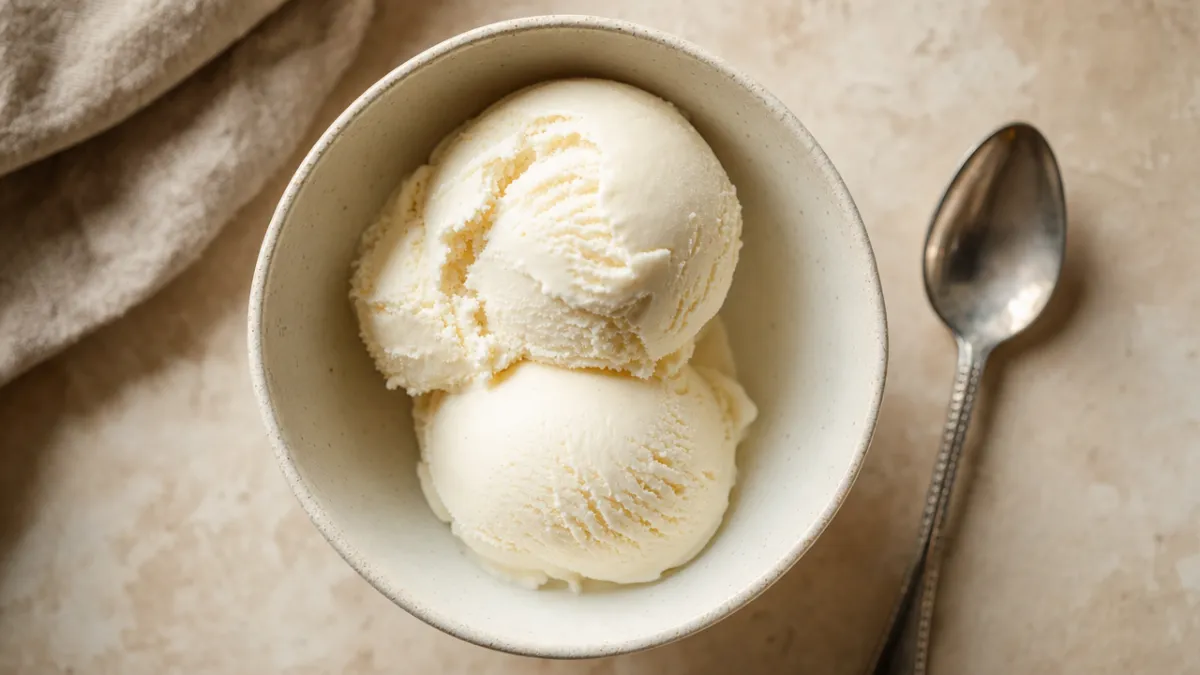
Can I eat cheese with ulcerative colitis?
By Jude Horak, UC patient. Sources checked 2026-08-12.
Also searched as: hard cheese, cheddar.
Have Crohn's instead? Jump to the Crohn's notes
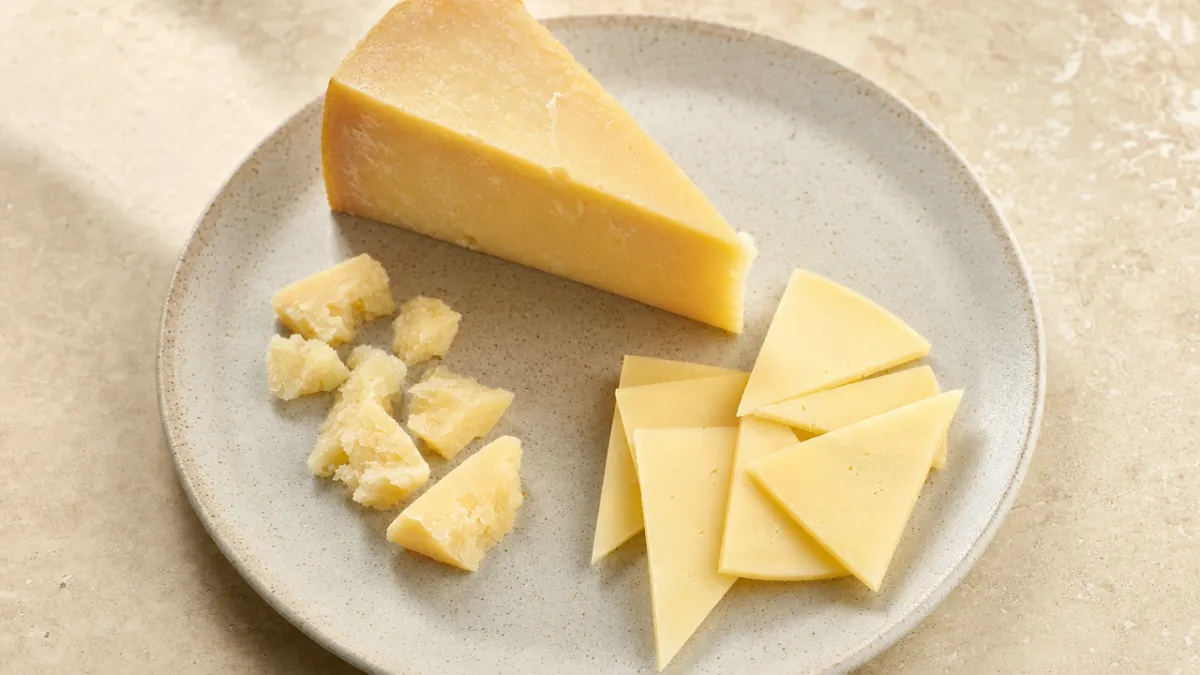
Lactose content varies a lot by cheese type: aged, hard cheeses like cheddar and parmesan lose most of their lactose during fermentation and are naturally low-lactose, while soft, fresh cheeses retain more. A systematic review found no strong evidence dairy itself worsens IBD activity, so tolerance issues with cheese usually trace back to lactose amount or fat content rather than the disease process. High-fat cheeses can be harder to digest for some people during active symptoms.
During a flare
During a flare, hard aged cheeses in small amounts are more likely to be tolerated than soft or cream cheeses; back off if fatty or high-lactose cheese worsens symptoms.
In remission
Most people can reintroduce a variety of cheeses in remission; hard, aged cheeses are a reasonable starting point if you're testing dairy tolerance.
What the research says about cheese and UC
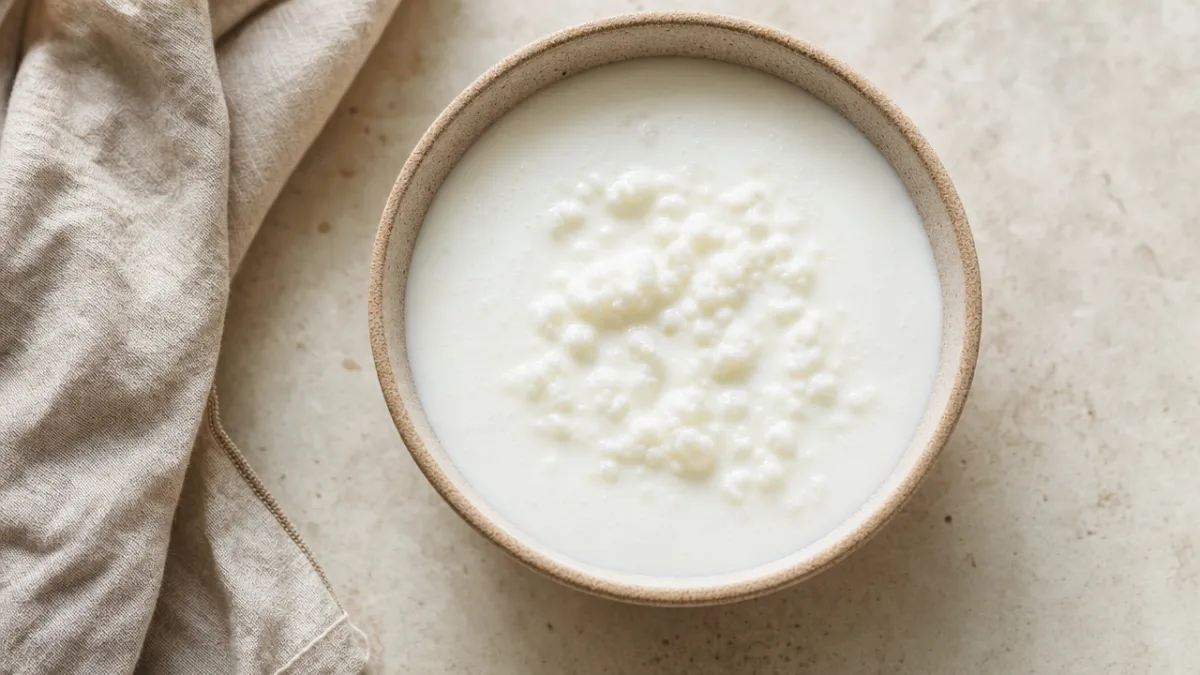
Monash FODMAP's lactose and dairy guide gives the most product-specific detail available for cheese: hard and aged varieties such as cheddar, parmesan, Swiss, and aged gouda contain almost no lactose, because the sugar drains off with the whey and bacteria consume what remains during ripening, so they are classed as low FODMAP in normal serving sizes. Softer, fresher cheeses keep more of the whey and therefore more lactose, with ricotta and cream cheese sitting toward the higher end. This ranking is about lactose, not about ulcerative colitis, but it explains why two cheeses can produce very different results in the same person.
The PMC systematic review on milk and dairy in inflammatory bowel disease did not analyze cheese separately from other dairy in most of the studies it pooled, and it found no consistent signal that dairy worsens disease course on objective measures. So the evidence for cheese in UC is general dairy evidence plus lactose chemistry, not a cheese trial. The high-fat caution here comes from the same review's observation that patients commonly report fatty foods as triggers, which is self-reported rather than measured. Processed cheese products with added emulsifiers are not covered by either source.
If you have Crohn's instead of UC
I have UC, not Crohn's, so this part is research rather than experience.
Cheese usually stays on the menu with Crohn's, but which cheese matters more when the small bowel is involved. A 2016 meta-analysis in Nutrition Journal tied the extra lactose maldigestion seen in IBD to Crohn's with small bowel involvement, and that is exactly where the lactose gap between cheeses starts to count. Cleveland Clinic names Swiss, feta, Parmesan and cheddar as low-lactose cheeses that are typically well tolerated during a flare, alongside lactose-free options.
For someone with ileal Crohn's who reacts to a glass of milk, those aged cheeses are often the most practical way to hold on to dairy protein and calcium without much of the sugar that ferments. Ricotta, cream cheese and rich cheese sauces make better later tests than first ones, and a small portion tells you more than a cheese-heavy meal.
Based on: National Institutes of Health (PMC), from Nutrition Journal 2016; Cleveland Clinic; National Institutes of Health (PMC), from Clinical Gastroenterology and Hepatology 2022. More on how Crohn's and UC diets differ.
Ways to make it gentler
- Favor aged, hard cheeses (cheddar, parmesan, Swiss) over soft or fresh ones
- Keep portions moderate given fat content
Safer swaps
- lactose-free cheese
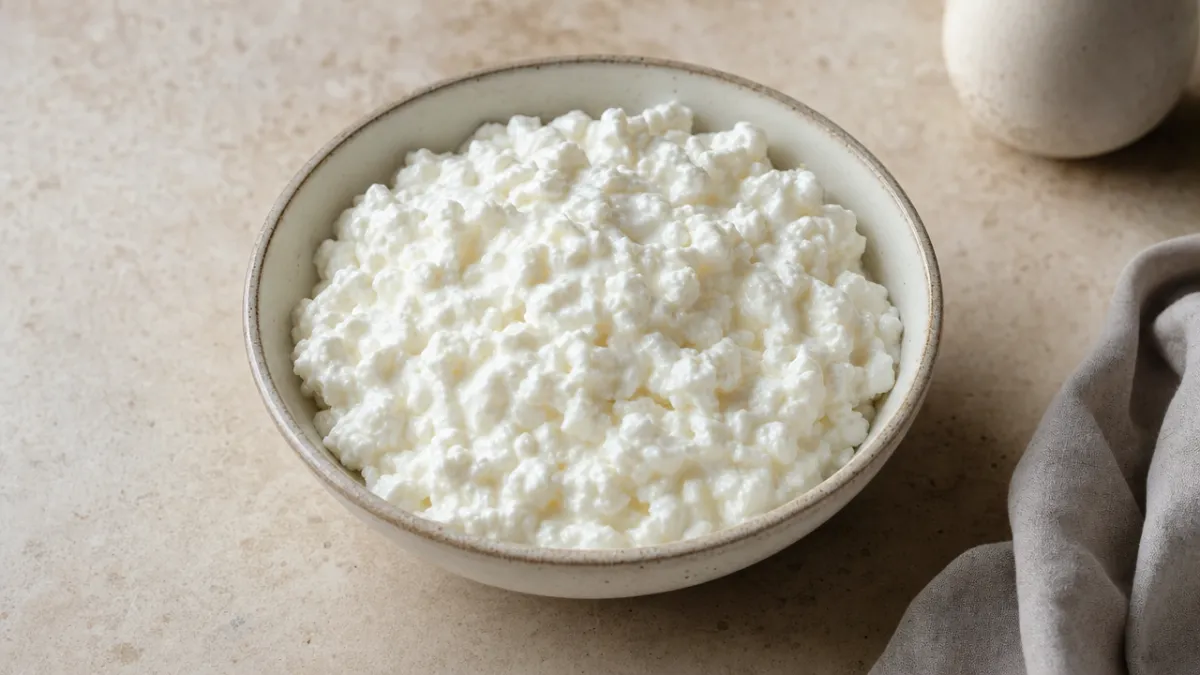
- cottage cheese in small servings
How I handle cheese
Cheese taught me that dairy is not one thing. A slice of aged cheddar and a scoop of ricotta behave very differently for me, and once I understood the lactose gradient that made sense. My working rule is that anything aged for months is fair game in modest amounts, even when I am not at my best, while fresh, spreadable cheeses wait for calmer weeks. I also watch the total, because cheese is easy to overeat: a few cubes on crackers becomes half a block without noticing, and the fat load adds up. Melted cheese on top of something bland like rice or eggs is my go-to way to add calories and protein when appetite is low. I skip heavily processed cheese slices during flares because the ingredient lists are long and I cannot tell what is doing what.
How much, and how to test it
An ounce of hard cheese, about the size of a pair of dice, is a sensible first test, eaten with a plain carbohydrate rather than alone. Stick to one variety for the first few tries so you can attribute any reaction to it. If aged cheddar or parmesan goes well over two or three days, try a fresher cheese such as mozzarella next, then a soft cheese last. Gas or cramping that appears mainly after the softer cheeses points at lactose; symptoms after every cheese regardless of type suggest fat or portion size, and smaller servings usually help.
What you get from cheese
Cheese is one of the densest sources of calcium and protein per bite, with an ounce of cheddar giving around 200 milligrams of calcium and 7 grams of protein. That density is useful when a flare shrinks appetite, and calcium intake becomes more important during and after steroid treatment because of the effect on bone. The tradeoff is saturated fat and sodium, so cheese works best as an add-on to a meal rather than the bulk of it.
Why this one shows up on trigger lists
Cheese is flagged for 2 of the properties that most commonly cause UC symptoms. Each page explains the mechanism and lists every other food that carries it.
Questions people ask about cheese and UC
Can you eat cheese with ulcerative colitis?
Many people with UC eat cheese regularly without trouble, and the pooled research on dairy does not show it worsening the disease. The two things that decide how it goes are how much lactose the particular cheese carries and how much fat you eat in one sitting. Aged, hard cheese in modest amounts tends to be the easiest starting point.
Which cheese is best for ulcerative colitis?
Aged hard cheeses top most lists: parmesan, aged cheddar, Swiss, and gouda have had nearly all their lactose removed during ripening, so they are commonly tolerated even by people who react to milk. Mozzarella is a reasonable middle option. Cream cheese, ricotta, and processed cheese spreads retain more lactose and, in the case of processed products, more additives, so they are usually the last to reintroduce.
Is melted cheese harder to digest than cold cheese?
Melting does not change the lactose or fat content, so the cheese itself is no harder to digest. What changes is context: melted cheese usually comes on pizza, in casseroles, or with fried foods, so the whole meal is heavier and greasier. If pizza bothers you but a slice of cheddar does not, the crust, sauce, and grease are more likely explanations than the cheese.
Does cheese cause constipation or diarrhea with colitis?
Both get reported. Lactose in soft cheeses can loosen stool by pulling water into the colon and feeding gas-producing bacteria. Large amounts of any cheese, being low in fiber and high in fat, are sometimes blamed for slowing things down in people whose colitis is limited to the rectum and who already struggle with constipation. Neither effect is universal, which is why tracking your own response to specific cheeses is more useful than a general rule.
Can you eat processed cheese with Crohn's disease?
Nothing in the cited research shows a single slice setting off a flare, but ultra-processed cheese does turn up in Crohn's research. A 2022 study following 245,112 US health professionals linked the highest intake of ultra-processed food to higher Crohn's risk, with ultra-processed sauces, cheeses, spreads and gravies among the strongest associations. The same study found no consistent link between ultra-processed food and UC. It measured the risk of developing Crohn's, not symptoms after diagnosis, and it shows association only, so it is a nudge toward real cheese rather than a rule.
Recipes that use cheese
Sources
- Lactose and dairy products on a low FODMAP diet (Monash FODMAP)
- Effects of Milk and Dairy on the Risk and Course of Inflammatory Bowel Disease versus Patients' Dietary Beliefs and Practices: A Systematic Review (PMC (National Library of Medicine))
- Systematic review and meta-analysis of lactose digestion, its impact on intolerance and nutritional effects of dairy food restriction in inflammatory bowel diseases (National Institutes of Health (PMC), from Nutrition Journal 2016)
- A Nutritional Plan for Anyone Living With Crohn's Disease or Ulcerative Colitis (Cleveland Clinic)
- Ultra-processed foods and risk of Crohn's disease and ulcerative colitis: a prospective cohort study (National Institutes of Health (PMC), from Clinical Gastroenterology and Hepatology 2022)
Written by Jude Horak, a UC patient. Sources last checked 2026-08-12. Spotted an error? Tell me.