Can I eat mayonnaise with ulcerative colitis?
By Jude Horak, UC patient. Sources checked 2026-08-12.
Also searched as: mayo.
Have Crohn's instead? Jump to the Crohn's notes
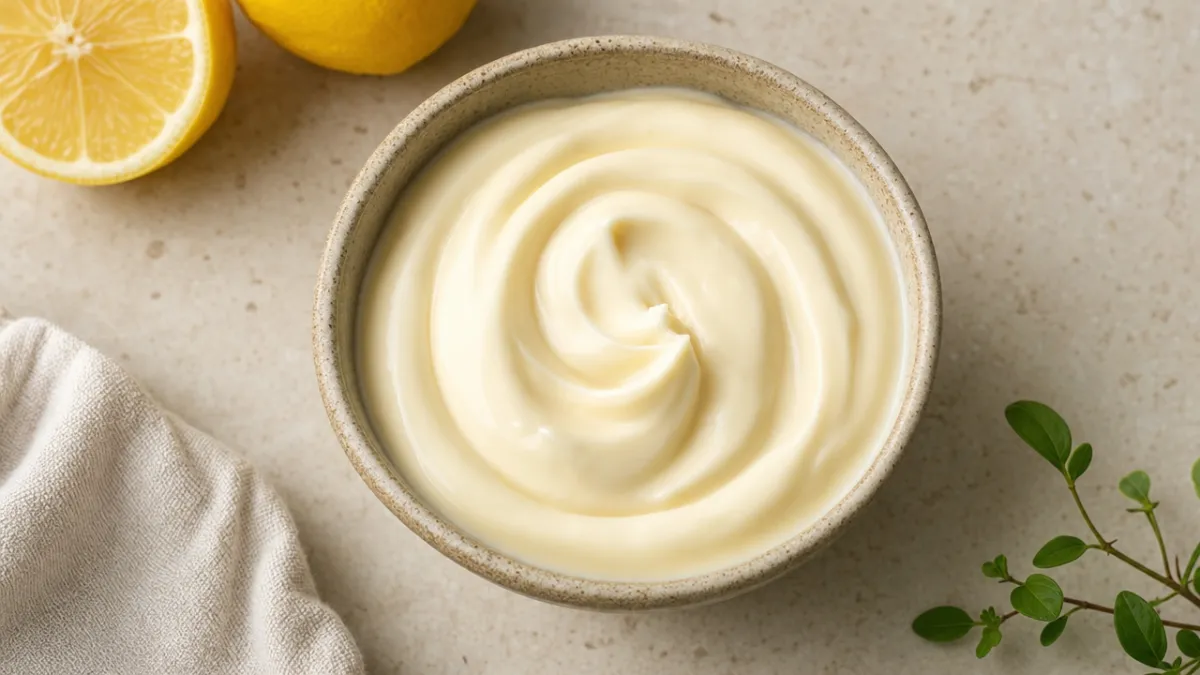
Mayonnaise is essentially an emulsified fat (oil and egg yolk), and being high in fat, it may trigger ulcerative colitis symptoms in some people, in the same way other high-fat sauces and dressings are commonly reported triggers. Commercial mayonnaise often includes additional emulsifying or stabilizing additives beyond egg yolk lecithin; lab and animal research has linked some dietary emulsifiers to changes in gut microbiota, increased intestinal permeability, and inflammatory pathway activation, though this evidence is largely preclinical.
During a flare
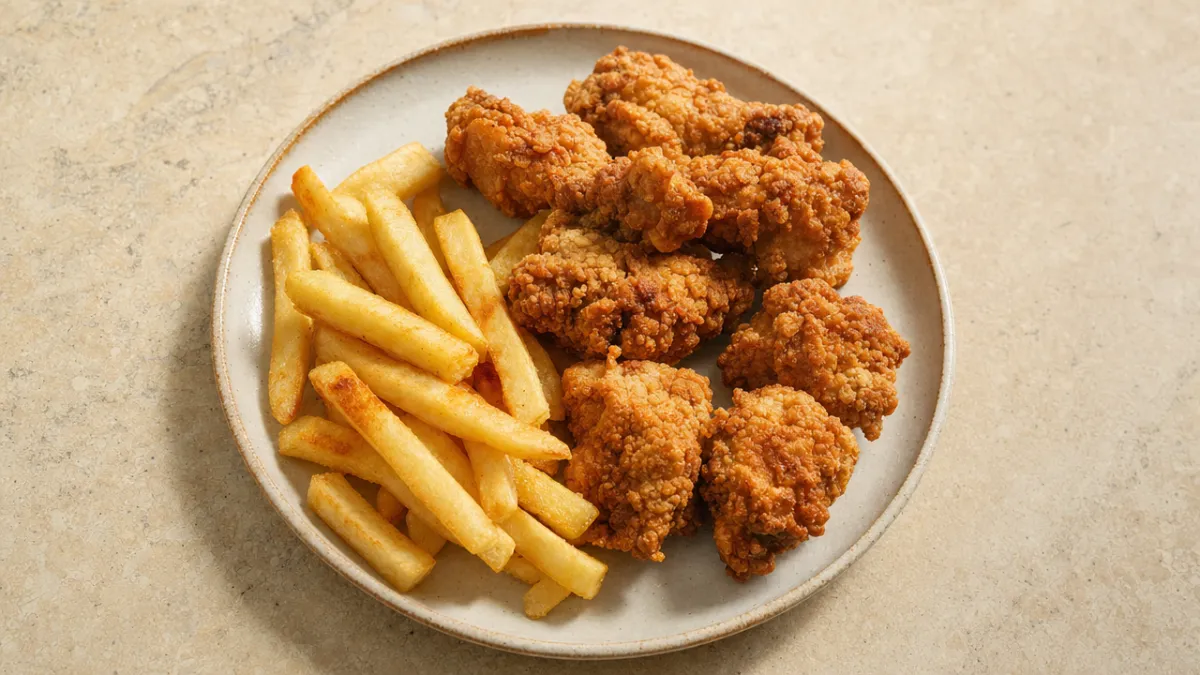
Mayo-heavy dishes (creamy salads, sandwiches, dipping sauces) are commonly cut back on during a flare because of their fat load.
In remission
Small amounts of mayonnaise are tolerated by many people in remission; those sensitive to fat or additives may prefer a lighter spread.
What the research says about mayonnaise and UC
Cleveland Clinic's guidance on foods that tend to worsen Crohn's and IBD symptoms groups mayonnaise with other high-fat sauces and dressings, and the reasoning is the same one it gives for fried food: a large fat load that the small intestine does not fully absorb can end up in the colon, where it loosens stools and adds cramping. Mayonnaise is roughly three-quarters oil by weight, so even a modest smear is a concentrated fat source. This is general IBD advice rather than a study of mayonnaise, and it does not distinguish a thin layer on a sandwich from the heavy coating in a creamy salad.
The additive question has more specific, though still preclinical, research behind it. A review in the Journal of Crohn's and Colitis indexed on PubMed summarized evidence that certain dietary emulsifiers, notably carboxymethylcellulose and polysorbate 80, altered gut microbiota, thinned the protective mucus layer, and increased intestinal permeability and inflammation in animal models. Egg yolk lecithin, the emulsifier in traditional mayonnaise, was not the focus of that work; the concern applies more to commercial low-fat or long-shelf-life versions that use added gums and synthetic emulsifiers. Neither source tested mayonnaise in people with ulcerative colitis, so the verdict here rests on fat physiology plus an additive signal from animal studies.
If you have Crohn's instead of UC
I have UC, not Crohn's, so this part is research rather than experience.
Mayonnaise deserves more thought with Crohn's if a long stretch of ileum is diseased or has been removed, because it is close to pure fat. A 2014 review of bile acid diarrhea summarizes classic studies in which ileal disease or resection under about 100 cm mainly caused bile acid diarrhea, while involvement beyond that led to fatty stools, known as steatorrhea, as the body ran short of bile acids to digest fat. Those thresholds come from 1970s research, so treat them as a rough guide.
A thin scrape on a sandwich is a small amount of fat. A mayo-bound potato salad, coleslaw, or a side of aioli can quietly add several tablespoons, the kind of meal where fat malabsorption tends to show. If your team has mentioned bile acids or fatty stools, counting mayo-based sides as a fat source rather than a condiment is a practical step.
Based on: National Institutes of Health (PMC), from Expert Review of Gastroenterology & Hepatology 2014; National Institutes of Health (PMC), from Alimentary Pharmacology & Therapeutics 2025; American Gastroenterological Association (GI & Hepatology News). More on how Crohn's and UC diets differ.
Ways to make it gentler
- Use a thin layer instead of a heavy coating
- Try a lighter or olive-oil-based mayo
Safer swaps
- mashed avocado
- plain yogurt-based spread
- mustard
How I handle mayonnaise
Mayo turned out to be an easy one for me to manage because the fix is mostly about quantity. A thin scrape on a sandwich, the kind you can barely see, is where I sit and it has never seemed to matter. What I avoid is mayo as the bulk of a dish: potato salad, coleslaw, tuna salad made with half a jar, chicken salad, and the aioli that comes with fries. Those are where a few hundred calories of oil arrive in one go. I buy a plain mayonnaise with oil, egg, vinegar, and salt on the label rather than a light version, which paradoxically has more additives to replace the missing fat. Mashed avocado, mustard, or Greek yogurt covers most of what I used mayo for, and during a flare I just leave it off entirely. Homemade mayo is a nice option when I have the time, since I know exactly what went in.
How much, and how to test it
A teaspoon spread thinly on a sandwich made from foods you already tolerate is the sensible first test, ideally a plain-ingredient mayonnaise rather than a light or flavored one. Keep the rest of that meal low in fat so the mayo is the only fat variable. Over the next day, look for greasy or loose stools and evening cramping. If the teaspoon passes, try a tablespoon the following week, which is roughly what a creamy salad serving contains. Mayo-based salads are a separate, heavier test to save for last. Back off if any fat-type reaction appears and revisit when things are calm.
What you get from mayonnaise
Mayonnaise is almost entirely fat, which makes it calorie-dense at about 90 calories per tablespoon. That can be a small advantage when weight is falling during active disease and you need calories in a form that is easy to eat, but the same fat is what the gut struggles with when inflamed. It offers little protein, vitamins, or minerals. Olive oil-based versions shift the fat toward monounsaturated types, though the total fat is unchanged.
Why this one shows up on trigger lists
Mayonnaise is flagged for 2 of the properties that most commonly cause UC symptoms. Each page explains the mechanism and lists every other food that carries it.
Questions people ask about mayonnaise and UC
Can I eat mayonnaise with ulcerative colitis?
A thin layer is tolerated by many people with UC in remission, and it is more the mayo-heavy dishes, such as creamy salads and dipping sauces, that commonly cause trouble. During a flare most people skip it because concentrated fat is one of the most consistently reported problems. Choosing a plain-ingredient mayonnaise and keeping it to a teaspoon or so is the usual middle ground.
Is homemade mayo better for colitis?
In one respect, yes: homemade mayonnaise contains only oil, egg yolk, acid, and salt, so the added gums and synthetic emulsifiers that some research links to gut effects are absent. The fat content is the same or higher than store-bought, though, so it does nothing for the fat concern. Homemade mayo also uses raw egg, which is a food-safety question worth raising with your care team if you are on immune-modulating therapy.
Why does mayo give me diarrhea with colitis?
The likeliest reason is simple fat overload. Mayonnaise is a concentrated oil emulsion, and a generous serving in a creamy salad can deliver more fat than an inflamed gut absorbs, so the rest passes to the colon and loosens stools. If small amounts are fine and only large or repeated servings bother you, that pattern fits. If even a thin layer reacts, the specific product's additives or an egg sensitivity are worth considering.
What can I use instead of mayo with colitis?
Mashed ripe avocado gives a similar creaminess with less fat per serving and some potassium, though it is still a fat source. Plain Greek yogurt or lactose-free yogurt works well in tuna or chicken salad if dairy suits you. Mustard, hummus in small amounts, or a drizzle of olive oil and lemon cover sandwiches and dressings. For dipping, a yogurt-based sauce with herbs is usually gentler than aioli.
Is light mayo better for Crohn's disease?
It is a trade-off. Light mayo trims fat, which matters more after ileal surgery, but it often replaces that fat with starches, gums, and added emulsifiers, and emulsifiers are an open question in Crohn's. A 24-person Australian feeding trial found no effect of emulsifier content on disease activity over four weeks, while the larger ADDapt trial, so far reported only at a conference, linked a low-emulsifier diet to better symptoms. If fat is the clearer problem for you, the lighter version is a reasonable pick.
Sources
- What Not to Eat If You Have Crohn's Disease (Cleveland Clinic)
- Food Additive Emulsifiers and Their Impact on Gut Microbiome, Permeability, and Inflammation: Mechanistic Insights in Inflammatory Bowel Disease (PubMed (Journal of Crohn's and Colitis))
- Advances in understanding of bile acid diarrhea (National Institutes of Health (PMC), from Expert Review of Gastroenterology & Hepatology 2014)
- Clinical Trial: The Effects of Emulsifiers in the Food Supply on Disease Activity in Crohn's Disease: An Exploratory Double-Blinded Randomised Feeding Trial (National Institutes of Health (PMC), from Alimentary Pharmacology & Therapeutics 2025)
- New Crohn's data spotlight promising therapies (American Gastroenterological Association (GI & Hepatology News))
Written by Jude Horak, a UC patient. Sources last checked 2026-08-12. Spotted an error? Tell me.
Next steps
Related foods