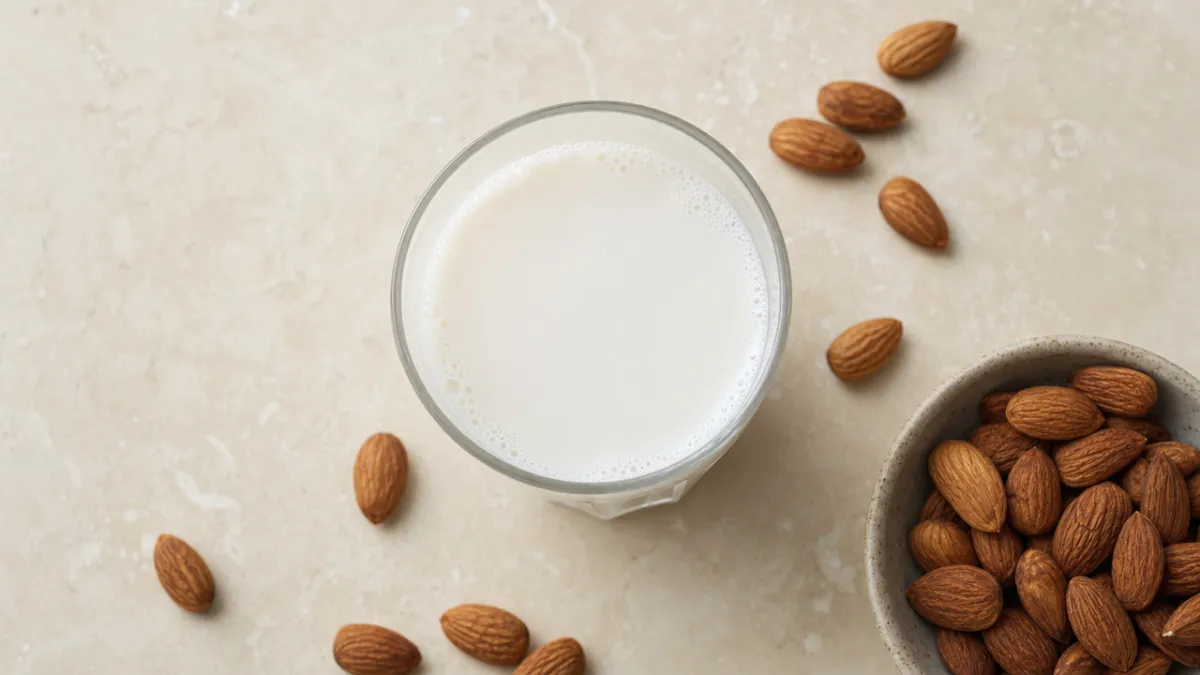
Can I drink milk with ulcerative colitis?
By Jude Horak, UC patient. Sources checked 2026-08-12.
Also searched as: cow's milk, whole milk, skim milk.
Have Crohn's instead? Jump to the Crohn's notes
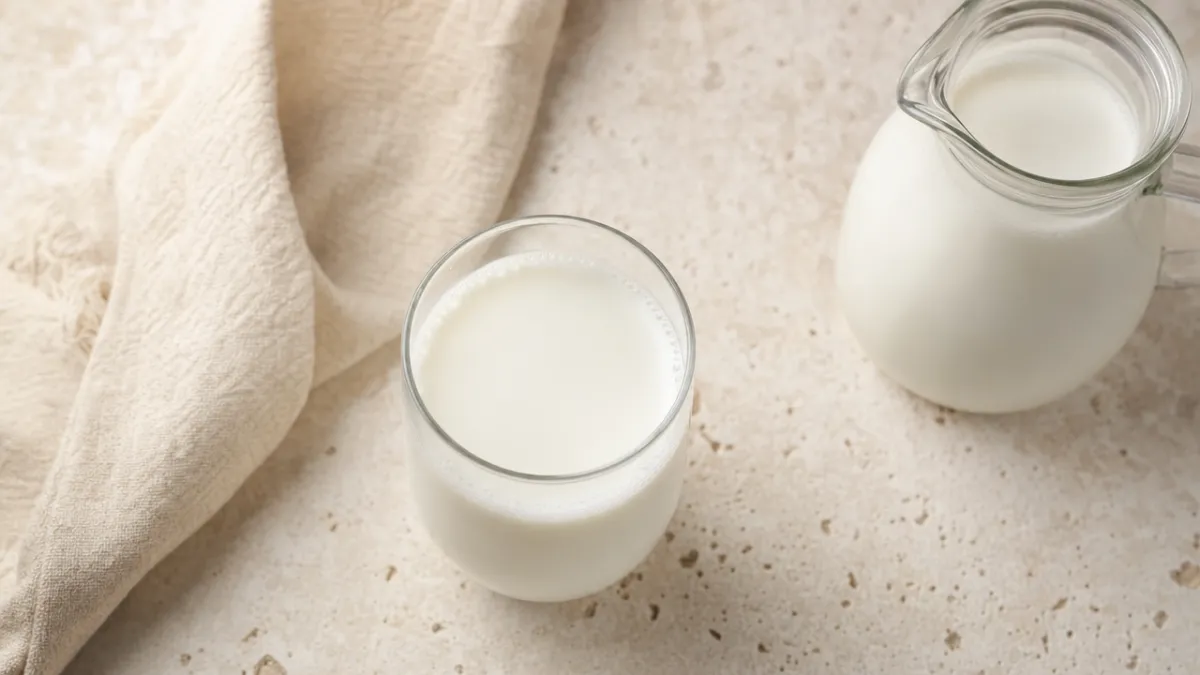
Milk is high in lactose, and one small study in the cited systematic review found lactose digestion impaired in 46% of the 39 UC patients it tested, so symptoms after drinking milk are often lactose intolerance rather than the disease itself. A large systematic review found no clear evidence that dairy consumption worsens IBD course or drives flares on objective markers, even though a majority of patients report believing dairy triggers symptoms and restrict it. Whole and higher-fat milk can also be harder to tolerate for some during active inflammation because of its fat load.
During a flare
If milk consistently causes cramping, gas, or diarrhea, cutting back during a flare is reasonable, but it's usually the lactose (or fat) causing symptoms, not the milk driving inflammation.
In remission
In remission, reintroduce plain milk in small amounts to see if you tolerate it before assuming it's off-limits; lactose-free milk keeps the same nutrition without the sugar that causes trouble.
What the research says about milk and UC
The systematic review in PMC that examined milk and dairy across the course of inflammatory bowel disease reached a conclusion that surprises many newly diagnosed people: the studies it pooled did not show cow's milk worsening disease activity on objective measures, yet most patients surveyed believed dairy hurt them and had already cut it. The same review noted that lactose malabsorption is common in IBD, which is the more likely explanation for the mismatch. When the small intestine is inflamed or recovering, lactase production can drop, so a glass of milk that was fine a year ago can suddenly produce gas and loose stool without the colitis itself being any more active.
The second PMC review, which covers diet in ulcerative colitis more broadly, does not identify milk as a driver of the disease and groups dairy with foods where the observational evidence is inconsistent rather than settled. Cleveland Clinic's ulcerative colitis diet guidance takes the practical route: it lists milk among foods to limit during a flare if you notice symptoms, and points to lactose-free options as the workaround. None of these three sources tested whole against skim milk in UC specifically, so the fat-content caution on this page is extrapolated from general flare advice about rich foods, not from a milk trial.
If you have Crohn's instead of UC
I have UC, not Crohn's, so this part is research rather than experience.
With Crohn's, whether milk sits well often depends on where the disease is. Lactose trouble is more likely when Crohn's involves the small bowel, the stretch of gut where milk sugar gets digested. A 2016 meta-analysis of 17 studies in Nutrition Journal found more lactose maldigestion across IBD overall, but when the authors split the groups, the added risk showed up only in Crohn's with small bowel involvement. Inflammation there can bring on lactose maldigestion even in people who would otherwise digest it normally. Crohn's & Colitis UK puts it more gently: people with Crohn's may carry a slightly higher risk than people with UC.
That is a reason to test milk rather than drop it. Crohn's & Colitis UK suggests talking to your IBD team before cutting out lactose, and notes that many people manage small amounts of milk taken with food. The same meta-analysis flagged a cost to going dairy-free, since restricting dairy may affect bone health.
Based on: National Institutes of Health (PMC), from Nutrition Journal 2016; Crohn's & Colitis UK. More on how Crohn's and UC diets differ.
Ways to make it gentler
- Try smaller portions spread through the day
- Pair with food rather than drinking on an empty stomach
Safer swaps
- lactose-free milk
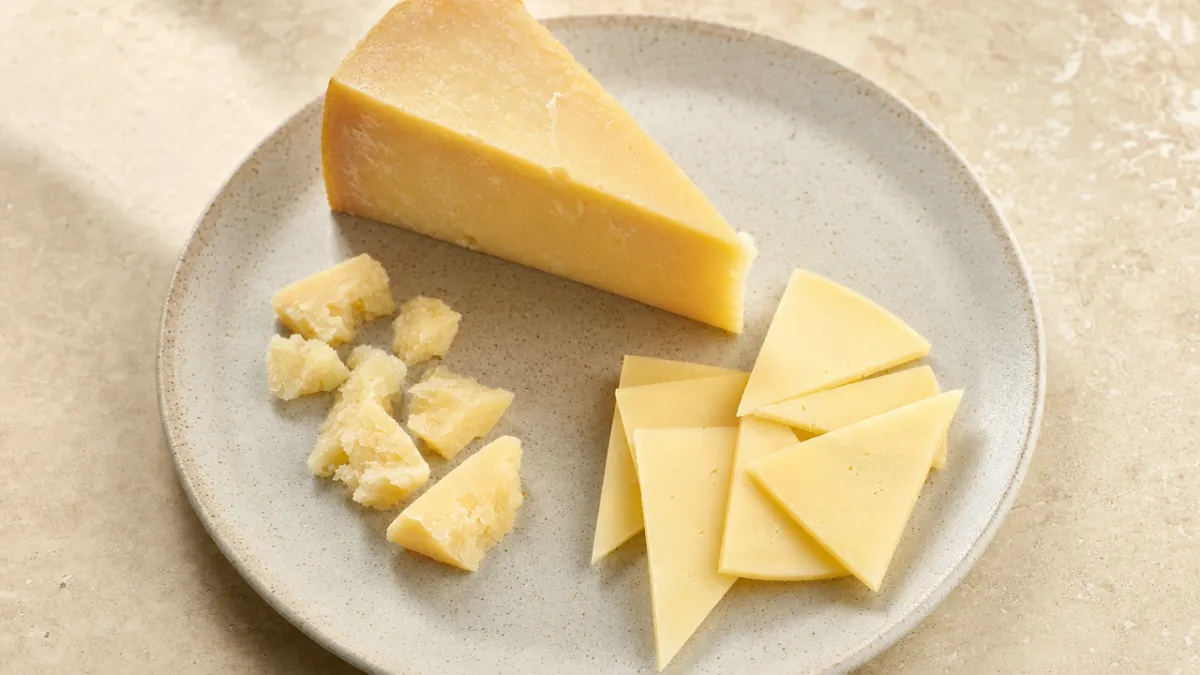
- low-lactose hard cheese
- kefir
How I handle milk
Milk is the dairy item I treat as a test rather than a staple. My approach is to keep a carton of lactose-free milk in the fridge for everyday use, and to try regular milk on purpose only when things are calm and I want to know where I stand. I pour a half cup, have it with breakfast rather than on its own, and pay attention through the afternoon. If regular milk sits fine, I take it as a sign my lactase is in decent shape at that point. If it does not, I switch back to lactose-free without reading it as the disease getting worse. Cold milk on an empty stomach and a big glass with cereal are the two situations I skip during any rough patch, because volume and speed seem to matter more to my gut than the milk itself.
How much, and how to test it
Start with about half a cup of plain milk taken with a meal, on a day when nothing else new is on the plate. Use the same type each time you test, since whole, 2 percent, and skim differ in fat. Over the following day, note gas, bloating, cramping, and how many bathroom trips you make compared with a normal day for you. If a half cup is uneventful across two or three tries, move to a full cup. Persistent loose stool or cramping within a few hours is the signal to drop back to lactose-free and retry another week.
What you get from milk
A cup of milk brings roughly 8 grams of protein, around 300 milligrams of calcium, and, in the United States, added vitamin D. Those two nutrients matter more than usual with ulcerative colitis: courses of corticosteroids can thin bone over time, and long stretches of restricted eating can leave calcium intake low without anyone noticing. Milk also carries potassium and fluid, both of which drain away during a run of diarrhea. Lactose-free milk delivers the same package.
Why this one shows up on trigger lists
Milk is flagged for 2 of the properties that most commonly cause UC symptoms. Each page explains the mechanism and lists every other food that carries it.
Questions people ask about milk and UC
Is milk bad for ulcerative colitis?
Not in the sense of driving inflammation, as far as the pooled evidence shows. What milk commonly does is expose lactose intolerance, which is more frequent in people with IBD than in the general population. That produces gas, bloating, and looser stool that feel like disease activity but resolve when the lactose is removed. If you tolerate milk, the cited research gives no strong reason to give it up.
Why does milk suddenly bother me since my diagnosis?
Inflammation and recovery in the gut can temporarily reduce lactase, the enzyme in the small intestine lining that digests milk sugar, a pattern often called secondary lactose intolerance. Milk that was fine before can then ferment in the colon and cause symptoms. This often improves as the gut heals, so a reaction now does not necessarily mean milk is off the table for good.
Is skim milk easier to tolerate than whole milk with colitis?
They contain about the same lactose, so if lactose is your problem, skim milk will not fix it. Where they differ is fat: whole milk has roughly four times the fat of skim, and richer foods are commonly reported as harder to handle during active symptoms. Some people find skim or 1 percent sits better in a flare, while others notice no difference. Lactose-free versions exist at every fat level.
Does warming milk make it easier to digest?
Heat does not remove lactose, so warm milk carries the same sugar load as cold. Some people still find a warm, smaller serving more comfortable, possibly because it is sipped slowly and usually taken with food rather than gulped. If warm milk with a meal sits better than a cold glass alone, the difference is more likely about speed and volume than temperature.
Is lactose intolerance more common with Crohn's disease than with ulcerative colitis?
Mainly when Crohn's reaches the small bowel. In the meta-analysis above, the extra risk was confined to Crohn's with small bowel involvement, so Crohn's limited to the colon tends to resemble UC on this point. The authors also found that ethnic background explains much of the lactose maldigestion seen in IBD, which is one reason two people with the same diagnosis can react so differently. A breath test does not settle everything either: symptoms depend on more than maldigestion, and some reactions blamed on lactose overlap with FODMAPs in general.
Sources
- Effects of Milk and Dairy on the Risk and Course of Inflammatory Bowel Disease versus Patients' Dietary Beliefs and Practices: A Systematic Review (PMC (National Library of Medicine))
- A Systematic Review of the Role of Diet in Ulcerative Colitis (PMC (National Library of Medicine))
- The Ulcerative Colitis Diet: What To Eat and Avoid (Cleveland Clinic)
- Systematic review and meta-analysis of lactose digestion, its impact on intolerance and nutritional effects of dairy food restriction in inflammatory bowel diseases (National Institutes of Health (PMC), from Nutrition Journal 2016)
- Food and Crohn's or Colitis (Crohn's & Colitis UK)
Written by Jude Horak, a UC patient. Sources last checked 2026-08-12. Spotted an error? Tell me.