Can I drink oat milk with ulcerative colitis?
By Jude Horak, UC patient. Sources checked 2026-08-12.
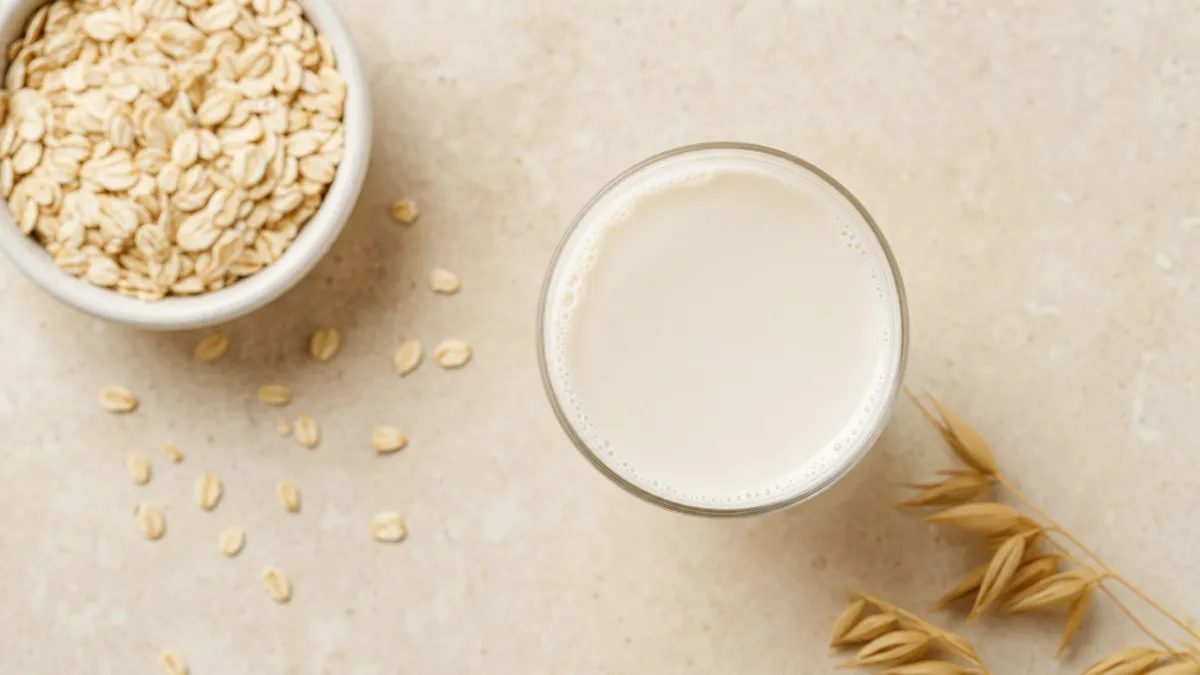
Oat milk is lactose-free, which removes the main dairy trigger, but it contains fructans and galacto-oligosaccharides (GOS) from the oats themselves, and these FODMAPs make it high-FODMAP at a typical full serving even though small amounts are low-FODMAP. For some people this can produce gas or bloating similar to other high-FODMAP foods, separate from any dairy-related mechanism.
During a flare
If a full glass of oat milk causes bloating or gas, try a smaller serving; it's a FODMAP effect rather than a dairy or lactose one.
In remission
Tolerance is individual; some people do fine with regular servings while others notice symptoms tied to its FODMAP content at larger volumes.
What the research says about oat milk and UC
Monash FODMAP's dairy alternatives guide is the source for the oat milk rating on this page, and it is more cautious than people expect. Oats contain fructans and GOS, and while a small serving of oat milk tests low FODMAP, a full glass exceeds the threshold for both, so Monash lists it as low FODMAP only in a serving much smaller than what most people pour. Their milk alternatives post makes the same distinction and notes that products differ by brand depending on how the oats are processed, which is why some people report no trouble with one carton and bloating with another.
This is FODMAP guidance developed for irritable bowel syndrome, and neither Monash post addresses ulcerative colitis or inflammation. The reasoning applied here is that FODMAP fermentation produces gas and draws water into the bowel, which can feel a lot like flare symptoms and adds discomfort on top of them, so a high FODMAP serving is worth being careful with during active disease even though it is not thought to cause inflammation. The rating is not a statement that oat milk is harmful to the colon. Added oils, gums, and sugar in commercial oat milks are outside what either source assessed.
Ways to make it gentler
- Start with smaller servings (around 1/2 cup or less) to gauge tolerance
Safer swaps
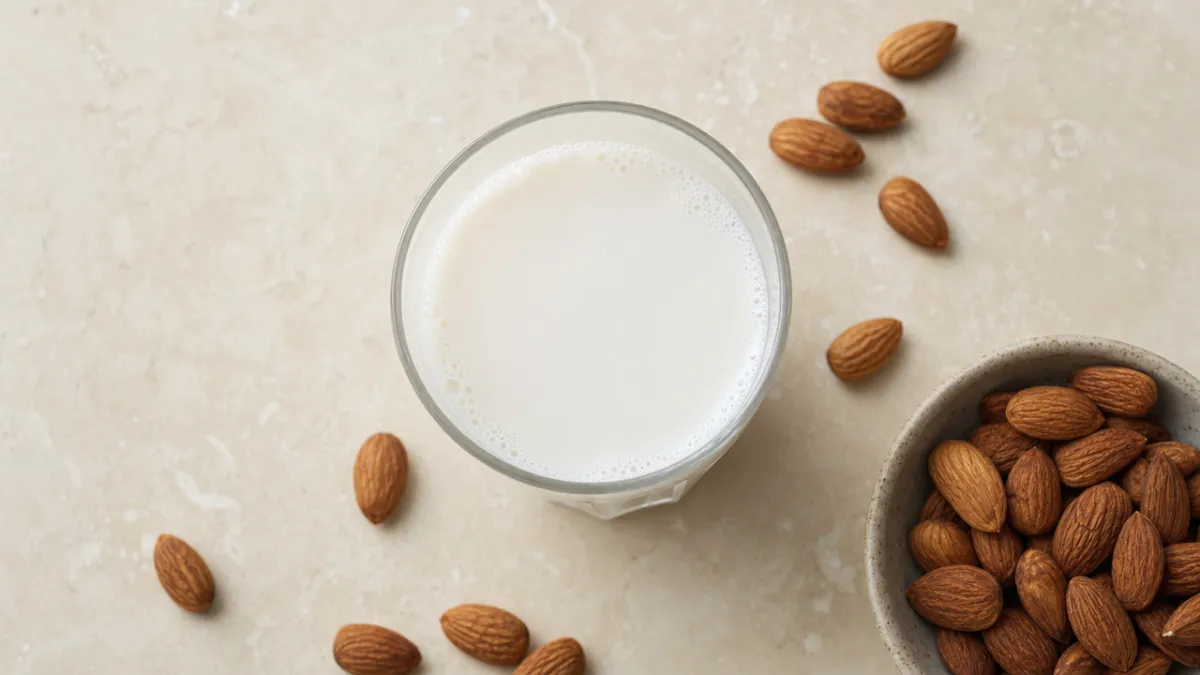
- almond milk
- lactose-free dairy milk
How I handle oat milk
Oat milk is the plant milk I like most and trust least, so my approach is portion-based. A splash in coffee has never registered for me, which fits with small amounts being low FODMAP, but I do not pour a full glass or use it as the base for a large smoothie when my gut is unsettled. It helps to think of oat milk as a flavoring rather than a beverage during rough patches. When I am well, I use it more freely in oatmeal, which feels a bit redundant but tastes good, and in baking. I stick with the unsweetened, plain kind and avoid the barista blends with added oil during flares, since they are richer than they look. If I notice bloating on a day I have used a lot of it, oat milk is the first thing I cut back, and it usually settles.
How much, and how to test it
Begin with a quarter cup or less, in coffee or tea, which keeps you near the serving Monash rates as low FODMAP. Bloating and gas from FODMAPs commonly appear within a few hours, so the same afternoon and evening are the window to watch, along with stool the next day. If the small serving is fine for several days, increase to half a cup, then a full cup, noting where symptoms begin. Most people who react find a threshold rather than an all-or-nothing response. Backing off to the last comfortable serving is usually enough.
What you get from oat milk
Oat milk lands between almond and dairy milk nutritionally: around 2 to 4 grams of protein and 120 calories per cup, with some soluble fiber from the oats, and calcium and vitamin D when fortified. The beta-glucan fiber is the gentle, soluble kind, though the amount in a cup is small. For someone with ulcerative colitis who has left dairy, a fortified oat milk supplies more calories and a bit more protein than almond milk, which can help when weight is a concern.
Why this one shows up on trigger lists
Oat Milk is flagged for one of the properties that most commonly cause UC symptoms. Each page explains the mechanism and lists every other food that carries it.
Questions people ask about oat milk and UC
Is oat milk good for ulcerative colitis?
It is dairy-free and lactose-free, which is helpful, but it is not the gentlest plant milk. The oats carry fructans and GOS, which can produce gas and bloating at a full-glass serving in people sensitive to FODMAPs. Small amounts in coffee are commonly fine. For a flare, almond milk or lactose-free dairy milk are lower-risk defaults, with oat milk something to bring back in measured servings in remission.
Why does oat milk make me bloated?
Most likely FODMAPs. Processing oats into milk breaks down starch but leaves fructans and GOS in the liquid, and a full cup can cross the threshold where those ferment noticeably in the colon. Some brands add oils and gums that may contribute. Because it is a threshold effect, people often find that a quarter cup is fine while a full glass is not, and switching brands sometimes changes the result.
Can I eat oatmeal with colitis if oat milk bothers me?
Possibly, since they are not the same food. Rolled oats cooked in water are commonly tolerated in ulcerative colitis, with soluble fiber that thickens stool rather than roughening it, and oats in modest servings are generally considered low FODMAP. The processing that makes oat milk concentrates the liquid FODMAPs from a larger quantity of oats into a glass. Testing a small bowl of plain oatmeal separately is the way to find out.
Is oat milk or almond milk better for colitis?
For avoiding symptoms, almond milk usually wins: it is low FODMAP at a full cup, lower in calories, and rarely reported as a trigger. For nutrition, oat milk offers more protein, more calories, and a little soluble fiber, which matters when weight is slipping. Many people use almond milk during flares and oat milk in remission, or keep oat milk for small amounts in coffee while using almond milk for larger volumes.
Sources
- Dairy alternatives (beverage and yoghurt) - low FODMAP options (Monash FODMAP)
- Milk alternatives on a low FODMAP diet (Monash FODMAP)
Written by Jude Horak, a UC patient. Sources last checked 2026-08-12. Spotted an error? Tell me.