Can I drink soda with ulcerative colitis?
By Jude Horak, UC patient. Sources checked 2026-08-12.
Also searched as: pop, soft drink, cola.
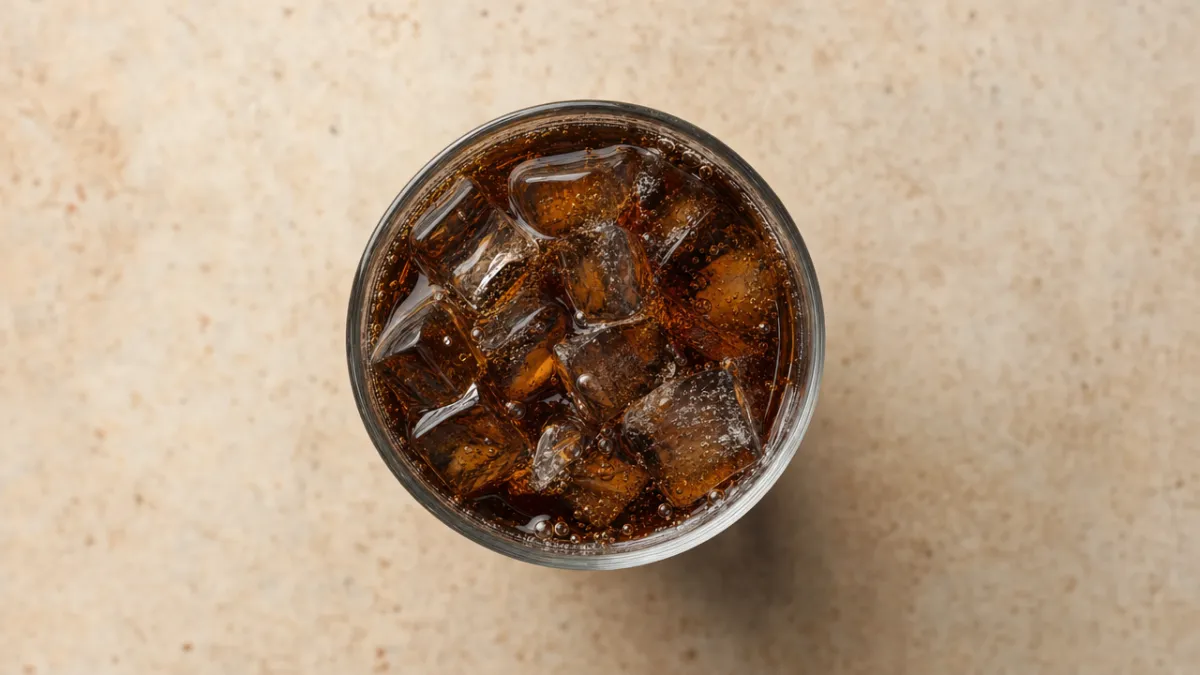
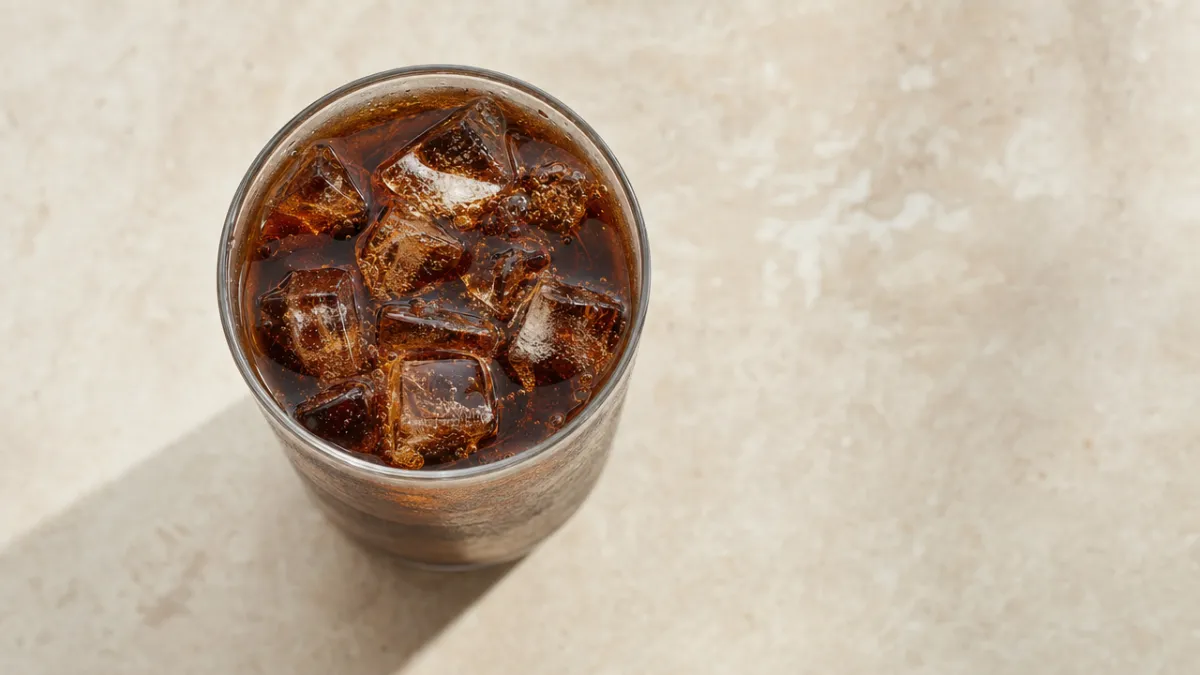
Regular soda combines carbonation, which introduces gas into the digestive tract and can add to bloating, with a high sugar load that can pull water into the bowel and loosen stool. Many colas and other sodas also contain caffeine, adding a motility-stimulating effect on top.
During a flare
Sugary, carbonated soda is a commonly reported trigger for more diarrhea and bloating during a flare.
In remission
Occasional soda is tolerated by many people in remission; letting it go flat and choosing smaller amounts can make it easier on the gut if you want it.
What the research says about soda and UC
Both sources for this page come from Cleveland Clinic, and both are general IBD nutrition guidance rather than soda research. The nutritional plan for Crohn's and UC lists sugary drinks, naming soda, fruit juice, and lemonade, among things that can cause more diarrhea during a flare-up. It also flags caffeine as a substance that increases the propulsive motion of the GI tract, which is relevant to colas. The mechanism the dietitian describes for sugar is osmotic: a concentrated sugar load holds water in the bowel. Nothing in that article quantifies how much soda, or how often, and it does not mention carbonation at all.
Soda is never discussed by name in Cleveland Clinic's ulcerative colitis diet article. Its relevant advice is indirect: stay hydrated with water, broth, and soups during a flare, use oral rehydration solutions when diarrhea is heavy, and limit processed foods and additives in both flare and remission. Carbonation, the thing most people notice first with soda, is not studied in either source; the bloating association is widely reported by patients but rests on experience rather than trial data. This page's avoid rating is a judgment built from those general points, not from a soda-specific study in people with UC.
Ways to make it gentler
- Let it go flat before drinking
- Choose smaller portions
Safer swaps
- diluted juice
- flat ginger drinks
- water
How I handle soda
Soda is one of the easier things for me to leave alone, because every part of it argues against it: the fizz, the sugar, and in cola the caffeine. When I want one in remission it is a small can, not a fountain cup, poured into a glass and left for a few minutes so it loses some bite, and it goes with a meal rather than on its own. I find a lemon-lime soda gentler than cola, probably the caffeine difference. Ice-cold on a hot day is the version that seems to move through me fastest, so I let it come up toward room temperature. During a flare I do not touch it; the sugar pulls water into a bowel that is already leaking fluid, and the carbonation adds cramps. Ginger ale is not a magic exception, though a flat one in small sips is one of the more tolerable options if I want something sweet.
How much, and how to test it
Begin with half a can, about 6 ounces, of a caffeine-free soda, poured and allowed to go partly flat, drunk with food. Keep it the only new item that day. Then pay attention through the next couple of days to bloating and gas in the hours after, any looser stool that evening or next morning, and whether the sugar seems to bring on cramping. If it passes, try a full can on another day, then a caffeinated cola separately so you can tell the caffeine effect apart from the sugar. Back off at the first sign of extra urgency or persistent bloating.
What you get from soda
A 12-ounce regular soda delivers roughly 140 calories, all from about 39 grams of sugar, and nothing else of value: no protein, no potassium to speak of, no vitamins. Those calories are not useless if weight is dropping, but they come with an osmotic load that can worsen diarrhea, so they cost fluid. Cola adds caffeine and phosphoric acid, the latter sometimes raised as a bone concern with heavy long-term use, relevant if you have needed steroids. Soda counts poorly toward hydration.
Why this one shows up on trigger lists
Soda is flagged for 3 of the properties that most commonly cause UC symptoms. Each page explains the mechanism and lists every other food that carries it.
Questions people ask about soda and UC
Can I drink soda with ulcerative colitis?
In remission, an occasional small soda is something many people tolerate without incident, especially if it is allowed to go a bit flat and taken with food. During a flare it is one of the more commonly avoided drinks, because sugar, carbonation, and sometimes caffeine each push in the wrong direction. The choice is less about damage than about how much discomfort you want to invite that day.
Does carbonation make colitis worse?
It does not appear to worsen the inflammation itself, but dissolved gas has to go somewhere, and in an inflamed colon it tends to mean bloating, cramping, and more urgency. The cited sources do not study carbonation directly; the association comes from widespread patient experience. Letting a drink lose its fizz, or choosing still versions, removes that variable while keeping the flavor.
Is ginger ale good for an upset stomach with UC?
Most commercial ginger ale contains little real ginger and a full dose of sugar and carbonation, so its soothing reputation is mostly tradition. Flat, in small sips, it is one of the gentler sweet drinks when appetite is gone, which is a real use. It is not a rehydration drink and not a treatment. An oral rehydration solution does the fluid job far better during heavy diarrhea.
Why does soda go through me so fast?
Three things at once. A large sugar load draws water into the intestine osmotically, which loosens stool and speeds transit. Carbonation stretches the gut and stimulates movement. Caffeine in cola stimulates colonic contractions directly. Cold temperature and drinking it on an empty stomach both sharpen the effect. That combination is why a fountain soda on a hot afternoon is a common trigger story.
Sources
- A Nutritional Plan for Anyone Living With Crohn's Disease or Ulcerative Colitis (Cleveland Clinic)
- The Ulcerative Colitis Diet: What To Eat and Avoid (Cleveland Clinic)
Written by Jude Horak, a UC patient. Sources last checked 2026-08-12. Spotted an error? Tell me.