Can I drink sports drinks with ulcerative colitis?
By Jude Horak, UC patient. Sources checked 2026-08-12.
Also searched as: electrolyte drinks, Gatorade, Powerade.
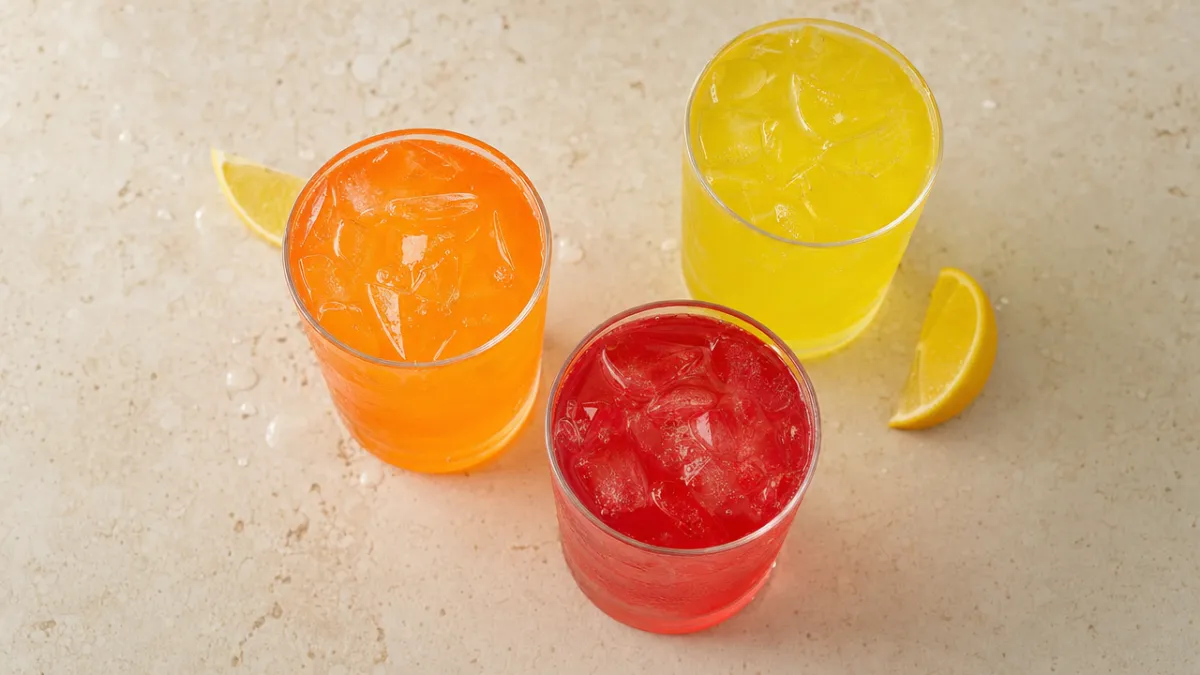
Because diarrhea from active disease can cause meaningful fluid and electrolyte loss (sodium, potassium, and others), replacing both water and electrolytes matters during a flare. Standard sports drinks provide fluid and electrolytes, but medical guidance for IBD patients specifically favors oral rehydration solutions like Pedialyte or diluted sports drinks over full-strength ones, since the sugar-to-electrolyte ratio in regular sports drinks isn't optimized for rehydration during illness.
During a flare
During a flare with significant diarrhea, an oral rehydration solution or diluted sports drink is generally favored over a full-strength sports drink because of the sugar content.
In remission
Most people in remission tolerate sports drinks fine in normal contexts like exercise; they're not typically a trigger the way alcohol or carbonated drinks are.
What the research says about sports drinks and UC
The American Gastroenterological Association's GI Patient Center page on staying hydrated with IBD is the most relevant source in this category. It states that people with IBD are at higher risk of dehydration because of large fluid losses and active inflammation, lists sodium, potassium, chloride, magnesium, and calcium as the electrolytes at stake, and names active disease, frequent watery diarrhea, fever, and vomiting as risk factors. Its central point is that plain water treats mild dehydration, but anyone at risk of moderate to severe dehydration needs an oral rehydration solution, which delivers water, sodium, and sugar in specific ratios. One of its home recipes is two cups of a sports drink mixed with two cups of water and half a teaspoon of salt.
That recipe is the clearest statement in any cited source about sports drinks: full strength, they carry more sugar and less sodium than rehydration requires, so dilution plus added salt turns them into something closer to an ORS. The AGA page also advises sipping fluids slowly between meals and, for people with an ileostomy, limiting sugar-sweetened drinks. Cleveland Clinic's ulcerative colitis diet article adds general support, recommending water, broth, soups, and commercial oral rehydration products during a flare, without discussing sports drinks specifically. Neither source examined sports drinks as a symptom trigger, which fits the usually-ok rating in remission.
Ways to make it gentler
- Dilute with water during a flare
- Consider an oral rehydration solution instead when losses are significant
Safer swaps
- oral rehydration solution (e.g., Pedialyte)
- diluted sports drink
- water with a pinch of salt
How I handle sports drinks
Sports drinks for me are a tool with two settings. In remission they are what they are for everyone else: something I drink during long exercise or a hot day, and I do not think much about it. During a flare I stop treating them as a sports drink and start treating them as a rehydration ingredient. That means half sports drink, half water, a pinch of salt, sipped through the day rather than drunk in one go, because a full-strength bottle is too sugary and not salty enough for what diarrhea takes out. If losses are heavy I move to a proper oral rehydration solution instead, and that is also the point where I keep my care team informed rather than managing it alone. I avoid the dyed, sugar-free versions with sugar alcohols, and I keep them cool rather than icy, since very cold liquid in volume tends to speed things along.
How much, and how to test it
Testing here is less about tolerance and more about use. Start with 8 ounces of a standard sports drink diluted one to one with water, sipped over half an hour with a snack. In remission it is unlikely to cause symptoms; note over 24 to 72 hours whether the sugar loosened anything, which is the main thing that can go wrong. During a flare, follow the diluted-plus-salt approach and watch urine color and thirst as your feedback. Back off from full-strength versions if stools loosen further, and switch to an oral rehydration solution if dehydration signs appear, such as dark urine, dizziness, or cramps.
What you get from sports drinks
A 20-ounce sports drink typically provides about 140 calories from 34 grams of sugar, roughly 270 milligrams of sodium, and 75 milligrams of potassium. The sodium is meaningful but lower than an oral rehydration solution delivers, and the sugar is higher, which is the whole reason for dilution during diarrhea. The potassium helps a little with what watery stools remove. There is no protein, calcium, or iron, so it does nothing for the weight, bone, or anemia issues that come with UC; it is fluid and salt, nothing more.
Why this one shows up on trigger lists
Sports Drinks is flagged for one of the properties that most commonly cause UC symptoms. Each page explains the mechanism and lists every other food that carries it.
Questions people ask about sports drinks and UC
Is Gatorade good for ulcerative colitis?
As a rehydration aid during a flare, it is a reasonable base if you dilute it and add a little salt, which is exactly what the AGA's patient hydration guidance suggests. At full strength it is more sugar than an inflamed bowel wants and less sodium than heavy diarrhea removes. In remission it is a normal sports drink and rarely a trigger. It is not a treatment for UC itself.
Are electrolyte drinks better than water during a flare?
When diarrhea is frequent or watery, yes, because water alone replaces fluid but not the sodium and potassium going out with it, and the body holds onto water better when salt comes with it. For mild losses plain water is fine. For heavy losses an oral rehydration solution beats both a sports drink and water. Signs you have crossed that line include dark urine, dizziness, muscle cramps, and a racing heart.
Should I drink sports drinks every day with colitis?
Not as a habit in remission. Outside of exercise or illness, a daily sports drink is mostly sugar and dye, and Cleveland Clinic's UC guidance leans toward limiting processed foods and additives. Save them for the situations they are built for: long workouts, hot days, and the diluted rehydration role during a flare. Water, milk if tolerated, and broth cover ordinary days.
What about sugar-free or zero-calorie sports drinks?
They keep the sodium and potassium but drop the sugar, which sounds ideal until you check the sweetener. Versions using sugar alcohols can loosen stools on their own, which defeats the purpose during a flare. Ones using sucralose or stevia avoid that problem but also lose the small amount of glucose that helps the gut absorb sodium, which is why rehydration solutions deliberately include some sugar. For flare use, diluted regular is often the better tool.
Sources
- Inflammatory Bowel Disease (IBD): Staying Hydrated (American Gastroenterological Association (GI Patient Center))
- The Ulcerative Colitis Diet: What To Eat and Avoid (Cleveland Clinic)
Written by Jude Horak, a UC patient. Sources last checked 2026-08-12. Spotted an error? Tell me.