Can I drink tea with ulcerative colitis?
By Jude Horak, UC patient. Sources checked 2026-08-12.
Also searched as: black tea, caffeinated tea.
Have Crohn's instead? Jump to the Crohn's notes
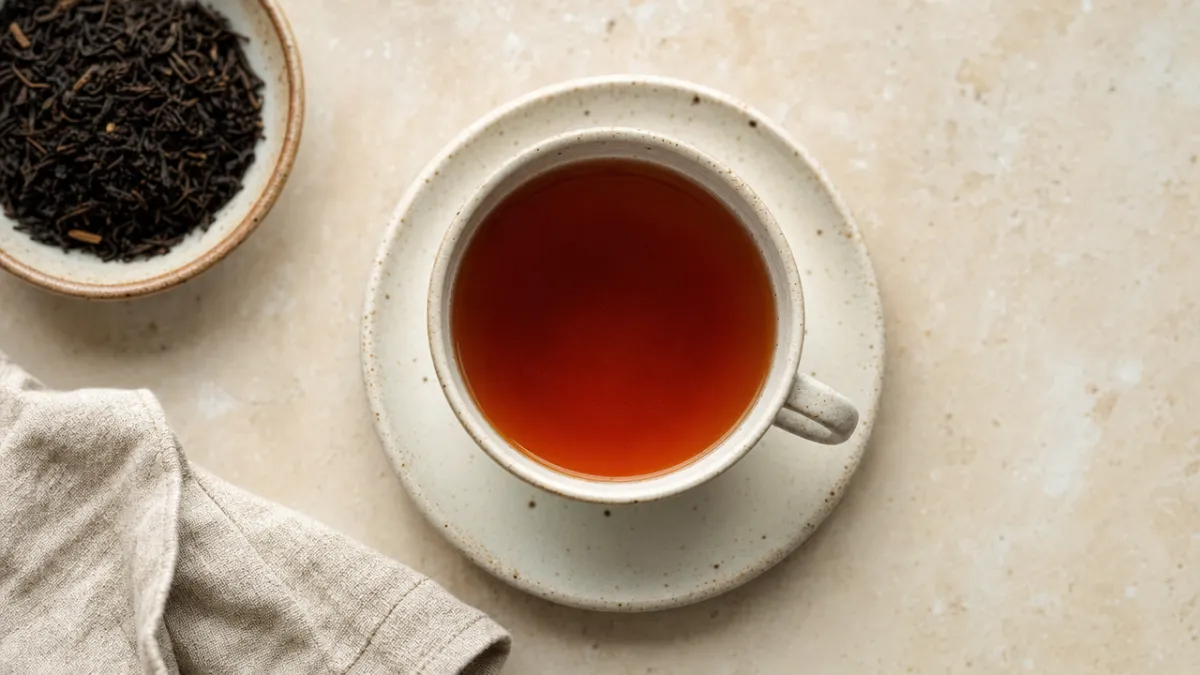
Black tea contains meaningful caffeine, a stimulant that can speed up colonic transit, plus tannins that some people find drying or irritating to the gut. A large population-based study found no link between caffeine intake and IBD, and if anything higher caffeine intake was associated with less chronic diarrhea, so the case against tea rests on individual sensitivity rather than population data. Many people with UC still notice that a strong cup moves things along faster during a flare.
During a flare
Caffeinated tea is a commonly reported trigger during flares because of the stimulant and tannin content; herbal or decaf versions are usually a gentler choice while symptomatic.
In remission
Most people in remission tolerate a cup or two of tea without trouble; individual tolerance to caffeine varies, so reintroduce gradually.
What the research says about tea and UC
Neither cited source studied black tea itself, so this page leans on caffeine evidence. The largest piece is a cross-sectional analysis of 12,759 US adults from the NHANES survey, published in PMC (National Institutes of Health). It found no significant association between caffeine intake and having IBD. It also reported, somewhat unexpectedly, that higher caffeine intake was associated with less self-reported chronic diarrhea, and a U-shaped relationship with chronic constipation. The design cannot show cause and effect, relies on self-report, does not separate tea from coffee or energy drinks, and did not look at symptoms in people who already have UC.
On the guidance side, the Cleveland Clinic nutritional plan for Crohn's and UC addresses caffeinated beverages as a group. Its dietitian's point is mechanical: caffeine increases the propulsive motion of the GI tract, so people who already have diarrhea during a flare may find it makes things worse. Tannins, the astringent compounds that give black tea its dry mouthfeel, are not discussed in either source, and their effect on an inflamed colon is anecdotal rather than studied. In short, the caution rating reflects general caffeine guidance during flares, tempered by population data suggesting caffeine is not linked to IBD itself.
If you have Crohn's instead of UC
I have UC, not Crohn's, so this part is research rather than experience.
Tea only reads differently for Crohn's in one situation: when inflammation or surgery has left the small bowel unable to absorb fat properly. Cleveland Clinic includes tea on its list of high-oxalate foods, and that matters because of what unabsorbed fat does in the gut. It ties up calcium that would otherwise bind oxalate, so more oxalate is absorbed, reaches the kidneys, and can form calcium oxalate stones. A small 2024 study in Nutrients comparing 27 Crohn's patients with healthy controls found oxalate absorption and urinary oxalate were significantly higher in the patients who had formed stones.
If you have had ileal surgery or a kidney stone, how much tea you drink is a fair question for your gastroenterologist or dietitian. Cleveland Clinic also notes that calcium-rich foods eaten with meals help because calcium binds oxalate, which may make tea alongside a calcium-rich meal a gentler habit than cup after cup on its own.
Based on: Cleveland Clinic; National Institutes of Health (PMC), from Nutrients 2024; Crohn's & Colitis UK. More on how Crohn's and UC diets differ.
Ways to make it gentler
- Weaker brew or shorter steep time reduces caffeine and tannins
- Add milk or a non-dairy milk to soften tannins
Safer swaps
- decaf black tea
- herbal tea
- green tea in moderation
How I handle tea
Tea is easier for me to manage than coffee because the dose is so adjustable. A bag steeped for one minute is a different drink from one steeped for five, and I use that dial deliberately. On calm days I brew it normally. When things are unsettled I pull the bag early, add milk, and drink it warm rather than hot, which takes the astringent edge off. I also notice that strong black tea on an empty stomach in the morning gives me a dry, slightly queasy feeling, so it comes after breakfast or mid-morning instead. Afternoon is my cutoff; caffeine late in the day disrupts sleep, and poor sleep makes my gut noisier the next day. I do not count tea as water for hydration purposes, since a mug of strong tea with milk is doing several things at once, and I keep a separate glass of water going alongside it.
How much, and how to test it
Start with a single weak cup, steeped about two minutes, with a splash of milk if dairy suits you, taken after a meal. Leave other new foods out for that day so the tea gets a clean read. Over the following 24 to 72 hours look for an uptick in stool frequency, cramping within an hour of drinking, or a dry, irritated feeling in the stomach that hints at tannin sensitivity. If the weak cup is uneventful, lengthen the steep, then add a second cup on a different day. Pull back if urgency rises or if stools loosen for more than a day after.
What you get from tea
Plain black tea is essentially water with caffeine, tannins, and trace minerals like manganese and small amounts of potassium. Its most relevant nutritional issue for UC is iron: tannins in tea can reduce absorption of non-heme iron from plant foods eaten at the same time, which matters when anemia from chronic blood loss is already a concern. Drinking tea between meals rather than with iron-rich food sidesteps most of that. Milk in tea adds a little calcium and protein, helpful on steroids or during weight loss.
Why this one shows up on trigger lists
Tea is flagged for 2 of the properties that most commonly cause UC symptoms. Each page explains the mechanism and lists every other food that carries it.
Questions people ask about tea and UC
Is black tea good or bad for ulcerative colitis?
Neither label fits well. Black tea is not linked to causing or worsening the inflammation of UC in the cited research, and population data found no association between caffeine and IBD. What it can do is speed the gut a little and dry the mouth and stomach with tannins, which some people feel more during a flare. In remission, a cup or two is commonly tolerated without any noticeable effect.
Does tea have less caffeine than coffee?
Usually, yes. A cup of black tea typically carries roughly a third to half the caffeine of a similar cup of brewed coffee, though steep time, leaf quantity, and water temperature swing it considerably. That lower and adjustable dose is why many people who cannot handle coffee during a flare find a lightly brewed tea manageable. Decaf black tea lowers it further while keeping the flavor.
Can I drink tea during a colitis flare?
Many people can, if they brew it weak and keep it to a cup. The stimulant load of a short-steeped tea is modest, and warm fluid is comforting when appetite is poor. The signals to watch are extra urgency in the hour after drinking and a dry, irritated stomach feeling. If either shows up, switching to a caffeine-free herbal tea for the rest of the flare is an easy step.
Does adding milk to tea make it easier on the gut?
Often, though for two different reasons. Milk proteins bind some of the tannins, which reduces the astringent, drying effect that bothers sensitive stomachs. It also dilutes the caffeine per sip. The trade-off is lactose: if dairy is a trigger for you, a lactose-free or non-dairy milk gives the same softening without the sugar that can loosen stools.
Does tea raise kidney stone risk for everyone with Crohn's disease?
Probably not. Crohn's & Colitis UK ties Crohn's kidney stones to small bowel inflammation that stops fat being absorbed, and to dehydration from diarrhea, so the oxalate side of the risk mainly concerns people with ileal disease or surgery. In the 2024 Nutrients study, the longer the stretch of ileum that had been removed, the more oxalate people absorbed and passed in urine. Crohn's limited to the colon tends to behave more like UC here.
Sources
- A Nutritional Plan for Anyone Living With Crohn's Disease or Ulcerative Colitis (Cleveland Clinic)
- Association Between Caffeine Intake and Bowel Habits and Inflammatory Bowel Disease: A Population-Based Study (National Institutes of Health (PMC))
- Hyperoxaluria (Cleveland Clinic)
- Intestinal Oxalate Absorption, Enteric Hyperoxaluria, and Risk of Urinary Stone Formation in Patients with Crohn's Disease (National Institutes of Health (PMC), from Nutrients 2024)
- Crohn's Disease (Crohn's & Colitis UK)
Written by Jude Horak, a UC patient. Sources last checked 2026-08-12. Spotted an error? Tell me.